






How to Choose Laminated Glass: Thickness, Interlayer, Price and Installation Tips
How to Choose Laminated Glass: Thickness, Interlayer, Price and Installation Tips
How to Choose Laminated Glass
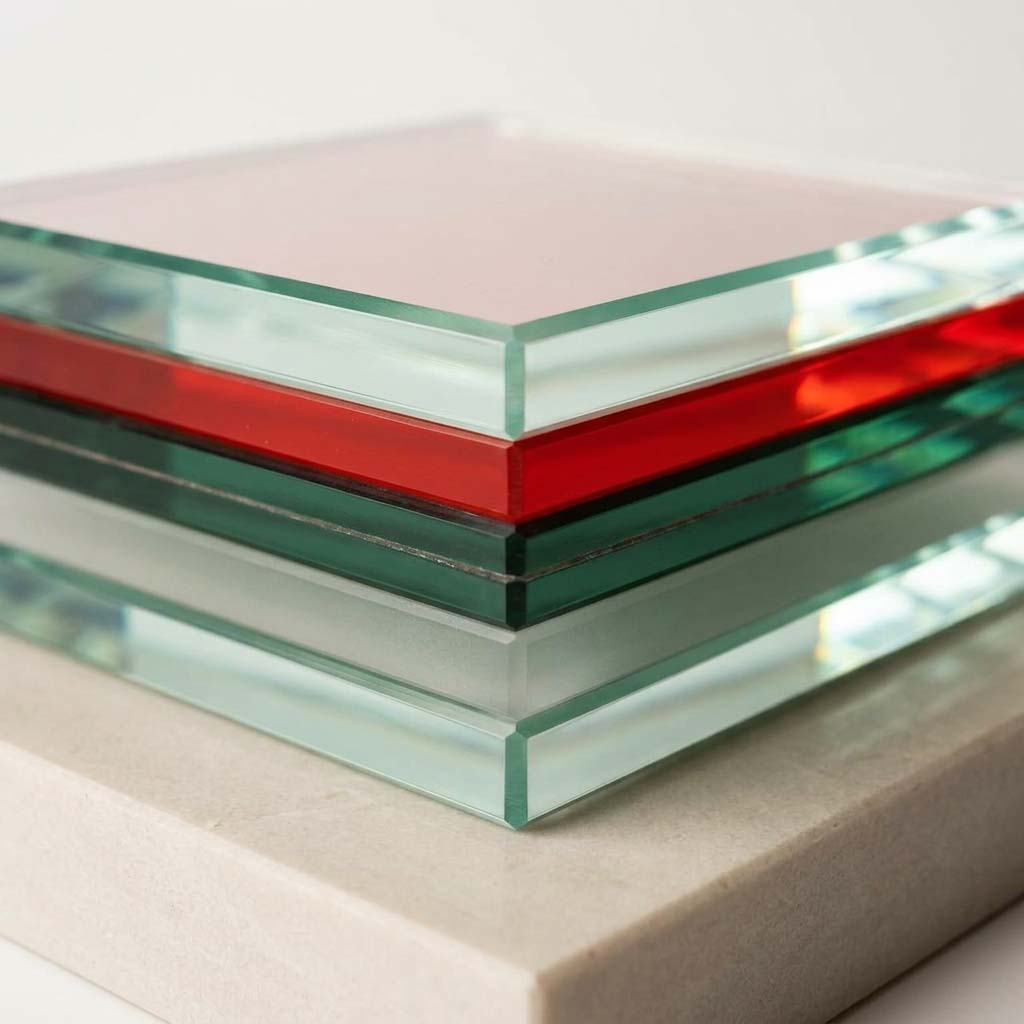
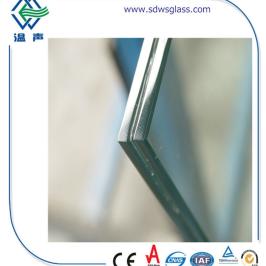
Laminated glass is widely used in modern buildings, residential projects, and commercial spaces. However, many buyers only compare prices and ignore important factors such as glass thickness, interlayer type, glass structure, installation position, and safety requirements.
Choosing the wrong laminated glass may affect safety, durability, appearance, and long-term performance.
This guide explains how to choose suitable laminated glass for your project.
1. Confirm the Application First
Before choosing laminated glass, you need to confirm where it will be used. Different applications require different levels of strength and safety.
Common applications include:
windows and doors
balcony railings
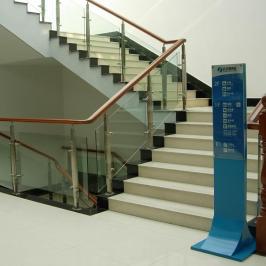
staircase railings
glass canopies
skylights
curtain walls
sunrooms
office partitions
shopfronts
commercial buildings
For indoor partitions, the safety requirements may be lower. For balcony railings, skylights, canopies, and curtain walls, higher safety performance is usually required.
2. Choose the Right Glass Thickness
Common laminated glass thickness combinations include:
5+5 laminated glass
6+6 laminated glass
8+8 laminated glass
10+10 laminated glass
12+12 laminated glass
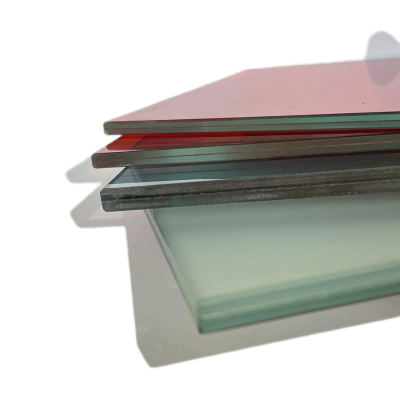
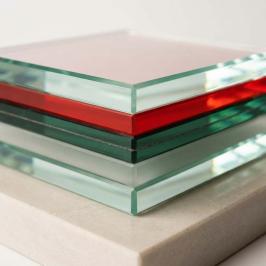
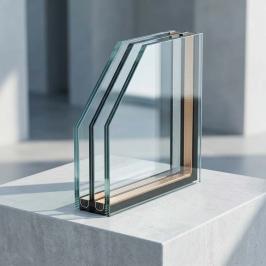
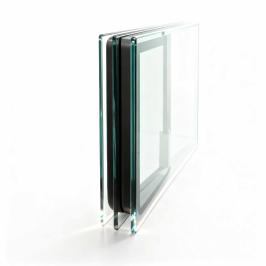
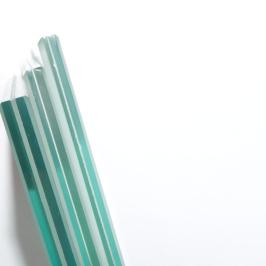
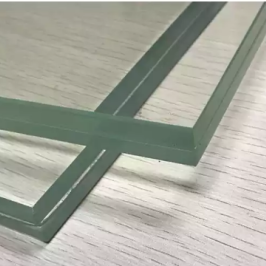
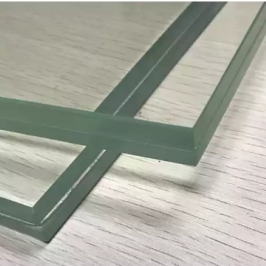
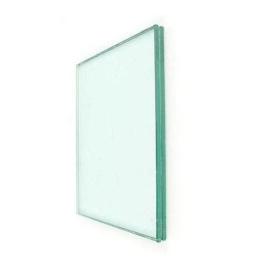
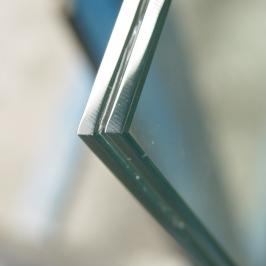
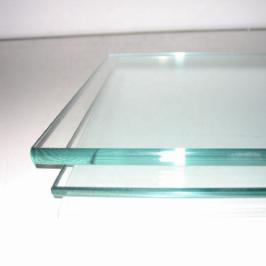
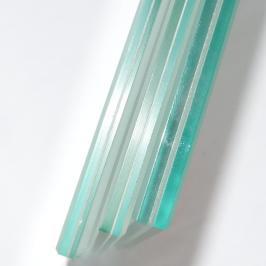
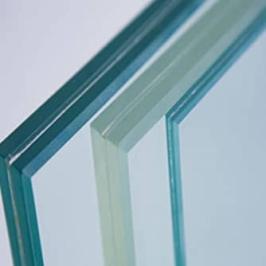
The numbers refer to the thickness of each glass panel. For example, 8+8 laminated glass usually means two pieces of 8mm glass bonded with an interlayer.
Thicker glass usually provides higher strength and better stability, but it also increases weight and cost. Therefore, the thickness should be selected according to:
glass size
installation position
load requirements
wind pressure
safety standards
project design
For small indoor partitions, a standard thickness may be enough. For large glass panels, railings, canopies, or overhead glazing, a stronger configuration may be required.
3. Understand Different Interlayer Types
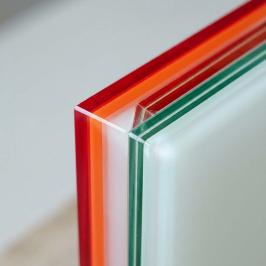
The interlayer is one of the most important parts of laminated glass. It affects safety, strength, clarity, acoustic performance, and long-term durability.
PVB Interlayer
PVB is one of the most commonly used interlayers for laminated glass. It has good transparency, stable safety performance, and wide application in buildings.
PVB laminated glass is commonly used for:
windows
doors
curtain walls
partitions
railings
general architectural projects
SGP Interlayer
SGP interlayer has higher strength and rigidity than PVB. It is suitable for projects with higher safety and structural requirements.
SGP laminated glass is often used in:
high-end curtain walls
glass railings
skylights
canopies
large glass panels
high-safety building projects
EVA Interlayer
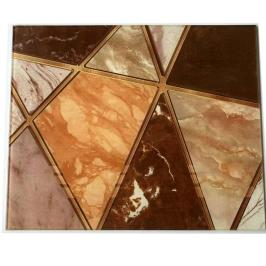
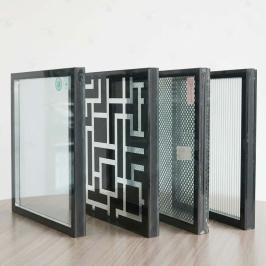
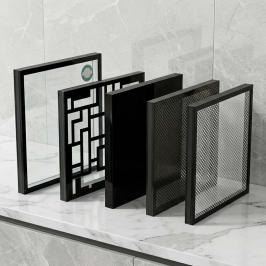
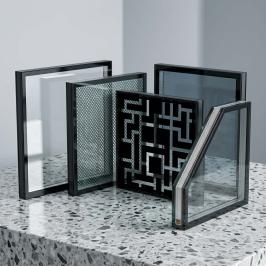
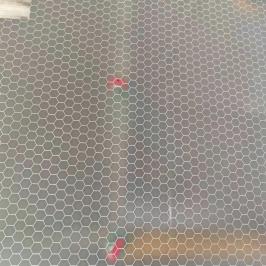
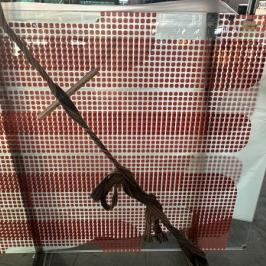
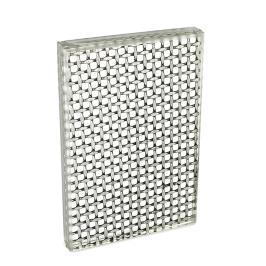
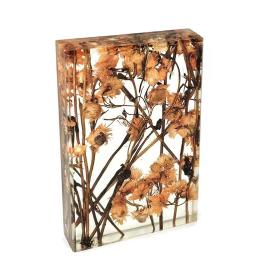
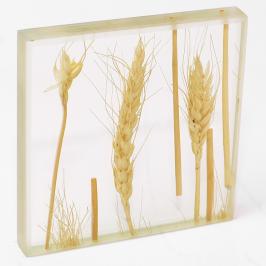
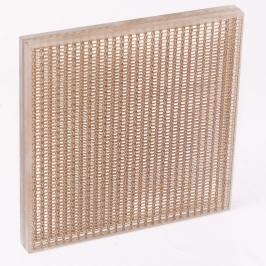
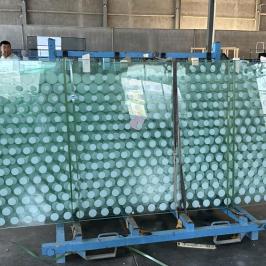
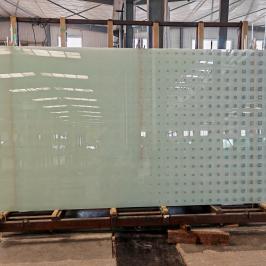
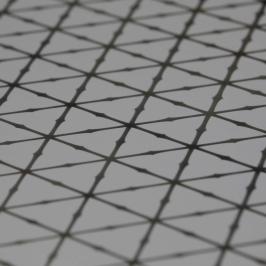
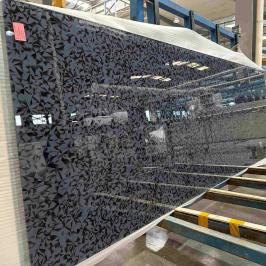
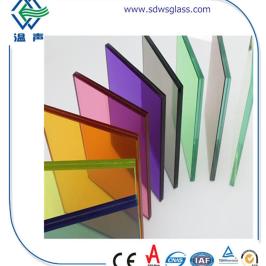
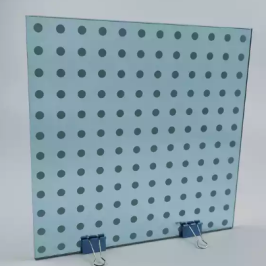
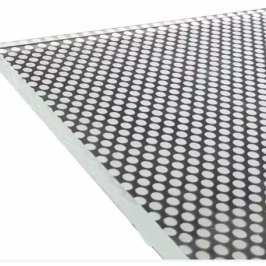
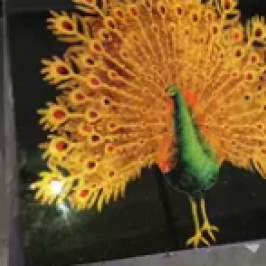
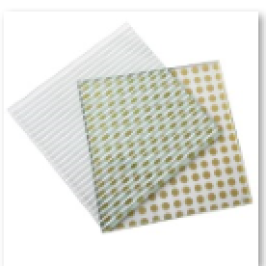
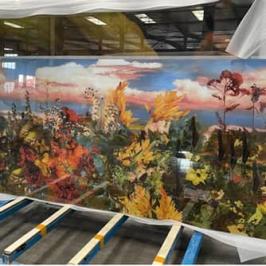
EVA interlayer is often used for decorative laminated glass. It can be used with fabric, wire mesh, printed film, patterns, or other decorative materials.
EVA laminated glass is suitable for:
interior decoration
art glass
decorative partitions
custom design glass
4. Decide Whether You Need Tempered Laminated Glass
In many architectural projects, regular laminated glass is not enough. Tempered laminated glass may be required.
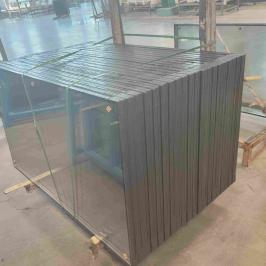
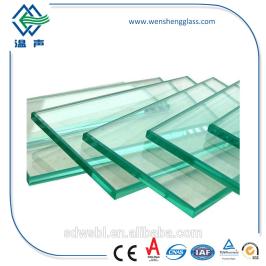
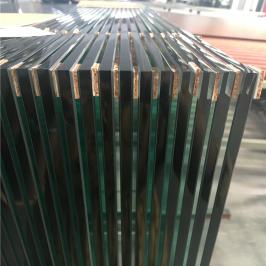
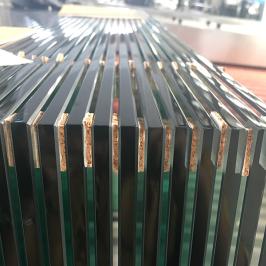
Tempered laminated glass is made by laminating tempered glass panels with an interlayer. It combines the strength of tempered glass with the post-breakage safety of laminated glass.
Tempered laminated glass is commonly recommended for:
balcony railings
staircase glass
glass canopies
skylights
high-rise windows
curtain walls
public areas
commercial buildings
If the glass is installed at height, used as a barrier, or placed above people, tempered laminated glass is usually a better and safer choice.
5. Factors That Affect Laminated Glass Price
The price of laminated glass depends on many factors, including:
glass thickness
glass type
interlayer type
interlayer thickness
whether the glass is tempered
whether insulated glass is required
glass size
edge processing
hole drilling or cut-outs
order quantity
transportation distance
installation difficulty
For example, standard PVB laminated glass is usually more affordable than SGP tempered laminated glass. A large custom-size glass panel with holes, polished edges, and special interlayer will also cost more than a standard panel.
When requesting a quotation, it is better to provide:
glass size
glass thickness
quantity
application
drawing or design
whether tempering is required
whether installation is required
This helps suppliers provide a more accurate price.
6. Installation Tips for Laminated Glass
Good glass quality is important, but installation quality is also critical.
During installation, pay attention to the following points:
measure the glass size accurately
protect the glass edges
avoid direct hard contact with metal parts
use suitable fixing systems
choose proper sealant and accessories
consider drainage for skylights and canopies
check structural support before installation
use professional installers for large glass panels
For high-safety applications such as railings, skylights, and canopies, professional design and installation are strongly recommended.
Conclusion
Choosing laminated glass is not only about asking for the price per square meter. You need to consider the application, thickness, interlayer type, tempering process, installation method, and safety requirements.
For standard windows and partitions, regular laminated glass may be suitable. For railings, skylights, canopies, and curtain walls, tempered laminated glass or SGP laminated glass may be a better option.
A suitable glass configuration can improve safety, durability, comfort, and the overall appearance of the project.
FAQ
Q1: What thickness of laminated glass should I choose?
Common options include 5+5, 6+6, 8+8, and 10+10 laminated glass. The correct thickness depends on the application, panel size, and safety requirements.
Q2: What is the difference between PVB and SGP laminated glass?
PVB is widely used and cost-effective. SGP has higher strength and rigidity, making it suitable for high-safety and structural applications.
Q3: Can laminated glass be customized?
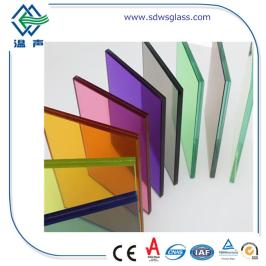
Yes. Laminated glass can be customized in size, thickness, glass type, color, interlayer, edge processing, holes, and other details.
Q4: Is laminated glass suitable for glass canopies?
Yes. For glass canopies, tempered laminated glass is usually recommended for better strength and safety.