- Tempered Glass
- Laminated Glass
- Tempereed Laminated Glass
- Insulating Glass
- Silk Screen Printing Glass
- Ceramic Digital Printing Glass
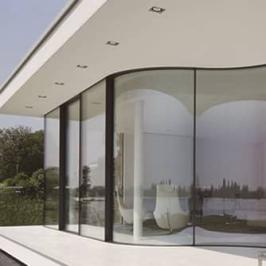
- Curved Glass
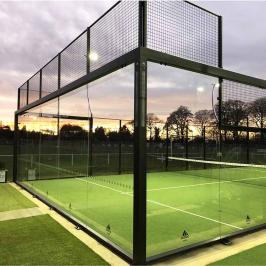
- Padel Glass
- Solar Panel Glass
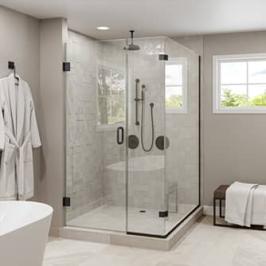
- Shower Glass
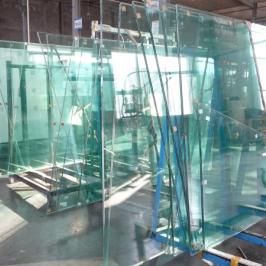
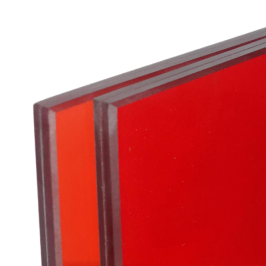
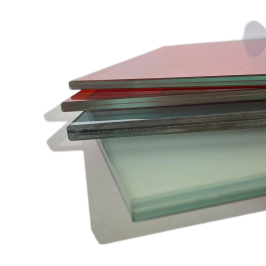
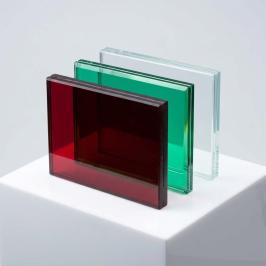
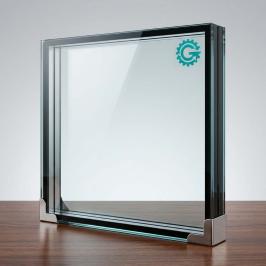
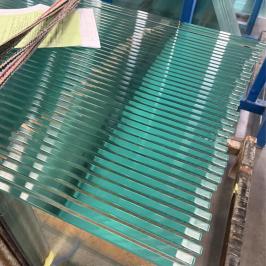
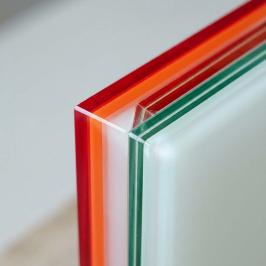
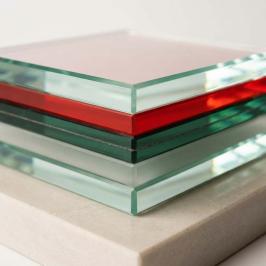

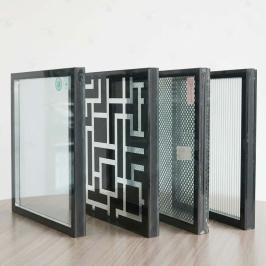
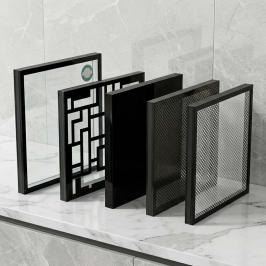
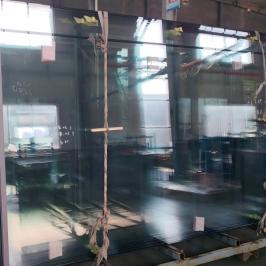
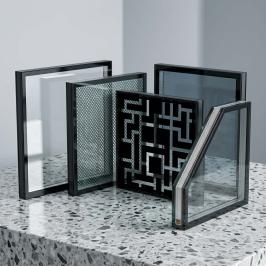
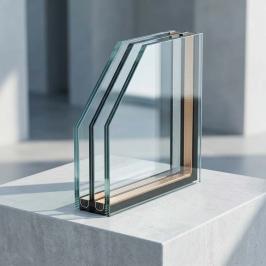
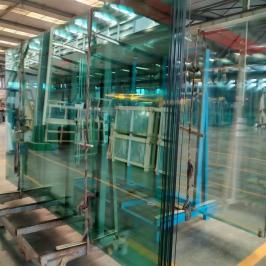
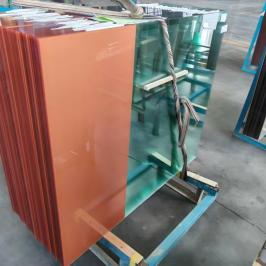
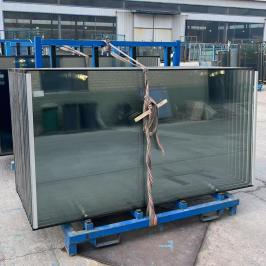
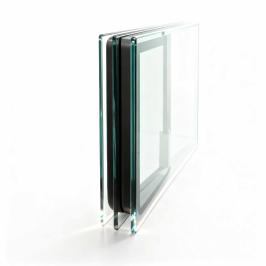
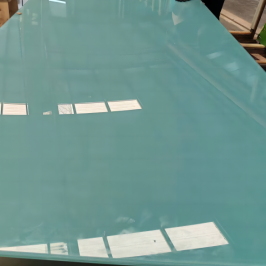
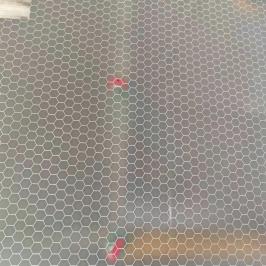
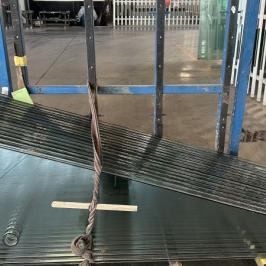
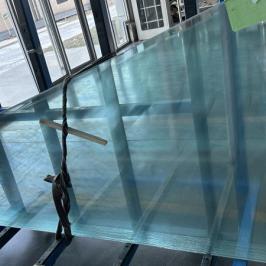
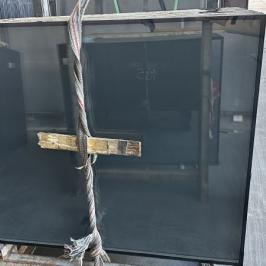
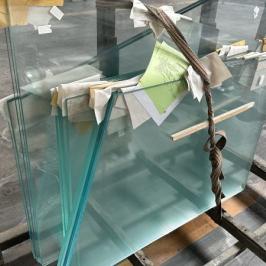
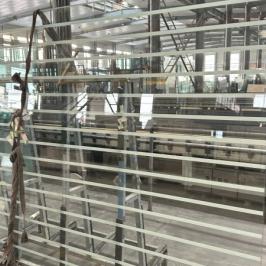
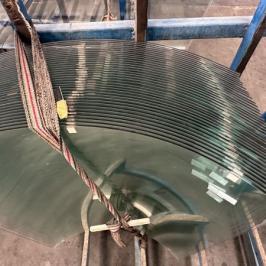
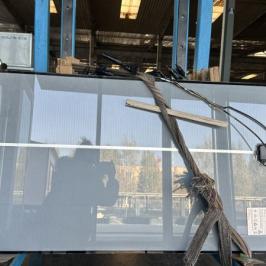
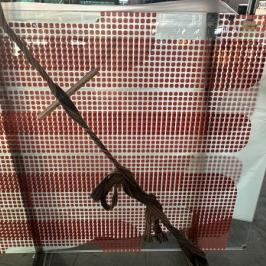
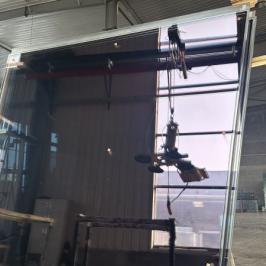
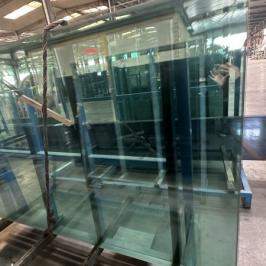
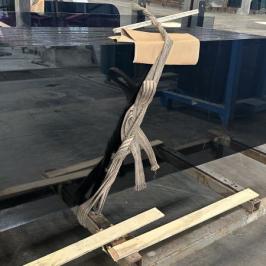
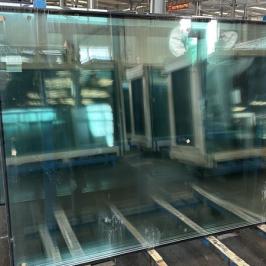
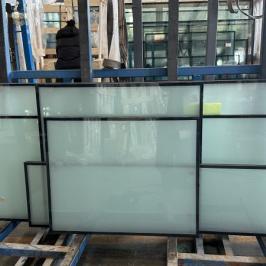
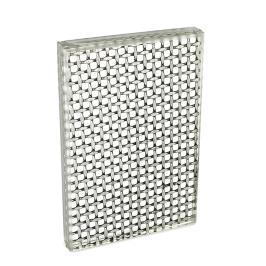
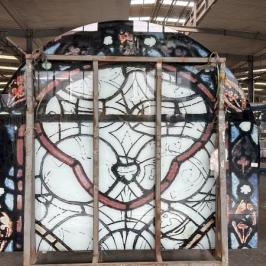
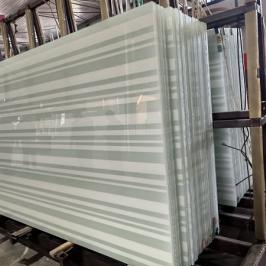
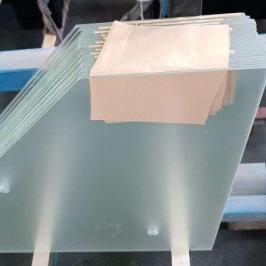
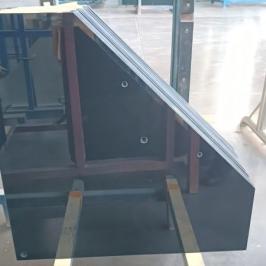
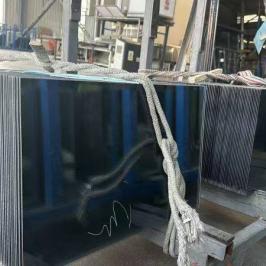
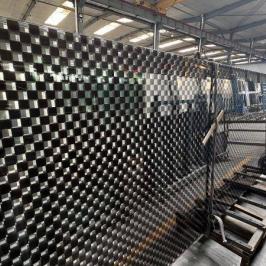
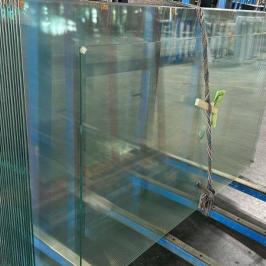
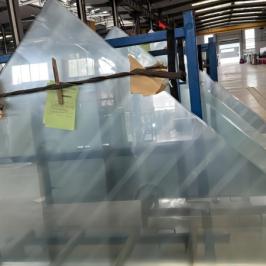
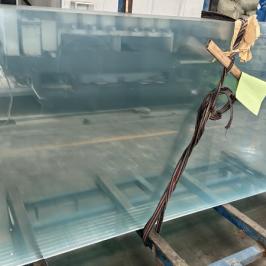
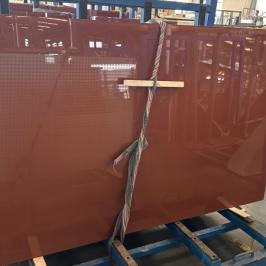
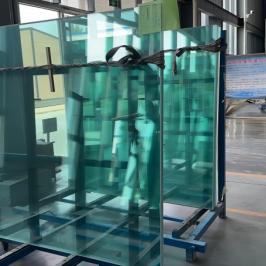
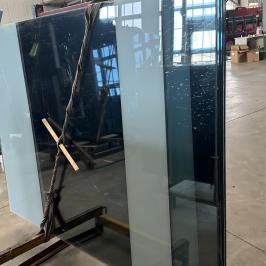
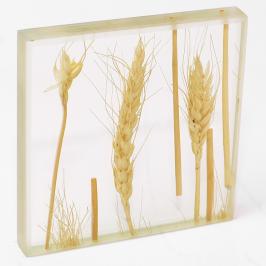
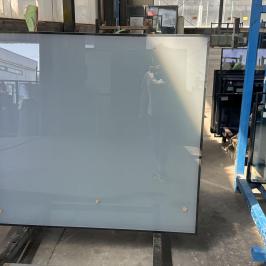
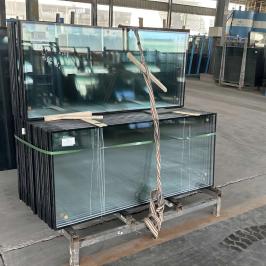
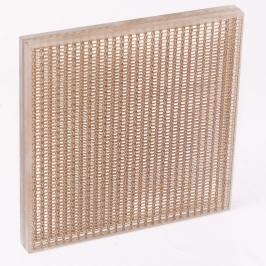
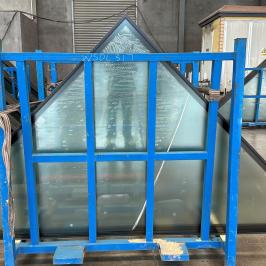
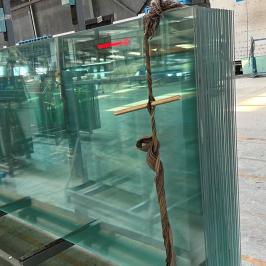
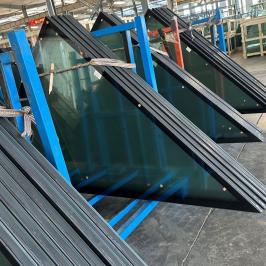
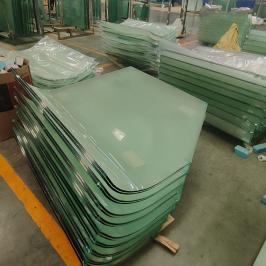
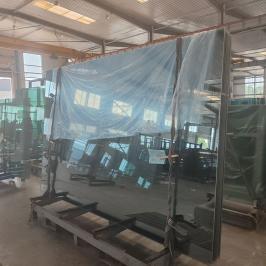
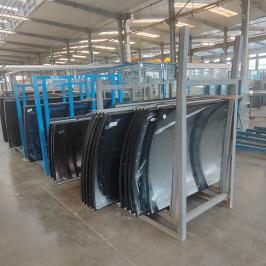
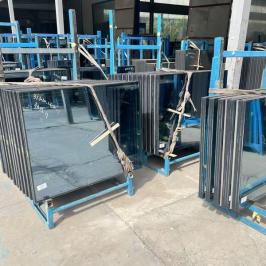
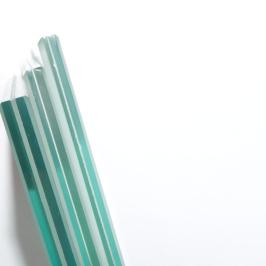
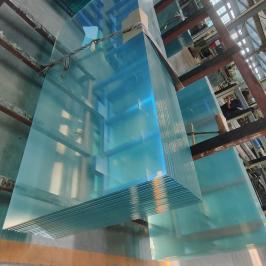
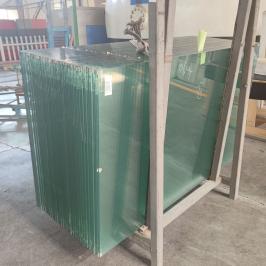
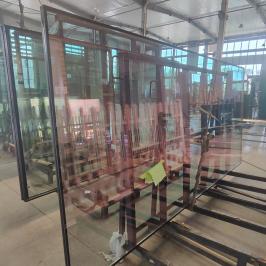
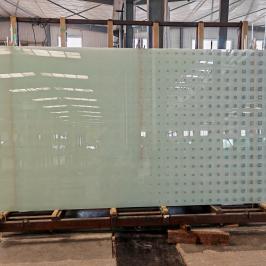
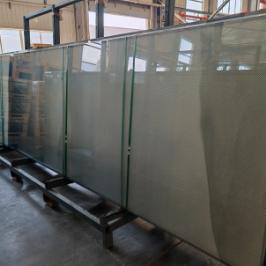
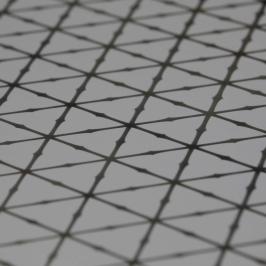
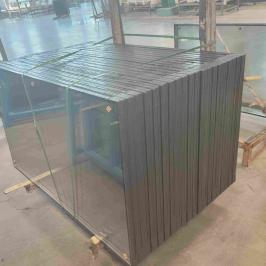
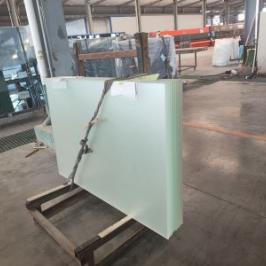
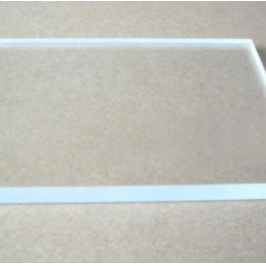
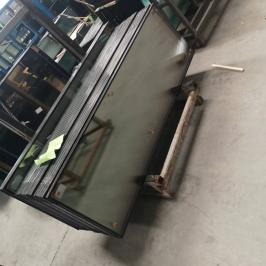
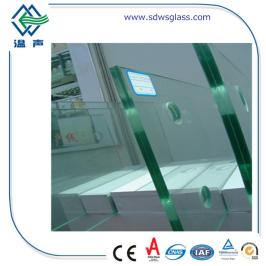
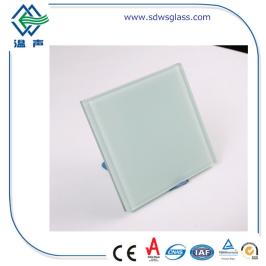
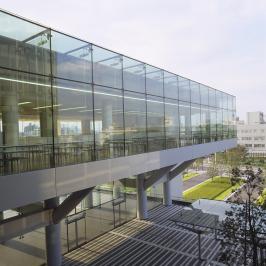
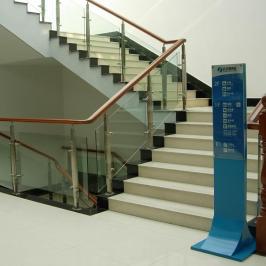
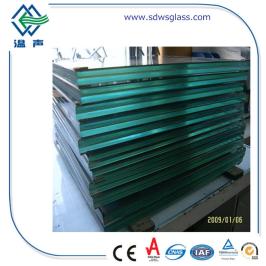

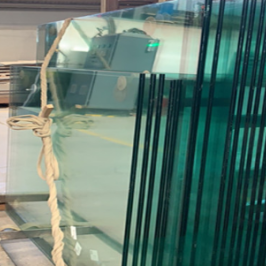
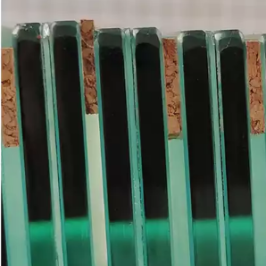
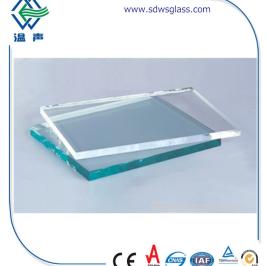
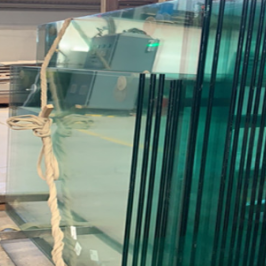
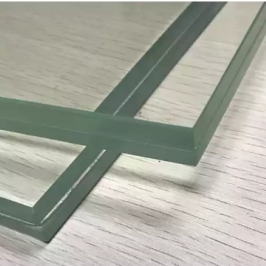
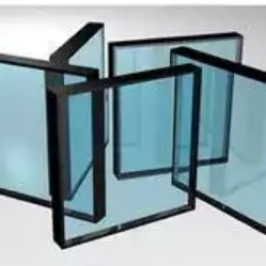
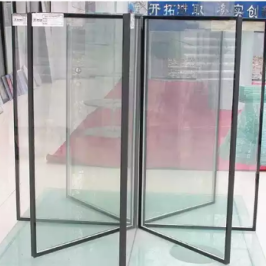
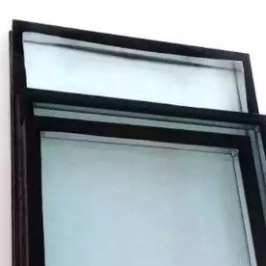
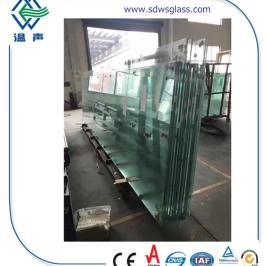
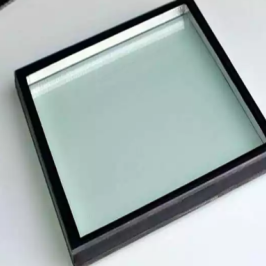
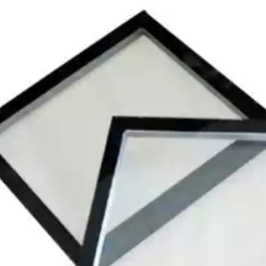
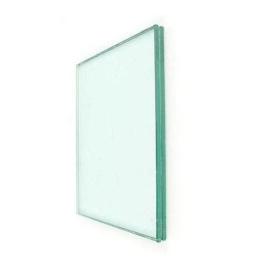
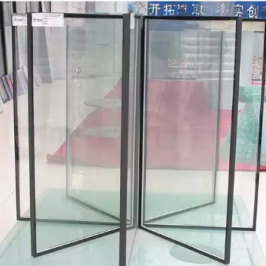
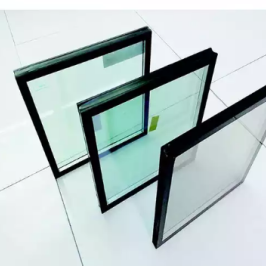
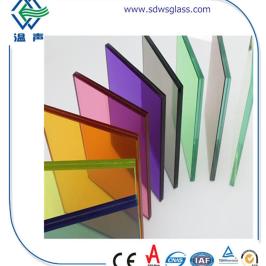
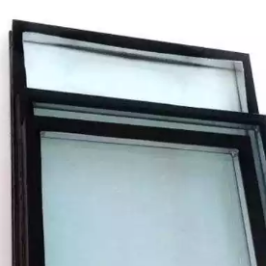
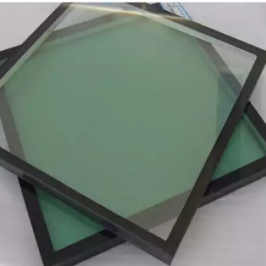
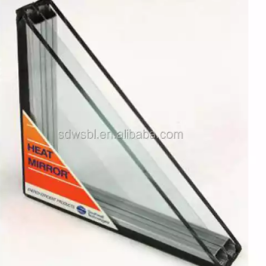

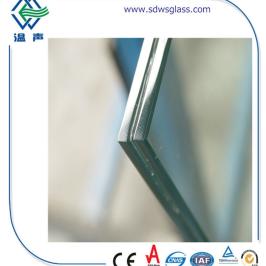
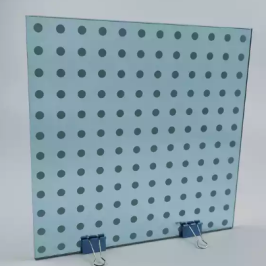
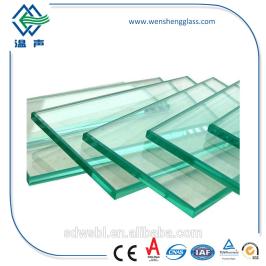
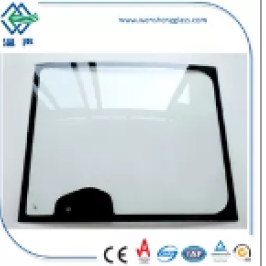

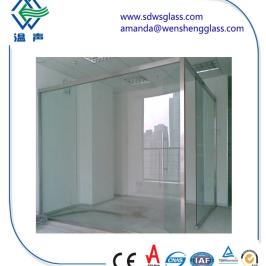
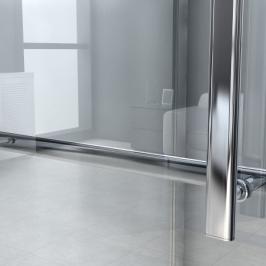
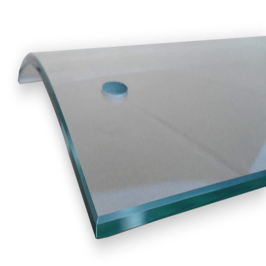
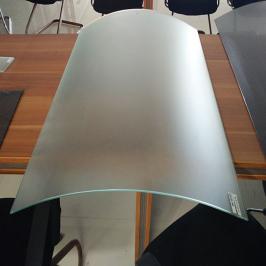

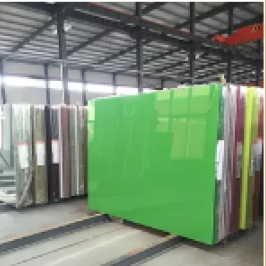
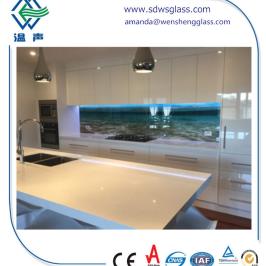
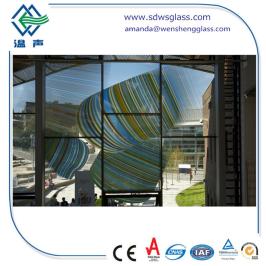
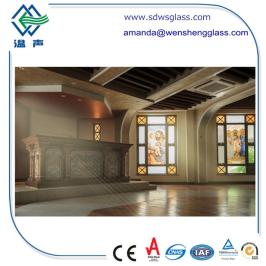
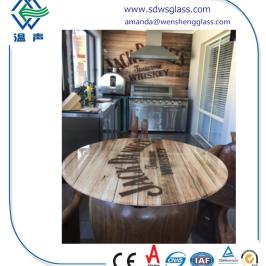
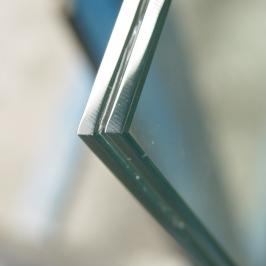
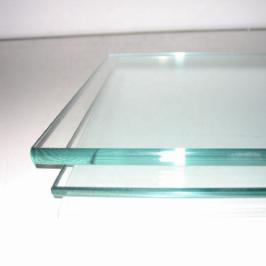
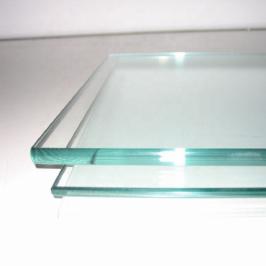
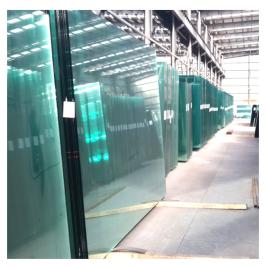
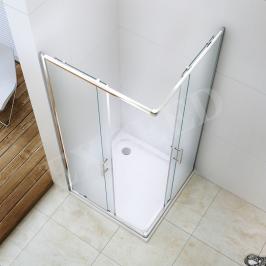
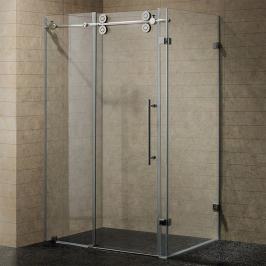






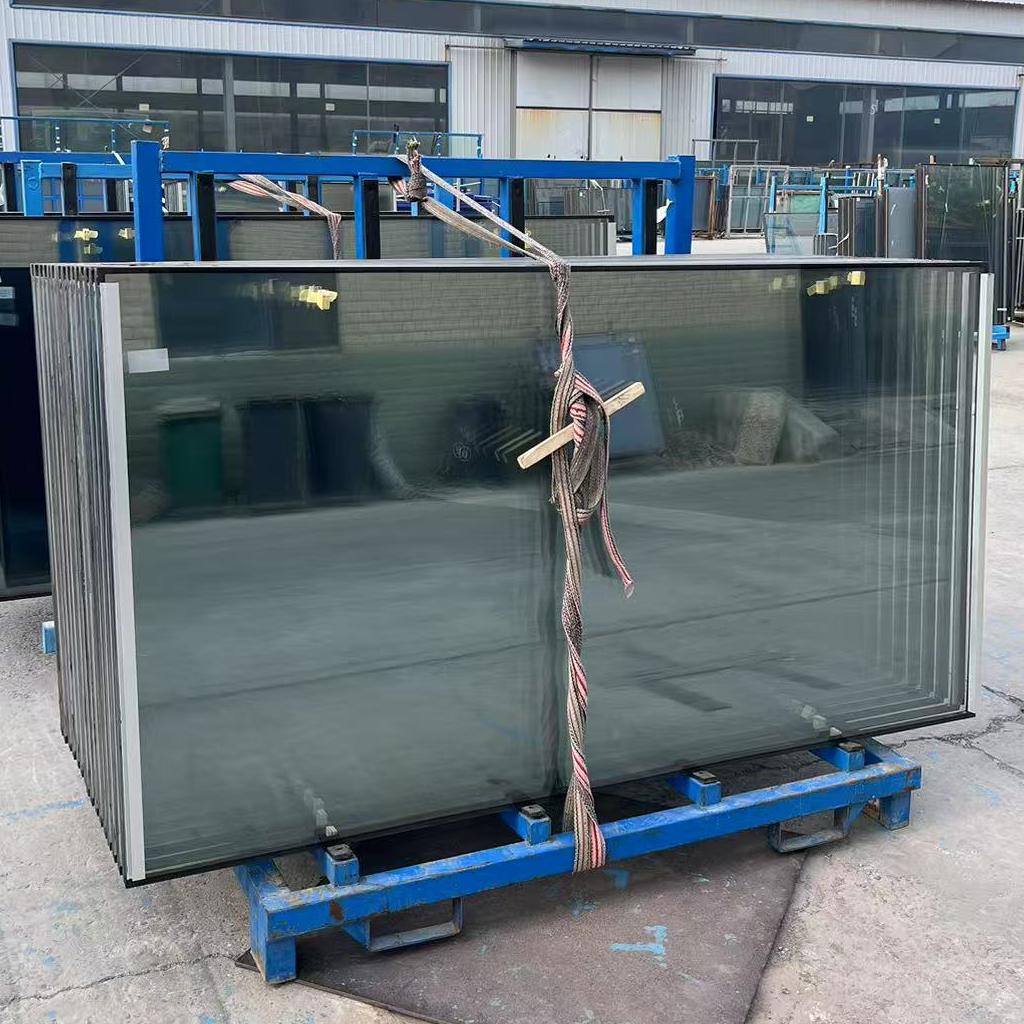
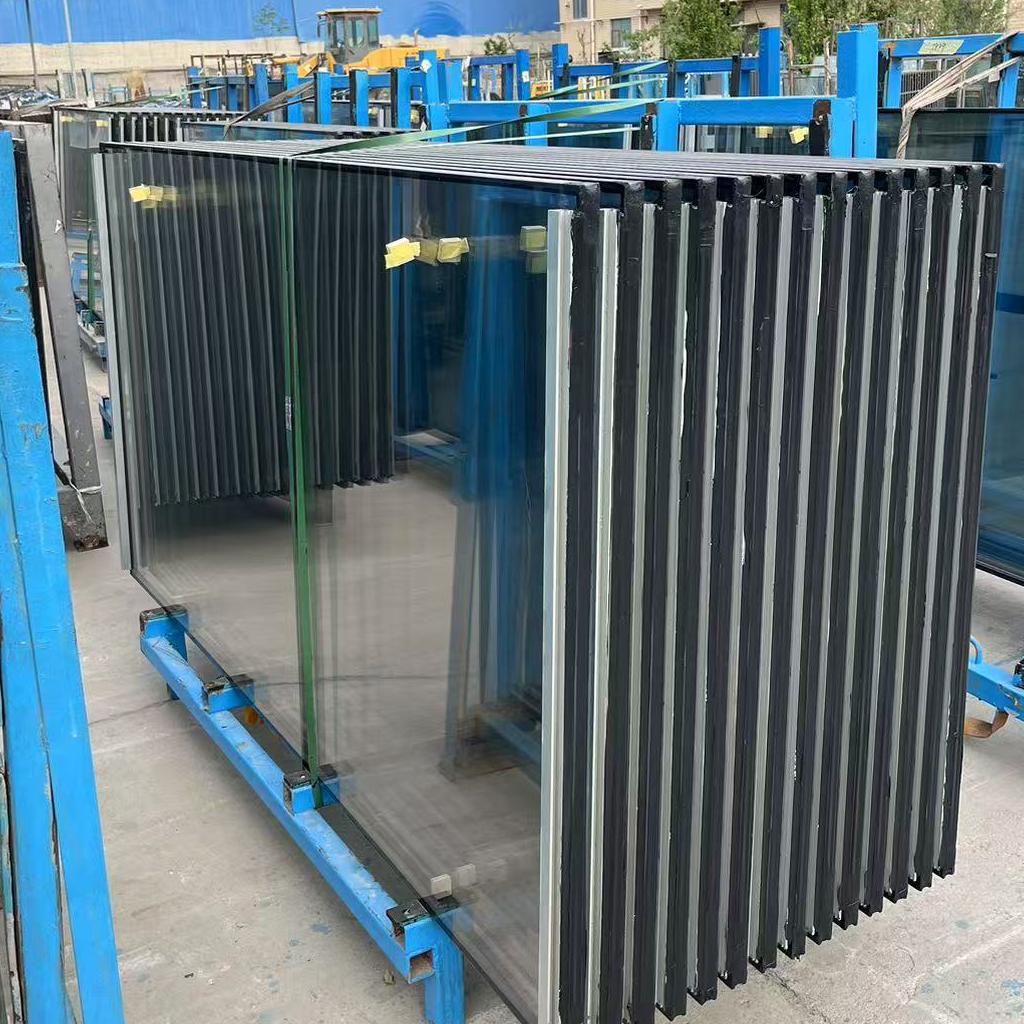
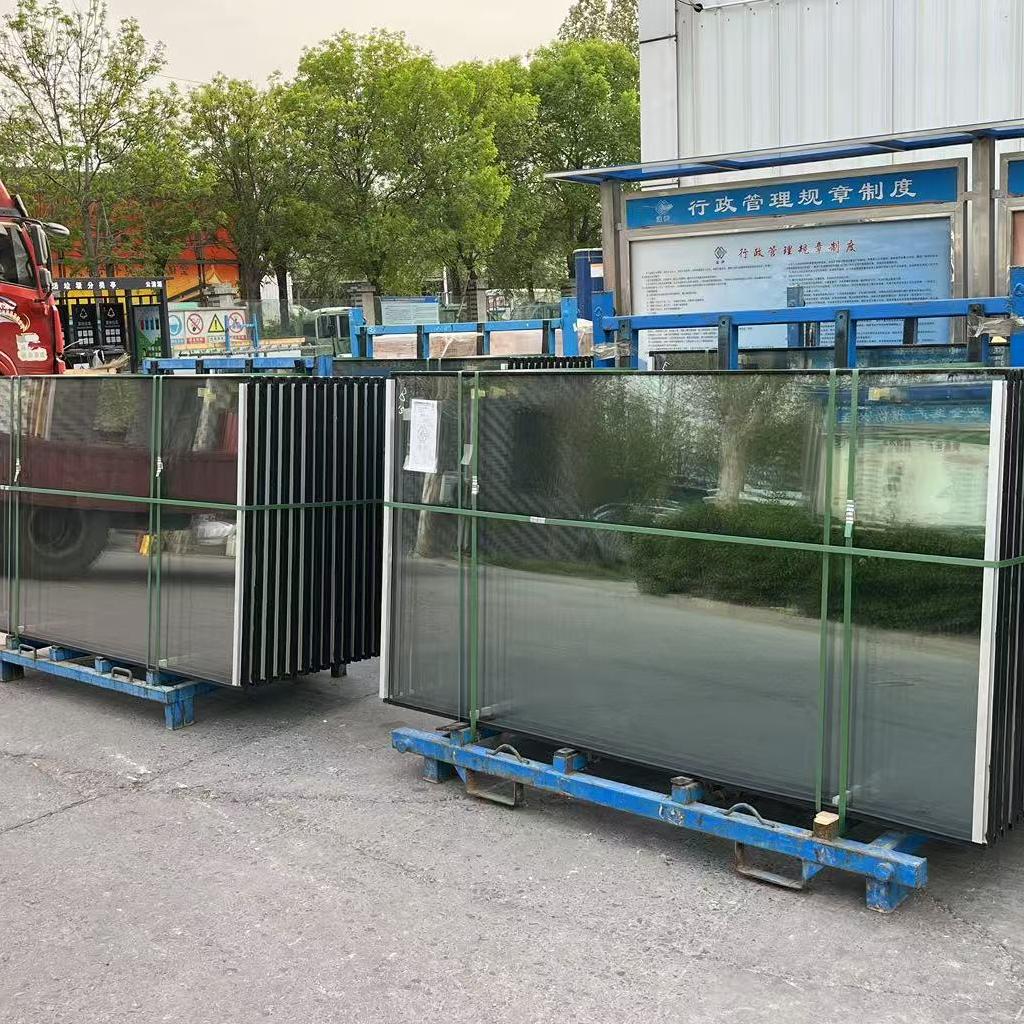
Premium Double Glazed Glass Solutions
📞 Contact Us
📧 Email : intl@wenshengglass.com
📱 WhatsApp / Phone: +86 188 6688 9570
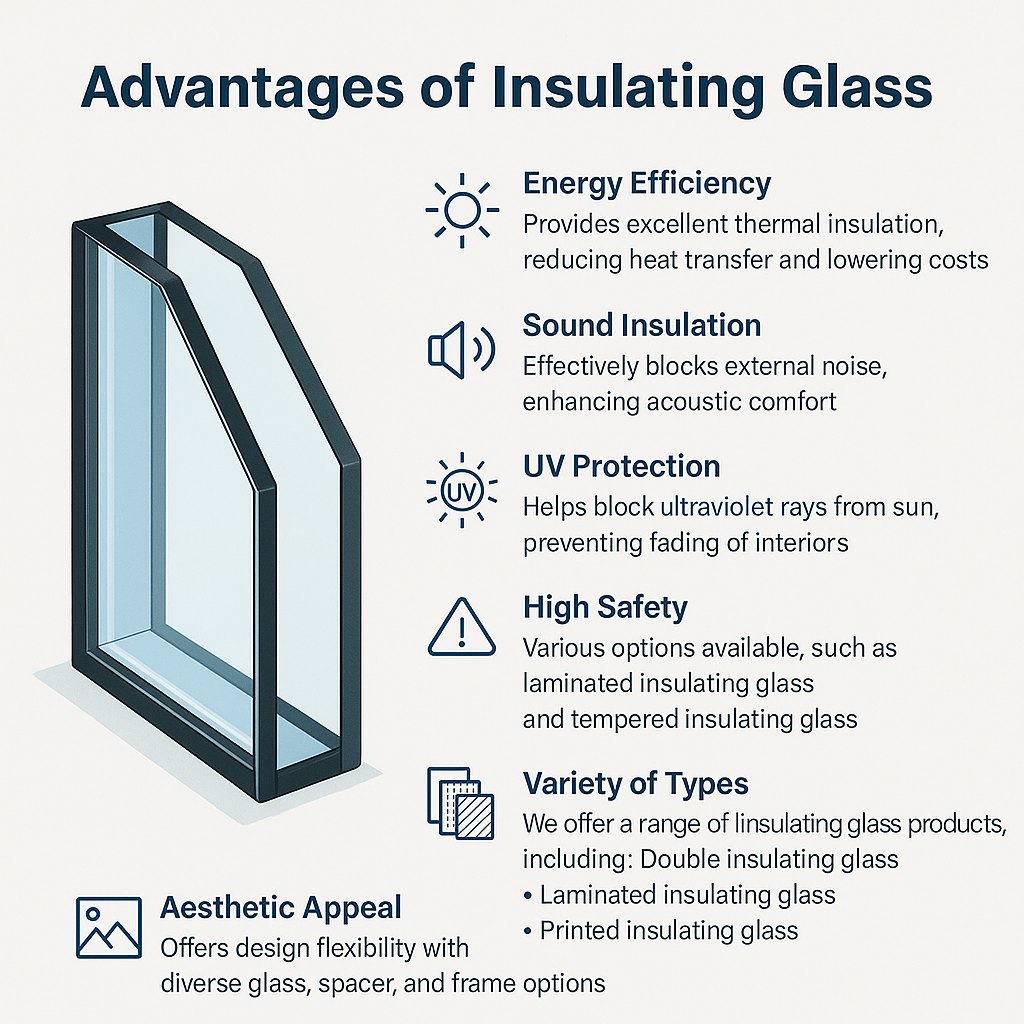
Advantages of Insulating Glass
1. Types of Insulating Glass
We offer a variety of insulating glass options to meet diverse architectural, thermal, and aesthetic requirements:
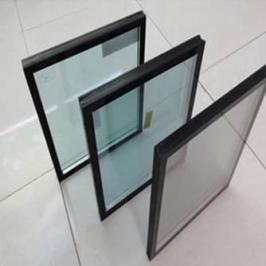
Double-Pane Insulating Glass – The most common structure, ideal for residential and commercial use, offering excellent thermal and sound insulation.
Tempered Insulating Glass – Adds safety and durability by combining tempered panes, often used in high-rise buildings.
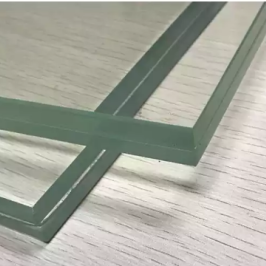
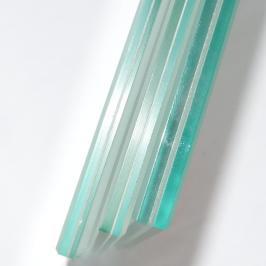
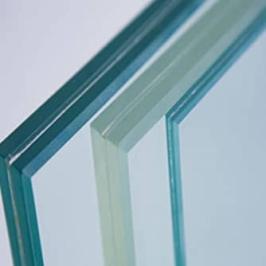
Laminated Insulating Glass – Combines safety interlayers with insulation, suitable for areas requiring both security and energy efficiency.
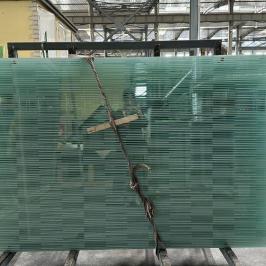
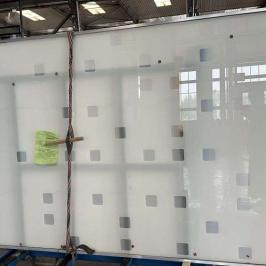
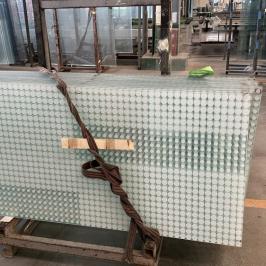
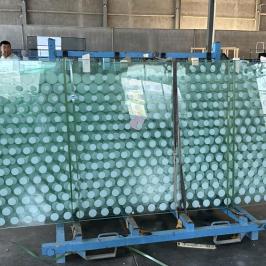
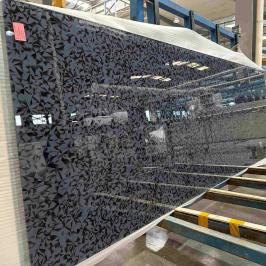
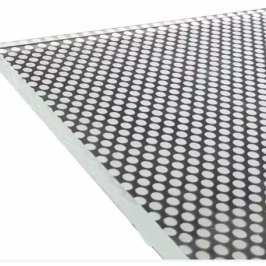
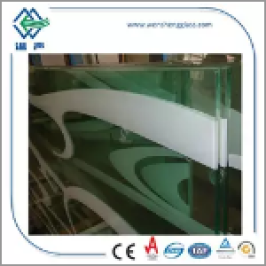
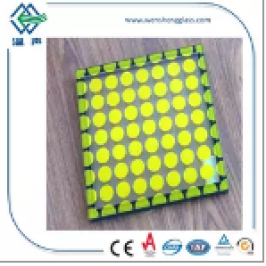
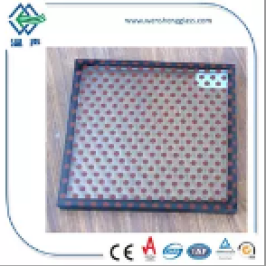
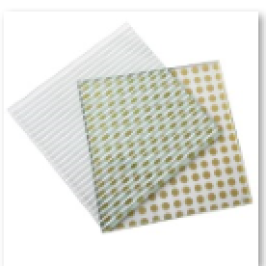
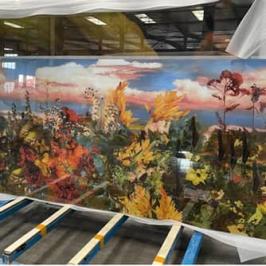
Printed Insulating Glass – Integrates decorative or functional patterns for branding or design customization.
Low-E Insulating Glass – Features a low-emissivity coating to reduce infrared and ultraviolet light transmission, maximizing energy savings.
Triple-Glazed Insulating Glass – Offers superior insulation and noise reduction performance, used in extreme climates or premium constructions.
2. Energy Efficiency
The sealed air or inert gas layer between glass panes significantly reduces heat transfer, maintaining indoor temperature and lowering HVAC energy consumption year-round.
3. Sound Insulation
Insulating glass effectively minimizes noise transmission from outside, creating a quieter indoor environment—especially beneficial in urban, airport, or roadside locations.
4. UV Protection
Low-E and laminated options can block a large percentage of harmful ultraviolet rays, protecting interior furnishings, artworks, and human skin from UV-related damage.
5. Safety and Security
When combined with laminated or tempered glass, insulating units provide both thermal performance and high-impact resistance, ensuring structural safety and personal protection.
6. Condensation Resistance
By maintaining a stable internal temperature and reducing humidity transfer, insulating glass minimizes the risk of condensation forming on interior surfaces.
7. Aesthetic Flexibility
Available with multiple color tints, decorative grids, spacers, and coatings, insulating glass enhances building design without compromising function.
Product Details
Say goodbye to foggy, dripping windows in winter. Insulating glass maintains a much warmer interior glass surface compared to single-pane windows. This drastically reduces the "dew point" inside, preventing uncomfortable and damaging condensation that can lead to mold and mildew growth on your window sills and frames.
| Parameter class | Parameter Name | Standard Values | Description |
| Thermal Performance | U-value (W/m²·K) | Standard Double Glazing: 2.8~3.2 Low-E Double Glazing: 1.6~2.0 Argon Filling: ↓0.1~0.3 | Lower values indicate better thermal insulation |
| SHGC (Solar Heat Gain Coefficient) | Clear Glass: 0.7~0.8 Low-E Glass: 0.25~0.40 | Lower values reduce solar heat gain | |
| VLT (Visible Light Transmittance) | Clear Glass: 85%~90% Low-E Glass: 70%~80% Frosted Glass: 50%~60% | Affects indoor lighting brightness | |
| VLR (Visible Light Reflectance) | Clear Glass: 8%~12% Low-E Glass: 15%~25% | Higher reflectance reduces glare | |
| Acoustic Performance | Rw (Weighted Sound Reduction Index, dB) | 6mm Single Glass: 31 6+12+6 Double Glazing: 34 10+12+6 Double Glazing: 36 6+12+6.5 Laminated Glass: 38 | The higher the value, the stronger the sound insulation effect |
| Structural Parameters | Glass Thickness Combinations (mm) | 4+4, 5+5, 6+6, 10+6, 6+6.5 (laminated) | Optimize sound insulation/load-bearing |
| Spacer Material | Aluminum (high thermal conductivity) TPS Thermoplastic (warm edge) Stainless Steel (corrosion-resistant) | Warm edge spacers ↓U-value by 0.1~0.2 | |
| Spacer Width (mm) | 6, 8, 10, 12, 14, 16, 18, 20 (2mm increments) | Wider spacers ↑ insulation but ↑ weight | |
| Gas Filling | Air (standard) Argon (recommended, ↑U-value by 10%~15%) Krypton (premium, ↑U-value by 15%~20%) | Inert gases reduce thermal convection | |
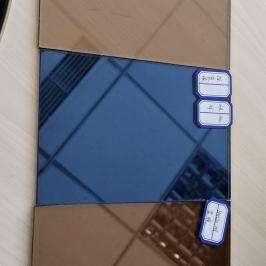
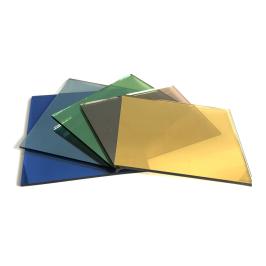
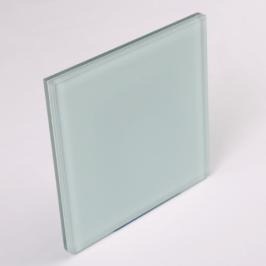
| Glass Types | Basic Types | Clear Float, Low-Iron, Tinted (Gray/Blue/Green), Frosted, Patterned | Light transmittance of low iron glass ↑5%~10% |
| Functional Glass | Hard-coated Low-E (U-value 1.8~2.2) | Soft coating requires inner layer protection | |
| Soft-coated Low-E (U-value 1.6~1.8, requires inner protection) | |||
| Laminated Glass (anti-breakage/sound insulation) | |||
| Dimensions | Min. Size | 300×300 mm | Most sizes customizable |
| Max. Size | 3300×13000 mm | ||
| Sealing Process | Primary | Butyl Sealant | Gas leakage prevention (bonds spacers) |
| Secondary | Polysulfide (aging-resistant) | Silicone is suitable for high temperature areas | |
| Silicone (high-temperature areas) | |||
| Polyurethane (high strength) | |||
| Edge Design | Warm Edge Spacers | U-value Reduction vs. Aluminum↓0.1~0.2 | Recommended For High humidity areas |
| Condensation Risk30%~50% | |||
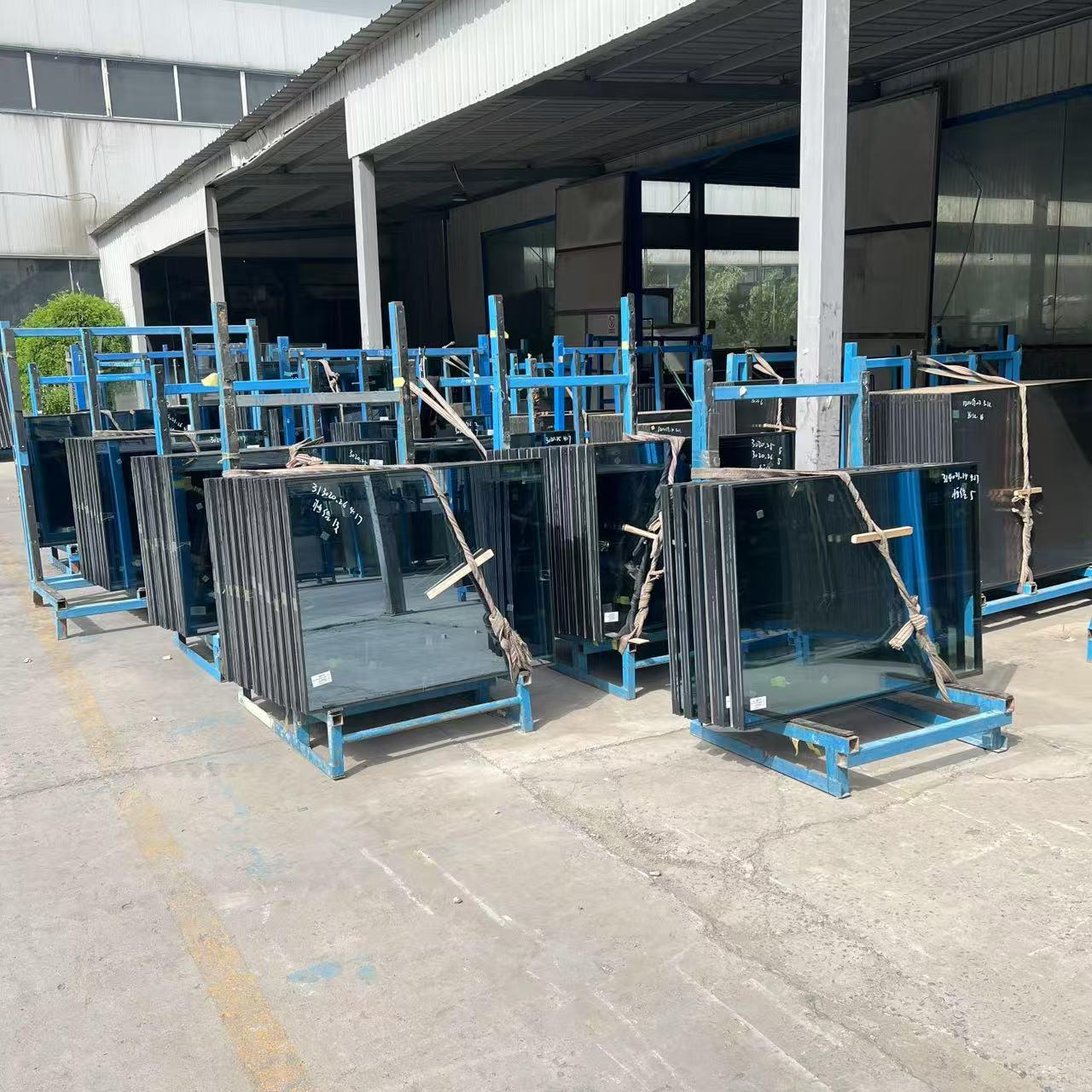
| Production Capacity | Daily Output: 14,000 m²/day Expedited Capacity: 20,000 m²/day | ||
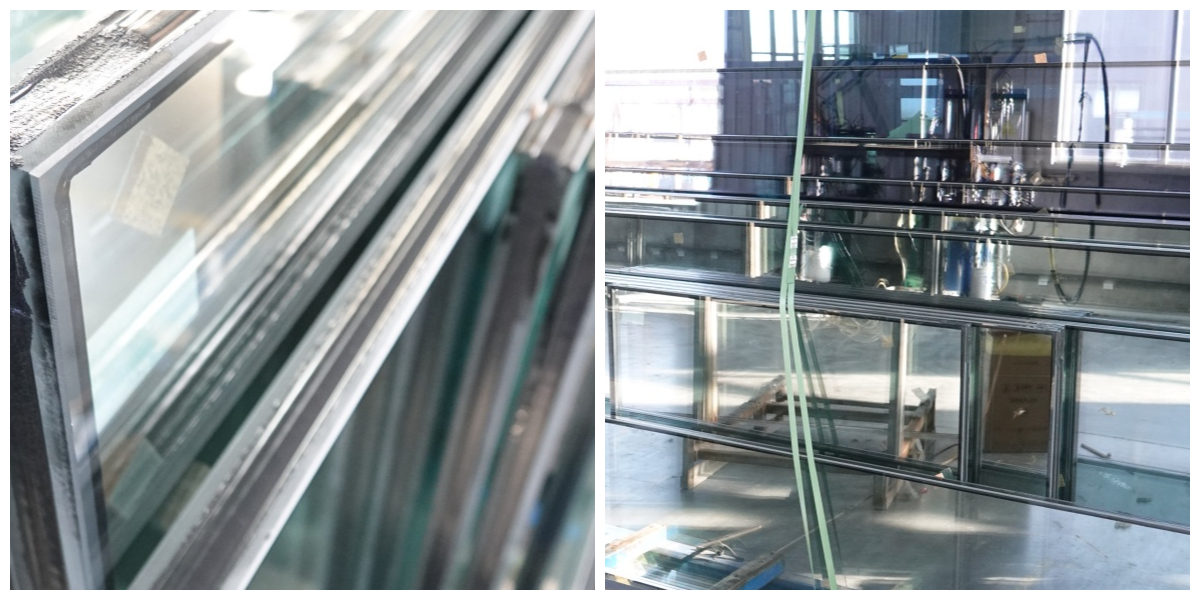
Our double-glazed windows are a core upgrade for energy-conscious projects. The insulating airspace acts as a buffer against outdoor temperatures, directly reducing the workload on your HVAC system. This leads to substantially lower utility bills and a smaller carbon footprint, making it a smart, cost-effective investment.
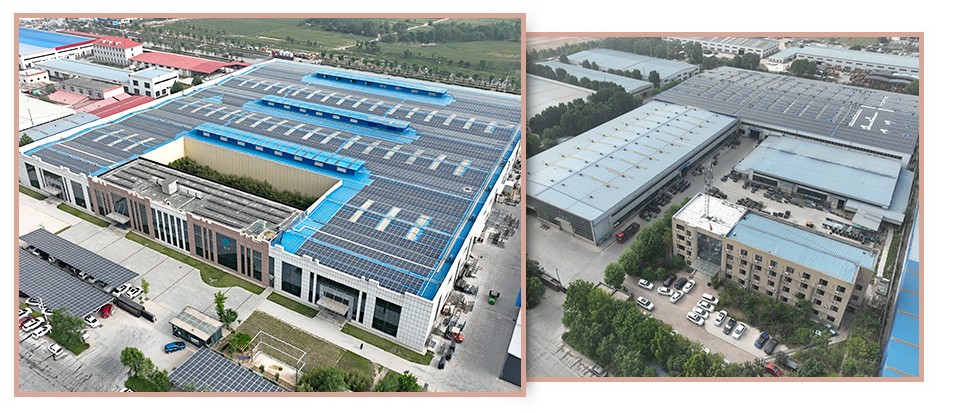
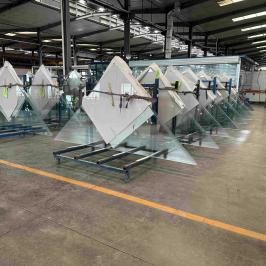
Our production excellence is powered by a synergistic dual-plant network. This strategic asset provides a robust foundation for supply chain resilience and client-focused responsiveness.
What This Means for Clients:
Mitigated Risk & Assured Capacity: The collaborative two-base model is a core risk mitigation strategy. It ensures redundant capacity, prevents production bottlenecks, and provides a reliable solution for maintaining steady supply even during peak demand or unexpected events.
Rapid Reaction to Market Needs: Our infrastructure is designed for swift action. The ability to coordinate and re-route production between facilities means we can react promptly to urgent requests, offering clients a vital partner for navigating dynamic market conditions and tight deadlines.
Seamless, Standardized Output: We deliver a consistent client experience through standardized operations. Both manufacturing centers adhere to the same high-performance benchmarks, guaranteeing that product specifications, quality, and performance are uniform, order after order.
Efficient Scale with Custom Focus: This approach allows for specialization without sacrificing efficiency. We can achieve the economies of scale for standard product lines while simultaneously dedicating focused resources to bespoke, engineered-to-order projects.
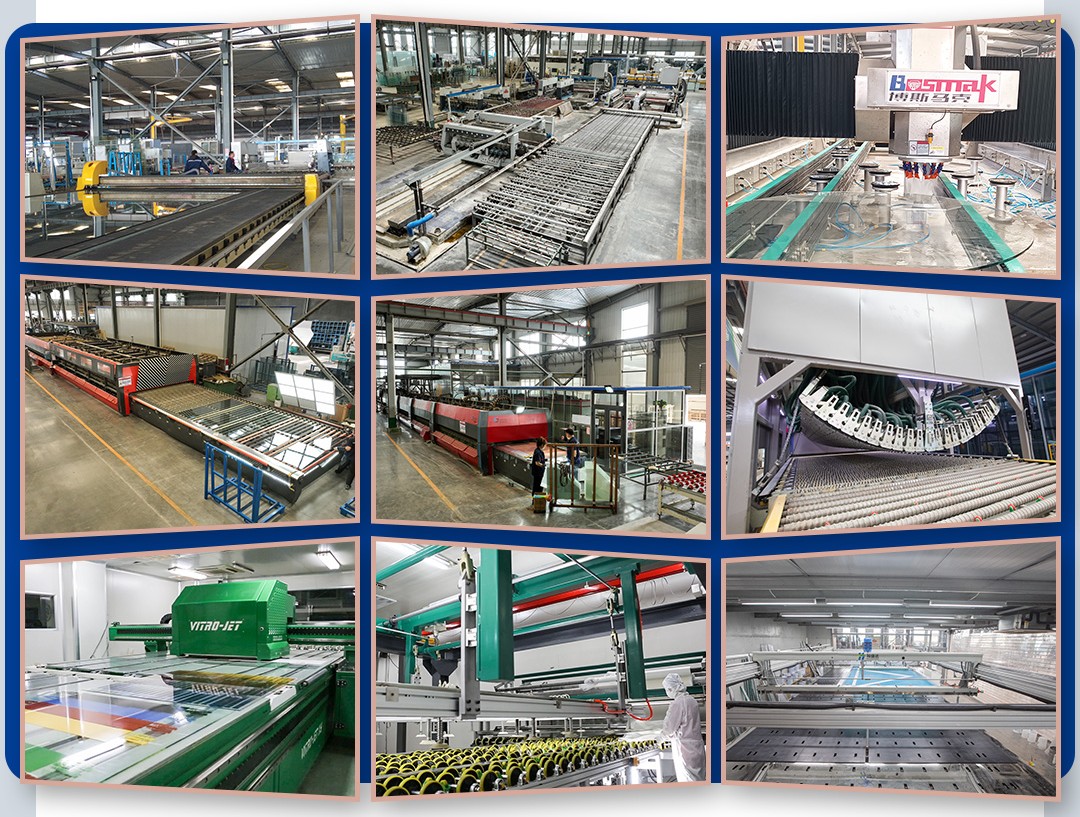
Our core advantage is built upon a strategically integrated dual-production-base model, which delivers exceptional operational resilience, flexibility, and responsiveness.
Key Strengths:
Strategic Capacity & Risk Management: The collaborative operation of two facilities allows for intelligent allocation of production and materials. This optimizes overall capacity, manages demand fluctuations, and creates a reliable supply chain buffer, significantly mitigating delivery risks associated with single-site disruptions.
Expedited Response to Urgent Needs: Our network enables rapid mobilization for priority or short-lead-time orders. Through real-time coordination, we can swiftly re-allocate resources to expedite fulfillment, helping clients seize critical market opportunities.
Consistent Quality & Unified Standards: Both facilities operate under identical, stringent quality management systems and technical protocols. This guarantees consistent product quality and craftsmanship regardless of production site, simplifying our clients' supply chain oversight.
Scale & Customization Balance: This model allows us to effectively balance high-volume standard production with specialized, customized projects. One base can focus on efficient scale, while the other handles complex, low-volume orders, offering clients both versatility and efficiency.
In essence, our dual-base system is a synergistic, intelligent supply ecosystem. It translates into tangible client value: greater delivery reliability, enhanced flexibility, and faster market response.
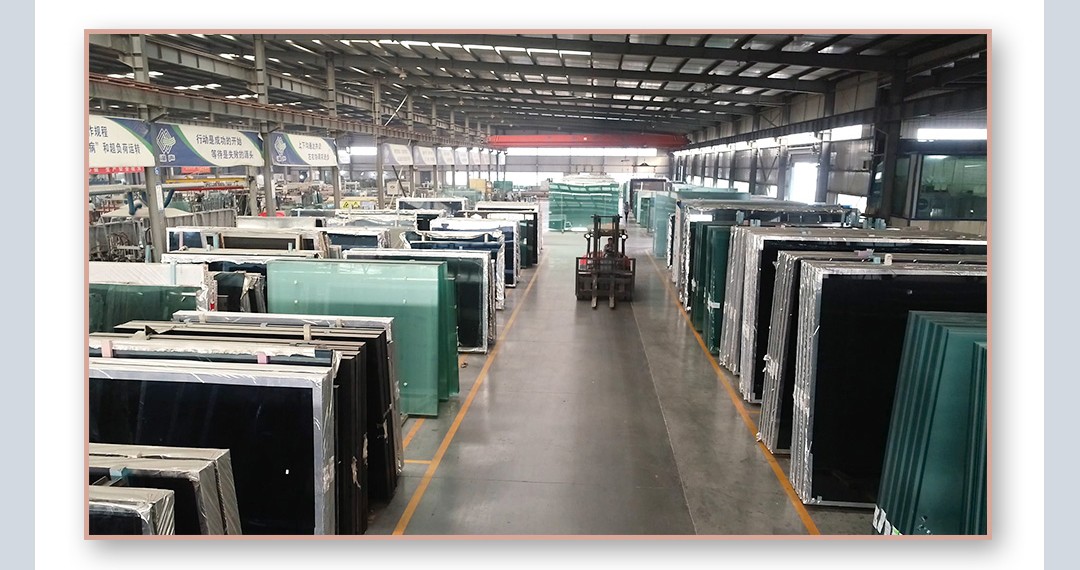
We have established direct procurement channels with premier glass substrate producers in China. This approach allows us to oversee material quality from the source and maintain a steady, predictable supply. As a result, we can offer clients greater transparency, reduce lead time variability, and ensure that every piece of glass meets our stringent standards before processing even begins.
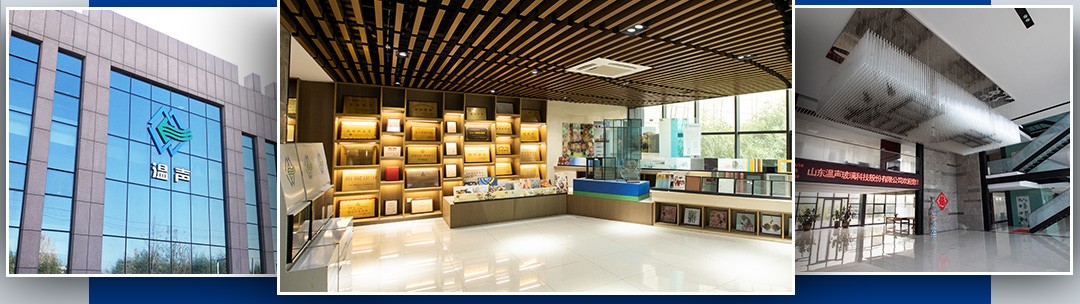
To safeguard production continuity and quality consistency, we have established a dual-supplier backup protocol for key non-glass materials. This proactive contingency planning means we are never reliant on a single source. The mechanism enhances our purchasing leverage for better quality control, minimizes exposure to supply chain volatility, and ultimately translates into a more dependable and resilient supply chain for our customers' projects, from initiation to final delivery.
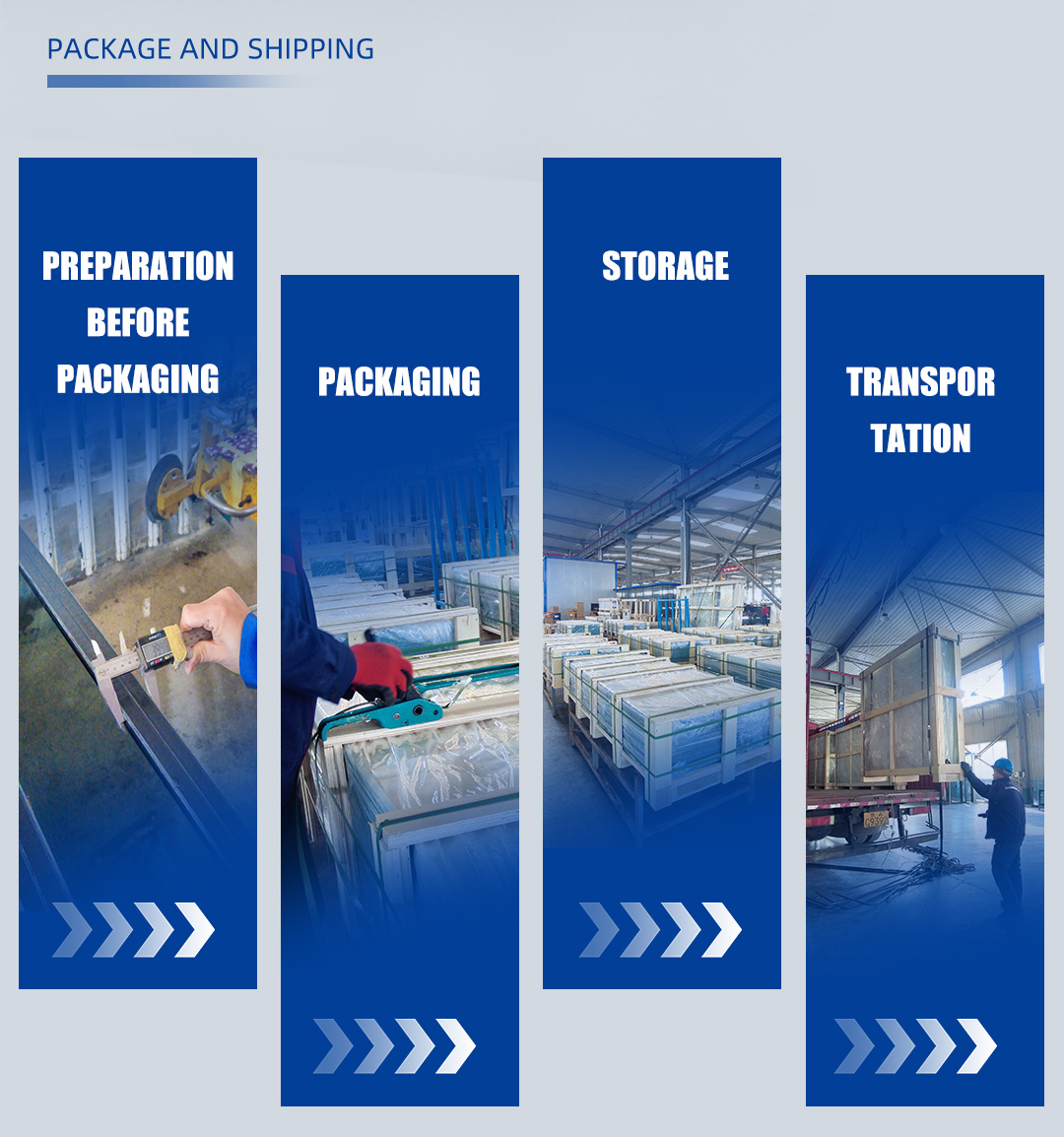
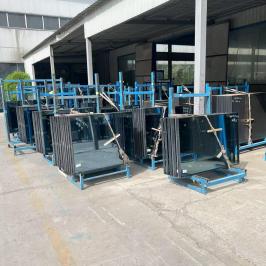
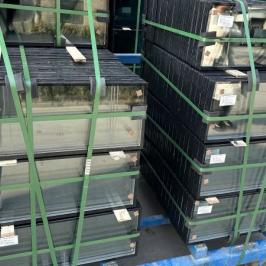
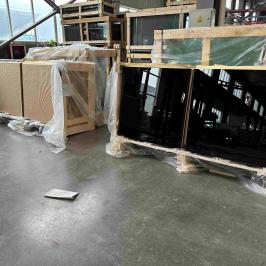
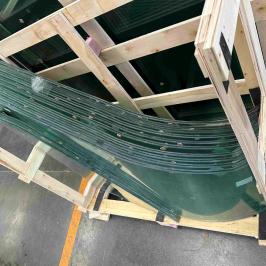
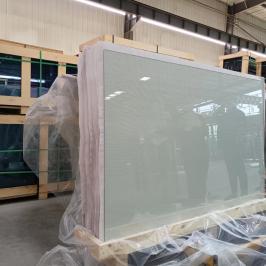
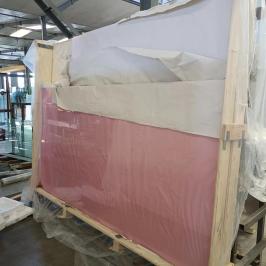
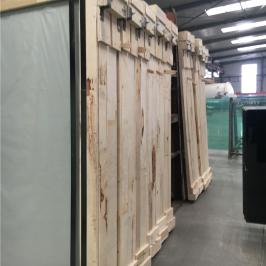
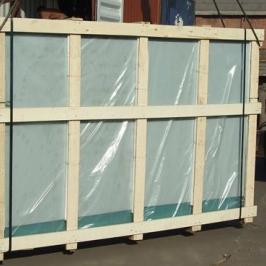
From preparation to delivery, we follow a clearly defined shipping protocol focused on care and reliability. Every piece undergoes a final quality check and is carefully cleaned before being wrapped with edge protectors and protective film. Using sturdy, weather-resistant crates or customized wooden cases, we pack the glass to prevent movement and damage. Once securely packed, orders are staged in our warehouse under controlled conditions. We manage transportation through vetted carriers specializing in glass transport, ensuring your shipment arrives safely, on schedule, and in perfect condition.


Send your message to us
Related Products

Submitted successfully
We will contact you as soon as possible
Close