- Tempered Glass
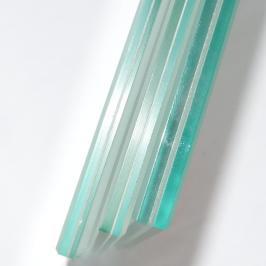
- Laminated Glass
- Tempereed Laminated Glass
- Insulating Glass
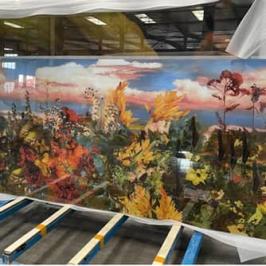
- Silk Screen Printing Glass
- Ceramic Digital Printing Glass
- Curved Glass
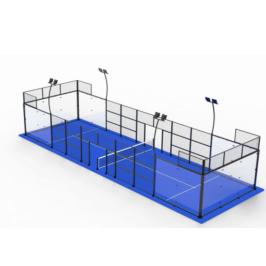
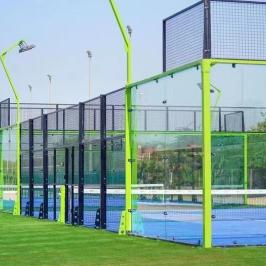
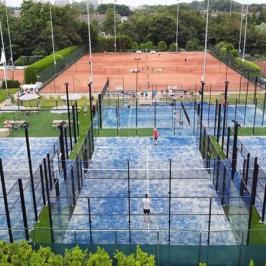
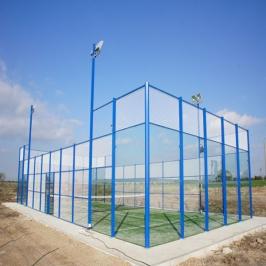
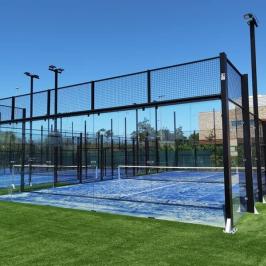
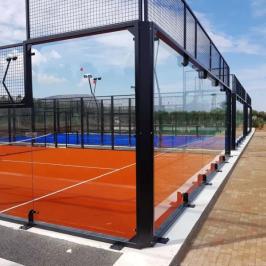
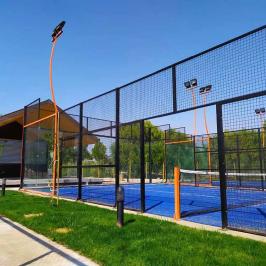
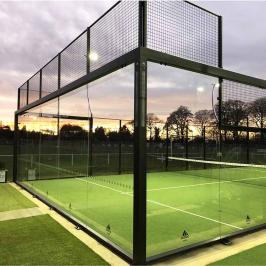
- Padel Glass
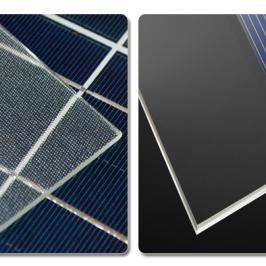
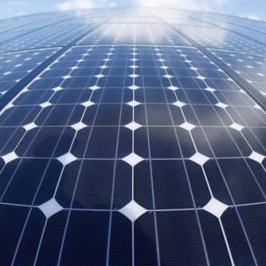
- Solar Panel Glass
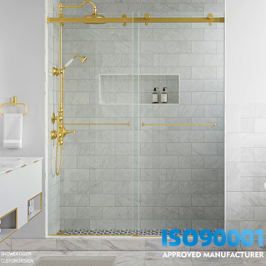
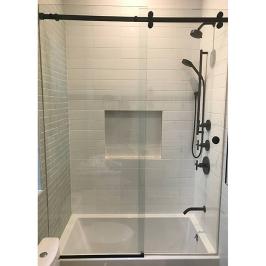
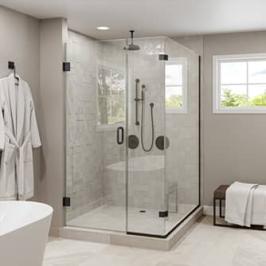
- Shower Glass
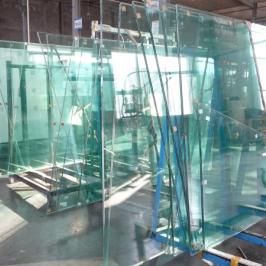
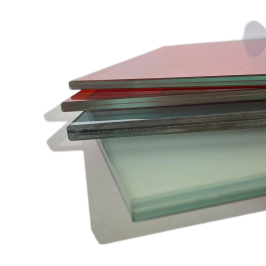
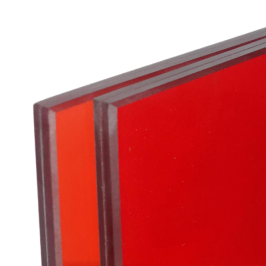
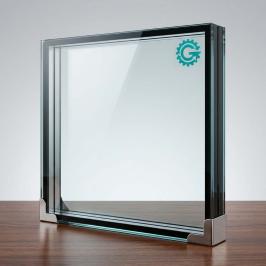

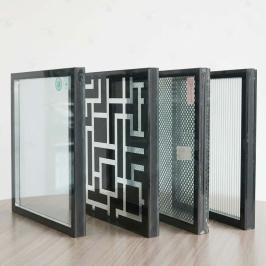
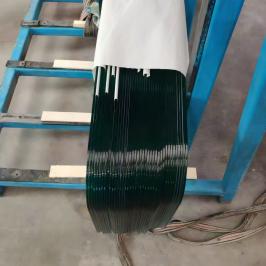
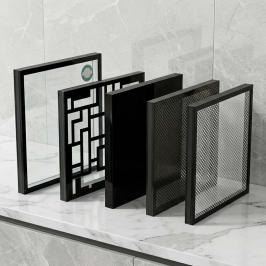
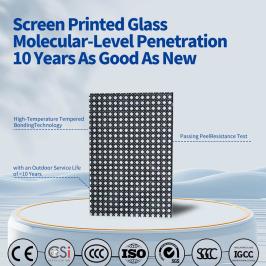
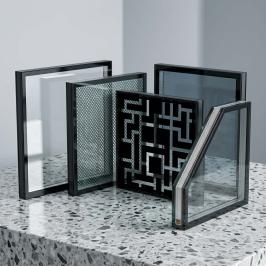
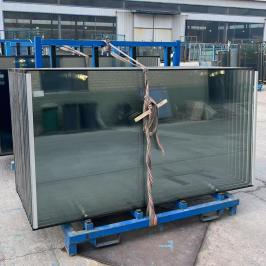
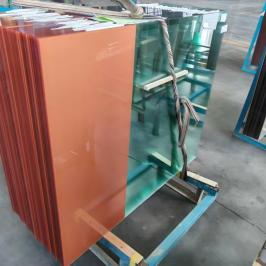
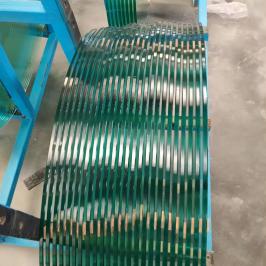
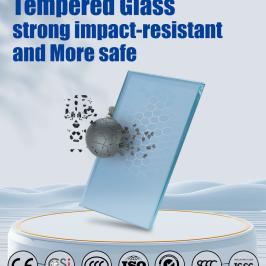
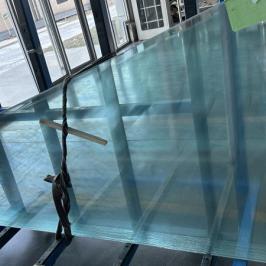
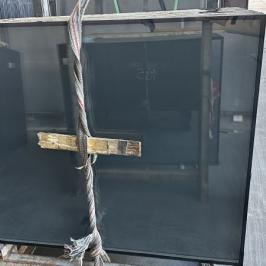
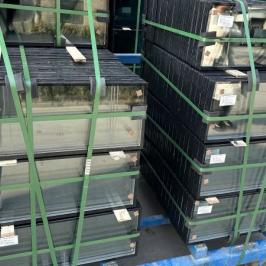
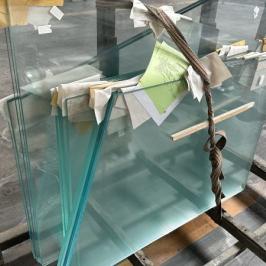
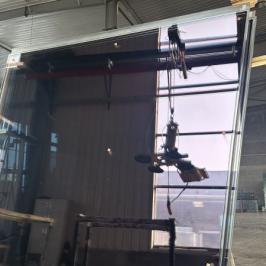
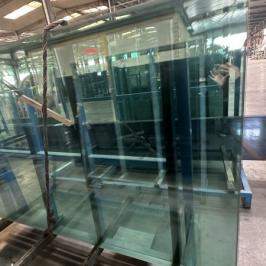
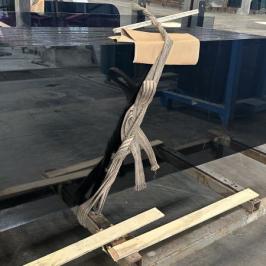
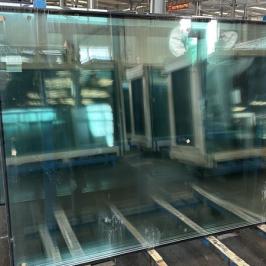
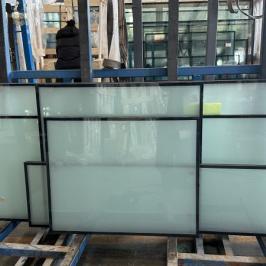
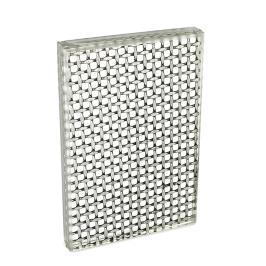
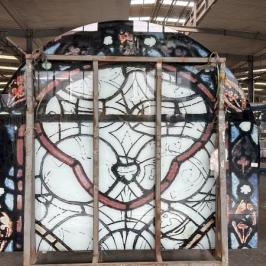
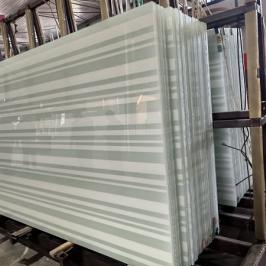
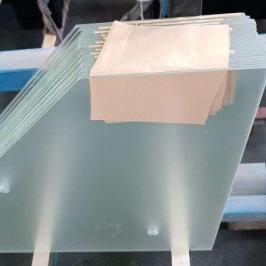
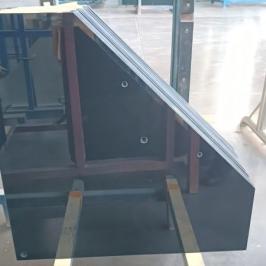
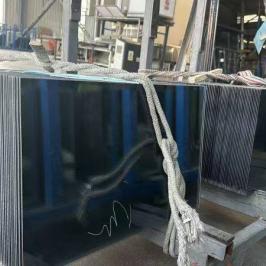
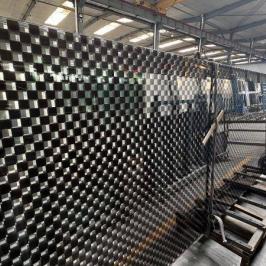
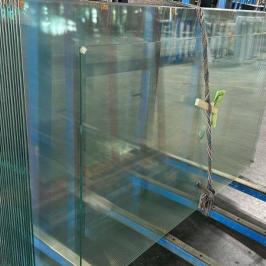
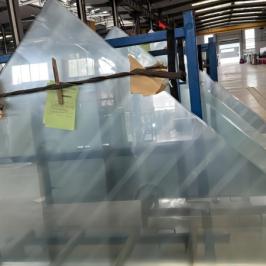
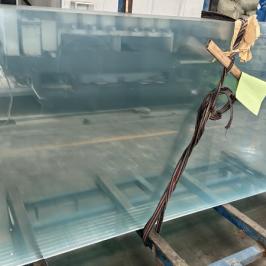
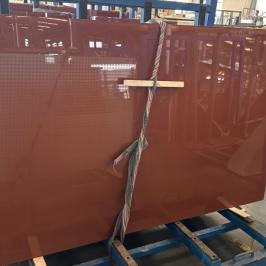
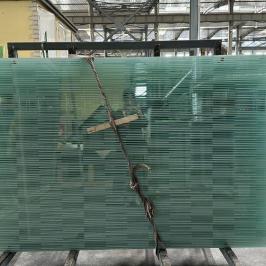
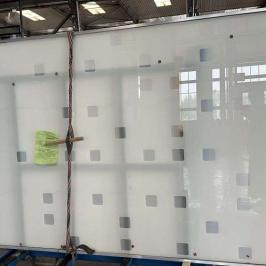
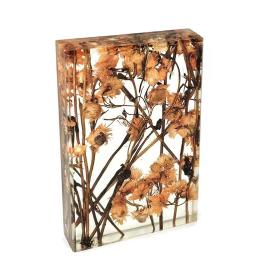
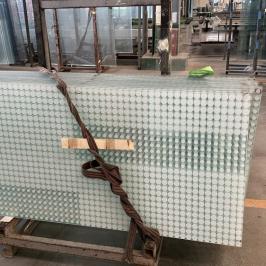
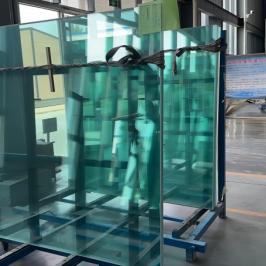
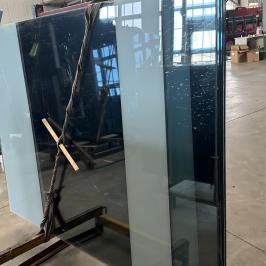
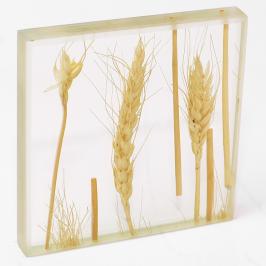
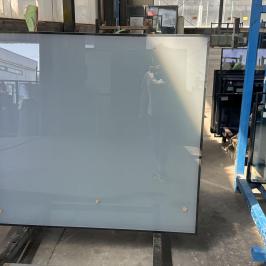
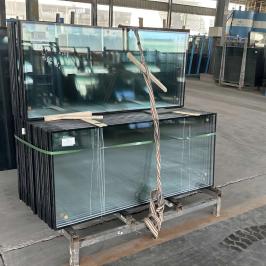
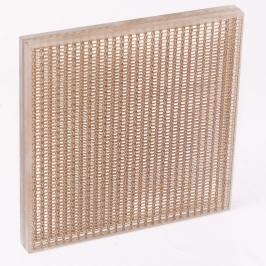
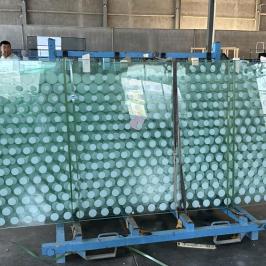
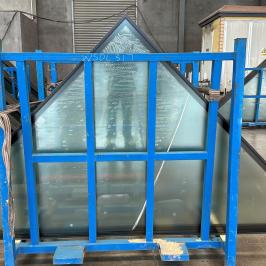
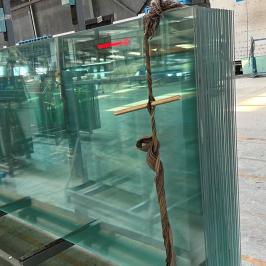
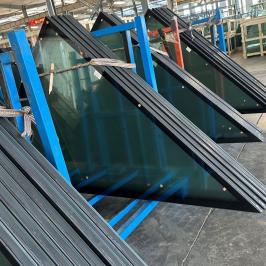
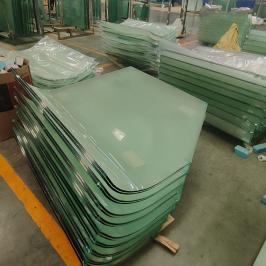
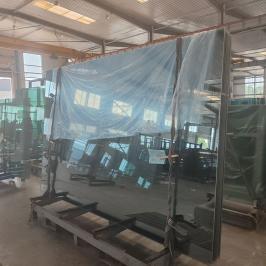
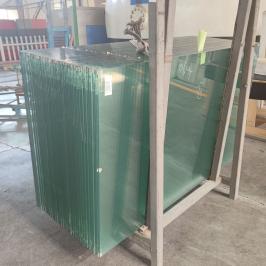
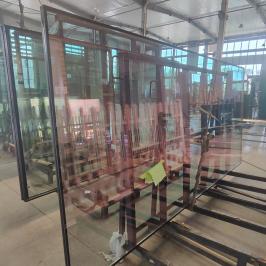
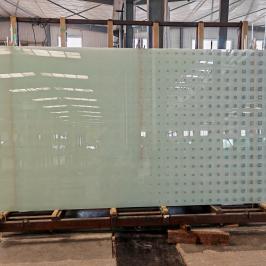
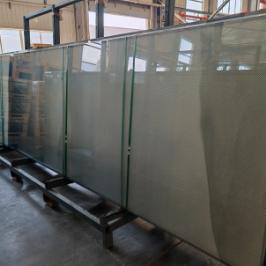
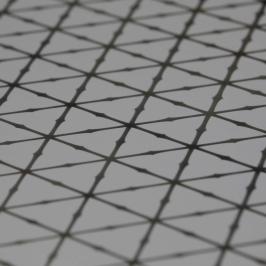
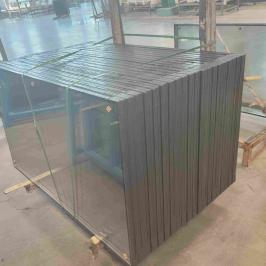
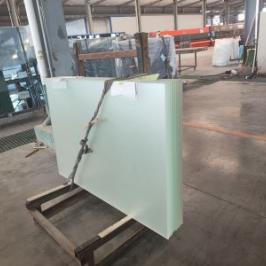
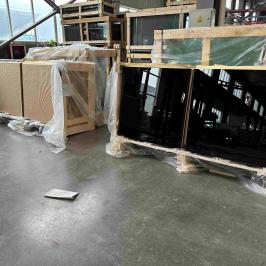
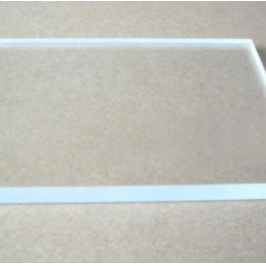
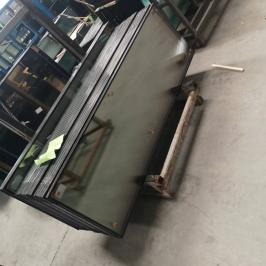
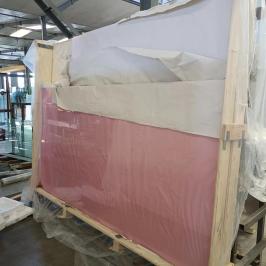
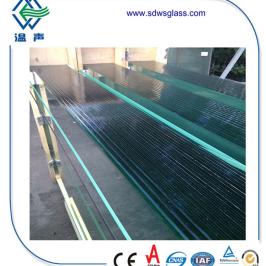
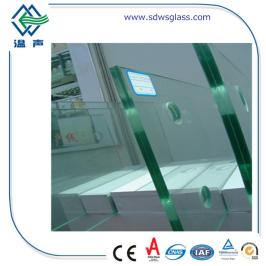
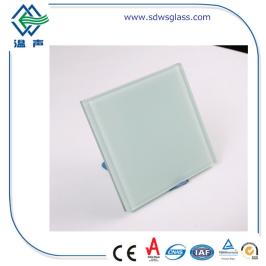
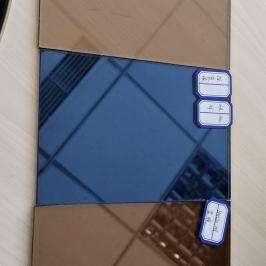
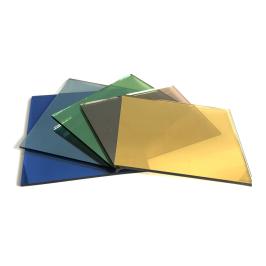
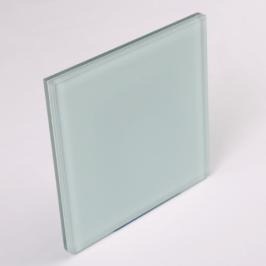
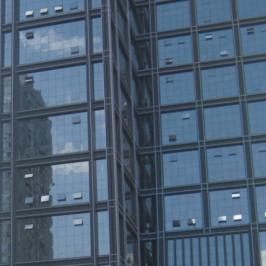
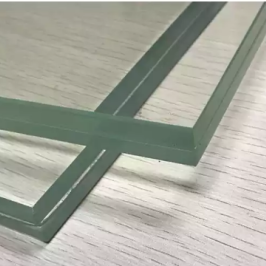
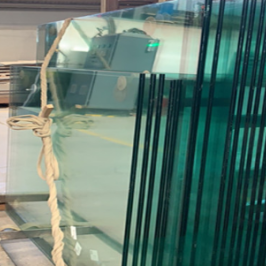
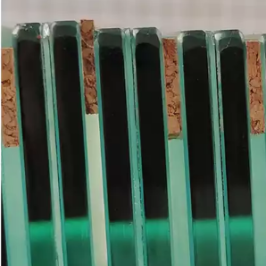
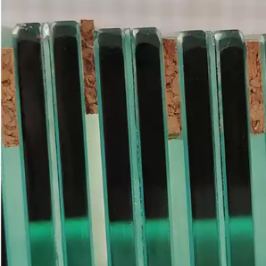
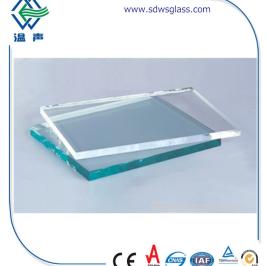
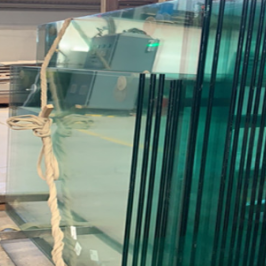
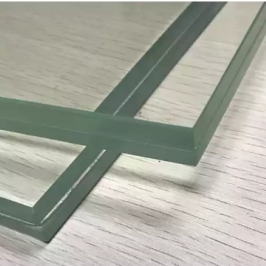
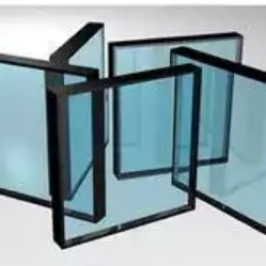
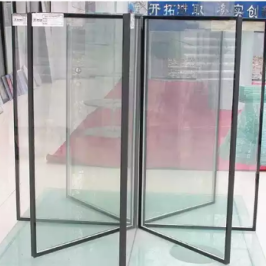
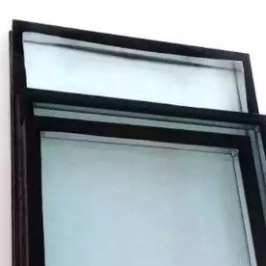
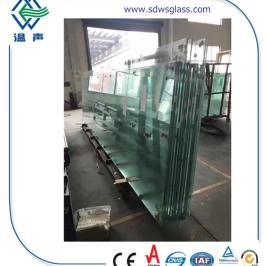
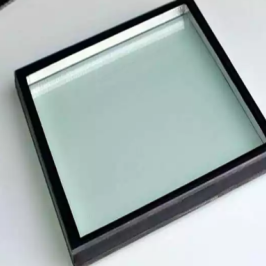
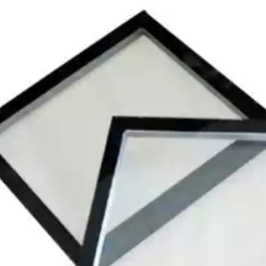
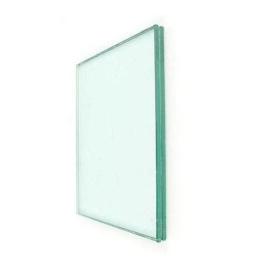
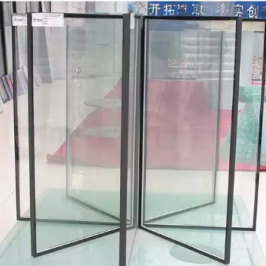
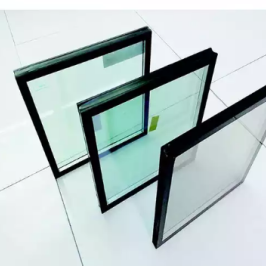
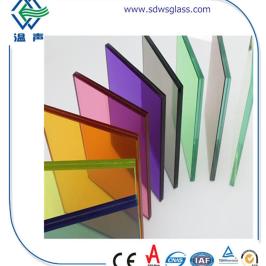
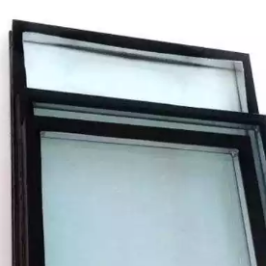
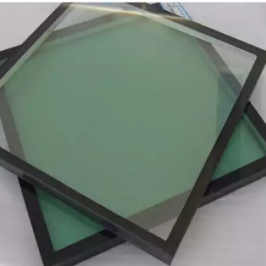
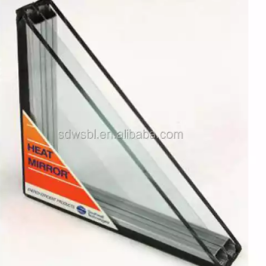
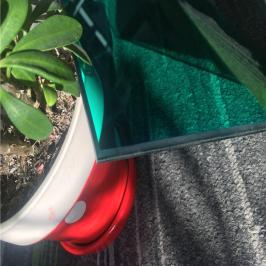
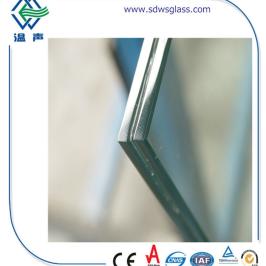
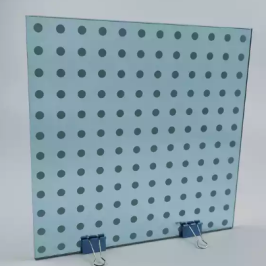
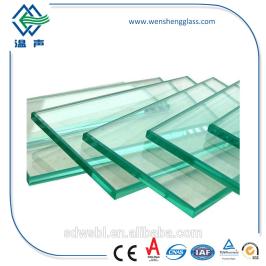
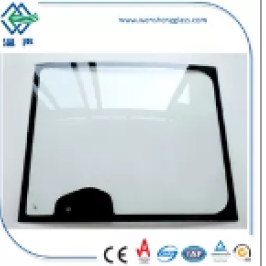
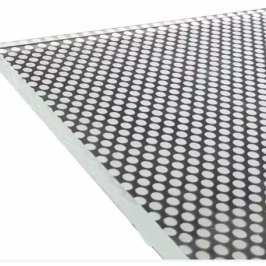
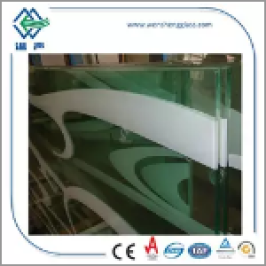
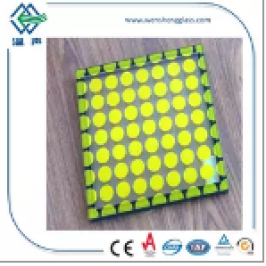
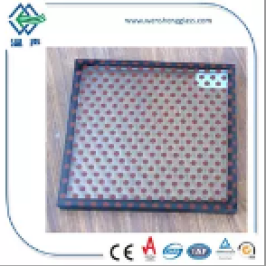
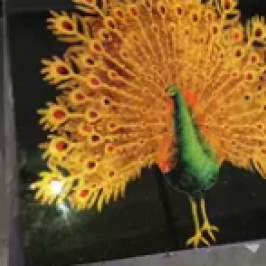
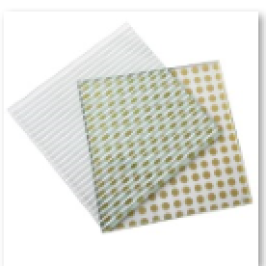
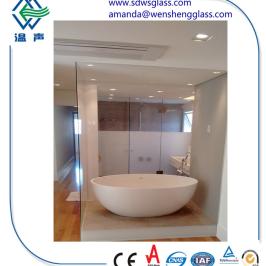
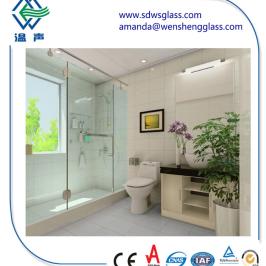
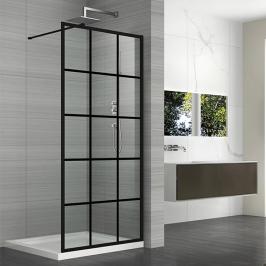
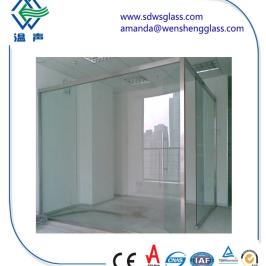
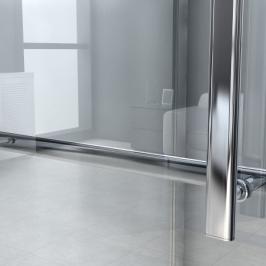
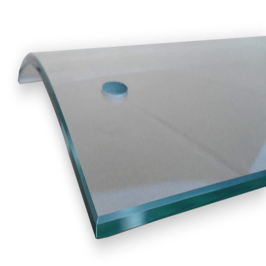
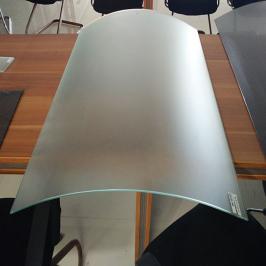
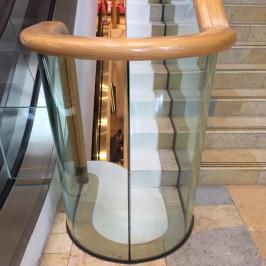
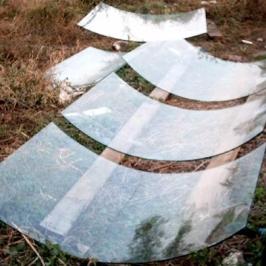
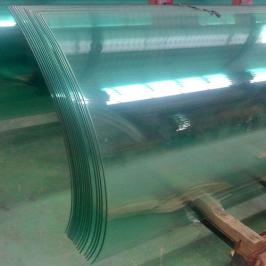
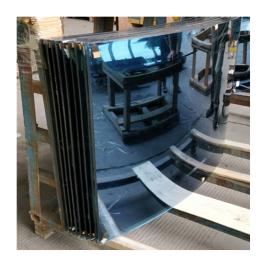
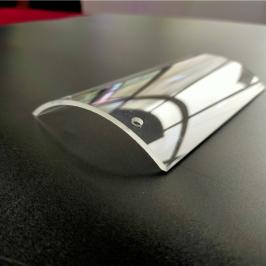
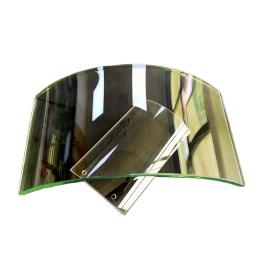
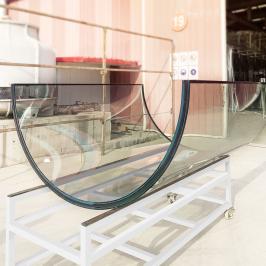
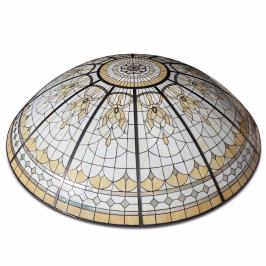

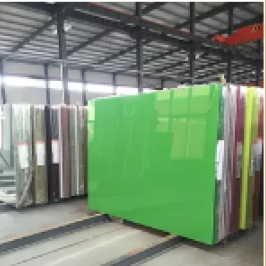
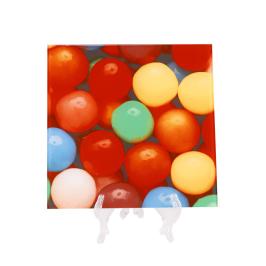
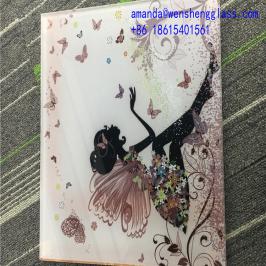
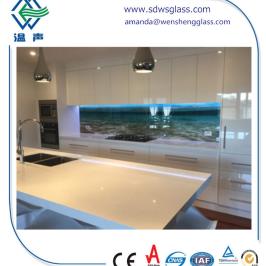
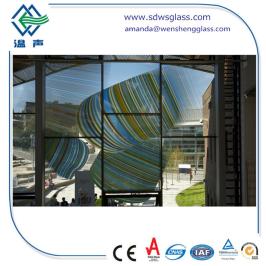
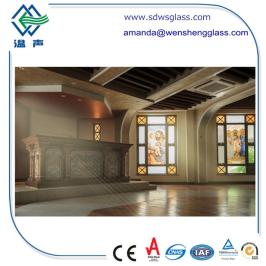
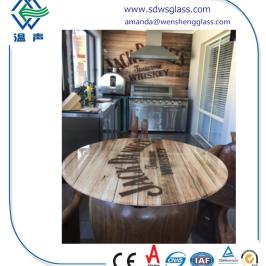
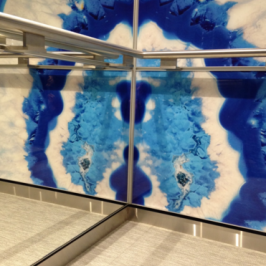
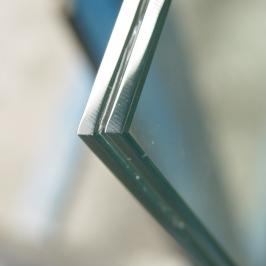
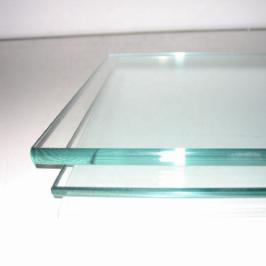
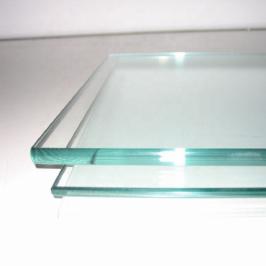
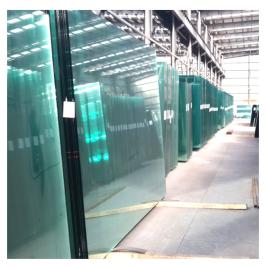
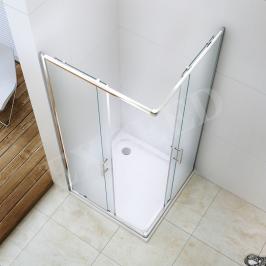
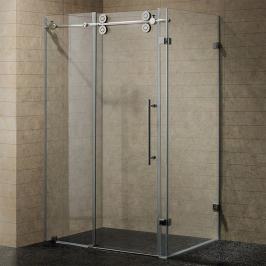
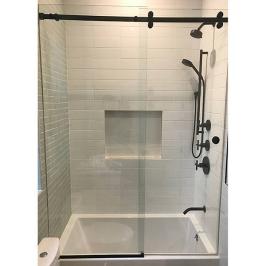
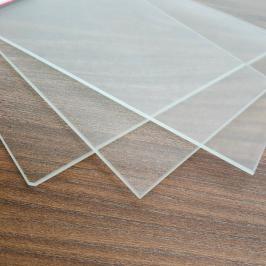
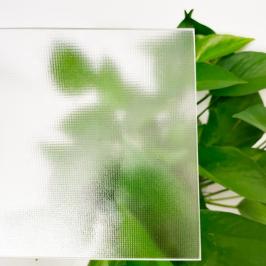
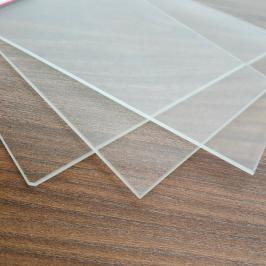
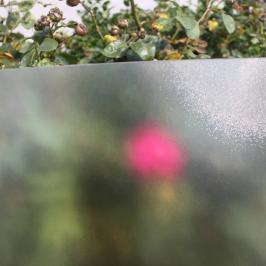
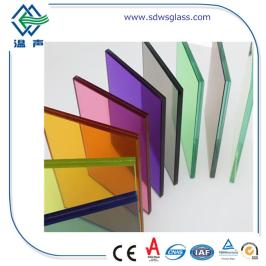
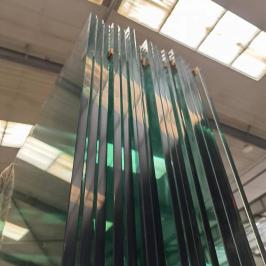
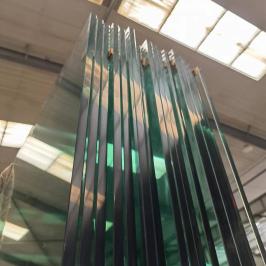
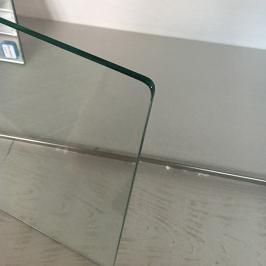
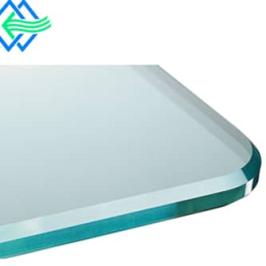
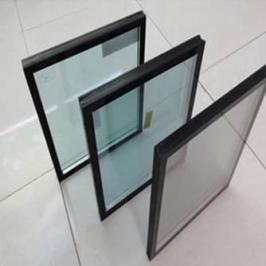
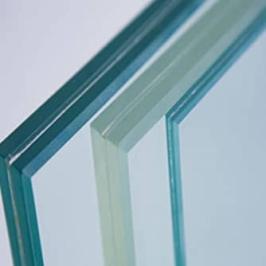


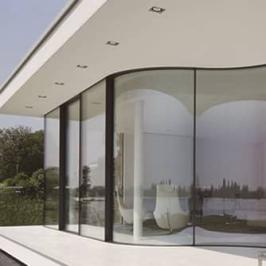

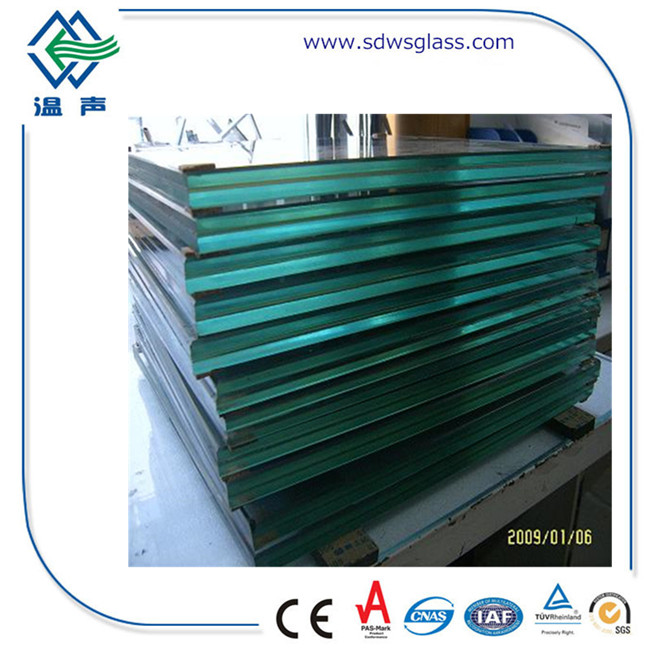
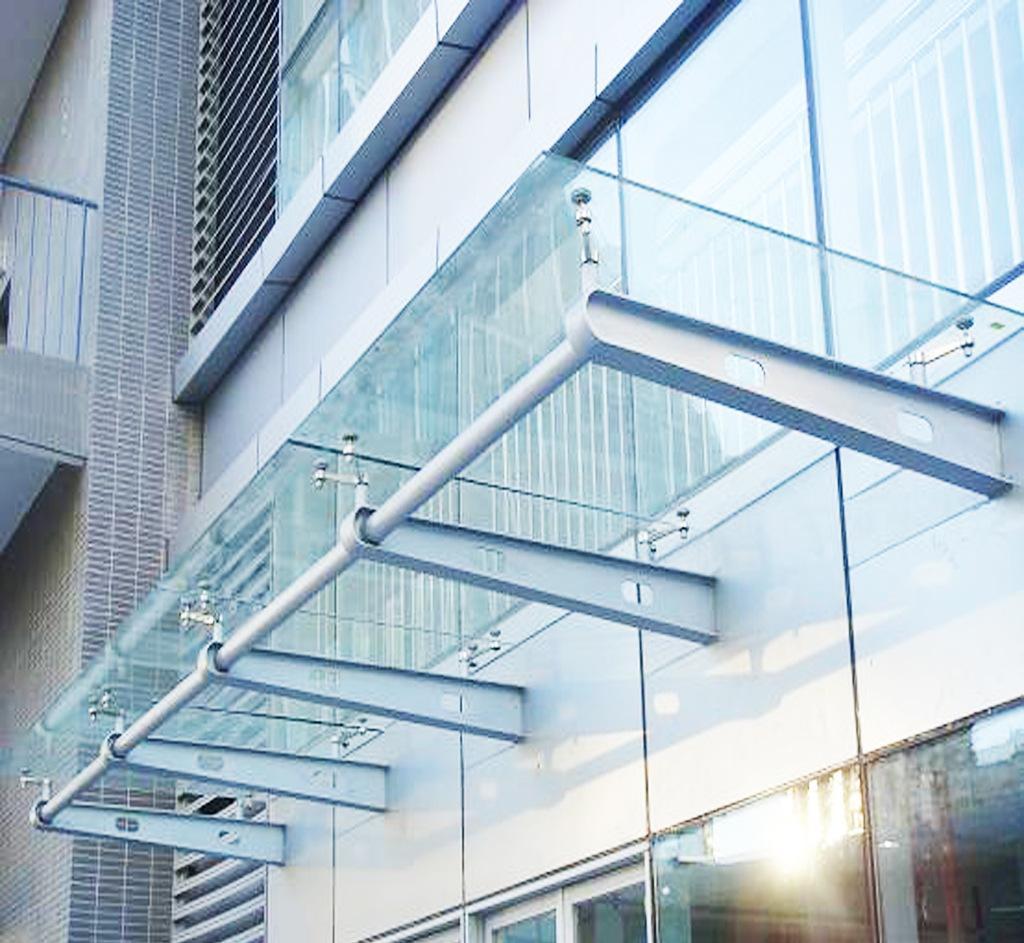
Clear Tempered Laminated Safety Glass Panels
Product Advantages
1. Break-safe laminated structure: The PVB or SGP interlayer helps hold broken glass fragments together, reducing falling shards and improving post-breakage safety.
2. Tempered glass strength: Tempered laminated glass combines higher impact resistance with laminated safety performance, making it suitable for doors, railings, partitions and facades.
3. Clear architectural appearance: Clear and ultra clear glass options keep the panel bright and transparent while still providing the safety performance required for modern building projects.
4. Flexible custom processing: Thickness, size, interlayer color, edge polishing, holes, cut-outs and special shapes can be produced according to approved drawings before lamination.
5. Reliable project supply: Drawing control, material inspection, labeled packing and export wooden crates help contractors install and replace laminated glass panels more efficiently.
Product Details
Clear Tempered Laminated Safety Glass Panels
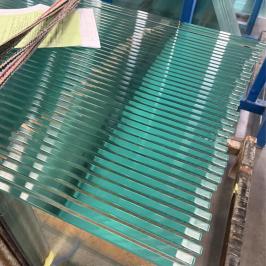
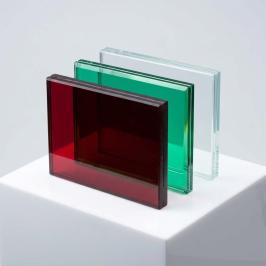
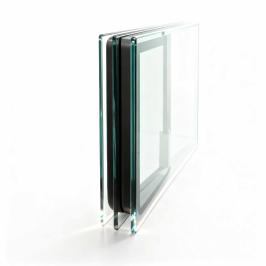
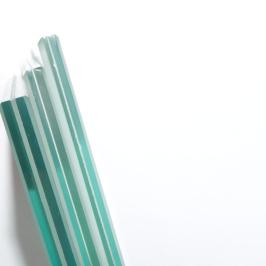
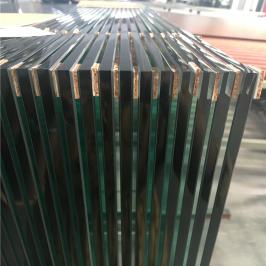
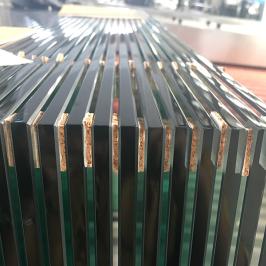
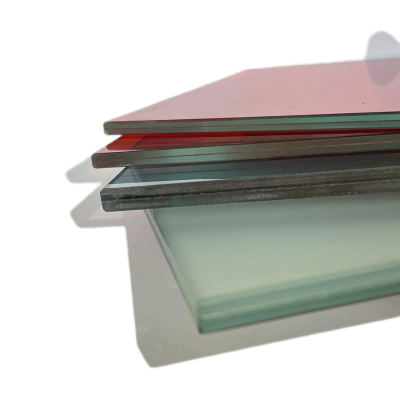
Clear tempered laminated glass is a safety glass structure made by bonding two or more glass sheets with a durable interlayer such as PVB or SGP. When the glass is impacted or broken, the interlayer helps keep fragments bonded together instead of allowing sharp pieces to fall freely. This makes laminated safety glass a practical choice for architectural projects where transparency, strength and post-breakage protection are all important.
Wensheng supplies clear tempered laminated building glass for doors, partitions, railings, curtain walls, canopies, skylights, floors, stairs and other safety glazing applications. The glass can be produced with clear float glass, ultra clear low iron glass, tinted glass, coated glass or decorative glass according to the final design requirement.
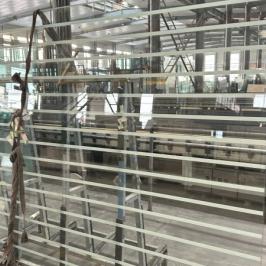
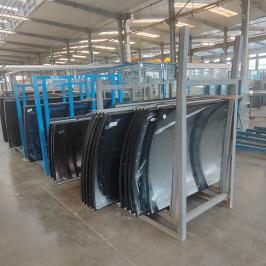
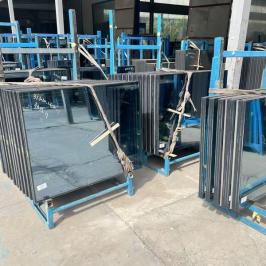
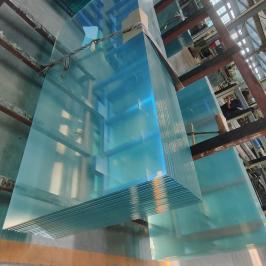
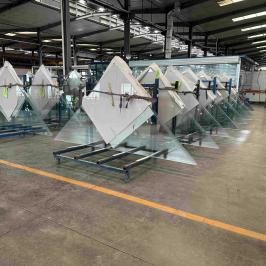
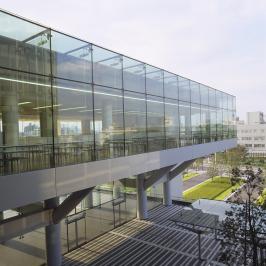
Image description: clear tempered laminated safety glass panel.
Laminated Safety Structure
The laminated structure is created by placing one or more interlayers between glass sheets, then processing the assembled panel through controlled heating, pressing and autoclave treatment. The interlayer bonds the glass together and gives the panel its break-safe behavior. If the glass cracks, most fragments remain attached to the interlayer, helping reduce injury risk and making temporary site control easier.
For building applications, PVB laminated glass is widely used because it provides safety, sound reduction and UV blocking performance. SGP laminated glass can be selected for projects that need higher stiffness, stronger edge stability or larger structural panels. The final interlayer type should be chosen according to glass size, installation height, load requirement and local building standard.
Tempered Strength and Daily Performance
Tempered laminated glass combines the mechanical strength of tempered glass with the holding performance of laminated glass. Tempering improves resistance to impact, wind pressure and thermal stress, while lamination provides an additional safety layer after breakage. This combination is especially useful for balcony railings, glass doors, storefronts, overhead glazing and public-area partitions.
Compared with ordinary annealed laminated glass, tempered laminated glass can better handle daily mechanical stress and accidental impact. It also supports modern frameless or semi-frameless designs where the glass edge may be visible. Proper edge polishing and hole processing before tempering are important because tempered glass cannot be cut or drilled after heat treatment.
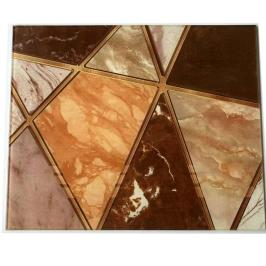
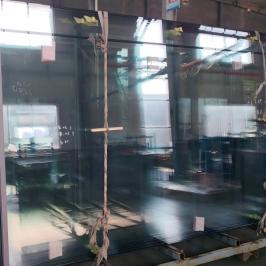
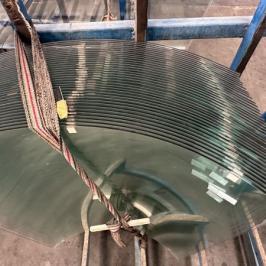
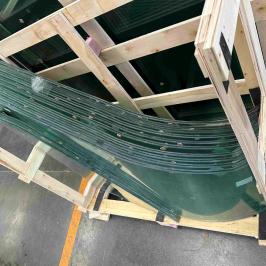
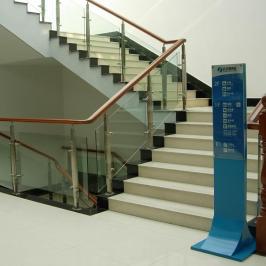
Image description: tempered laminated glass for handrail and building applications.
Applications in Building Projects
Clear tempered laminated glass is used in many architectural positions where people may touch, lean on or walk near the glass. Typical uses include glass railings, balconies, stair guards, internal partitions, entrance doors, skylights, canopies, curtain wall panels and shopfront glazing. It can also be used in schools, hotels, hospitals, commercial centers and residential buildings where safety and visibility are both required.
For railings and balcony systems, laminated glass helps keep the barrier in place if breakage occurs. For skylights and canopies, it helps reduce the risk of falling glass. For partitions and doors, it offers a clean transparent look while improving acoustic comfort and impact safety. For facade systems, it can be combined with coatings or insulated glass units to meet thermal and solar control needs.
Custom Glass Options
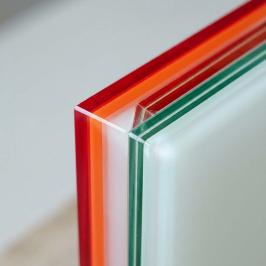
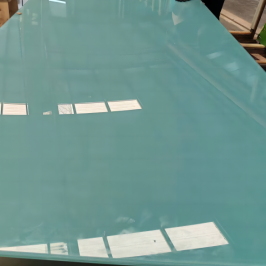
The laminated glass structure can be customized according to the project. Customers may choose different glass thicknesses, interlayer thicknesses, interlayer colors and glass types. Clear glass is suitable for standard transparency, while ultra clear glass reduces the green tint and is often selected for high-end buildings, showrooms and interior design projects.
Processing options include polished edges, safety corners, drilled holes, countersunk holes, notches, cut-outs, shaped panels and printed marks. These details must be confirmed before tempering and lamination, so accurate drawings are essential. Wensheng can review size, hole position, edge requirement and installation notes before production to reduce mismatch during site installation.
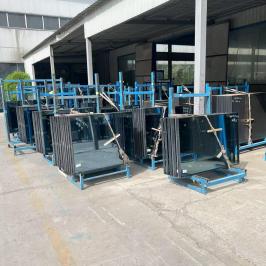
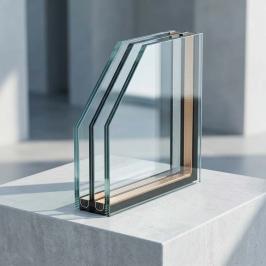
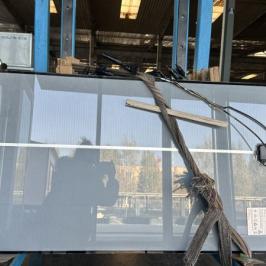
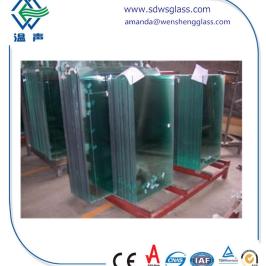
Image description: Wensheng laminated glass production and raw glass supply support.
Production and Material Control
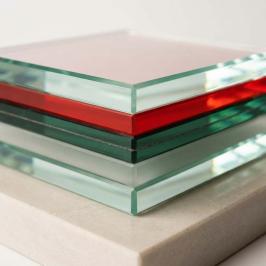
Stable laminated glass quality depends on clean glass, reliable interlayer material and controlled processing. Before lamination, the glass sheets are cleaned and inspected to reduce dust, marks and visible defects inside the finished panel. The interlayer is selected according to safety requirement, transparency, stiffness and environmental condition.
Wensheng supports project orders through coordinated glass deep-processing capability, including cutting, edging, tempering, lamination and final inspection. A reliable raw glass supply chain helps maintain consistent color, thickness and surface quality across batches. This is important for large projects where many panels are installed side by side and visible consistency matters.
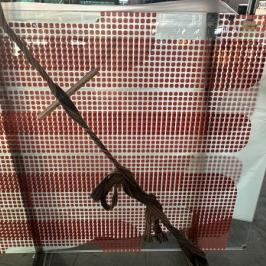
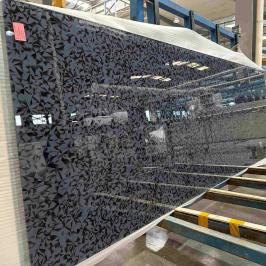
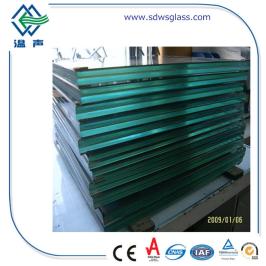
Image description: auxiliary material control for laminated safety glass production.
Quality Inspection
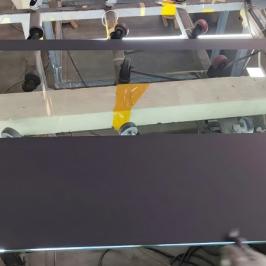
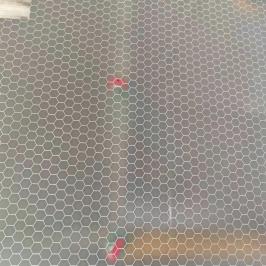
Before delivery, laminated glass panels can be checked for size tolerance, diagonal difference, edge finish, hole position, lamination quality, bubbles, inclusions, scratches and visible distortion. For railing and facade systems, the inspection also considers drawing numbers and installation direction so each panel can be identified on site.
Dimensional accuracy is especially important when laminated glass is used with clamps, posts, frames or bolt-fixed systems. Even a small hole-position error can make installation difficult. For this reason, approved drawings and inspection records are useful for both new construction and later replacement orders.
Image description: glass quality inspection and dimensional control in Wensheng factory.
Packing and Delivery
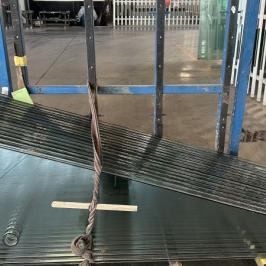
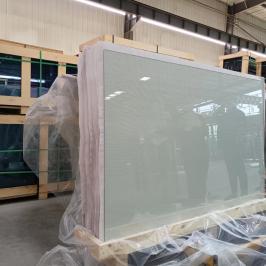
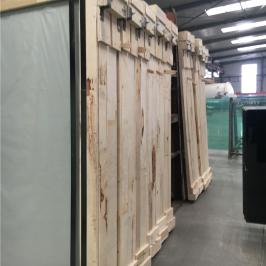
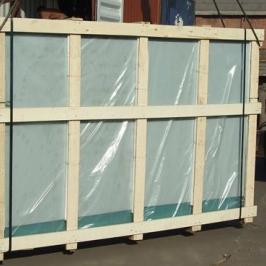
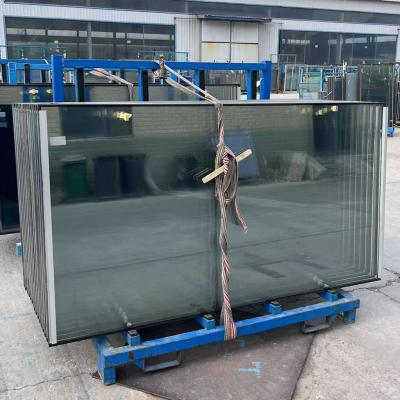
Export packing is arranged according to glass size, thickness and destination. Panels are separated with protective materials to reduce surface contact, and corners or edges can be protected before the glass is loaded into wooden crates. Crates are reinforced to reduce movement during transportation and can be labeled with product name, size, quantity and project area.
For complex projects, labeled packing helps contractors unload and sort glass more efficiently. When several glass types are delivered together, clear identification can reduce site confusion between laminated glass, tempered glass, insulated glass and printed glass. This improves installation speed and lowers the risk of handling damage.
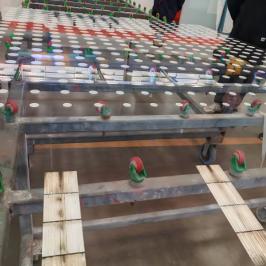
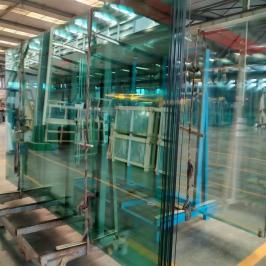
Image description: glass deep processing line for laminated and tempered building glass.
Optional Specifications
| Product Name | Clear tempered laminated safety glass panels |
| Glass Structure | Tempered glass + PVB or SGP interlayer + tempered glass |
| Glass Options | Clear glass, ultra clear glass, tinted glass, coated glass, patterned glass, printed glass |
| Interlayer Options | Clear PVB, colored PVB, SGP, acoustic interlayer or customized safety structure |
| Processing | Cut to size, polished edge, holes, notches, cut-outs, tempering, lamination |
| Applications | Railing, balcony, partition, door, canopy, skylight, facade, stair, floor and safety barrier |
| Packing | Interlayer separation, corner protection, labels and export wooden crates |
Project Communication
For accurate quotation and production planning, please confirm glass size, thickness, structure, interlayer type, hole drawing, edge finish, quantity and application position. If the glass is used for railings, canopies or overhead areas, local safety standards and structural requirements should be checked before final production.
Send your message to us
Related Products

Submitted successfully
We will contact you as soon as possible
Close