- Tempered Glass
- Laminated Glass
- Tempereed Laminated Glass
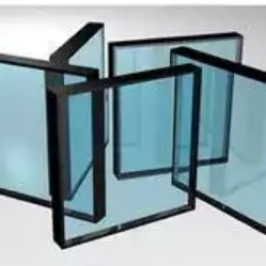
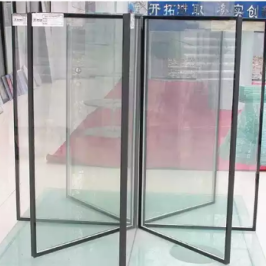
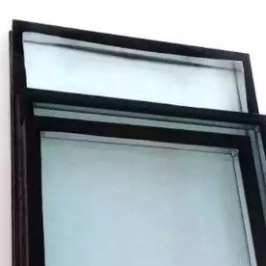
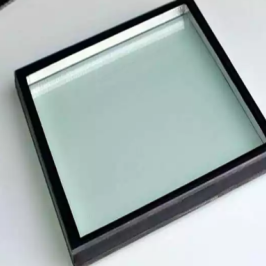
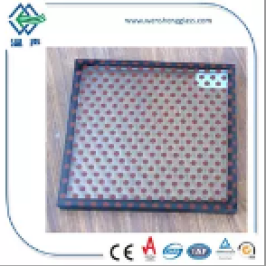
- Insulating Glass
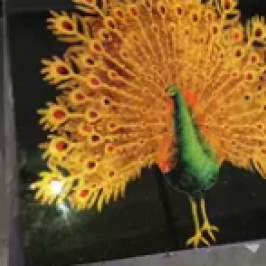
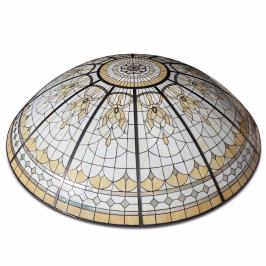
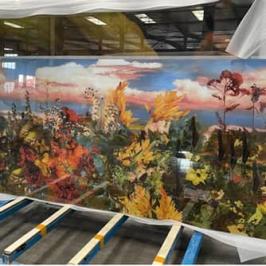
- Silk Screen Printing Glass
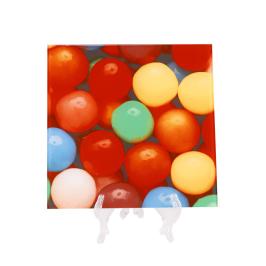
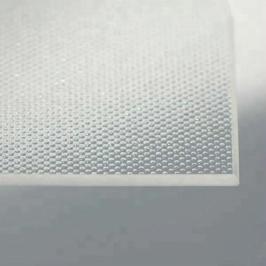
- Ceramic Digital Printing Glass
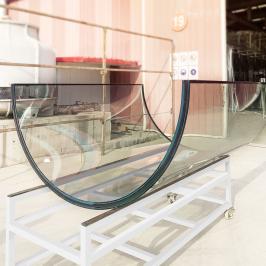
- Curved Glass
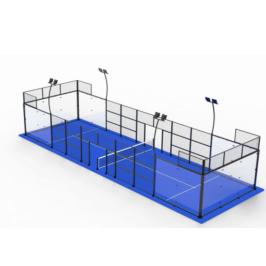
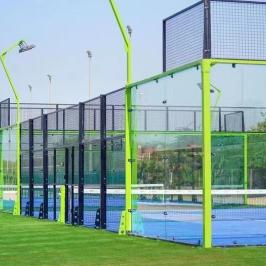
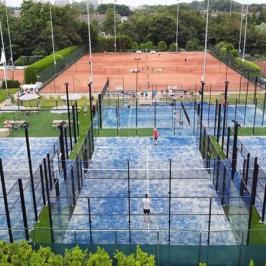
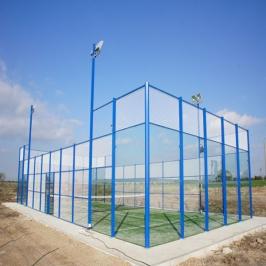
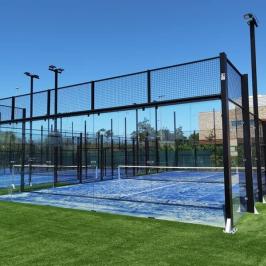
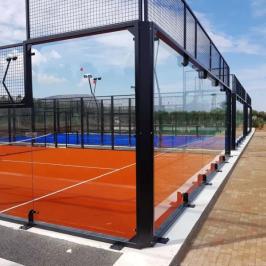
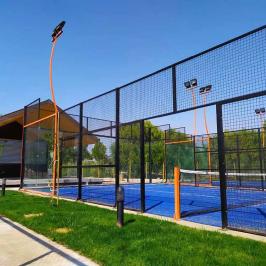
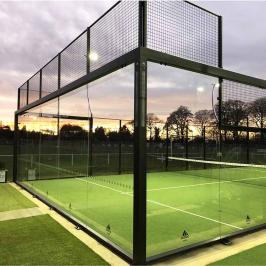
- Padel Glass
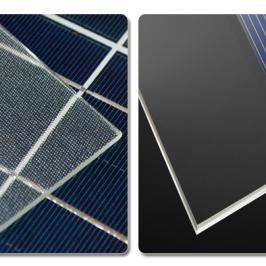
- Solar Panel Glass
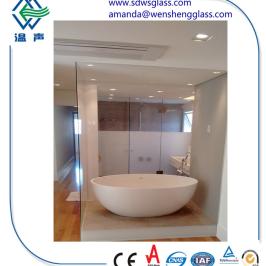
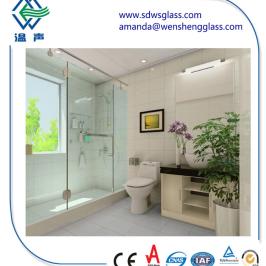
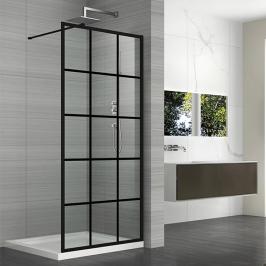
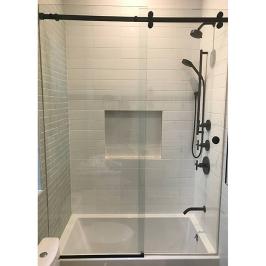
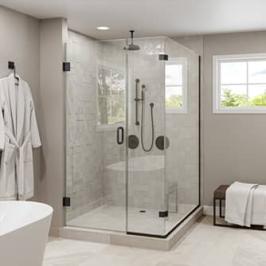
- Shower Glass
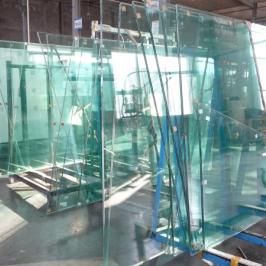
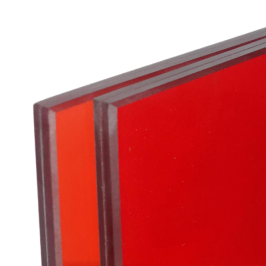
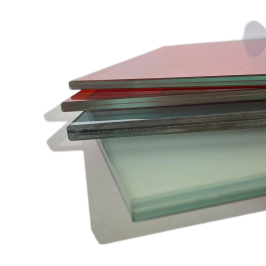
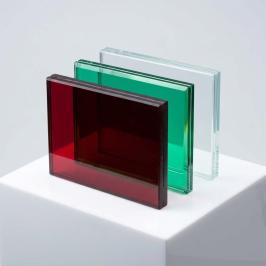

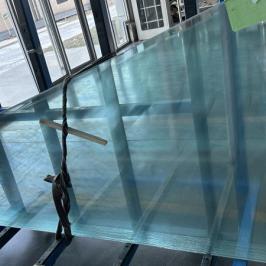
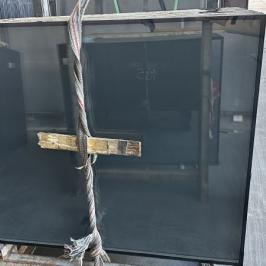
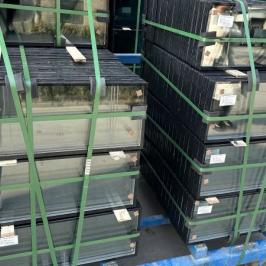
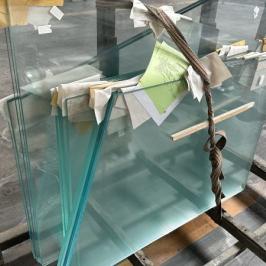
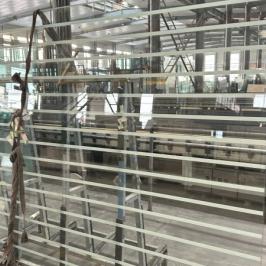
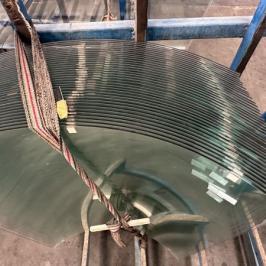
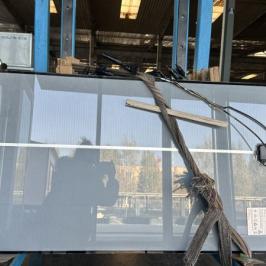
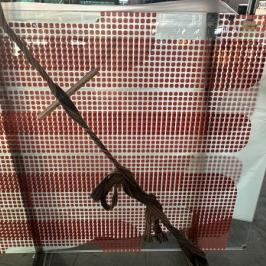
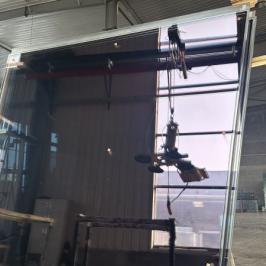
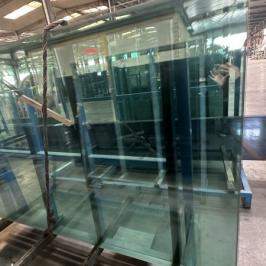
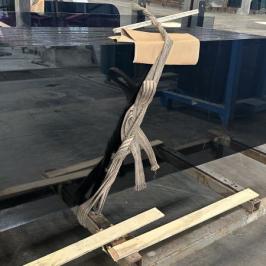
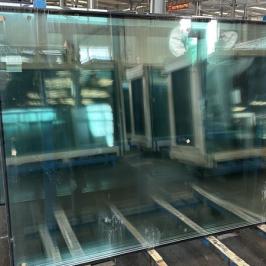
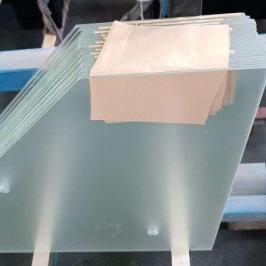
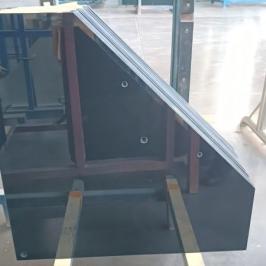
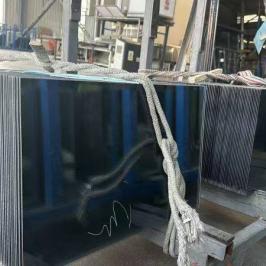
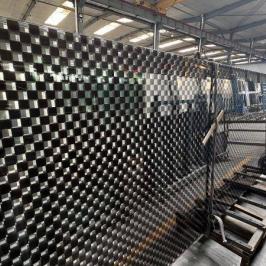
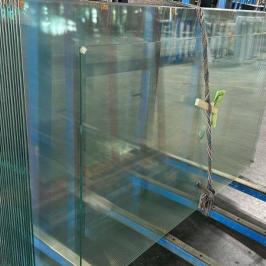
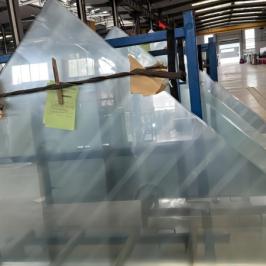
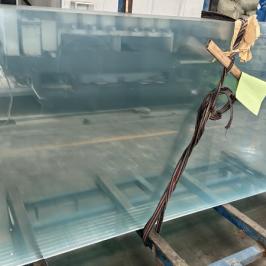
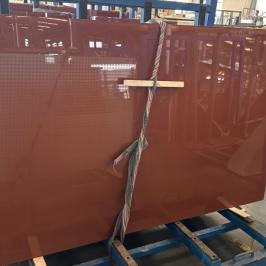
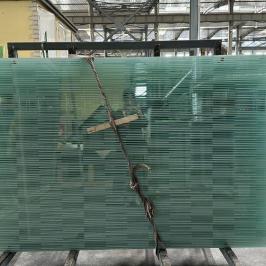
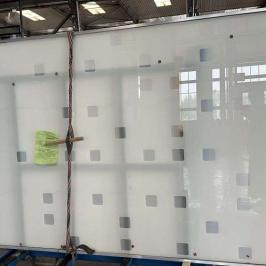
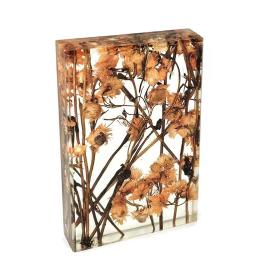
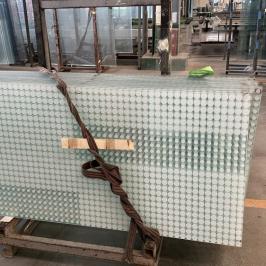
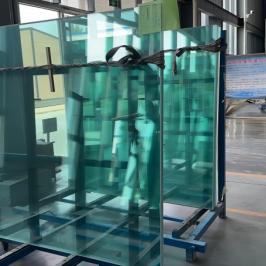
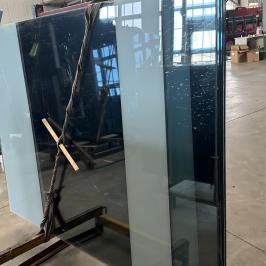
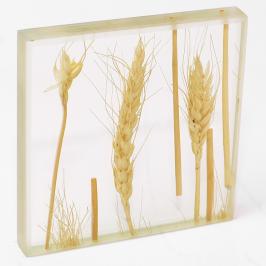
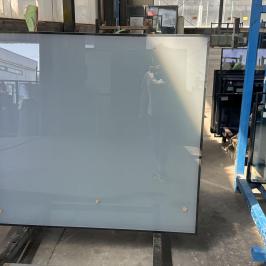
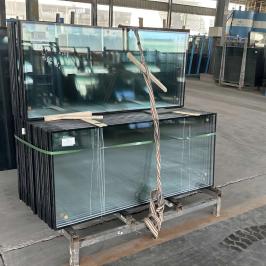
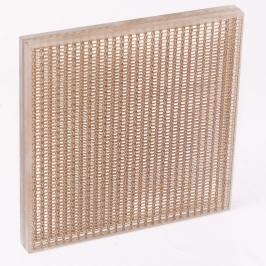
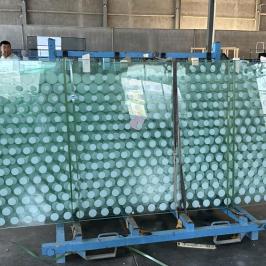
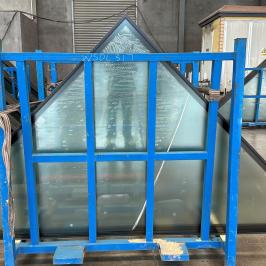
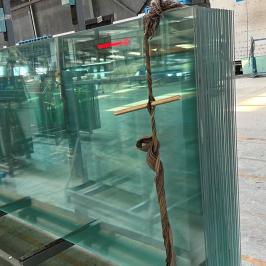
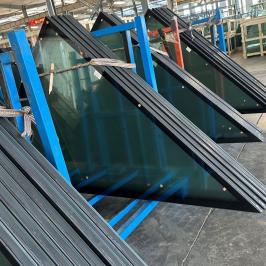
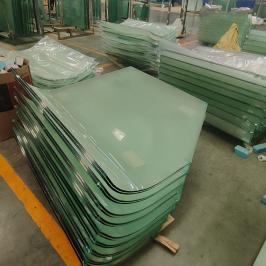
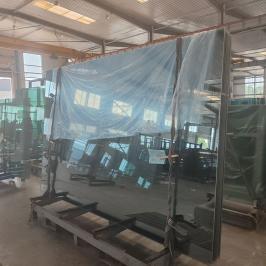
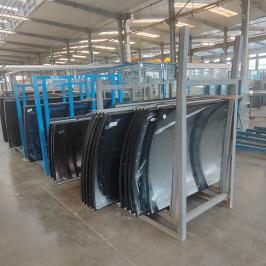
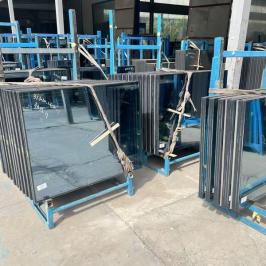
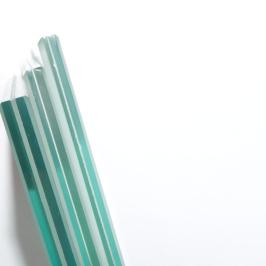
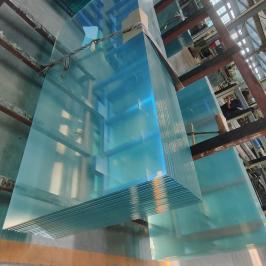
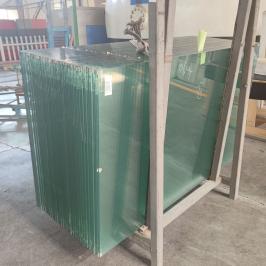
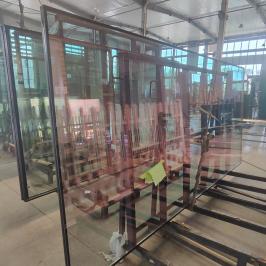
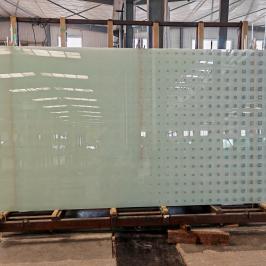
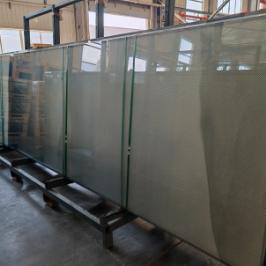
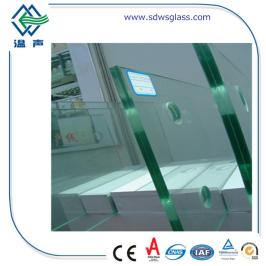
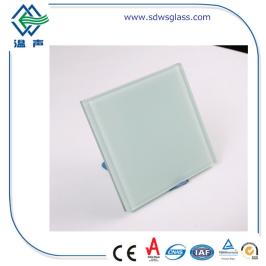
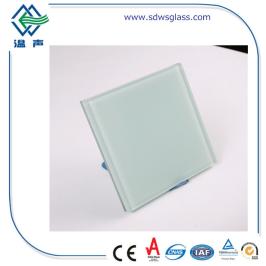
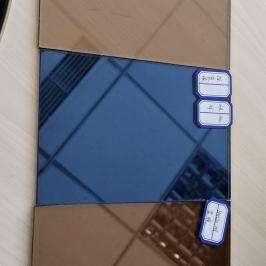
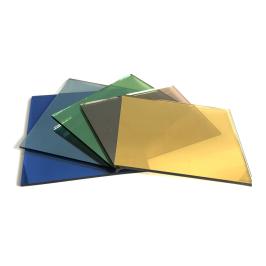
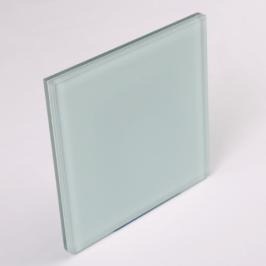

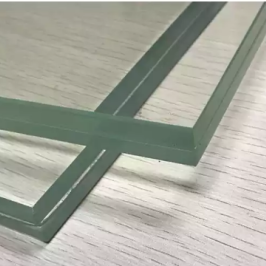
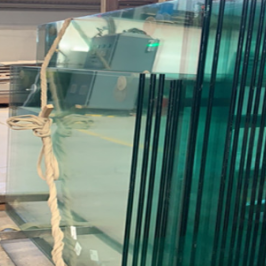
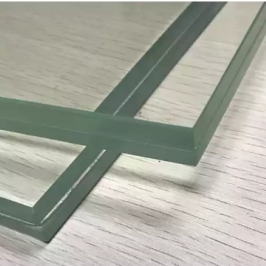
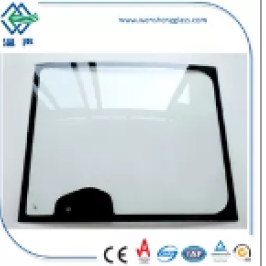
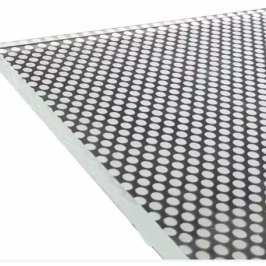
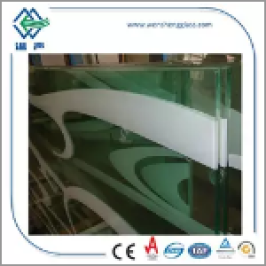
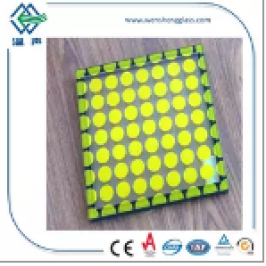
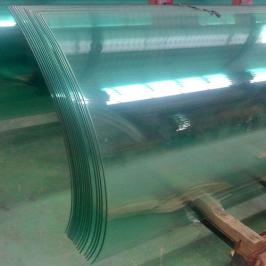
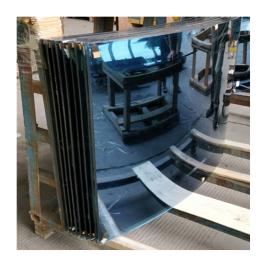
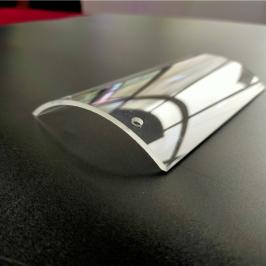
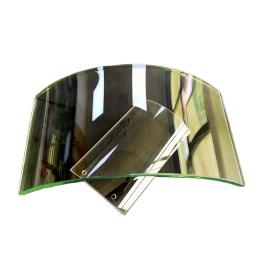

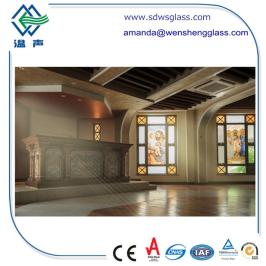
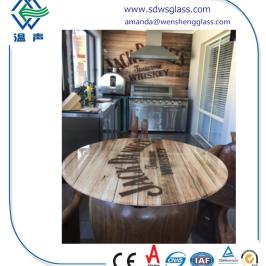
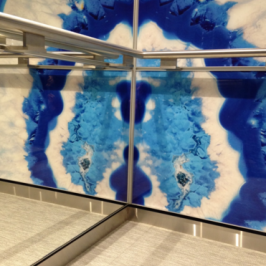
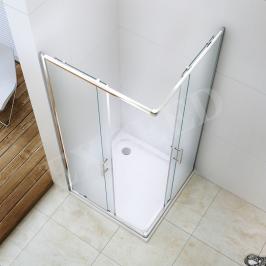
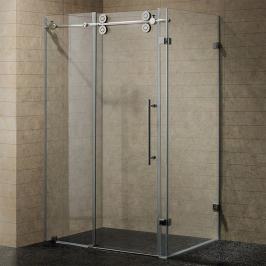
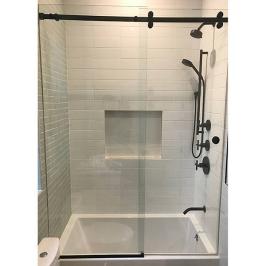
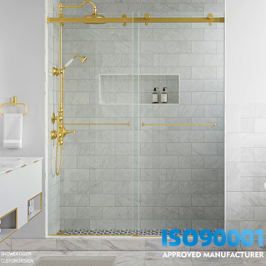
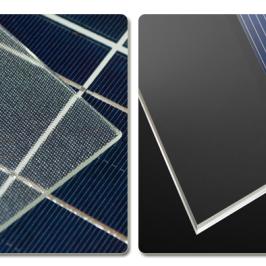
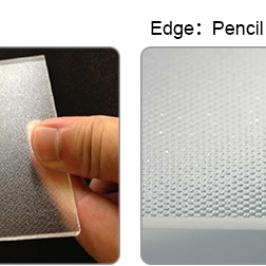
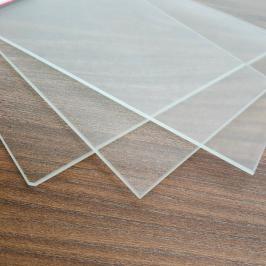


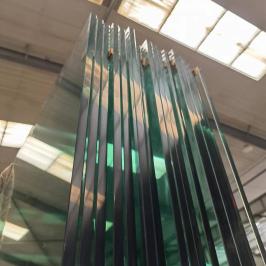
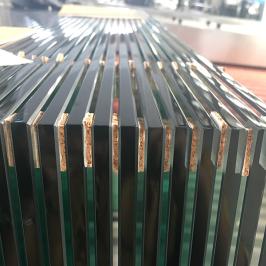
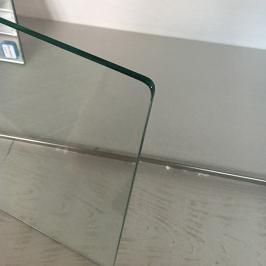
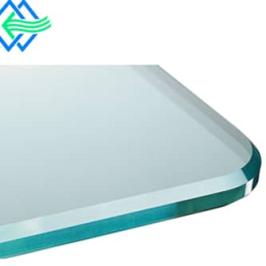
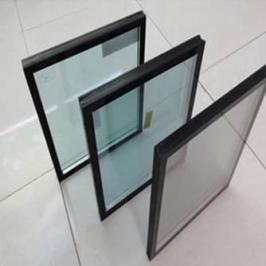



Ultimate Safety Laminated Glass
📞 Contact Us
📧 Email : intl@wenshengglass.com
📱 WhatsApp / Phone: +86 188 6688 9570
Advantages of Insulating Glass
1. Types of Insulating Glass
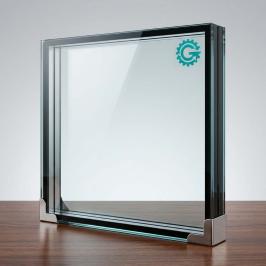
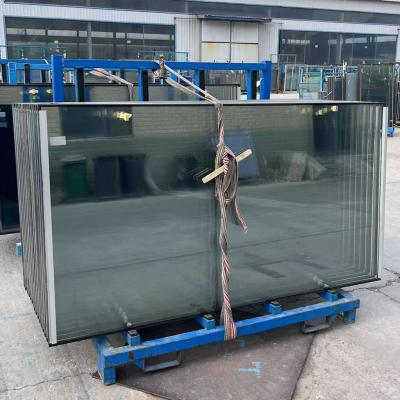
We offer a variety of insulating glass options to meet diverse architectural, thermal, and aesthetic requirements:
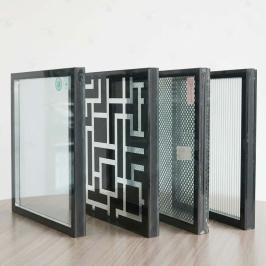
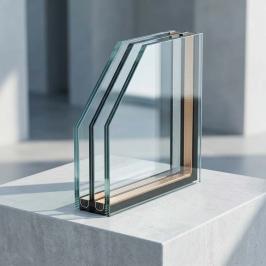
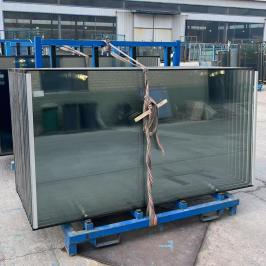
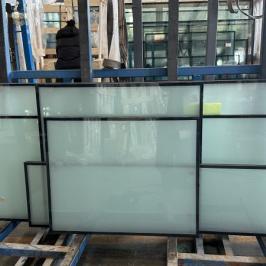
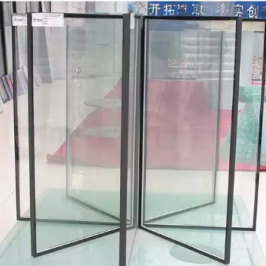
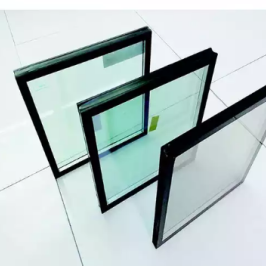
Double-Pane Insulating Glass – The most common structure, ideal for residential and commercial use, offering excellent thermal and sound insulation.
Tempered Insulating Glass – Adds safety and durability by combining tempered panes, often used in high-rise buildings.
Laminated Insulating Glass – Combines safety interlayers with insulation, suitable for areas requiring both security and energy efficiency.
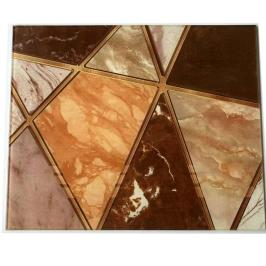
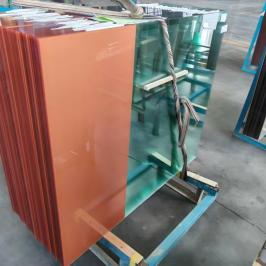
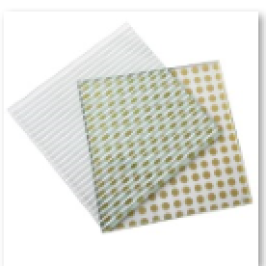
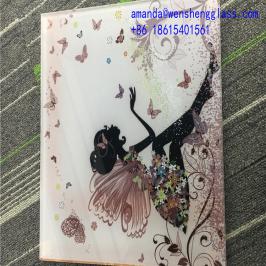
Printed Insulating Glass – Integrates decorative or functional patterns for branding or design customization.
Low-E Insulating Glass – Features a low-emissivity coating to reduce infrared and ultraviolet light transmission, maximizing energy savings.
Triple-Glazed Insulating Glass – Offers superior insulation and noise reduction performance, used in extreme climates or premium constructions.
2. Energy Efficiency
The sealed air or inert gas layer between glass panes significantly reduces heat transfer, maintaining indoor temperature and lowering HVAC energy consumption year-round.
3. Sound Insulation
Insulating glass effectively minimizes noise transmission from outside, creating a quieter indoor environment—especially beneficial in urban, airport, or roadside locations.
4. UV Protection
Low-E and laminated options can block a large percentage of harmful ultraviolet rays, protecting interior furnishings, artworks, and human skin from UV-related damage.
5. Safety and Security
When combined with laminated or tempered glass, insulating units provide both thermal performance and high-impact resistance, ensuring structural safety and personal protection.
6. Condensation Resistance
By maintaining a stable internal temperature and reducing humidity transfer, insulating glass minimizes the risk of condensation forming on interior surfaces.
7. Aesthetic Flexibility
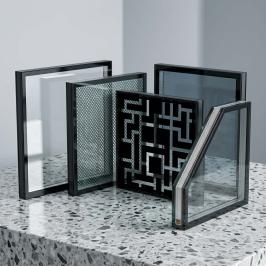
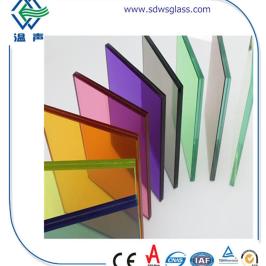
Available with multiple color tints, decorative grids, spacers, and coatings, insulating glass enhances building design without compromising function.
Product Details
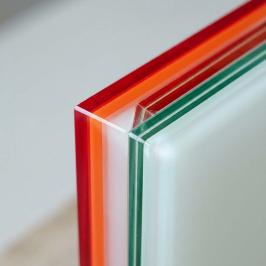
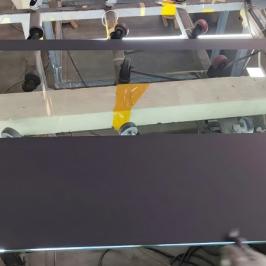
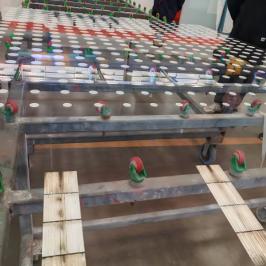
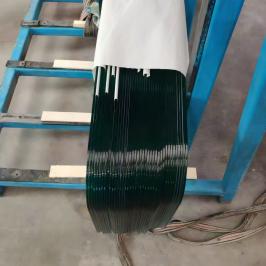
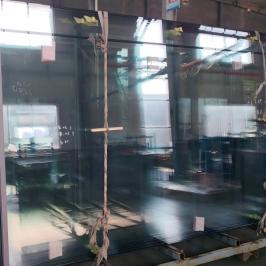
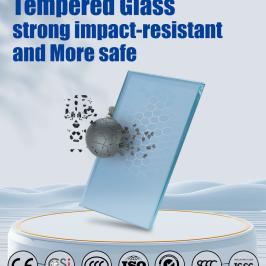
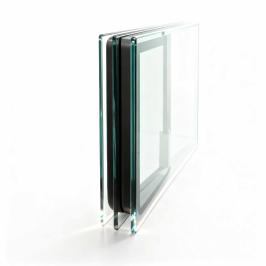
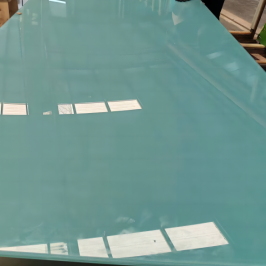
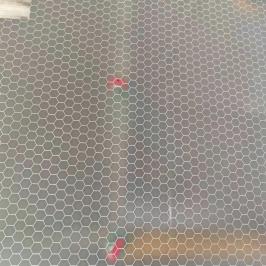
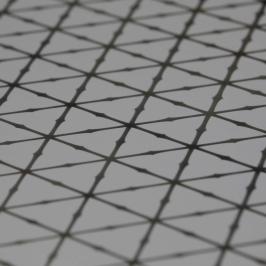
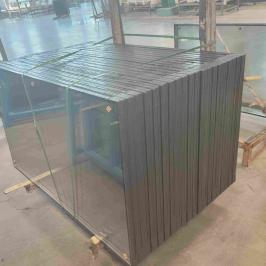
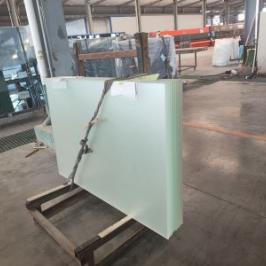
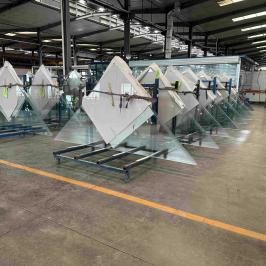
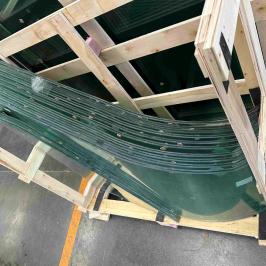
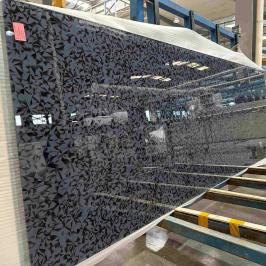
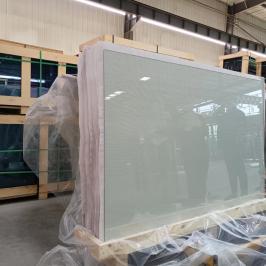
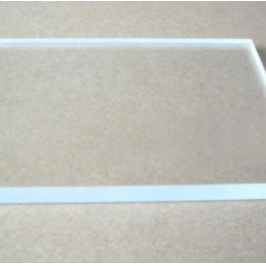
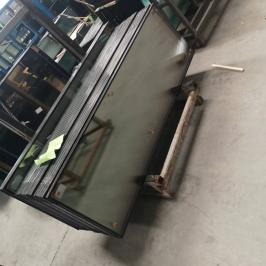
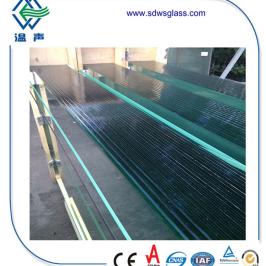
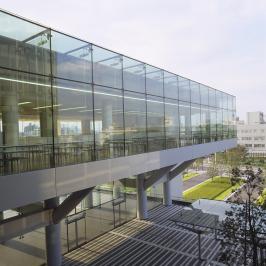
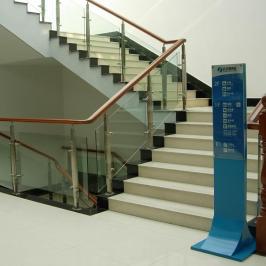
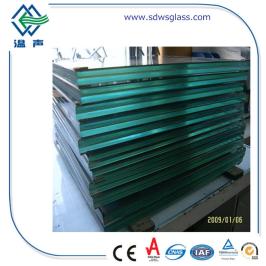
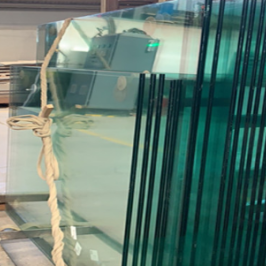
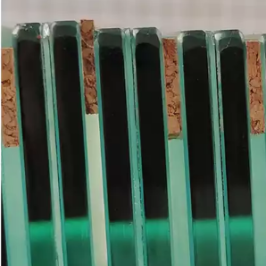
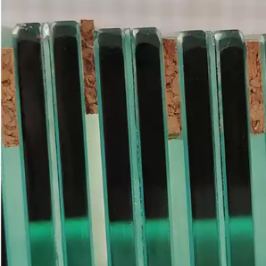
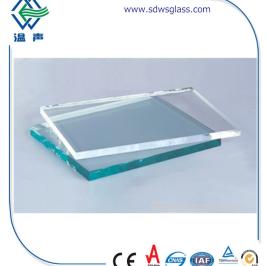
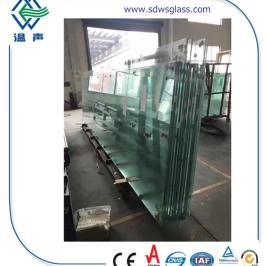
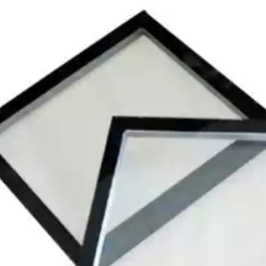
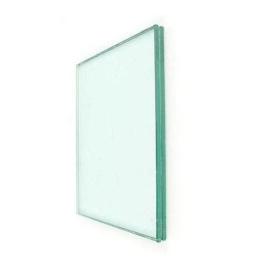
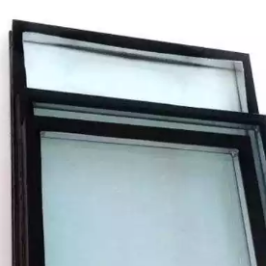
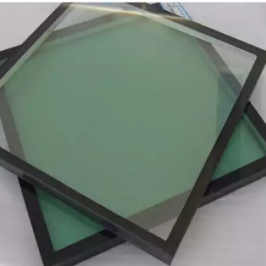
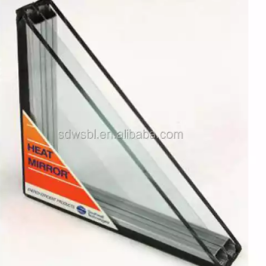
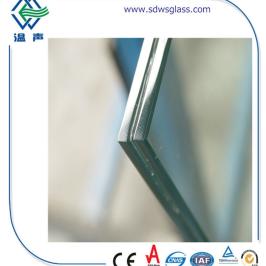
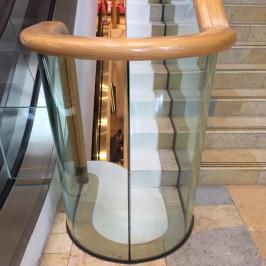
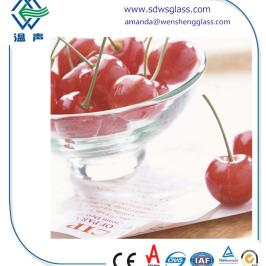
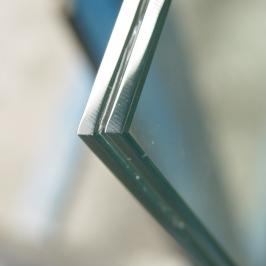
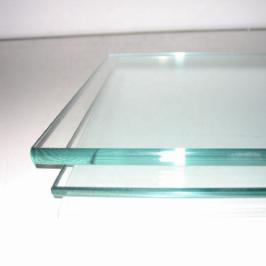
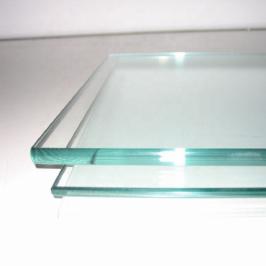
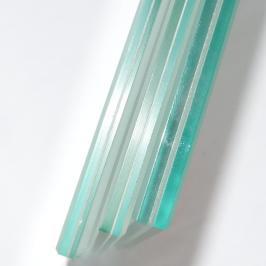
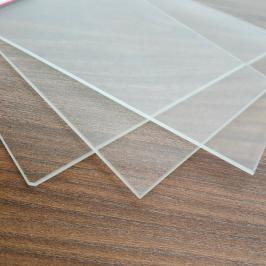
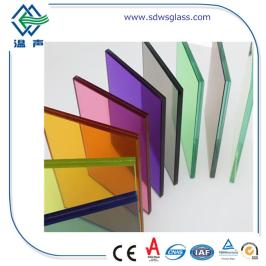
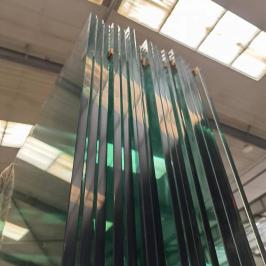
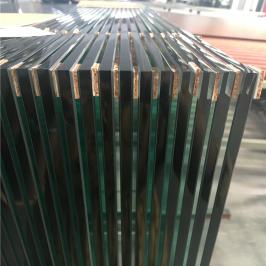
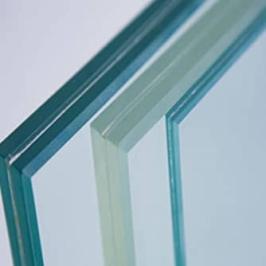
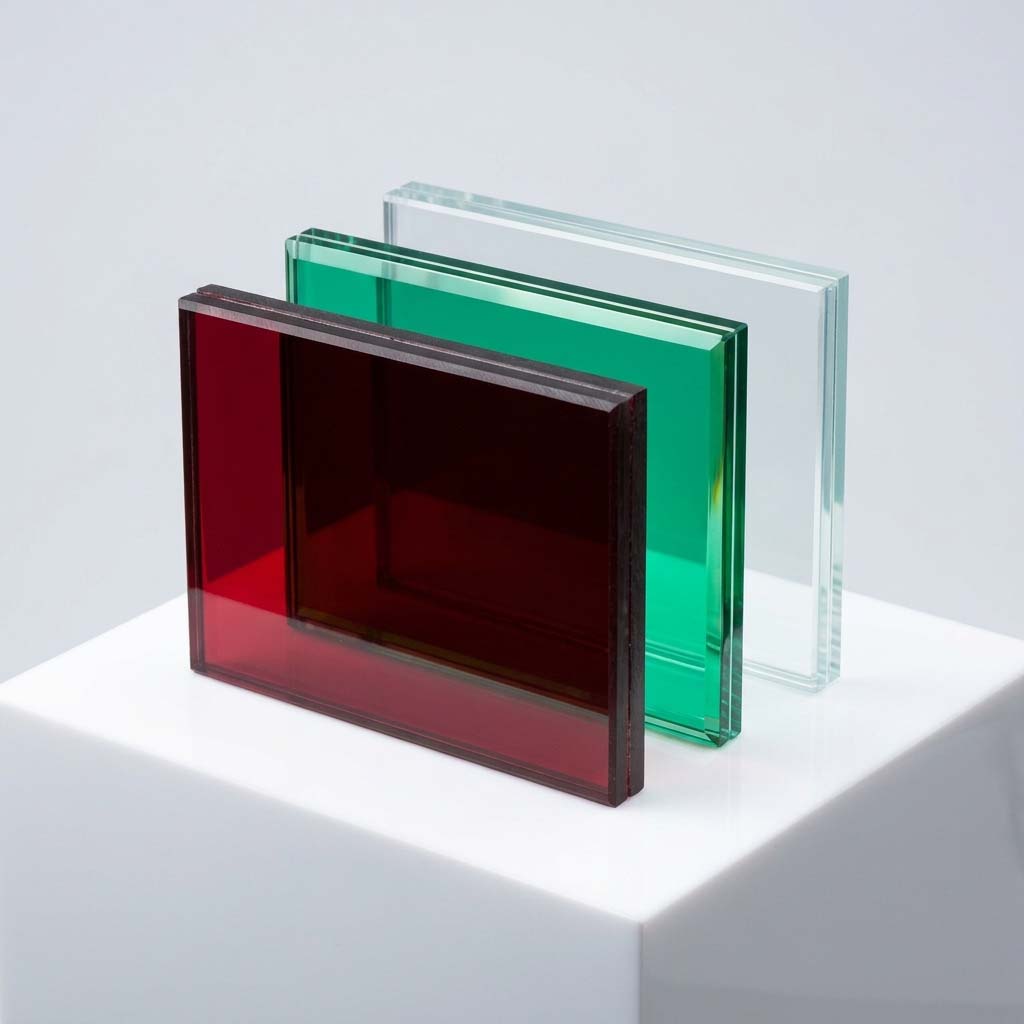
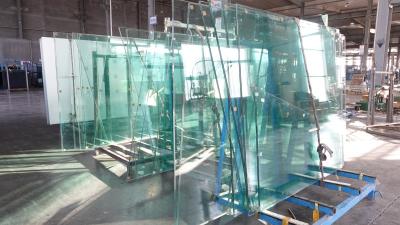
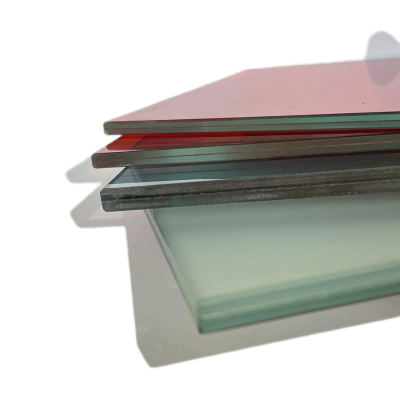
Shatter-resistant laminated glass is designed for security. A durable PVB interlayer holds the glass together even when broken, preventing dangerous shards from scattering. This creates a protective barrier that reduces injury from impact or accidents, ideal for windows, railings, and high-traffic areas.
| Category | Parameter | Standard Example | Technical Notes |
| Dimensions | Min. Size | 300×300 mm | Most sizes customizable |
| Max. Size | 3300×13000 mm | ||
| Structural Composition | Glass Layer Thickness (mm) | Single layer: 3+3, 5+5, 6+6 | Thickness affects load-bearing and impact resistance. |
| Double layer: 6+6+6, 8+8+8 | |||
| Interlayer Material Type | PVB (Standard, 0.38/0.76/1.52mm) | PVB: Cost-effective; SGP: 5x stronger than PVB; EVA: Ideal for curved glass | |
| SGP (High-strength, 1.52/2.28mm) | |||
| EVA (Flexible) | |||
| Visible Light Transmittance | Transparent PVB: 88%~92% | Customizable colors/patterns. | |
| Colored PVB: 40%~70% | |||
| Frosted PVB: 50%~60% | |||
| Safety Performance | Impact Resistance Rating | EN 12600 1B1 (5mm+0.76mm PVB+5mm) | Passes 1040g steel ball drop test from 4.8m height with safe breakage pattern |
| 2B2 (8mm+1.52mm PVB+8mm) | |||
| Post-Breakage Behavior | PVB: Fragments adhere to interlayer | Complies with BS 6206 safety standards | |
| SGP: Cracks without shattering | |||
| Optical Distortion (Waviness) | ≤0.1% (ASTM C1048 compliant) | High-precision lamination reduces deformation. | |
| Mechanical Performance | Bending Strength (MPa) | 6mm laminated: ≥50 | Static load test (ASTM C1172). |
| 8mm laminated: ≥70 | |||
| Edge Peel Strength (N/mm) | PVB: ≥15 | Maintains ≥90% strength after humidity aging tests | |
| SGP: ≥25 | |||
| Processing | Pre-press Temperature/Pressure | PVB:120~200℃/1.2~1.5MPa | Ensures bubble-free bonding. |
| SGP:135~200℃/1.5~2.0MPa | |||
| Autoclave holding/pressure maintenance time | PVB: 45~60 minutes | Pressure: 1.25 MPA | |
| SGP: 1~1.5 hours | |||
| Edge Treatment | Edgie polishing process | Rough grinding | Reduces stress concentration during installation. |
| Fine grinding | |||
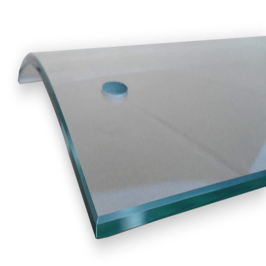
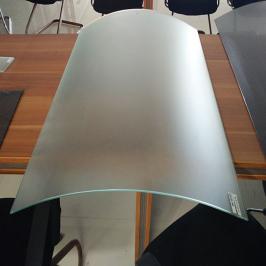
| Special design | Curved glass bending radius | ≥500mm | Cold bending requires flexible compatibility of interlayer materials |
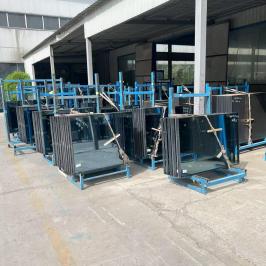
| Production Capacity | Daily Output: 14,000 m²/day Expedited Capacity: 20,000 m²/day | ||
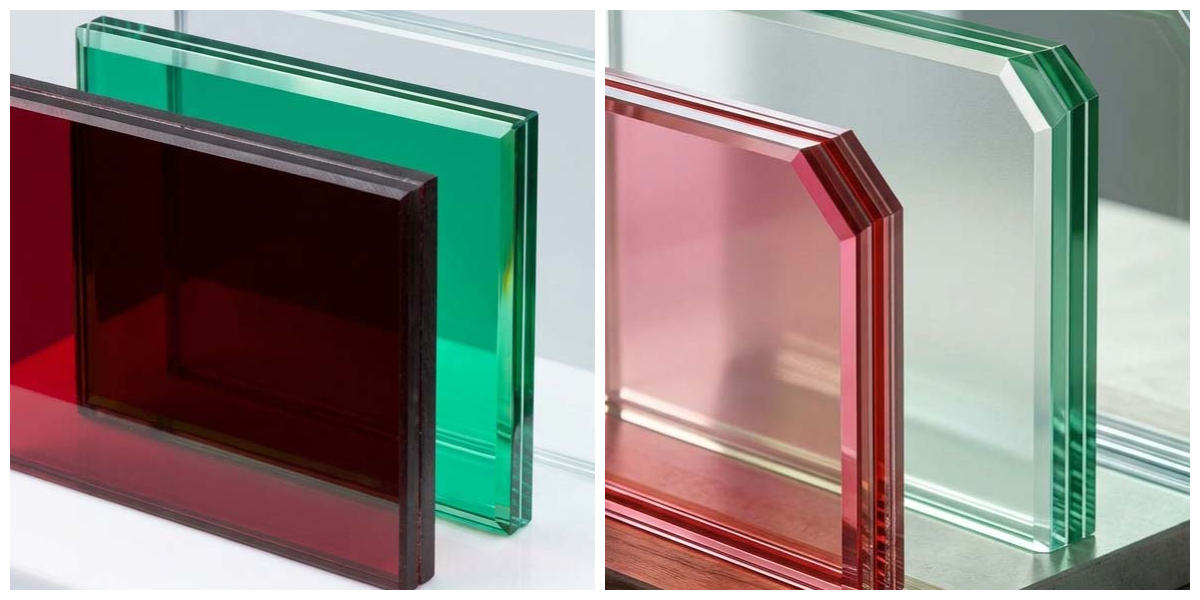
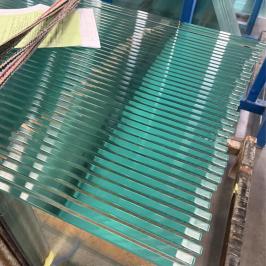
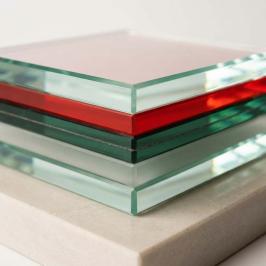
Laminated glass is the industry standard for safety glazing. A strong, flexible PVB interlayer is permanently fused between two or more glass panes. If impacted, the glass may crack, but the interlayer holds the pieces firmly in place, preventing dangerous shards from falling and significantly reducing the risk of injury. It’s the responsible choice for countless applications.
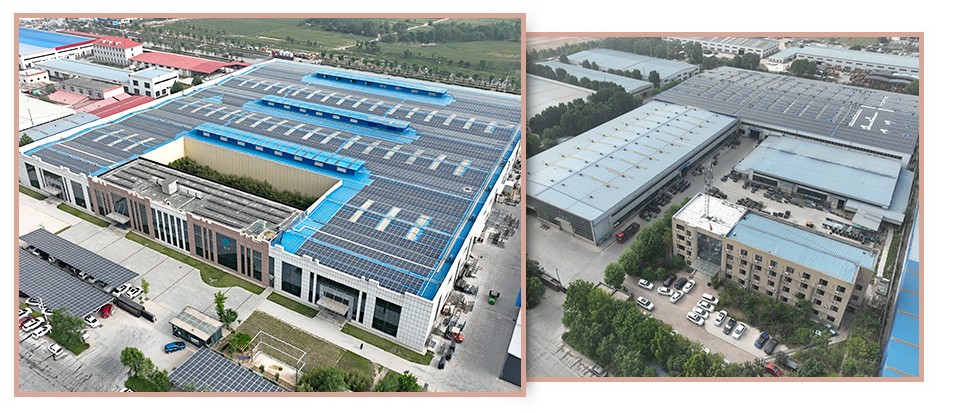
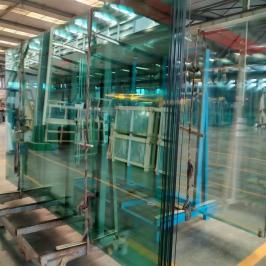
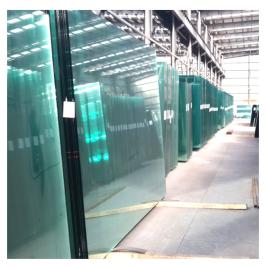
We operate a powerful dual-manufacturing-base system designed for agility and reliability. This collaborative framework is a cornerstone of our service, ensuring we meet client demands with speed and precision.
Operational Benefits:
Enhanced Flexibility & Contingency: Operating two integrated plants provides superior scheduling flexibility and production agility. It allows for dynamic workload distribution and serves as a built-in contingency, safeguarding order fulfillment against unforeseen disruptions at any single location.
Speed on Critical Projects: When timelines are tight, our dual-base setup is a key accelerator. We possess the inherent capability to fast-track urgent orders by dedicating specialized lines or shifting production seamlessly between sites, ensuring on-time delivery for mission-critical projects.
Guaranteed Quality & Process Harmony: Clients receive the same superior product quality no matter where their order is produced. We maintain rigorous, harmonized processes across both locations, ensuring uniformity in every output and eliminating variability from the supply equation.
Optimized Production Capabilities: This structure enables us to dedicate one site to streamlined, high-volume manufacturing while utilizing the other for complex, tailored solutions. This parallel approach maximizes overall efficiency and scope without compromise.
Ultimately, this strategic infrastructure is engineered for client success, delivering unmatched dependability, adaptive capacity, and accelerated turnaround times.
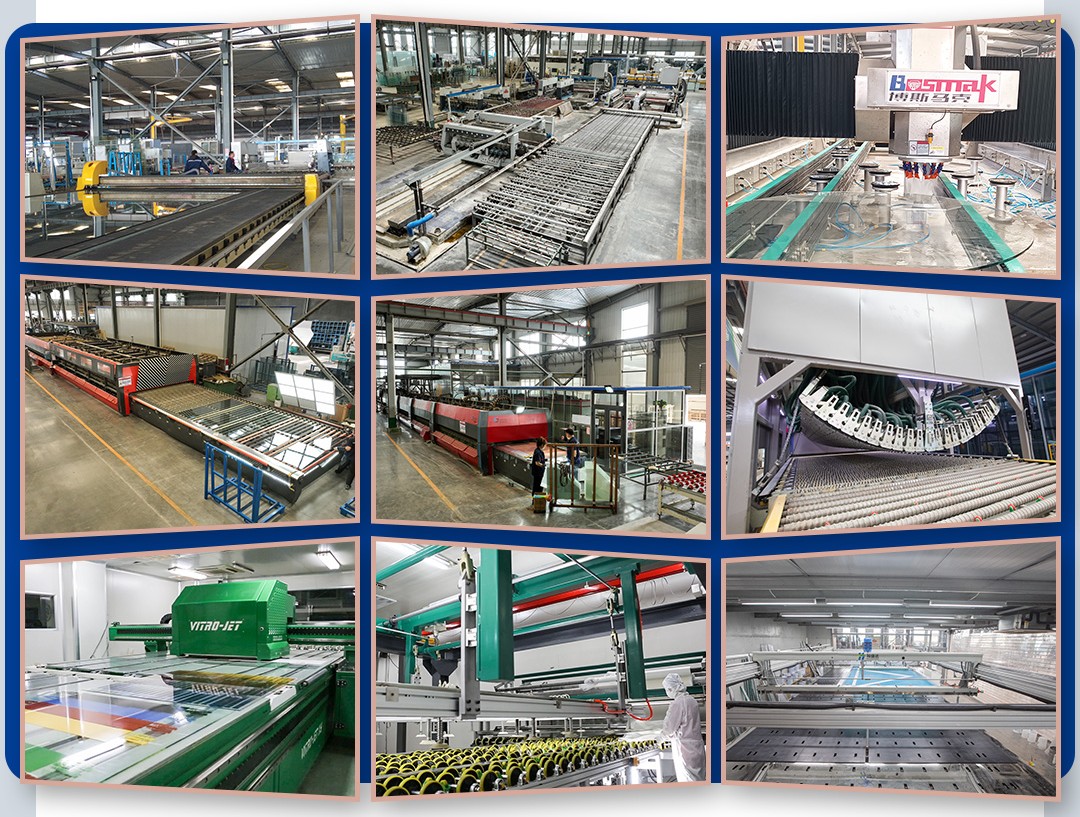
Our core advantage is built upon a strategically integrated dual-production-base model, which delivers exceptional operational resilience, flexibility, and responsiveness.
Key Strengths:
Strategic Capacity & Risk Management: The collaborative operation of two facilities allows for intelligent allocation of production and materials. This optimizes overall capacity, manages demand fluctuations, and creates a reliable supply chain buffer, significantly mitigating delivery risks associated with single-site disruptions.
Expedited Response to Urgent Needs: Our network enables rapid mobilization for priority or short-lead-time orders. Through real-time coordination, we can swiftly re-allocate resources to expedite fulfillment, helping clients seize critical market opportunities.
Consistent Quality & Unified Standards: Both facilities operate under identical, stringent quality management systems and technical protocols. This guarantees consistent product quality and craftsmanship regardless of production site, simplifying our clients' supply chain oversight.
Scale & Customization Balance: This model allows us to effectively balance high-volume standard production with specialized, customized projects. One base can focus on efficient scale, while the other handles complex, low-volume orders, offering clients both versatility and efficiency.
In essence, our dual-base system is a synergistic, intelligent supply ecosystem. It translates into tangible client value: greater delivery reliability, enhanced flexibility, and faster market response.
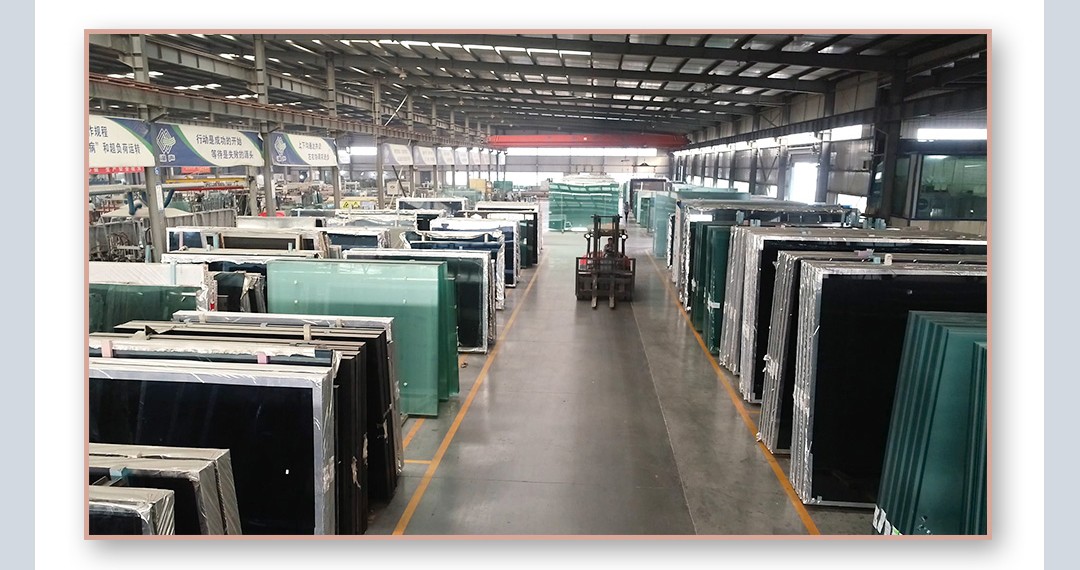
We have established direct procurement channels with premier glass substrate producers in China. This approach allows us to oversee material quality from the source and maintain a steady, predictable supply. As a result, we can offer clients greater transparency, reduce lead time variability, and ensure that every piece of glass meets our stringent standards before processing even begins.
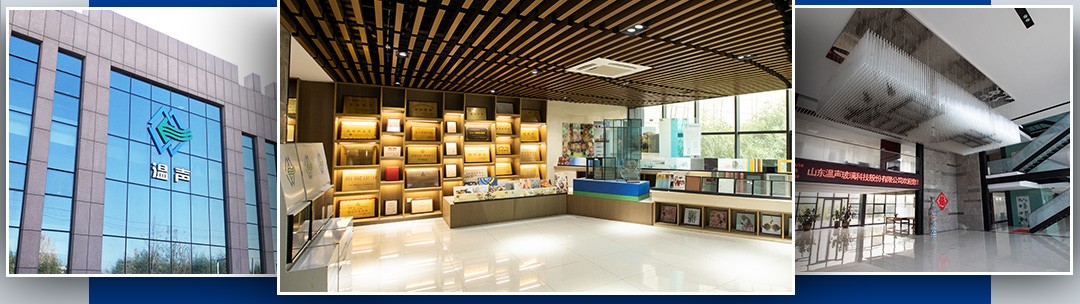
We implement a robust backup mechanism by qualifying and partnering with two or more suppliers for every vital auxiliary material. This procurement strategy is fundamental to our operational resilience. It ensures a reliable secondary source is always available, which stabilizes our production scheduling, protects against unforeseen market shortages or quality variances, and provides the flexibility to scale resources efficiently, thereby securing the consistency and timely delivery of your orders.
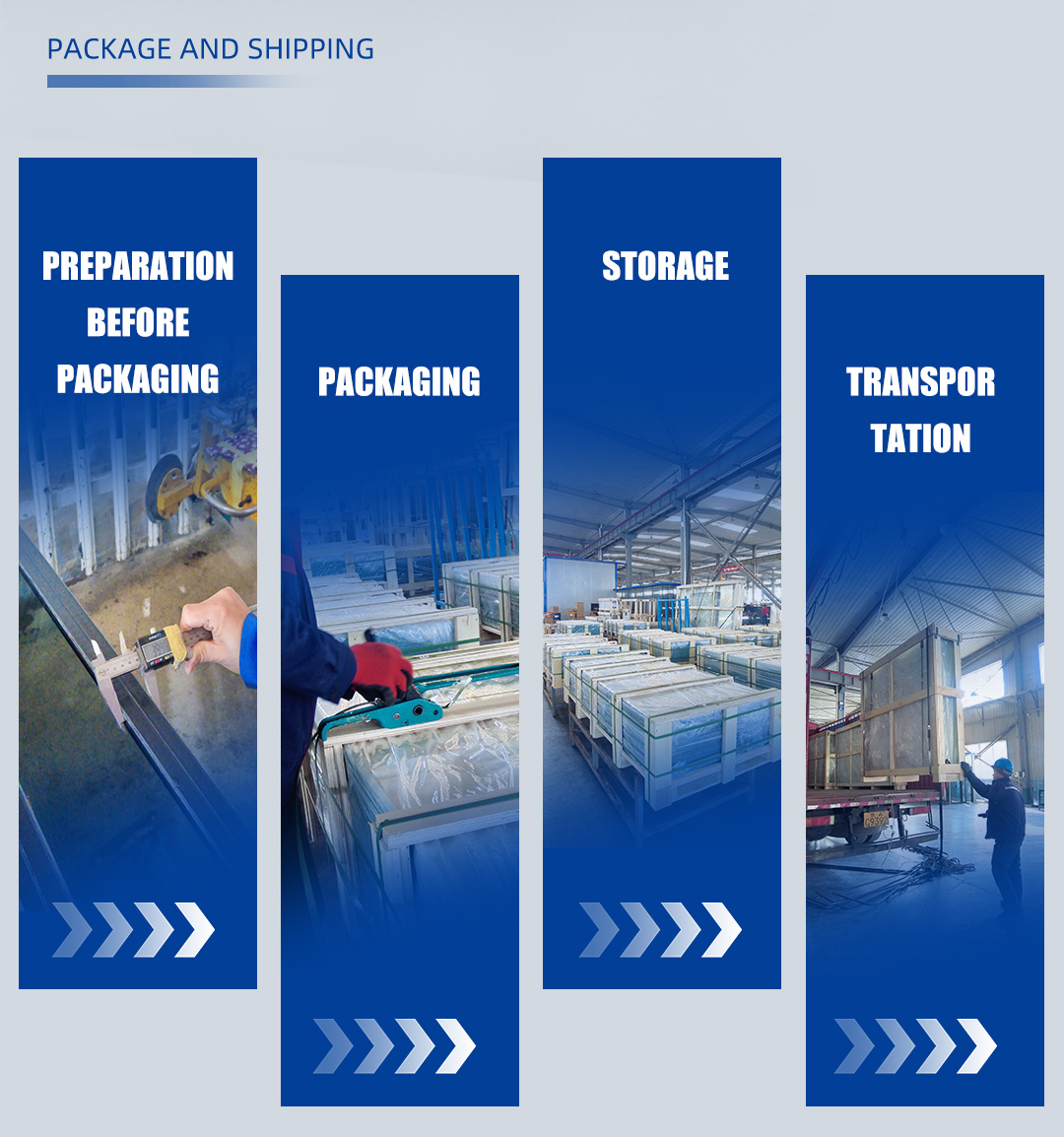
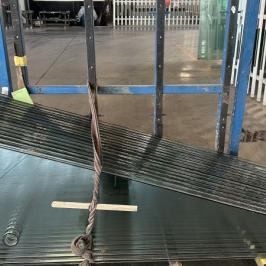
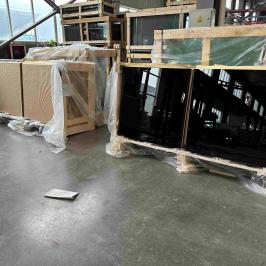
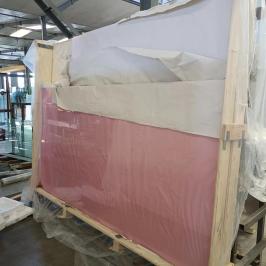
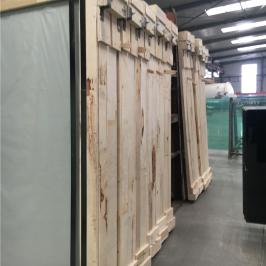
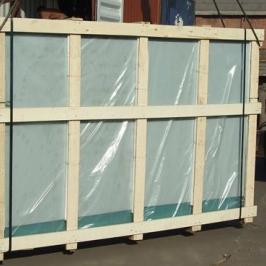
From preparation to delivery, we follow a clearly defined shipping protocol focused on care and reliability. Every piece undergoes a final quality check and is carefully cleaned before being wrapped with edge protectors and protective film. Using sturdy, weather-resistant crates or customized wooden cases, we pack the glass to prevent movement and damage. Once securely packed, orders are staged in our warehouse under controlled conditions. We manage transportation through vetted carriers specializing in glass transport, ensuring your shipment arrives safely, on schedule, and in perfect condition.
Send your message to us
Related Products

Submitted successfully
We will contact you as soon as possible
Close