
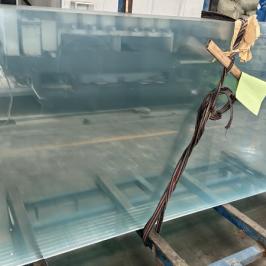
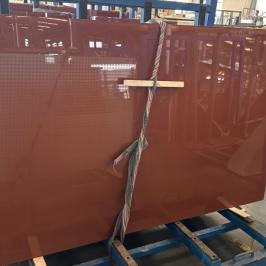
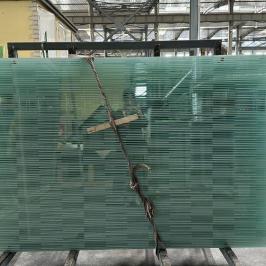
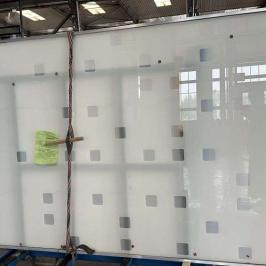
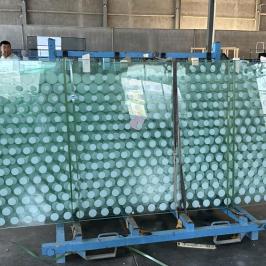
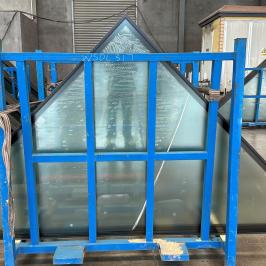
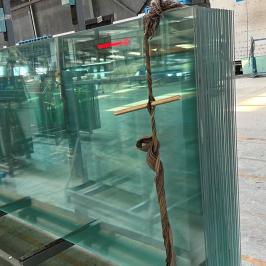
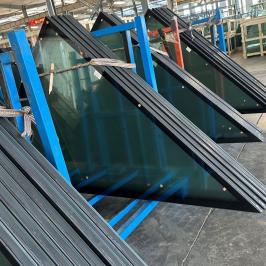




Laminated Glass for Skylights and Canopies: Benefits, Types and Buying Tips
Laminated Glass for Skylights and Canopies: Benefits, Types and Buying Tips
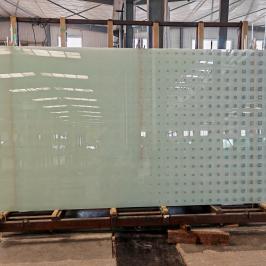
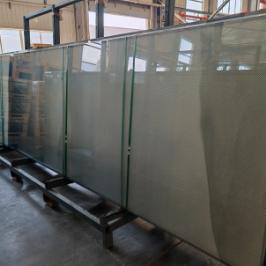
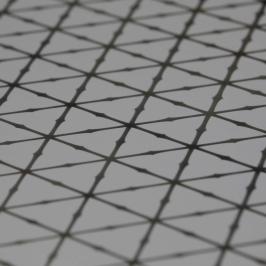
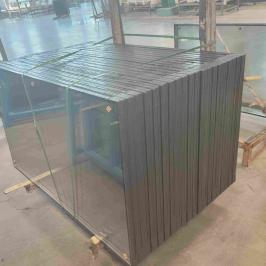
Laminated Glass for Skylights and Canopies
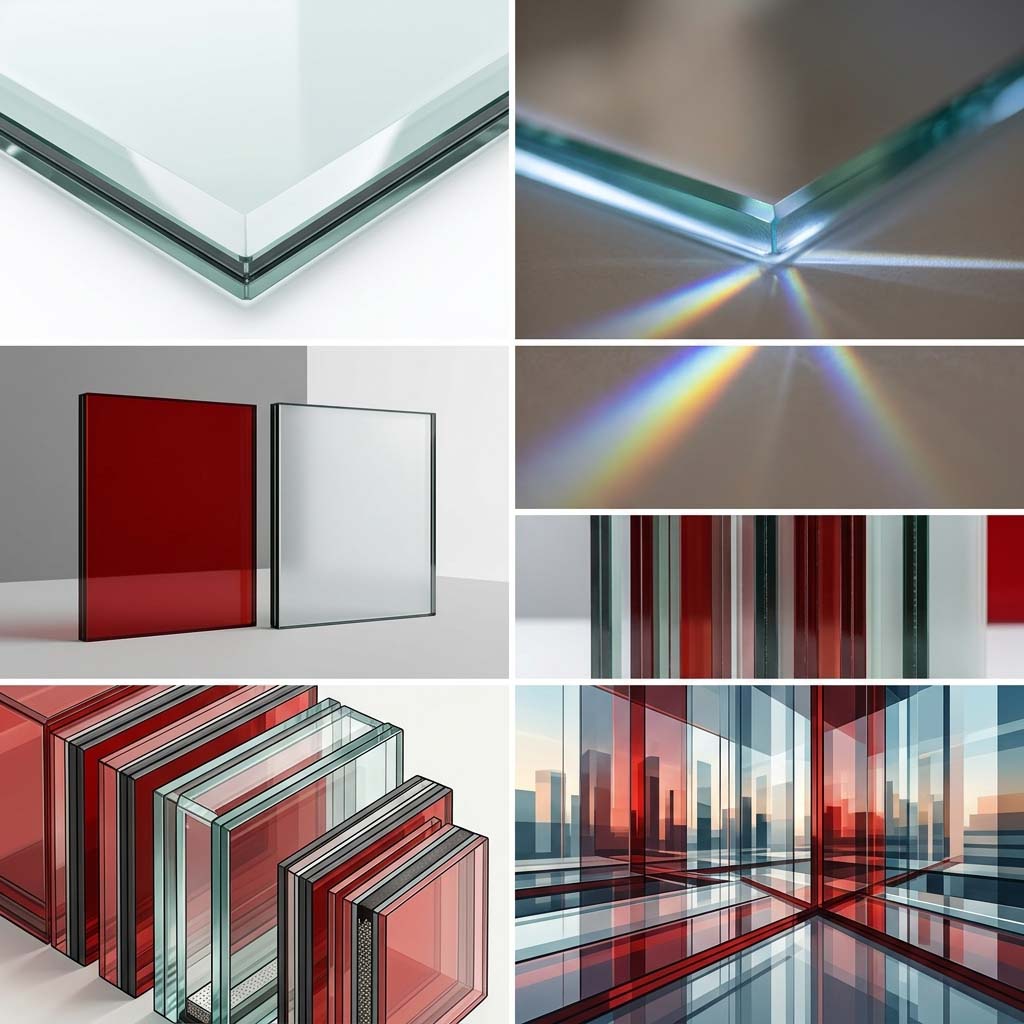
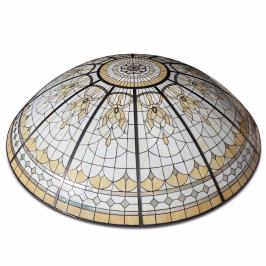
Skylights and glass canopies are common in modern architecture. They bring natural light into buildings and create a clean, open, and high-end appearance.
However, overhead glass must be selected very carefully. If the glass breaks, falling fragments may create serious safety risks. This is why laminated glass, especially tempered laminated glass, is widely used for skylights, canopies, glass roofs, and overhead glazing.
Why Laminated Glass Is Used for Overhead Applications
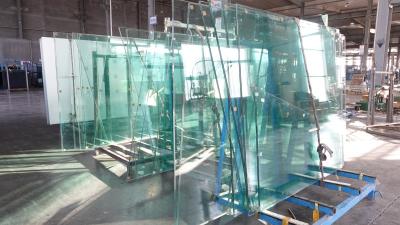
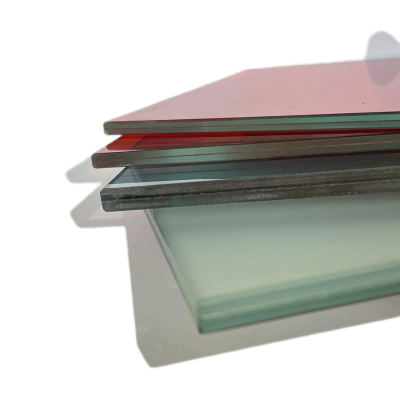
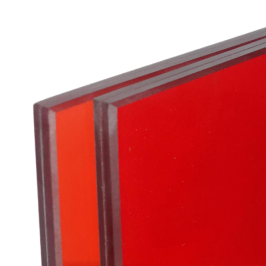
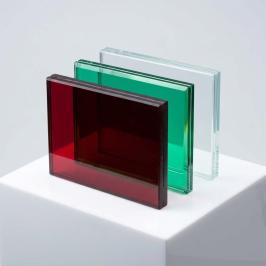
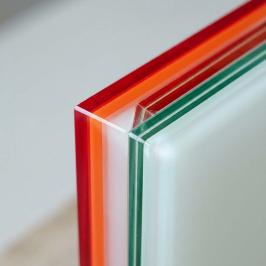
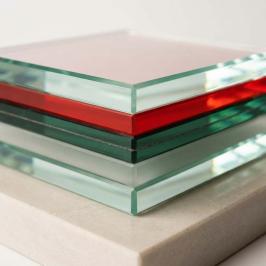
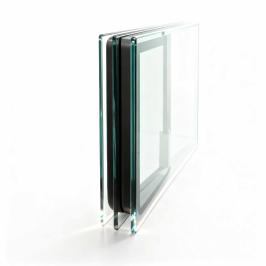
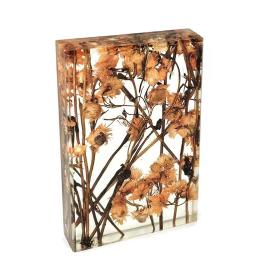
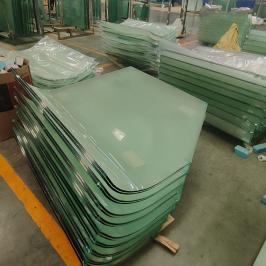
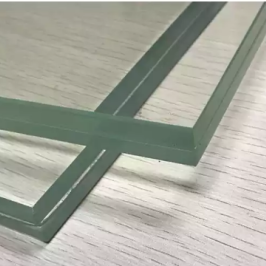
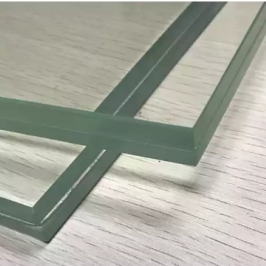
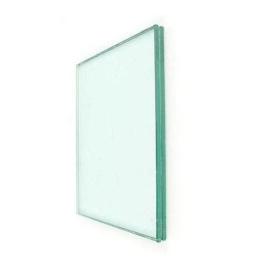
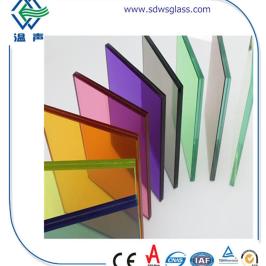
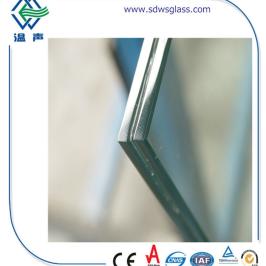
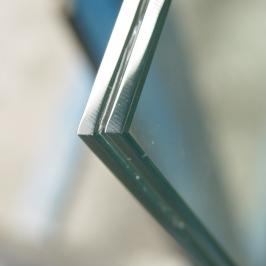
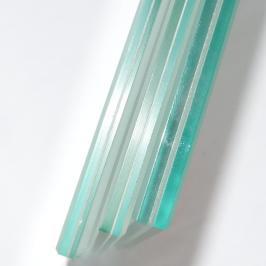
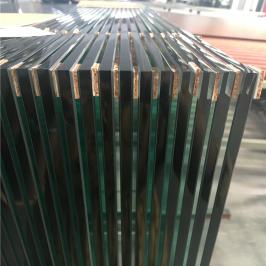
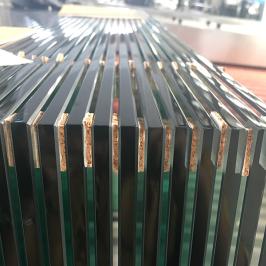
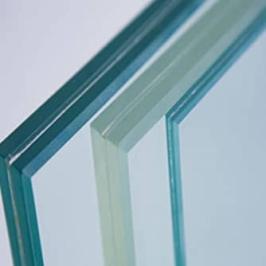
For skylights and canopies, safety is the most important factor. Laminated glass has a special interlayer between two or more glass panels. If the glass breaks, the broken pieces remain bonded to the interlayer instead of falling immediately.
This makes laminated glass much safer than ordinary glass for overhead applications.
Common Applications
Laminated glass is often used in:
residential skylights
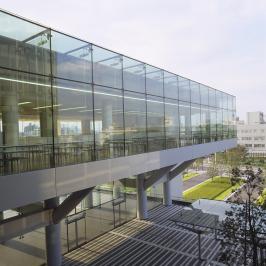
commercial glass canopies
hotel entrances
shopping mall roofs
villa sunrooms
office building atriums
walkway covers
glass corridors
carport roofs
public building entrances
In these areas, people may walk or stand under the glass, so post-breakage safety is very important.
Main Benefits of Laminated Glass for Skylights and Canopies
1. Improved Safety
The biggest benefit of laminated glass for skylights and canopies is safety. The interlayer holds the glass fragments together after breakage, reducing the risk of falling glass.
For this reason, laminated glass is usually preferred for overhead glazing.
2. Stronger Performance with Tempered Glass
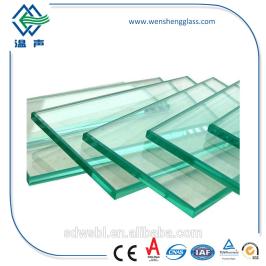
For most skylight and canopy projects, tempered laminated glass is recommended. Tempered glass provides higher strength, while laminated glass provides post-breakage safety.
This combination is suitable for areas exposed to wind, rain, impact, and temperature changes.
3. Natural Light and Modern Design
Laminated glass allows natural light to enter the building while maintaining a modern and elegant appearance. It is widely used in villas, commercial buildings, hotels, and high-end residential projects.
Ultra-clear laminated glass can be used when the project requires higher transparency and a cleaner appearance.
4. UV Protection
The interlayer in laminated glass can block part of ultraviolet rays. This helps protect indoor furniture, flooring, decorations, and displayed products from sunlight damage.
5. Noise Reduction
Laminated glass can help reduce rain noise and outdoor noise. For glass roofs, skylights, and sunrooms, this can improve indoor comfort.
Recommended Glass Types for Skylights and Canopies
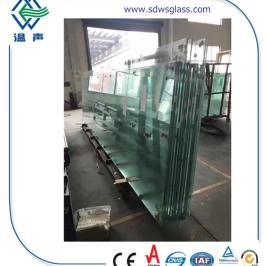
Tempered Laminated Glass
This is one of the most common choices for skylights and canopies. It combines strength and safety, making it suitable for most overhead glazing projects.
SGP Laminated Glass
SGP laminated glass has higher rigidity and stronger structural performance than standard PVB laminated glass. It is often used for large glass panels, high-end canopies, and projects with higher safety requirements.
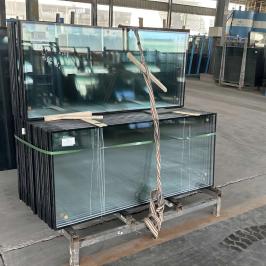
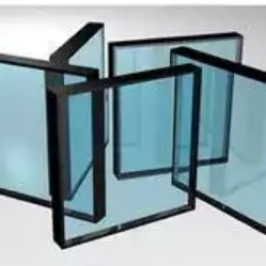
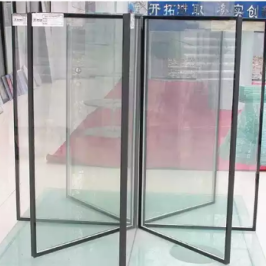
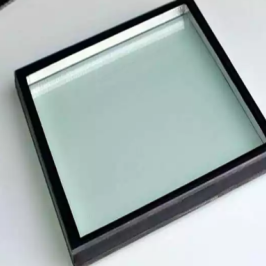
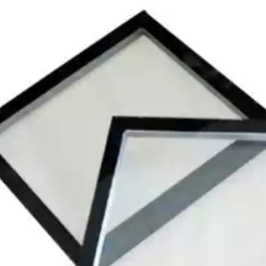
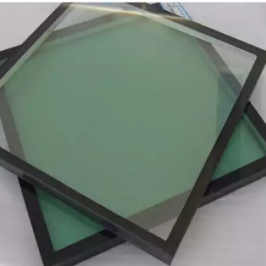
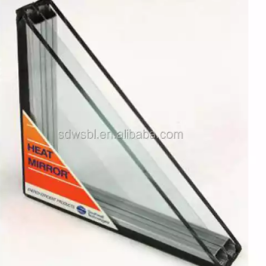
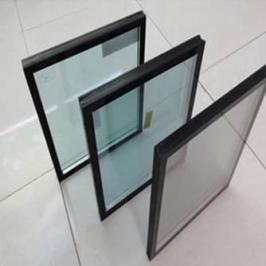
Insulated Laminated Glass
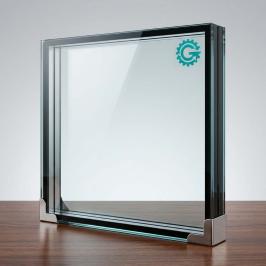
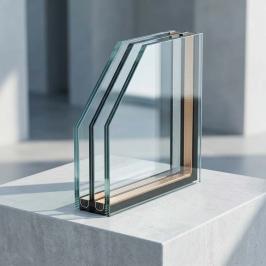
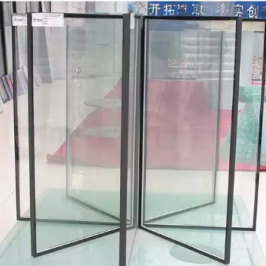
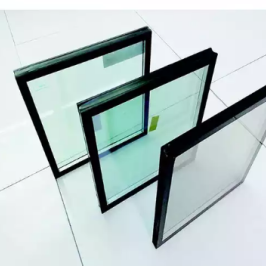
For projects requiring better thermal insulation, insulated laminated glass can be used. It combines laminated glass with an air space to improve energy efficiency and indoor comfort.
Common Thickness Options
Common laminated glass configurations for skylights and canopies include:
6+6mm tempered laminated glass
8+8mm tempered laminated glass
10+10mm tempered laminated glass
12+12mm tempered laminated glass
The final choice depends on glass size, support structure, wind load, snow load, installation angle, and safety requirements.
Large panels or frameless designs usually require stronger glass configurations.
Buying Tips for Skylight and Canopy Glass
When buying laminated glass for skylights or canopies, you should confirm:
glass size
glass thickness
whether tempered glass is required
interlayer type
installation angle
support structure
edge processing
drainage design
local climate conditions
project safety requirements
It is better to provide drawings or project details to the supplier so they can recommend a suitable glass configuration.
Installation Notes
The performance of laminated glass depends not only on the glass itself but also on the installation quality.
For skylights and canopies, pay attention to:
proper support system
edge protection
water drainage
sealant quality
thermal expansion
safe lifting and installation
professional installation team
Poor installation may cause water leakage, edge damage, or long-term safety problems.
Conclusion
Laminated glass is one of the best choices for skylights, canopies, glass roofs, and overhead glazing. It offers better safety, good transparency, UV protection, and design flexibility.
For most projects, tempered laminated glass or SGP laminated glass is recommended to achieve better strength and long-term performance.
FAQ
Q1: Can laminated glass be used for skylights?
Yes. Laminated glass is commonly used for skylights because it provides better safety after breakage.
Q2: What glass is best for canopies?
Tempered laminated glass is commonly recommended for canopies because it offers both strength and safety.
Q3: Is SGP laminated glass suitable for skylights?
Yes. SGP laminated glass is suitable for high-end skylights, large panels, and projects with higher structural requirements.
Q4: Can laminated glass reduce rain noise?
Yes. The interlayer can help reduce noise, including rain noise and outdoor sound.