













The Project-Specific Guide: Selecting the Right Insulated Glass for Residential, Commercial, and Specialist Applications
The Project-Specific Guide: Selecting the Right Insulated Glass for Residential, Commercial, and Specialist Applications
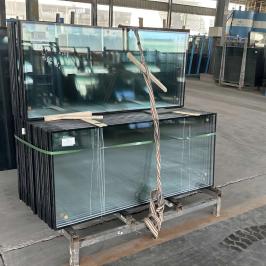
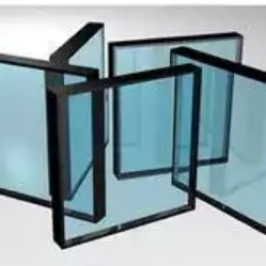
Choosing insulated glass is not a one-size-fits-all decision. The optimal specification for a high-rise urban apartment differs vastly from that of a coastal home or a sound-sensitive recording studio. This guide provides a project-focused framework for architects, builders, and homeowners to specify the perfect Insulated Glass Unit (IGU) based on building type, location, and core performance requirements.
Part 1: Performance Priorities by Project Type
A. Residential Projects: Balancing Comfort, Aesthetics, and Budget
Residential applications prioritize livability and long-term value. The focus shifts based on climate and site conditions.
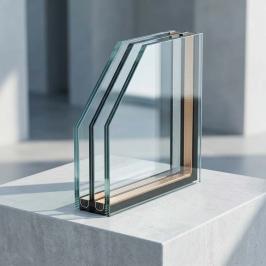
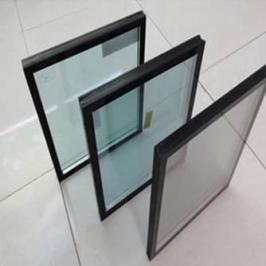
Standard Single-Family Homes (Temperate Climates): A high-quality double-glazed IGU with a Low-E coating and argon gas fill is the performance and value sweet spot. Prioritize a low U-Factor for year-round temperature stability and a moderate SHGC. A warm edge spacer is recommended to prevent edge condensation.
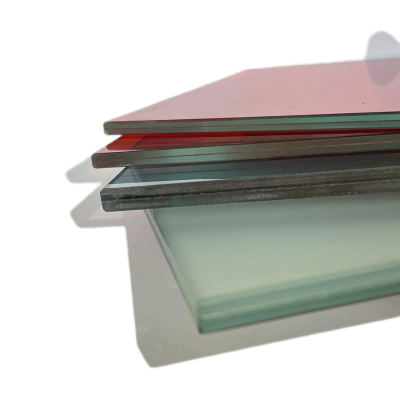
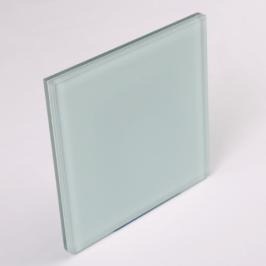
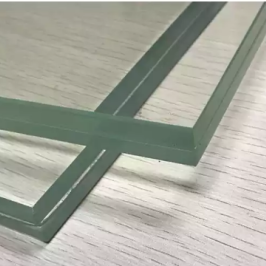
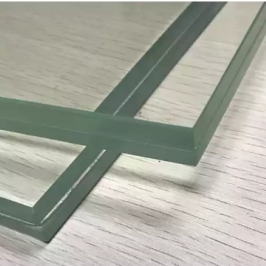
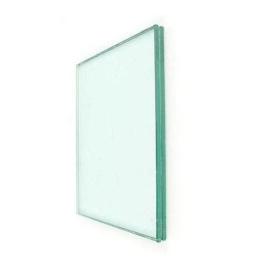
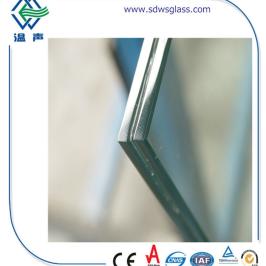
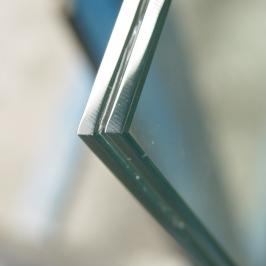
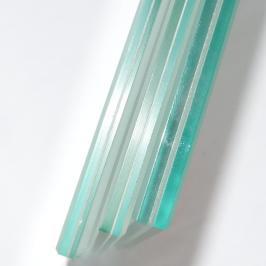
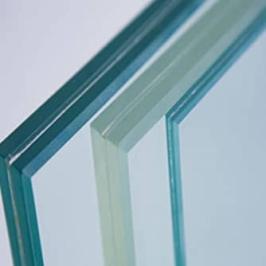
Urban Apartments & Condos (Noise-Prone Areas): Acoustic performance is paramount. Look for IGUs featuring laminated glass (the PVB interlayer is an excellent sound damper) combined with an asymmetrical pane thickness (e.g., 6mm outer + 4mm inner) and a wider air gap. This combination disrupts a broader range of sound frequencies.
Coastal or High-Sun Properties: Solar control and material resilience are key. Specify a solar control Low-E coating with a very low SHGC to reduce heat gain and glare. For coastal homes, consider laminated glass for its impact resistance and check that all components (spacers, sealants) are rated for high-humidity, saline environments.
B. Commercial & High-Rise Projects: Performance at Scale
Here, the focus is on large-scale energy management, occupant comfort, structural integrity, and facade aesthetics.
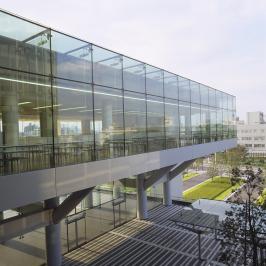
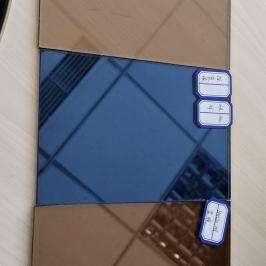
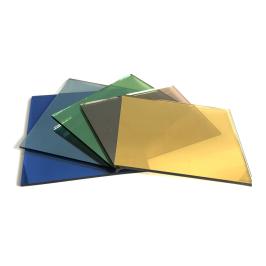
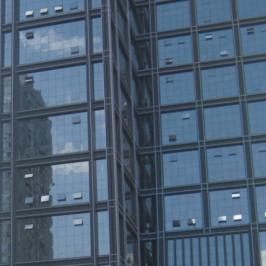
Commercial Curtain Walls & Office Buildings: Overall thermal efficiency and solar management drive down HVAC costs. Tinted or reflective glass combined with a pyrolytic (hard-coat) Low-E is common for spandrel areas, while vision glass may use a sputtered (soft-coat) Low-E for higher performance. Structural glazing systems demand rigorous testing for air/water infiltration and wind load resistance.
High-Rise Residential Towers: In addition to thermal and solar needs, wind pressure resistance and acoustic insulation are critical. Glass thickness and the IGU’s structural design must meet stringent engineering standards. Laminated outer panes are often specified for enhanced safety and sound damping.
C. Specialist & Institutional Applications: Meeting Extreme Demands
These projects have non-negotiable performance criteria that define the specification.
Studios, Theaters, & Hospitals: Maximum acoustic insulation. This often requires triple glazing with laminated components, two different gas-filled cavities, and specialized acoustic laminate interlayers. The goal is to achieve high Sound Transmission Class (STC) and Outdoor-Indoor Transmission Class (OITC) ratings.
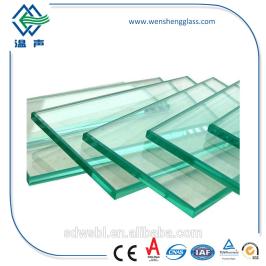
Conservatories & Skylights (Overhead Glazing): Safety, solar control, and condensation management are vital. Tempered or laminated safety glass is mandatory. Use a heat-strengthened or tempered outboard pane with a Low-E coating on surface #2 (facing the air gap) for optimal performance. A warm edge spacer is essential to prevent condensation drip.
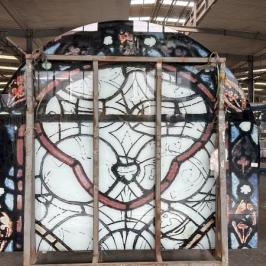
Historical Renovations: The challenge is upgrading performance while preserving aesthetics. Custom slim-profile IGUs that fit original narrow sightlines are available. Restoration glass with authentic waviness can be incorporated into a sealed, high-performance unit.
Part 2: The Specification Checklist: Translating Needs into Technical Details
When writing a project specification or requesting quotes, include these key parameters:
Glazing Type: Double Glazed or Triple Glazed?
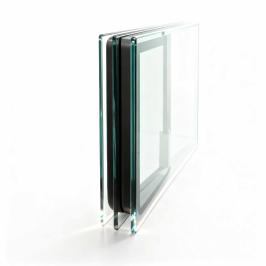
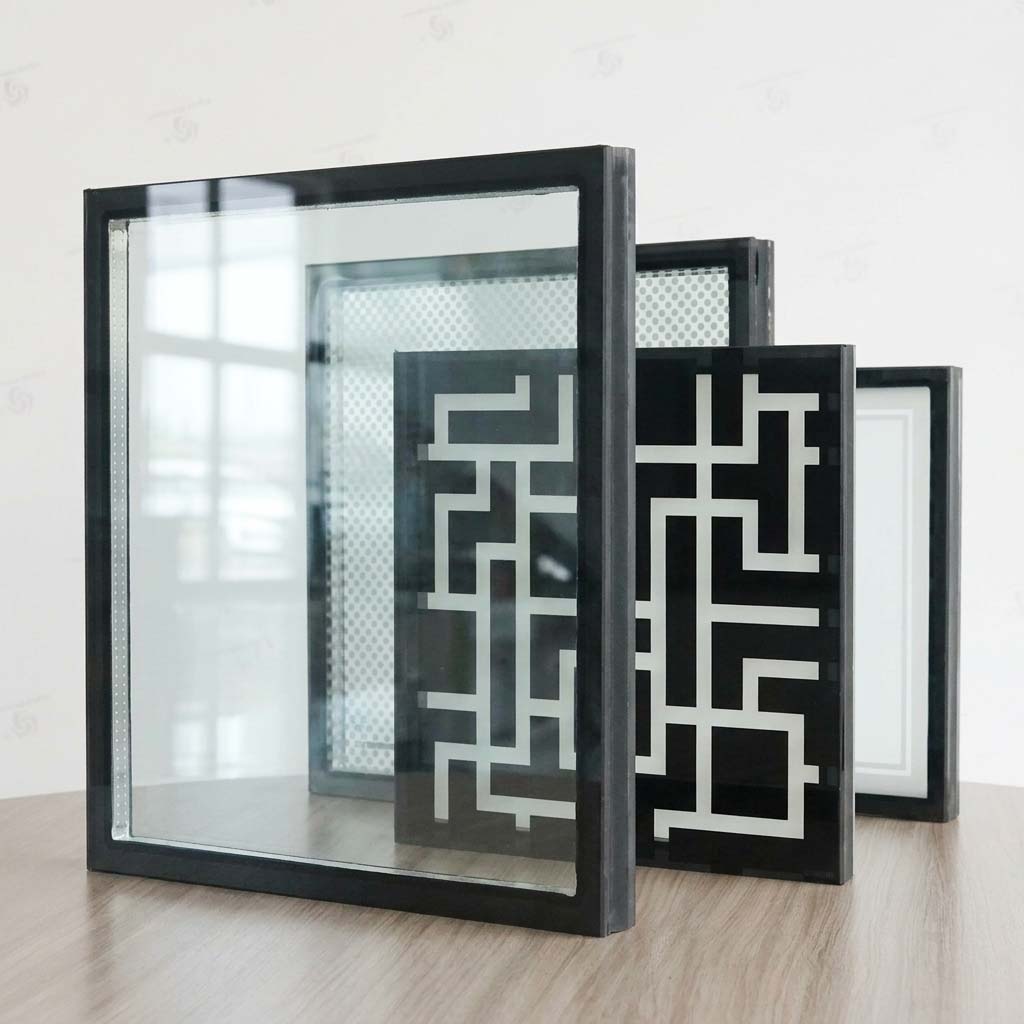
Glass Make-Up: (e.g., 6mm Clear Heat Strengthened Outer / 16mm Argon Cavity / 6mm Clear Laminated Inner with Low-E on Surface #3).
Coating Type: Passive Low-E or Solar Control Low-E? Specify the target U-Factor and SHGC.
Gas Fill: Argon (standard) or Krypton (for thin cavities or ultra-high performance)?
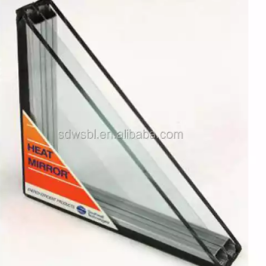
Spacer System: Aluminum, Stainless Steel, or Thermoplastic (Warm Edge)?
Performance Certifications: Ensure the glazing system meets or exceeds local building codes (e.g., ENERGY STAR, NFRC ratings in the US, CE marking in Europe).
Part 3: Sourcing and Implementation: Partnering for Success
Work with a Specialist Glazing Consultant or Fabricator: For complex projects, their expertise in balancing performance, aesthetics, and budget is invaluable.
Request Mock-ups and Performance Data: For large or unique projects, insist on a physical sample unit and certified test reports from an independent lab.
Consider the Full System: The IGU is the heart, but the window or curtain wall frame, gaskets, and installation are the arteries. Ensure all components are compatible and designed to work together.
Conclusion: A Strategic Building Block
Specifying the right insulated glass is a critical, strategic decision in any building project. By first defining the project’s core needs—be it acoustic isolation for a library, solar rejection for a desert office, or historic authenticity for a renovation—you can then navigate the technical specifications with confidence. The result is a building that not only looks exceptional but performs efficiently, comfortably, and durably for decades, delivering a true return on investment.