





Advanced Technologies and Trends in Modern Insulated Glass
The Future of Fenestration: Advanced Technologies and Trends in Modern Insulated Glass
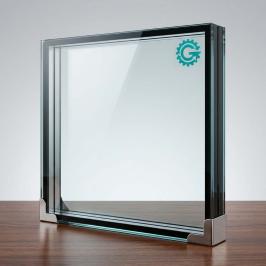
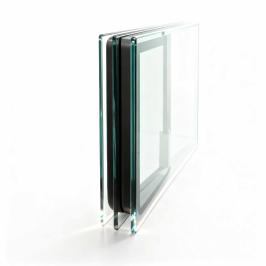
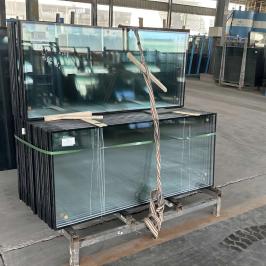
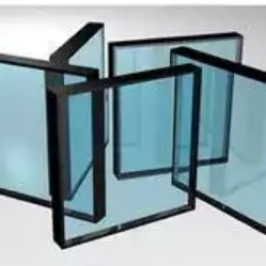
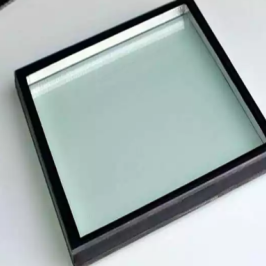
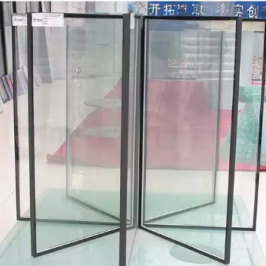
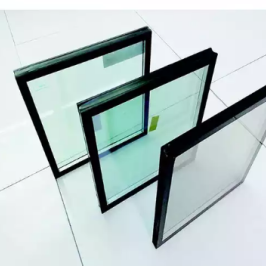
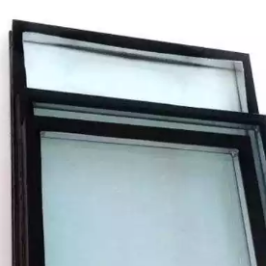
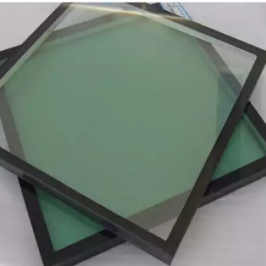
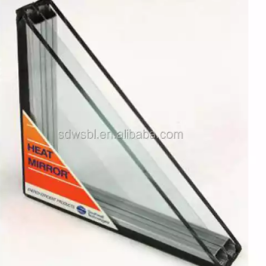
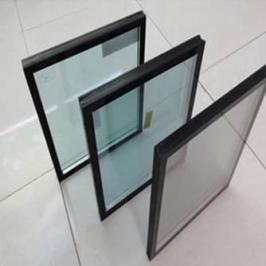
The insulated glass unit (IGU) has evolved from a simple double-pane window into a sophisticated building component that is central to modern architecture, energy regulations, and occupant wellness. This article explores the cutting-edge technologies, innovative designs, and emerging trends that are defining the next generation of high-performance glazing.
Beyond the Pane: Core Innovations in IGU Components
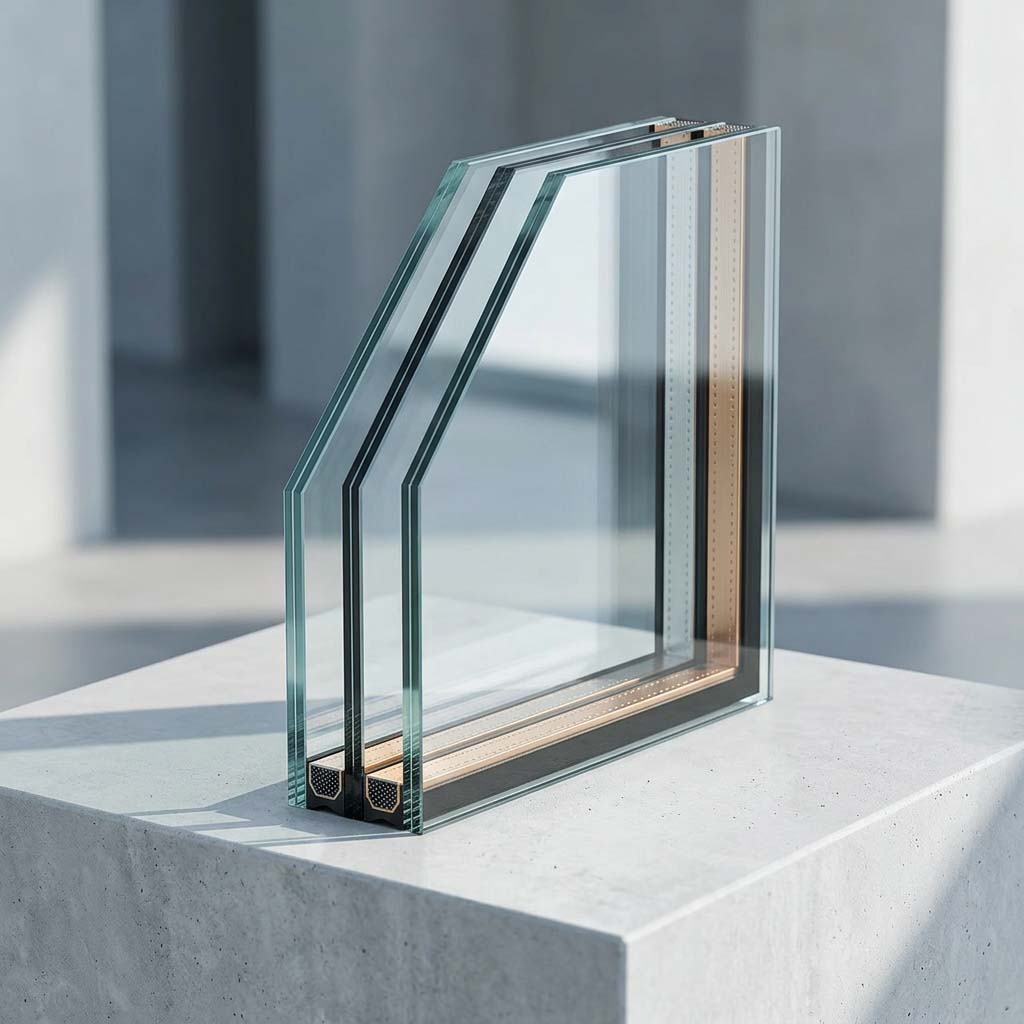
The performance of an insulated glass unit is a sum of its engineered parts. The latest advancements are pushing the boundaries of each component:
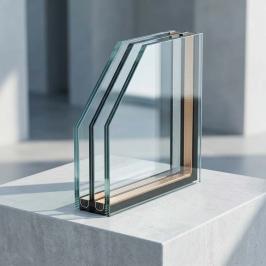
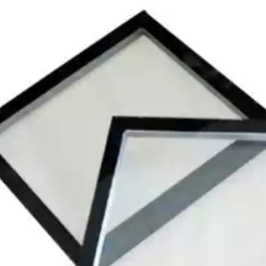
Spacer Technology Evolution: The move from traditional aluminum spacers to warm edge spacer technology is critical. Modern spacers made from stainless steel composites, foam, or thermoplastic materials (like TPS) dramatically reduce thermal conductivity at the glass edge. This "thermal bridge break" significantly improves overall U-values, minimizes condensation risk, and extends the unit’s service life.
Gas Fill Innovations: While Argon gas remains the industry standard for its cost-effective performance, Krypton gas is increasingly specified for thinner, high-performance units due to its lower conductivity. In ultra-premium applications, a Xenon gas fill is emerging. The choice of gas is now a precise calculation based on cavity width, performance targets, and budget, directly impacting the final window’s thermal performance.
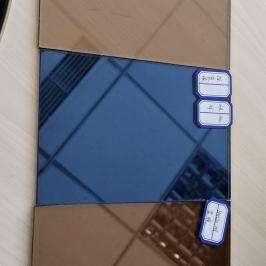
Advanced Glass Coatings: Today’s Low-E coatings are spectrally selective, engineered for specific climate zones. Solar control Low-E coatings prioritize a lower Solar Heat Gain Coefficient (SHGC) for hot climates, while passive Low-E coatings maximize solar heat gain for cooler regions. New developments include triple-silver Low-E coatings for unparalleled clarity and performance, and electrochromic glass, which can tint on demand for dynamic solar control.
Design and Integration: Pushing Architectural Boundaries
Modern architectural applications demand more than just performance; they demand form and function in unity.
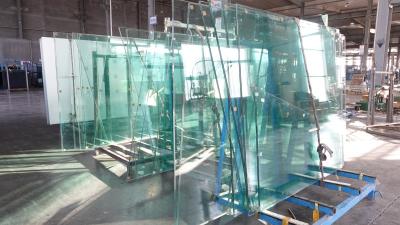
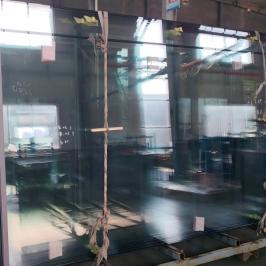
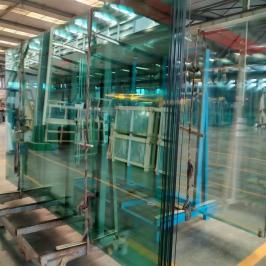
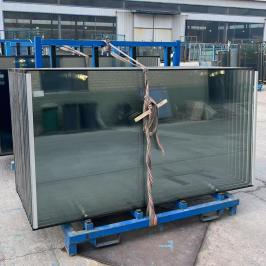
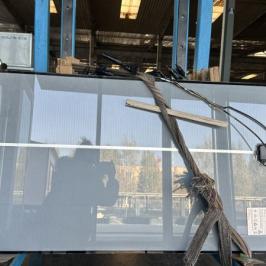
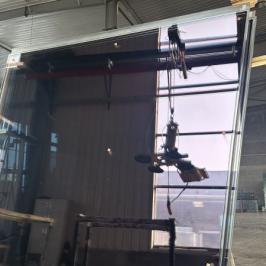
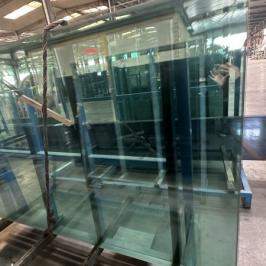
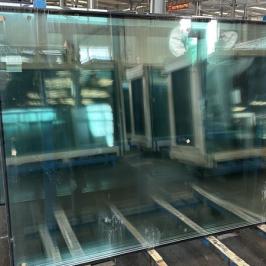
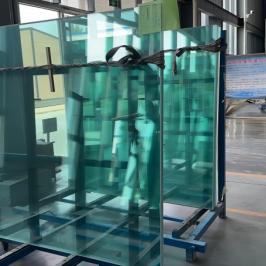
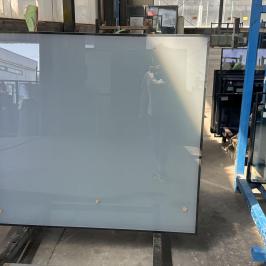
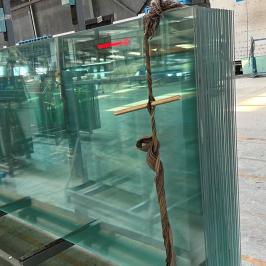
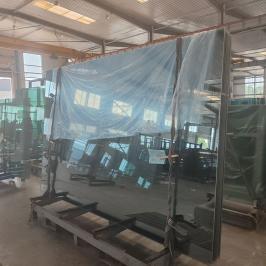
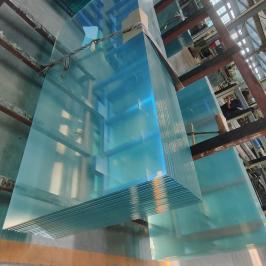
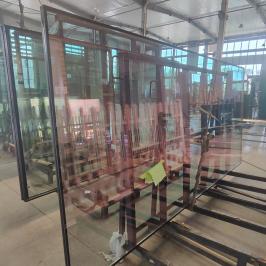
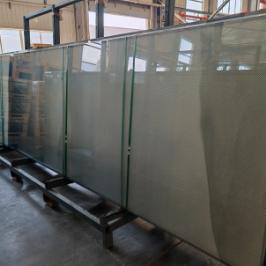
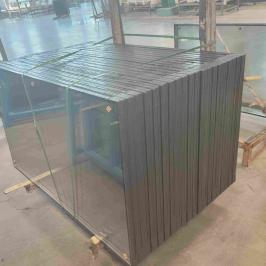
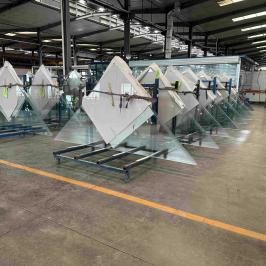
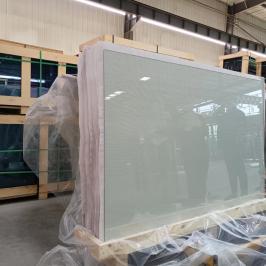
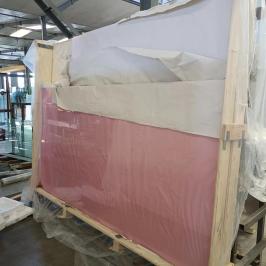
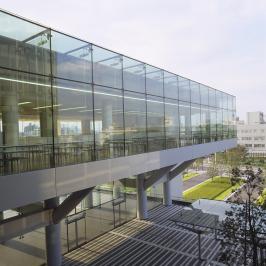
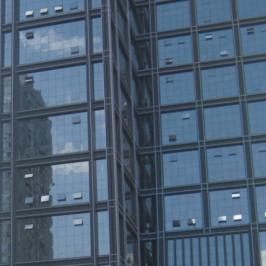
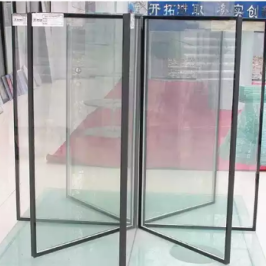
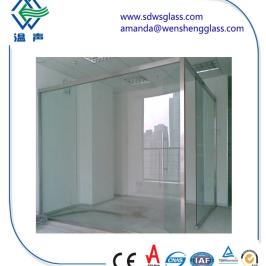
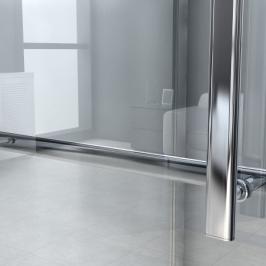
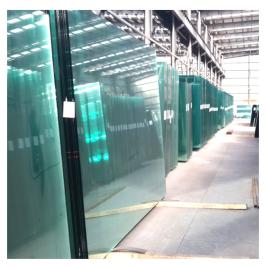
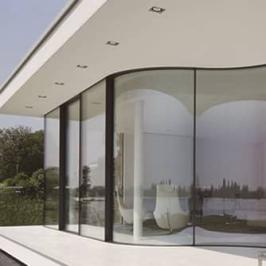
Large-Format and Structural Glazing: The ability to produce and install massive, seamless insulated glass units is enabling stunning curtain walls and uninterrupted views. Structural glazing systems, which bond the glass directly to the building frame, offer sleek, minimalistic aesthetics.
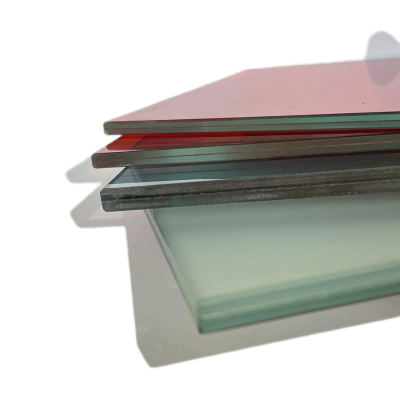
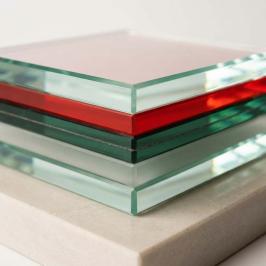
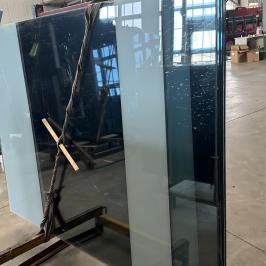
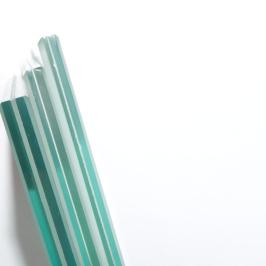
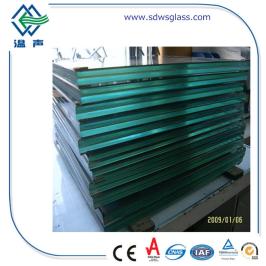
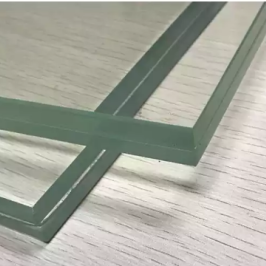
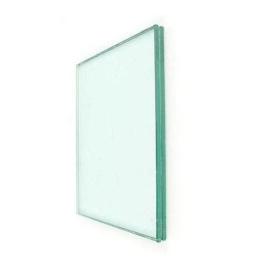
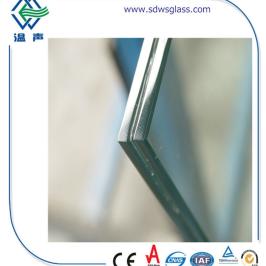
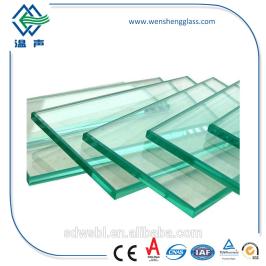
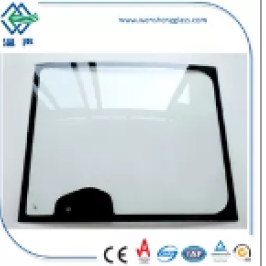
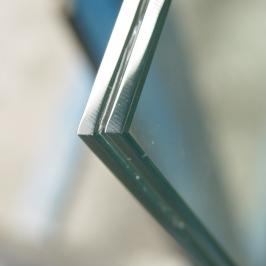
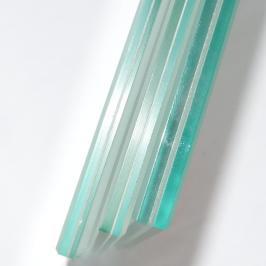
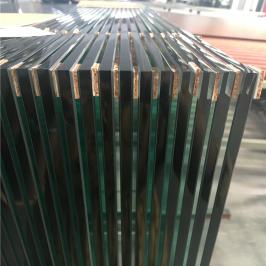
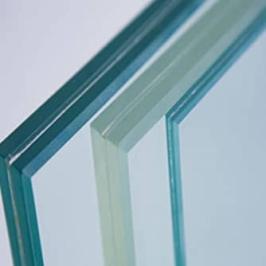
Integrated Functionality: IGUs are becoming multi-functional building skins. This includes the integration of safety glazing like laminated or thermally tempered glass within the unit, or the combination with acoustic laminated glass layers for superior noise reduction in urban environments.
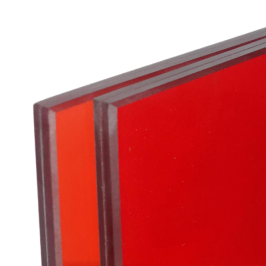
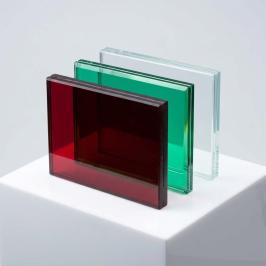
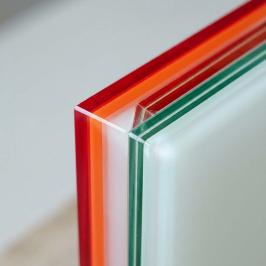
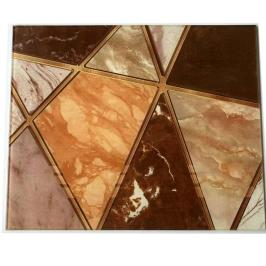
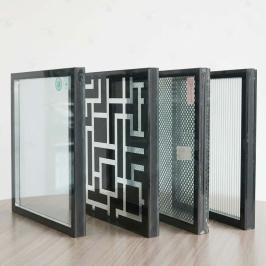
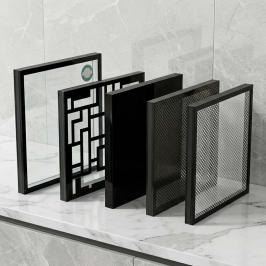
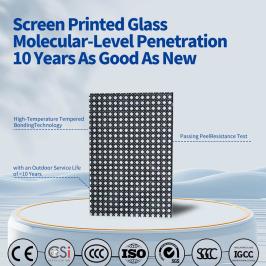
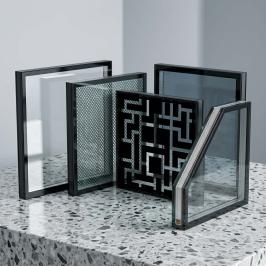
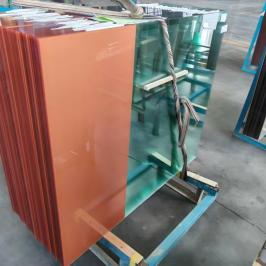
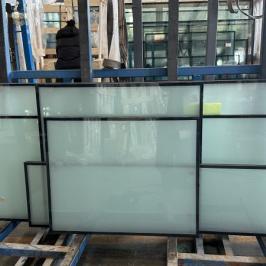
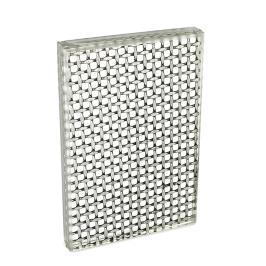
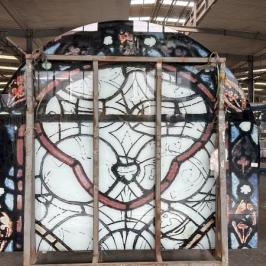
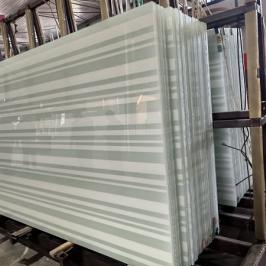
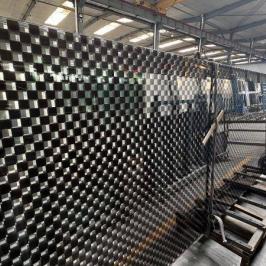
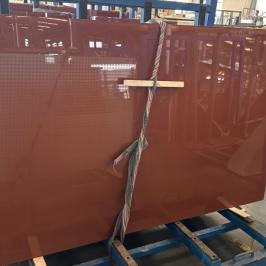
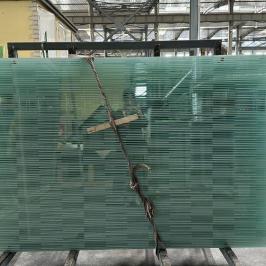
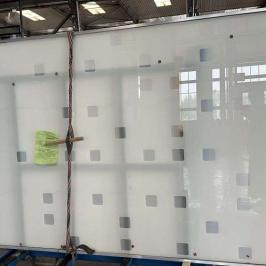
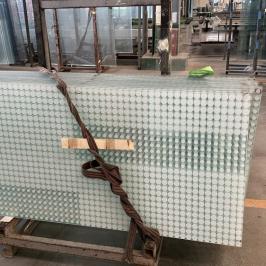
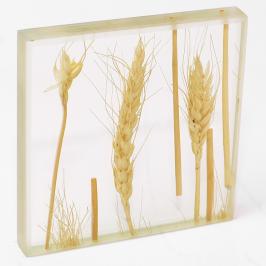
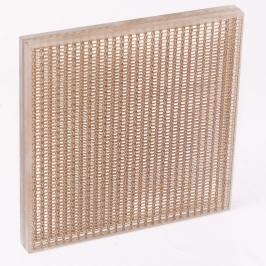
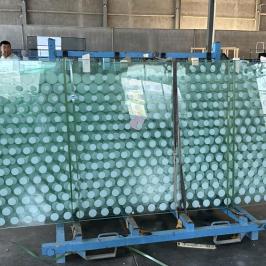
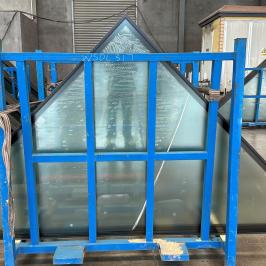
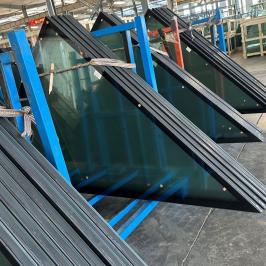
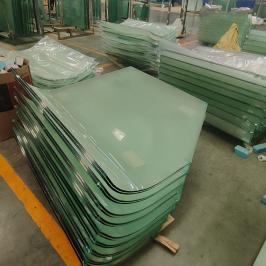
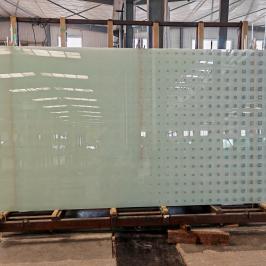
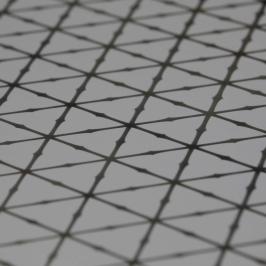
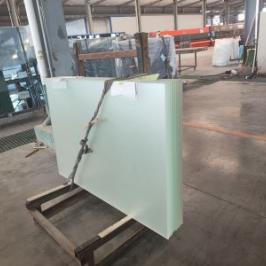
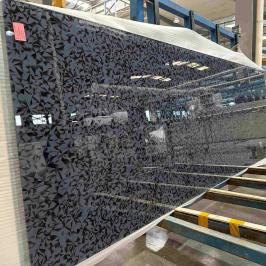
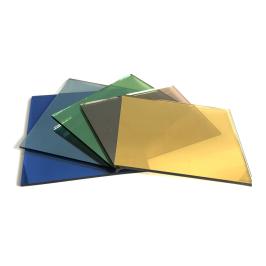
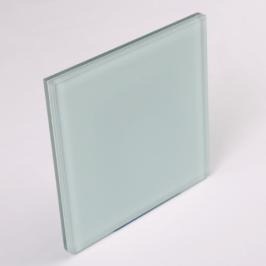
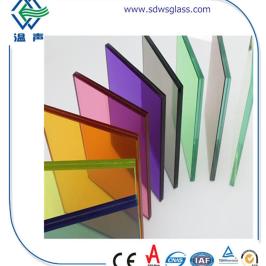
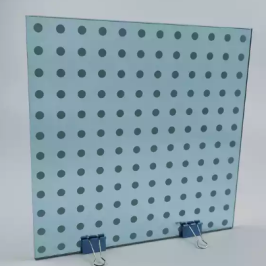
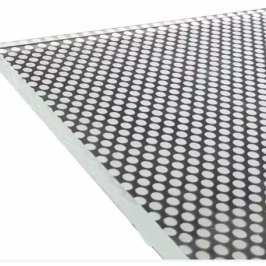
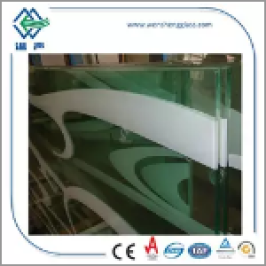
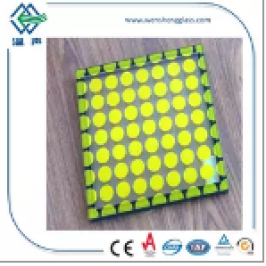
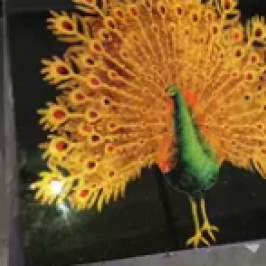
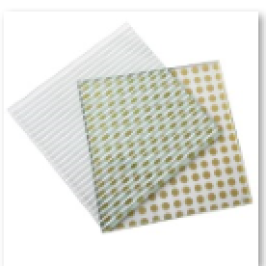
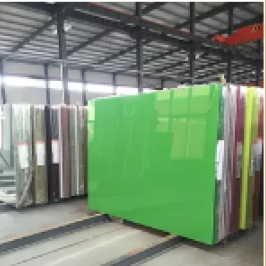
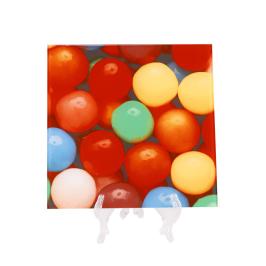
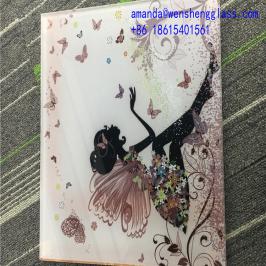
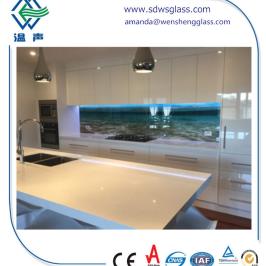
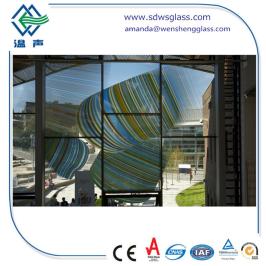
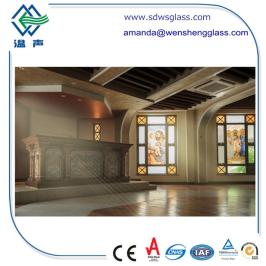
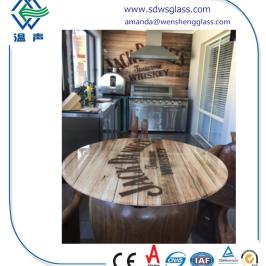
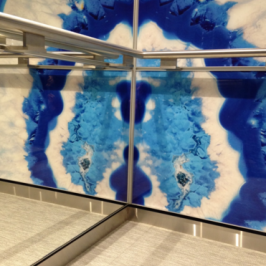
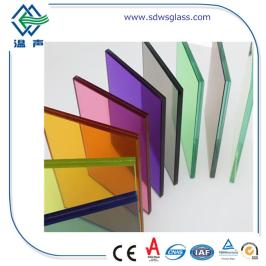
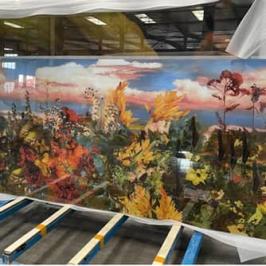
Customization and Aesthetics: Beyond clear glass, options abound. Decorative interlayers, ceramic frit patterns, silk-screened designs, and even integrated blinds or blinds between the panes are offered, allowing for unique facade design and light control.
The Cutting Edge: Emerging Technologies and Sustainability
The horizon for insulated glass is focused on intelligence, ultimate performance, and green building integration.
Vacuum Insulated Glass (VIG): This revolutionary technology creates a near-perfect vacuum between two glass panes, achieving thermal performance comparable to a thick triple-glazed unit in a slim profile. VIG represents the next leap in energy efficiency, especially for retrofit projects with space constraints.
Smart and Dynamic Glazing: Windows are becoming interactive. Electrochromic (EC) and Suspended Particle Device (SPD) glazing allow users to electronically control tint, managing glare, light, and heat gain instantly. Thermochromic and photochromic glass, which react to temperature or sunlight, offer a passive smart solution.
Sustainability and Lifecycle Focus: The industry is moving towards greater sustainability. This includes the use of recycled glass cullet, the development of bio-based or more eco-friendly sealants, and designing IGUs for easier disassembly and recycling at end-of-life. High-performance glazing is a cornerstone for achieving LEED certification and other green building standards, contributing directly to a building’s energy efficiency goals.
Conclusion: A Clear Vision for Tomorrow's Buildings
Modern insulated glass is no longer a commodity but a high-tech, customizable building system. From advanced spacer and gas technologies to dynamic smart glass and vacuum innovations, the focus is on creating building envelopes that are highly energy-efficient, responsive to their environment, and integral to occupant health and architectural expression. For architects, builders, and developers, specifying the right IGU technology is a critical decision that impacts a building’s performance, aesthetics, and value for decades to come.