



























Soundproof Laminated Glass: How It Reduces Noise in Buildings
Soundproof Laminated Glass: How It Reduces Noise in Buildings
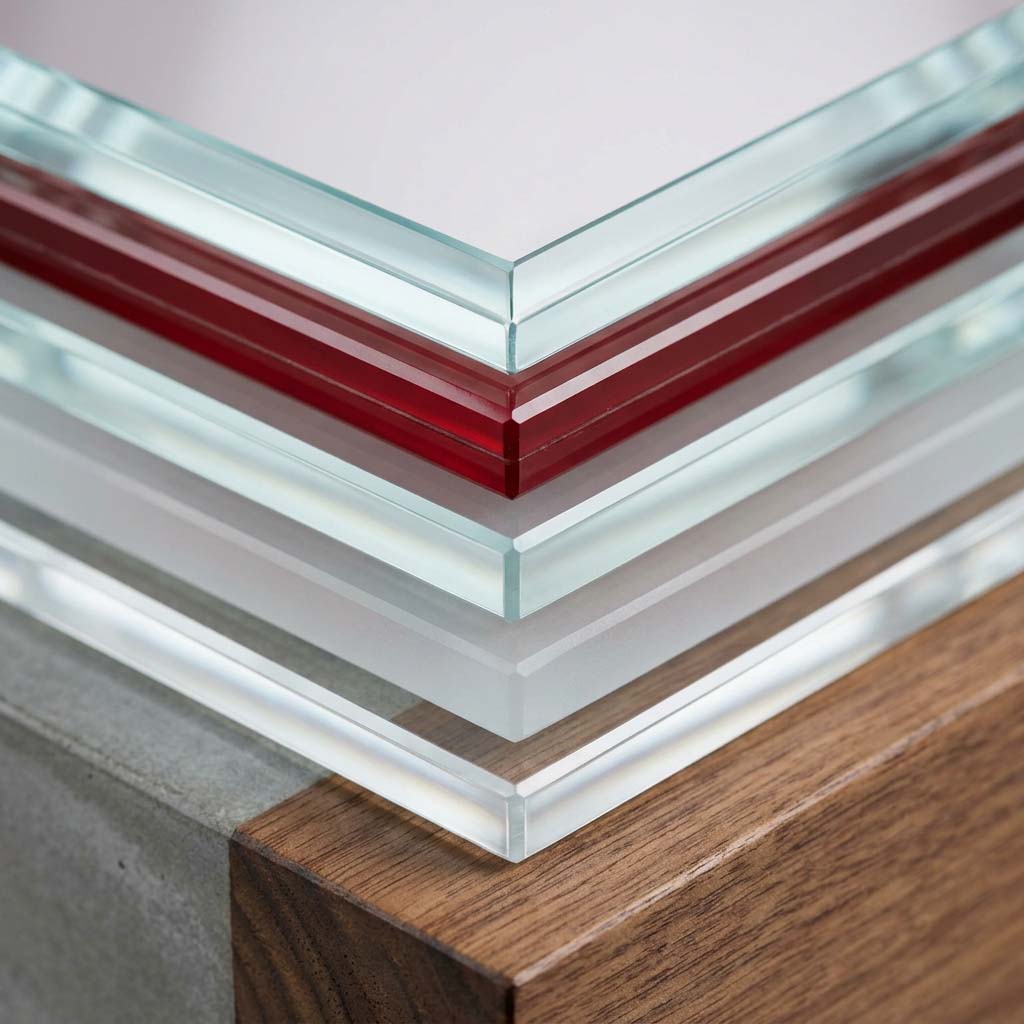
Soundproof Laminated Glass for Modern Buildings
Noise pollution is a common problem in modern cities. Homes, hotels, offices, schools, hospitals, and commercial buildings are often affected by traffic noise, construction noise, railway noise, airport noise, and other outdoor sounds.
For many building projects, normal glass may not provide enough sound insulation. This is why soundproof laminated glass, also called acoustic laminated glass, is widely used in noise-sensitive environments.
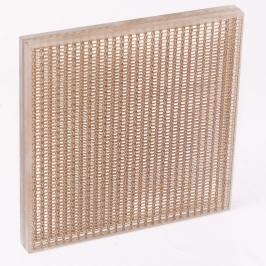
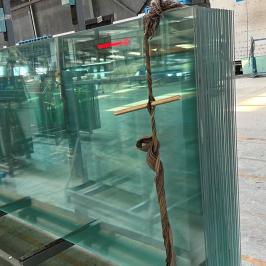
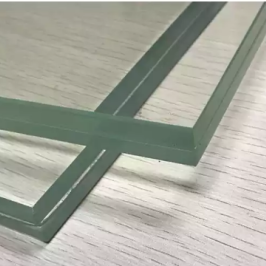
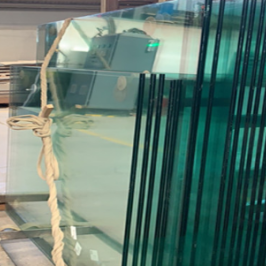
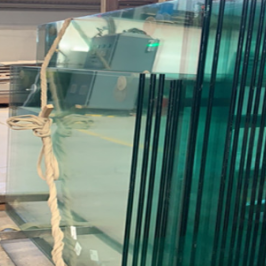
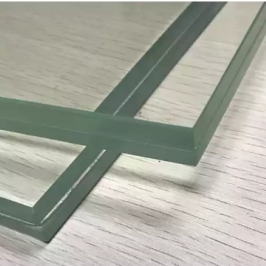
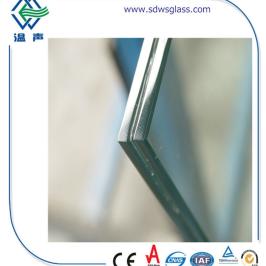
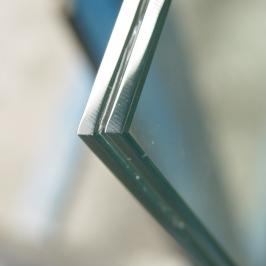
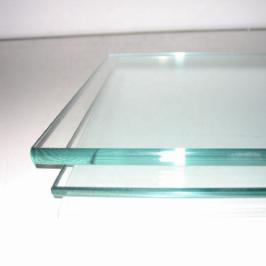
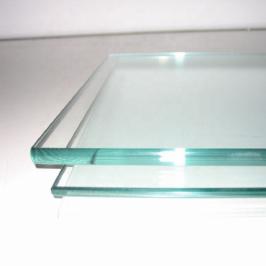
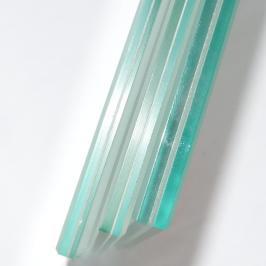
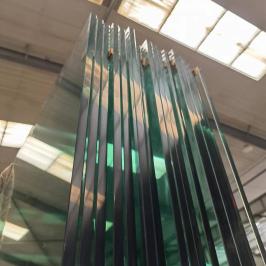
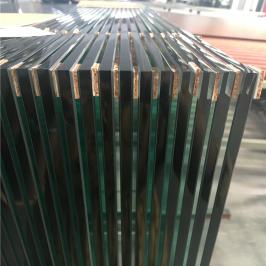
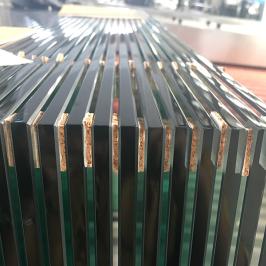
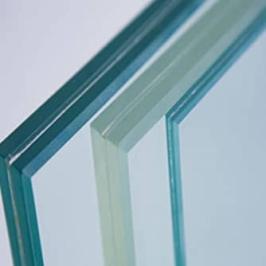
Laminated glass has a special interlayer between two or more glass panels. This interlayer can help reduce sound transmission and improve indoor comfort.
What Is Soundproof Laminated Glass?
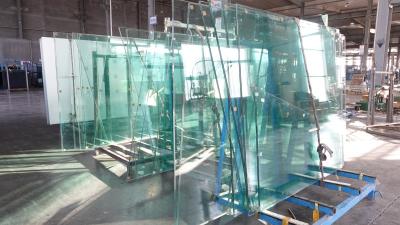
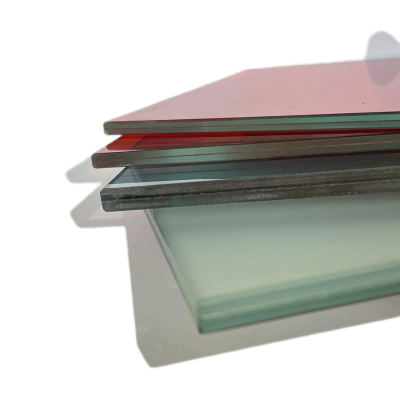
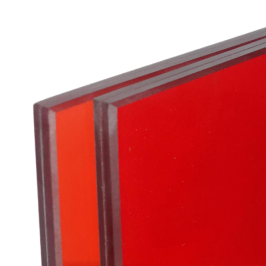
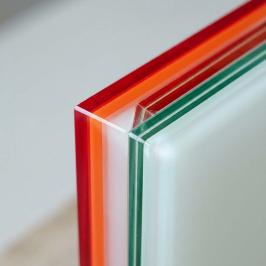
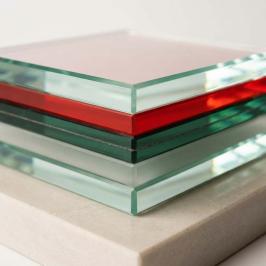
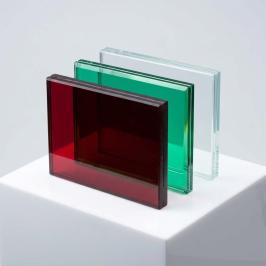
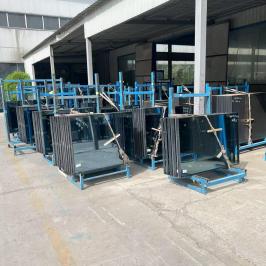
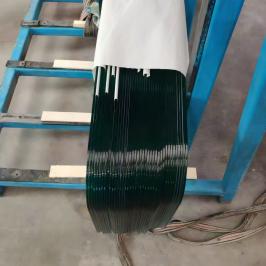
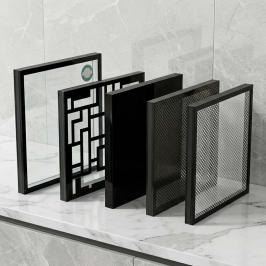
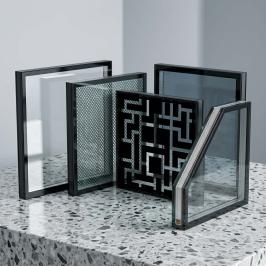
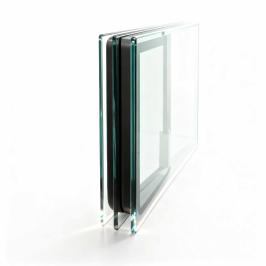
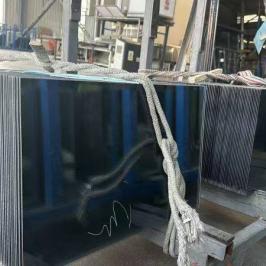
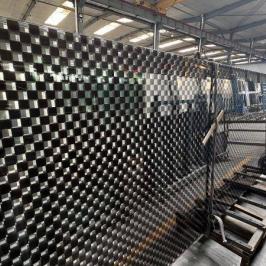
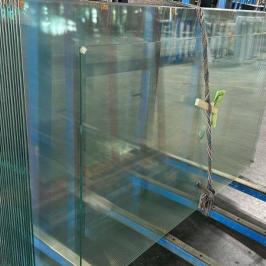
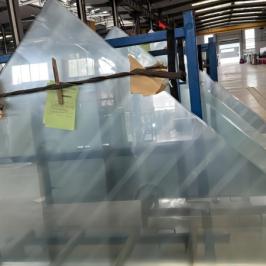
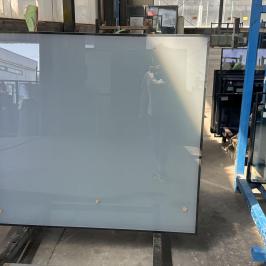
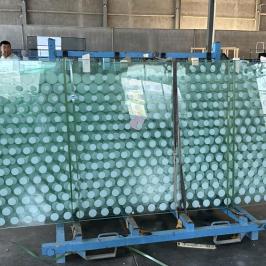
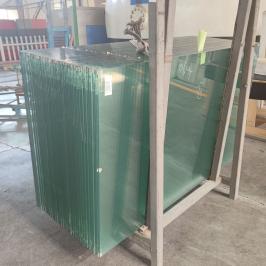
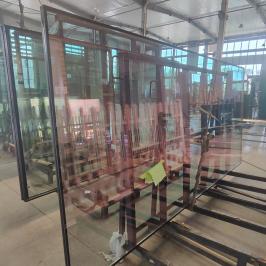
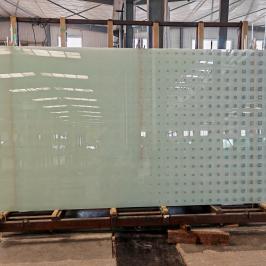
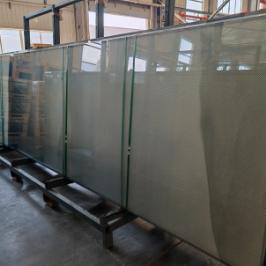
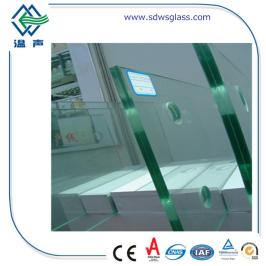
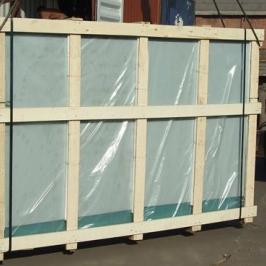
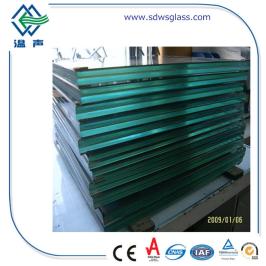
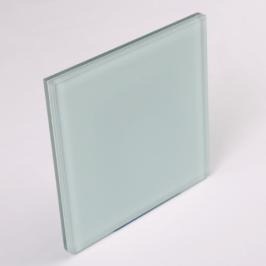
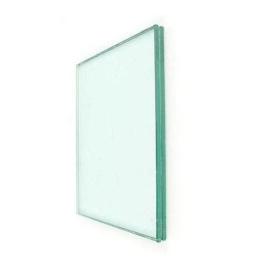
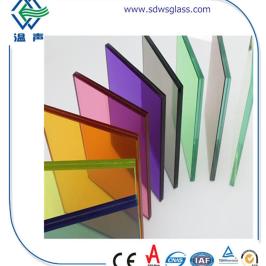
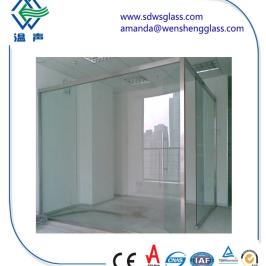
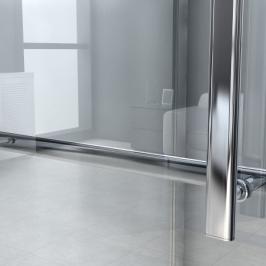
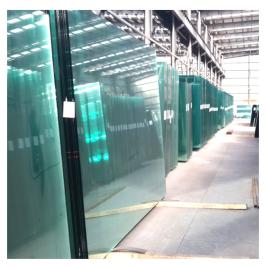
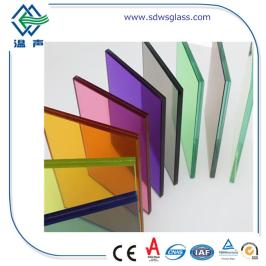
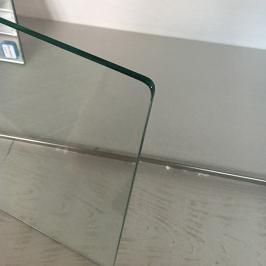
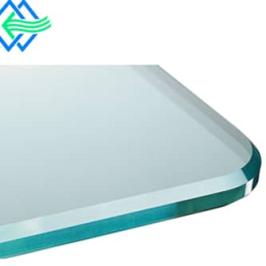
Soundproof laminated glass is a type of laminated safety glass designed to reduce noise. It is usually made with two or more glass layers and a sound-damping interlayer.
The basic structure is:
Glass + Acoustic Interlayer + Glass
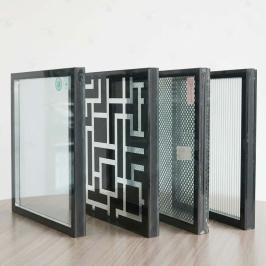
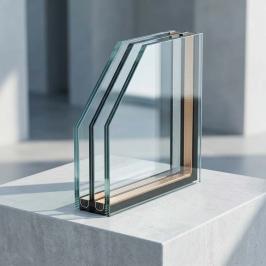
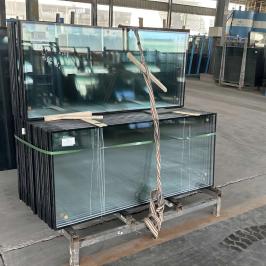
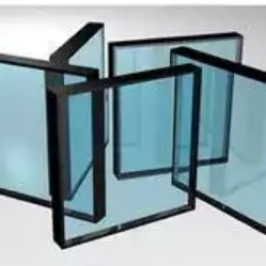
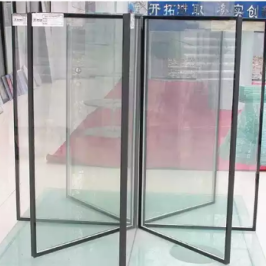
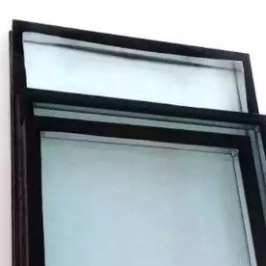
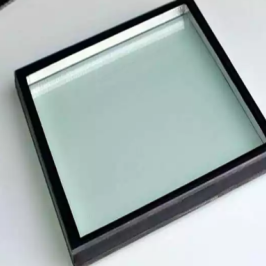
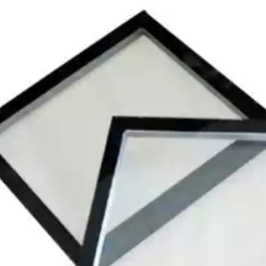
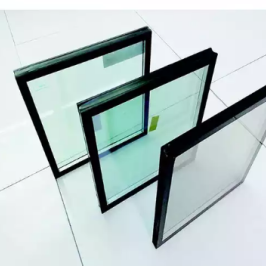
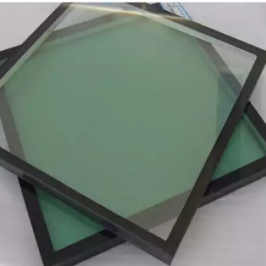
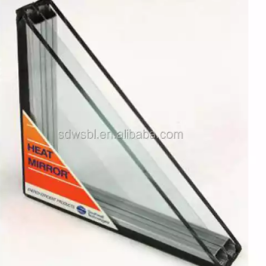
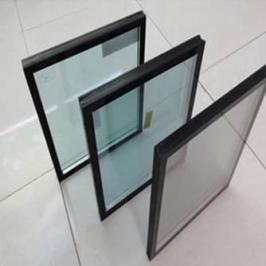
In some projects, soundproof laminated glass can also be combined with insulated glass to achieve better noise reduction and thermal insulation.
For example:
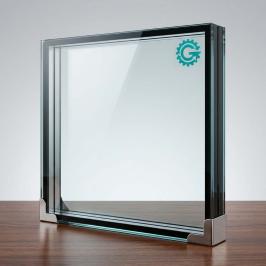
Laminated glass + air space + glass
or
Laminated glass + air space + laminated glass
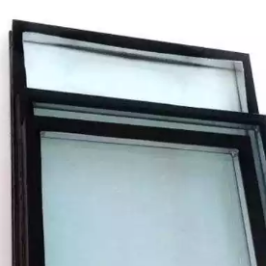
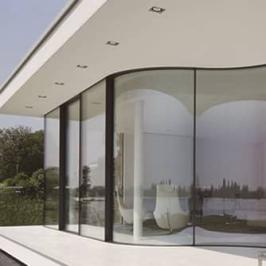
This structure is often used in high-end windows, curtain walls, hotels, apartments, and office buildings.
How Does Laminated Glass Reduce Noise?
Sound travels through vibration. When sound waves hit the glass, the glass vibrates and transfers noise into the room.
The interlayer in laminated glass helps absorb and dampen these vibrations. As a result, less sound passes through the glass.
Compared with ordinary single glass, laminated glass usually performs better in sound insulation. If acoustic interlayers or insulated structures are used, the soundproofing effect can be further improved.
Common Applications of Soundproof Laminated Glass
Soundproof laminated glass is commonly used in:
residential windows
hotel windows
office buildings
conference rooms
schools
hospitals
recording rooms
airport buildings
railway station projects
high-rise apartments
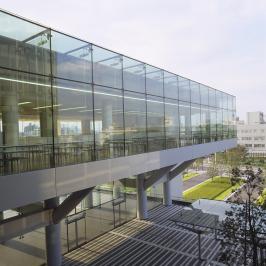
commercial curtain walls
It is especially suitable for buildings located near roads, highways, railways, airports, factories, or busy commercial areas.
Benefits of Soundproof Laminated Glass
1. Better Indoor Comfort
Noise can affect sleep, work efficiency, learning, and overall comfort. Soundproof laminated glass helps create a quieter indoor environment.
This is important for hotels, apartments, offices, hospitals, and schools.
2. Higher Safety
Soundproof laminated glass is still laminated safety glass. If it breaks, the fragments remain attached to the interlayer, reducing the risk of injury and falling glass.
3. UV Protection
The interlayer can block part of harmful ultraviolet rays, helping protect furniture, flooring, curtains, and interior decoration from fading.
4. Can Be Combined with Insulated Glass
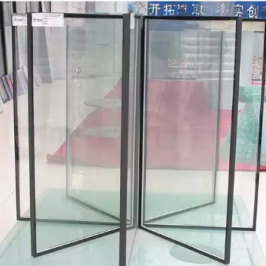
For better performance, laminated glass can be made into insulated laminated glass. This provides both sound insulation and thermal insulation.
It is a good solution for energy-saving buildings and high-comfort spaces.
How to Choose Soundproof Laminated Glass
When choosing soundproof laminated glass, consider:
glass thickness
glass structure
interlayer type
air space width
window frame system
sealing quality
installation quality
noise source
project budget
Glass alone is not the only factor. The frame, sealant, and installation quality also affect the final sound insulation performance.
For better noise reduction, many projects use laminated insulated glass together with high-quality window frames.
Conclusion
Soundproof laminated glass is a practical solution for reducing noise in buildings. It provides better acoustic performance than ordinary glass while maintaining safety, transparency, and design flexibility.
For homes, hotels, offices, schools, hospitals, and commercial buildings near noisy environments, acoustic laminated glass or insulated laminated glass can significantly improve indoor comfort.
FAQ
Q1: Is laminated glass good for soundproofing?
Yes. Laminated glass performs better than ordinary single glass because the interlayer helps reduce sound vibration.
Q2: What is acoustic laminated glass?
Acoustic laminated glass is laminated glass made with a sound-damping interlayer for better noise reduction.
Q3: Is insulated glass or laminated glass better for sound insulation?
Both can help. For better performance, laminated glass can be combined with insulated glass.
Q4: Can soundproof laminated glass be used for home windows?
Yes. It is widely used for residential windows, especially in homes near roads, railways, or busy areas.