












How Custom Architectural Glass Helps Contractors Control Building Quality And Installation Risk
How Custom Architectural Glass Helps Contractors Control Building Quality And Installation Risk
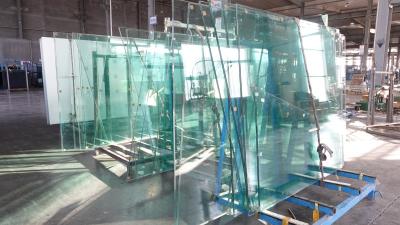
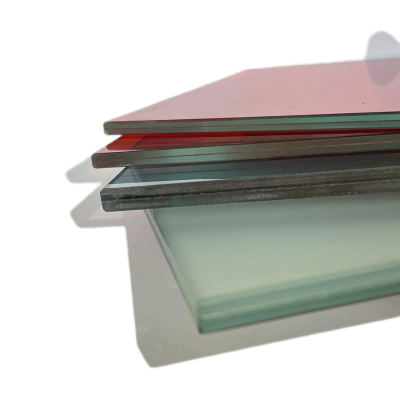
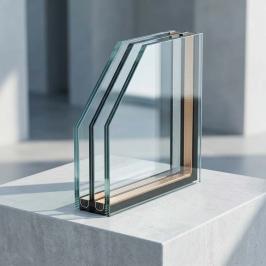
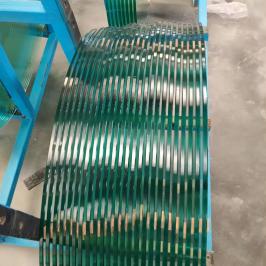
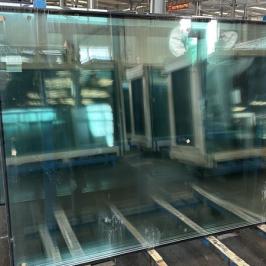
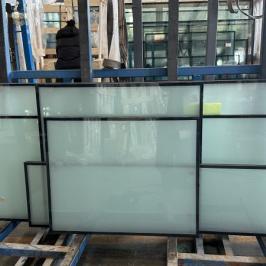
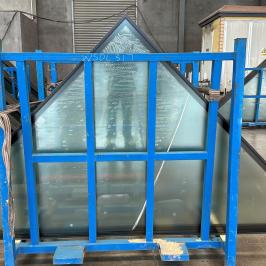
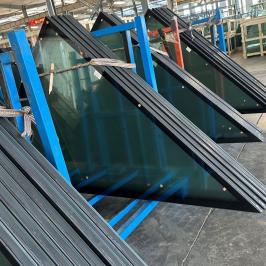
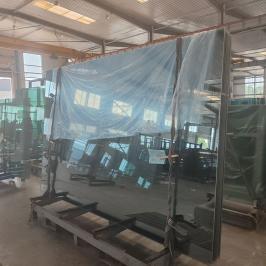
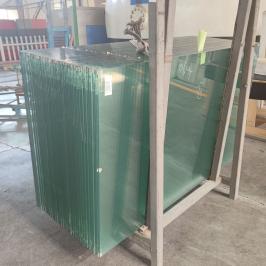
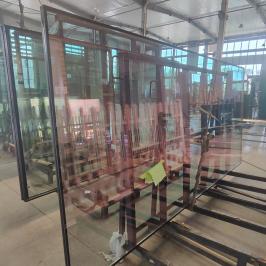
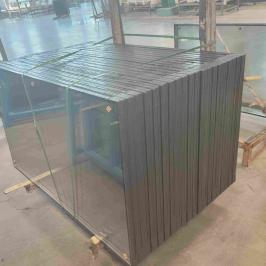
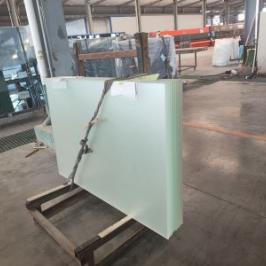
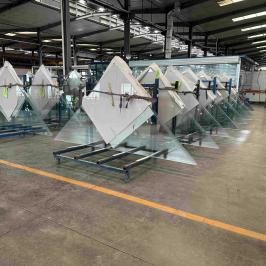
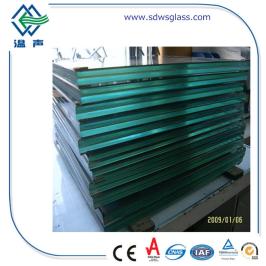
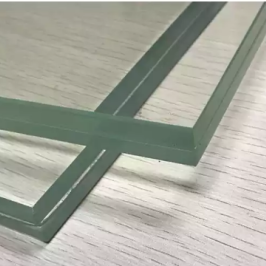
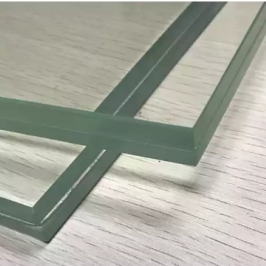
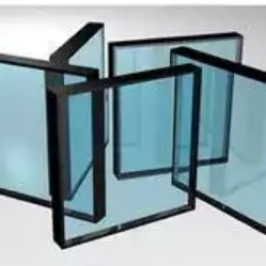
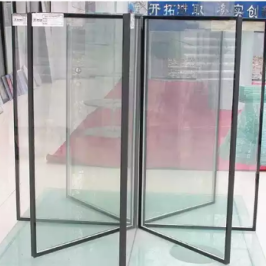
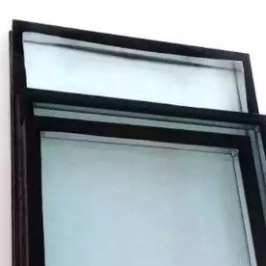
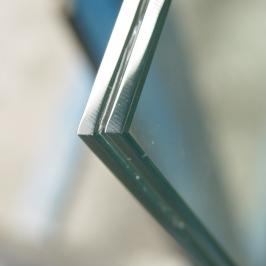
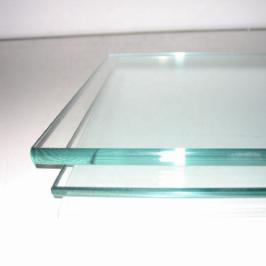
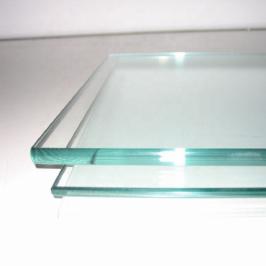
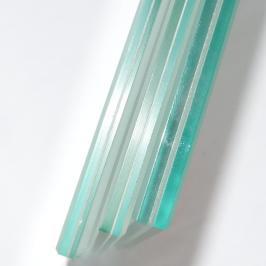
Custom architectural glass is no longer only a material selected at the end of a building project. For contractors, facade companies, window manufacturers and decoration teams, glass affects installation risk, appearance consistency, energy performance, safety compliance and the final impression of the building. When glass is ordered with unclear specifications, the result can be late changes, site rework, wrong hole positions, unsuitable thickness or panels that look different when installed together. A more reliable approach is to treat glass procurement as a technical part of the project schedule. Wensheng Glass supports this process by reviewing drawings, confirming glass structures and arranging processing steps such as tempering, lamination, insulated glass assembly, ceramic digital printing, edge polishing and export packing according to project needs.
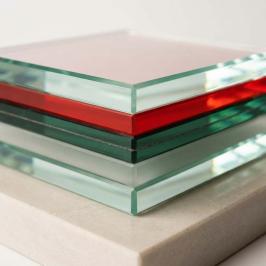
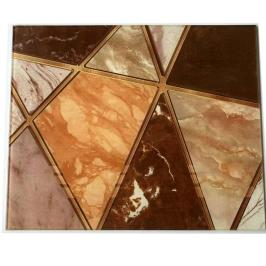
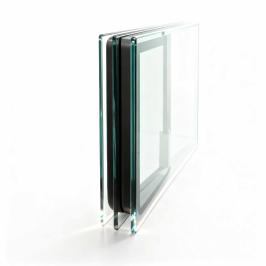
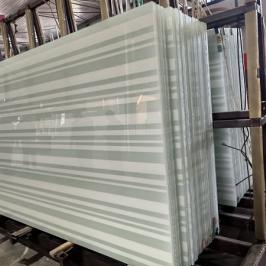
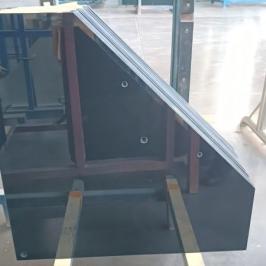
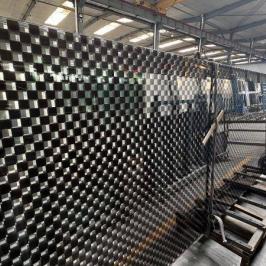
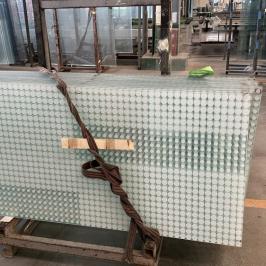
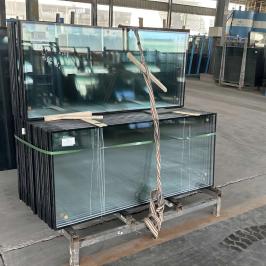
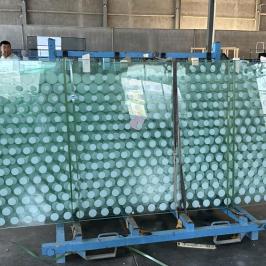
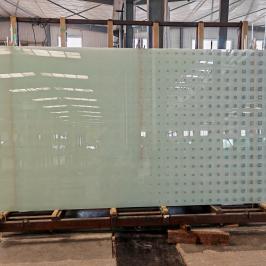
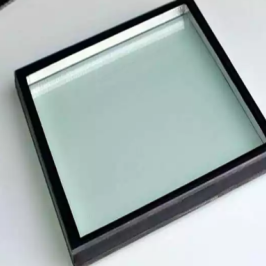
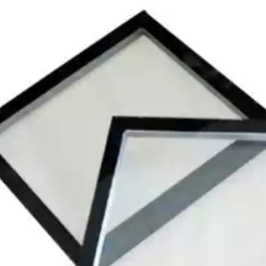
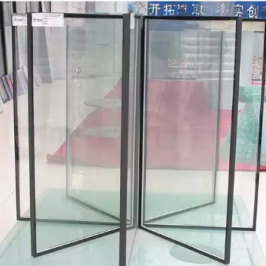
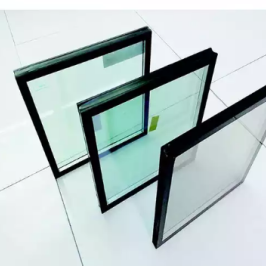
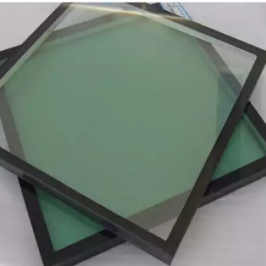
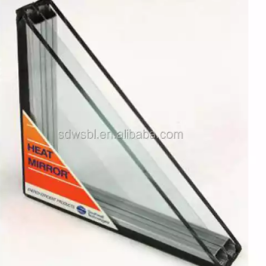
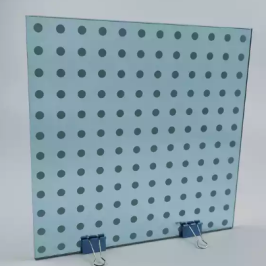
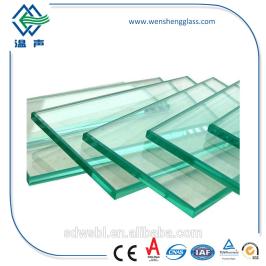
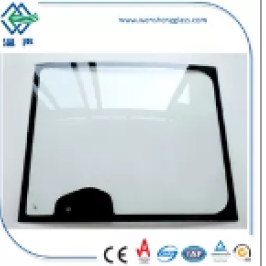
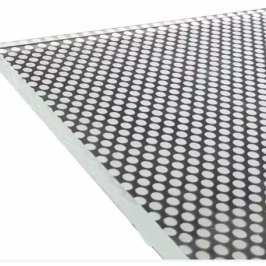
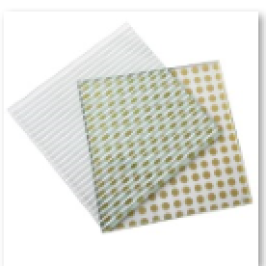
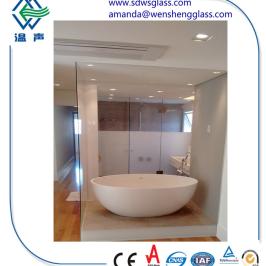
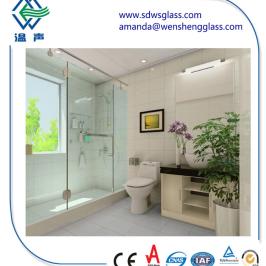
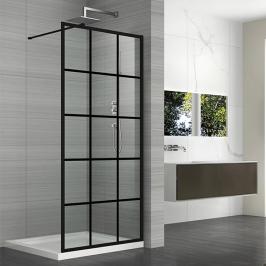
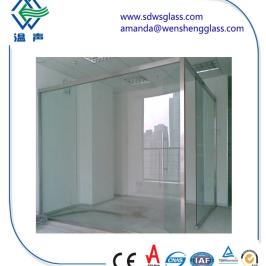
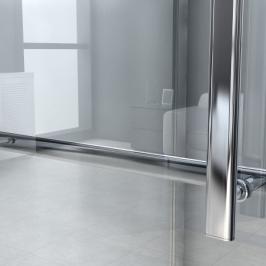
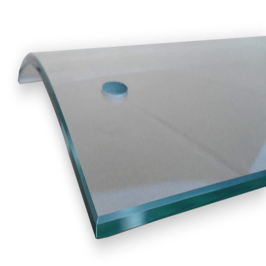
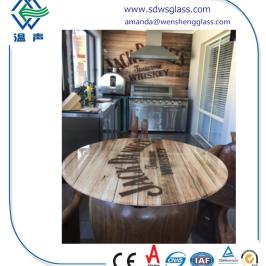
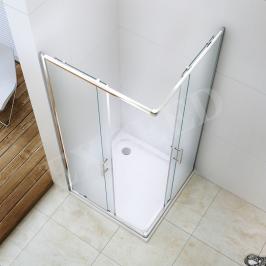
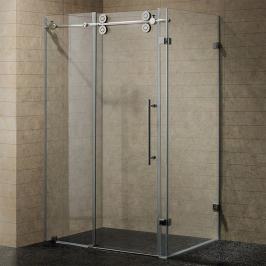
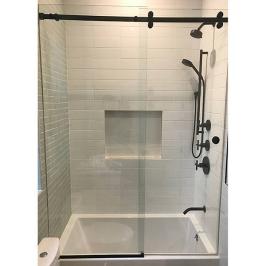
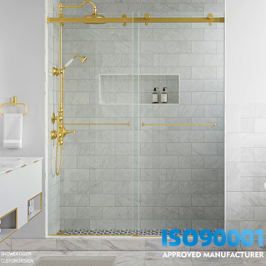
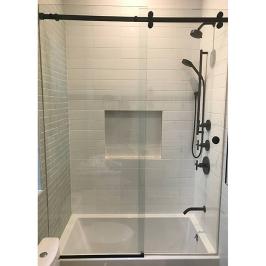
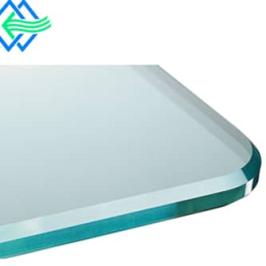
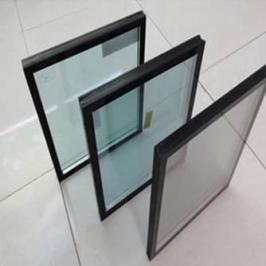
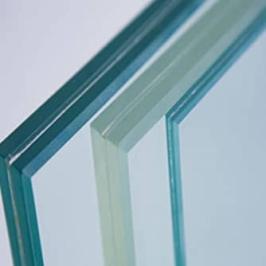
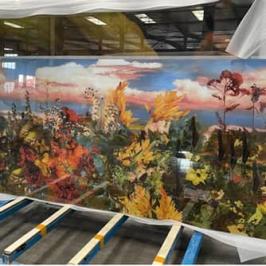
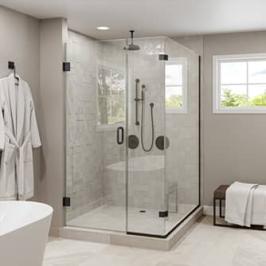
The first area contractors should control is specification clarity. A product name such as tempered glass, laminated glass, insulated glass unit or decorative printed glass is only a starting point. The real order must include size, thickness, edge type, tolerance, hole position, coating direction, interlayer requirement, spacer width, color expectation and packing label if these details matter to the project. For example, an insulated glass unit for a curtain wall needs a different confirmation process from a clear tempered partition panel. A digitally printed glass wall requires artwork review and viewing-distance consideration, while shower glass needs accurate hardware holes and polished edges. Wensheng Glass can help buyers turn these requirements into a practical production plan before manufacturing begins.

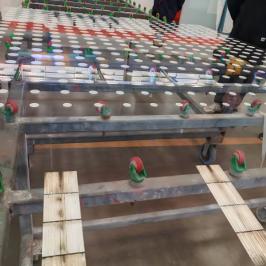
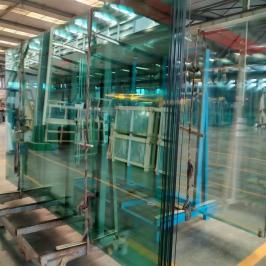
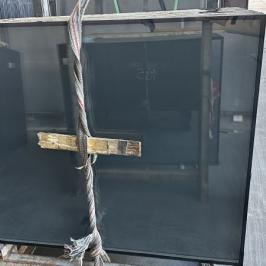
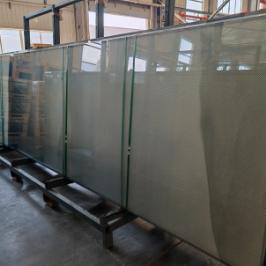
Quality control is another reason to choose a project-oriented glass supplier. Many glass problems are visible only after delivery or installation, when solving them becomes expensive. Scratches, edge chips, color inconsistency, wrong coating orientation, poor hole alignment, unclear labels or weak packing can slow down the job site and create tension between the contractor and end customer. During production, Wensheng Glass checks key details such as dimensions, surface appearance, edge condition, printed pattern position, assembly cleanliness and packing condition. This does not replace the buyer's own installation responsibility, but it reduces avoidable supply-side risk and makes the shipment easier to manage after arrival.
| Procurement Focus | Drawings, size list, tolerance, edgework, holes, coating, labels and packing |
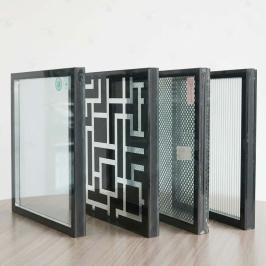
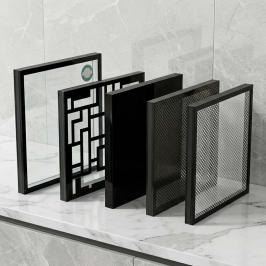
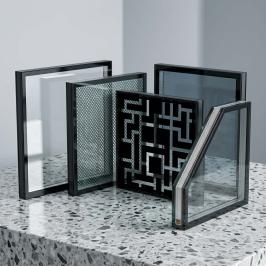
| Glass Options | Tempered glass, laminated glass, insulated glass units, digital printed glass and shower glass |
| Project Value | Better installation control, cleaner appearance, safer handling and easier repeat ordering |
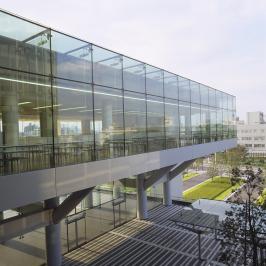
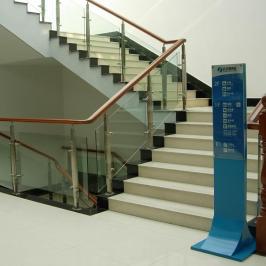
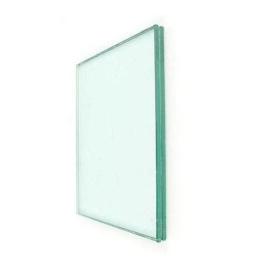
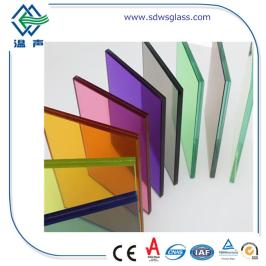
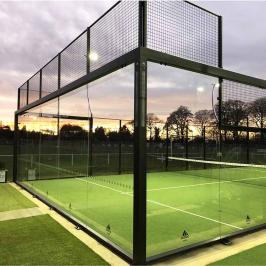
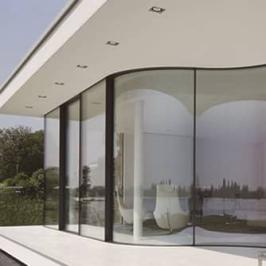
For building projects, different glass types often need to work together. A hotel may use tempered shower glass in bathrooms, insulated glass units on the facade, laminated safety glass in railings and decorative printed glass in the lobby. An office project may need clear tempered partitions, Low-E IGU windows and custom printed meeting room panels. If these materials are purchased from separate suppliers without coordination, it becomes harder to maintain consistent communication and delivery timing. Wensheng Glass can support multiple processed glass categories under one supply plan, helping buyers coordinate specifications, labels, packaging and shipment arrangement across different areas of the project.
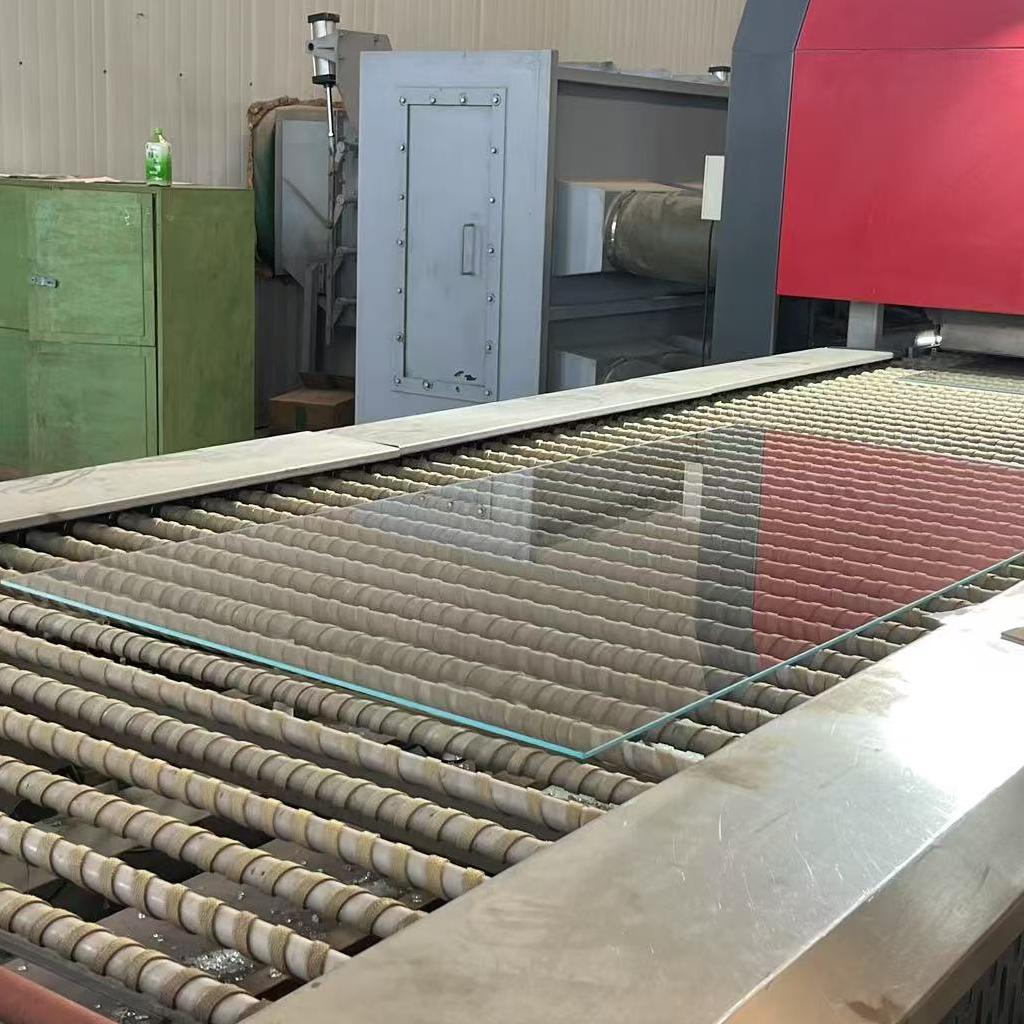
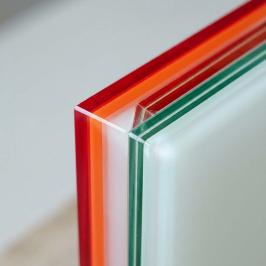
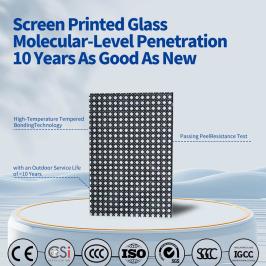
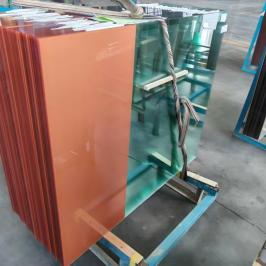
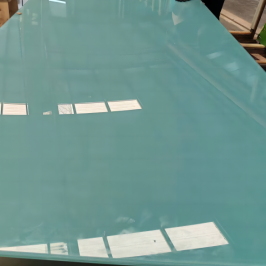
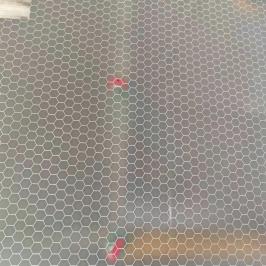
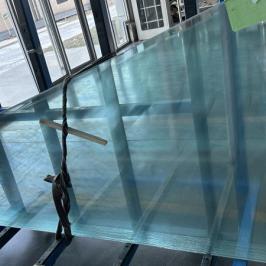
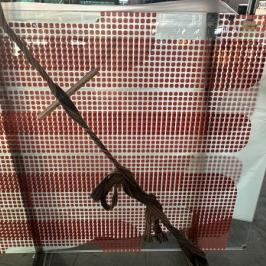
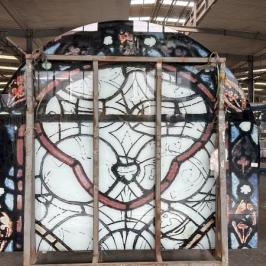
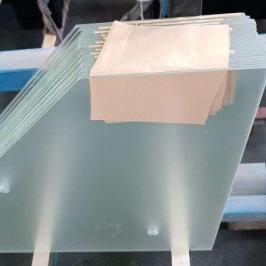
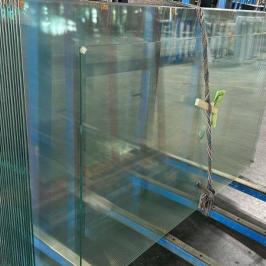
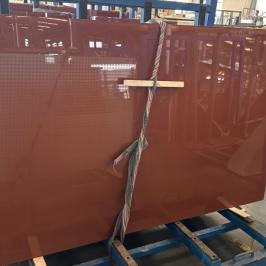
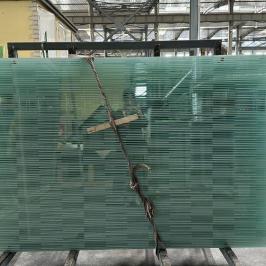
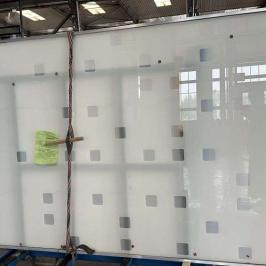
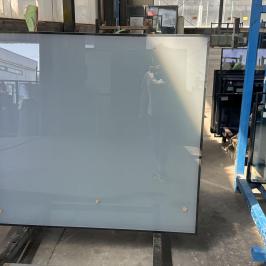
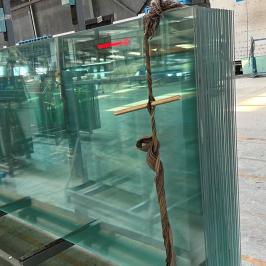
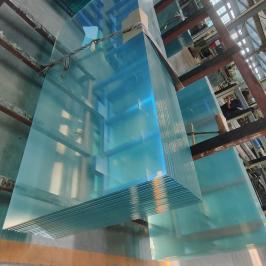
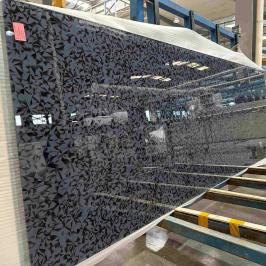
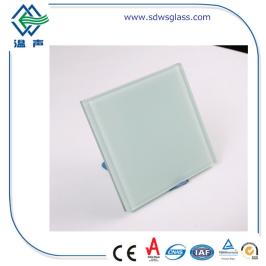
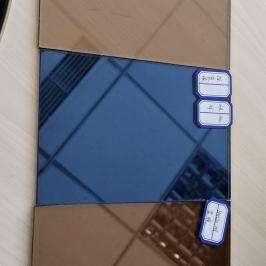
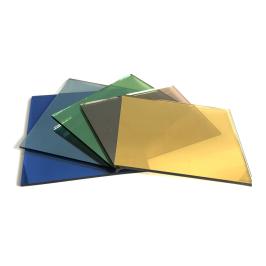
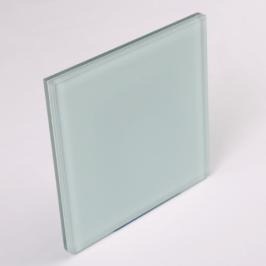
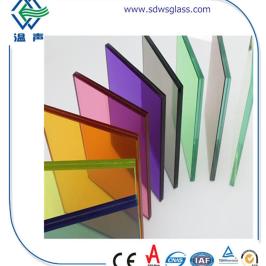
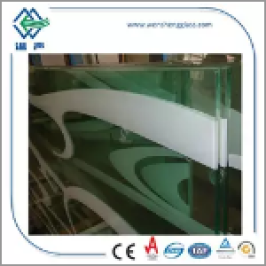
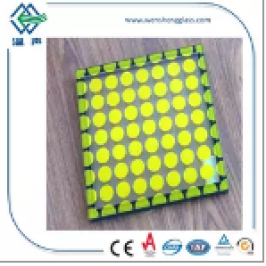
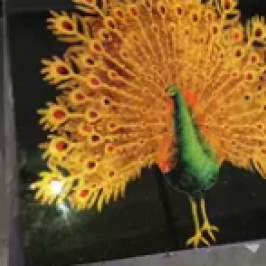
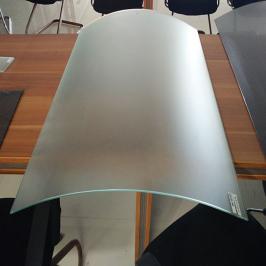
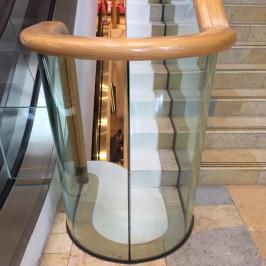
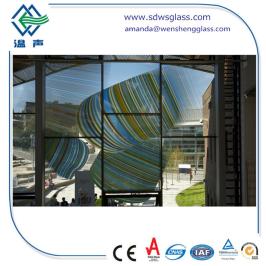
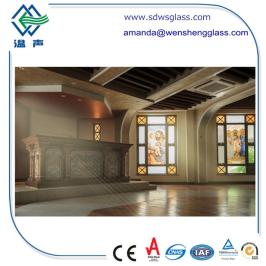
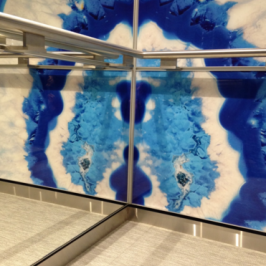
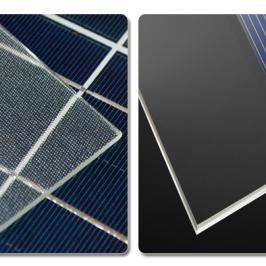
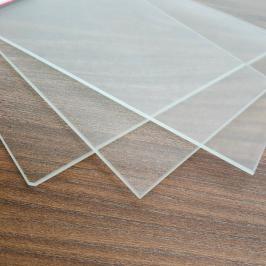
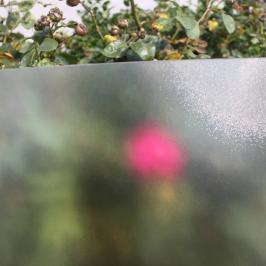
Image and appearance also influence project success. Architectural glass is usually installed in highly visible places, so panels must not only meet a drawing but also look acceptable as a group. Clear glass should maintain good transparency; printed glass should show stable color and pattern alignment; insulating glass should stay clean inside the cavity; shower glass and partitions should have smooth polished edges and accurate holes. Buyers can reduce risk by confirming samples, artwork files, coating requirements and inspection standards early. When the intended use is known, the glass supplier can recommend practical options such as tempered safety glass, laminated construction, Low-E coating, frosted treatment or ceramic digital printing.
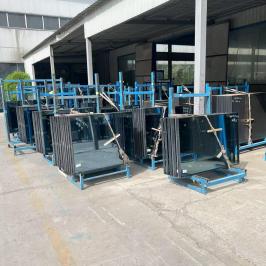
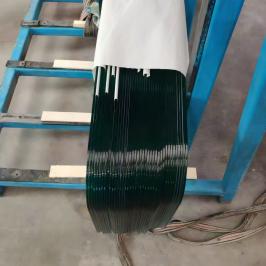
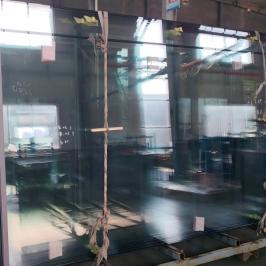
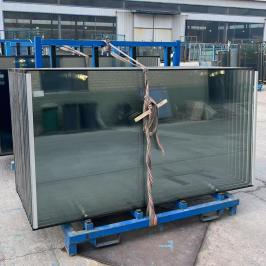
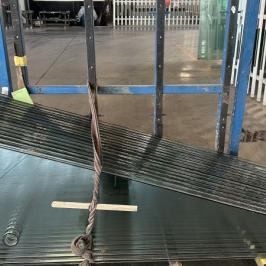
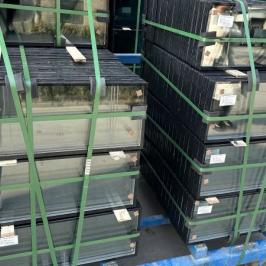
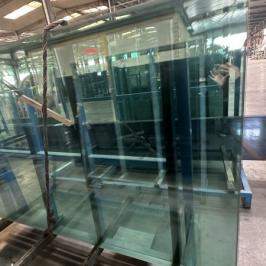
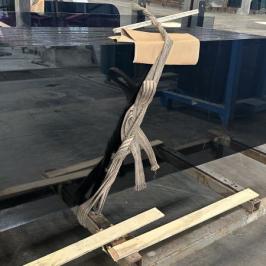
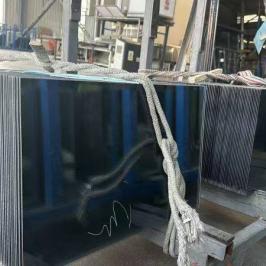
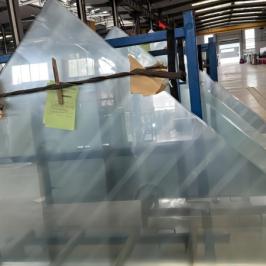
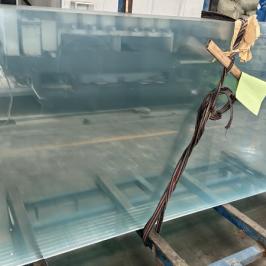
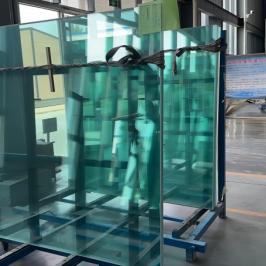
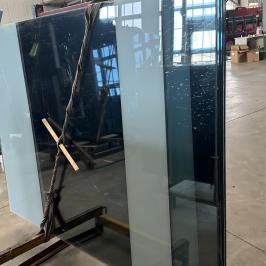
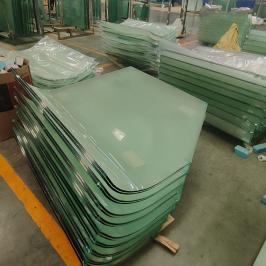
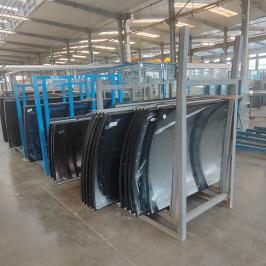
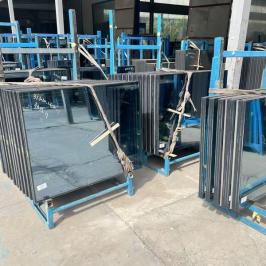
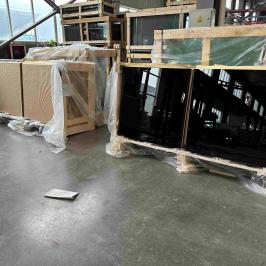
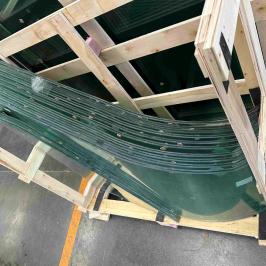
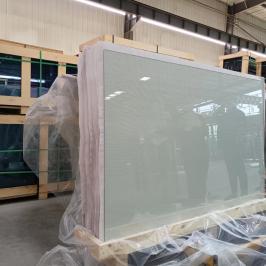
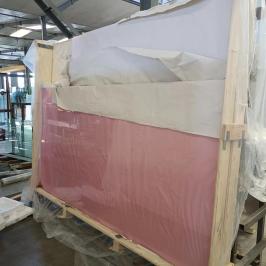
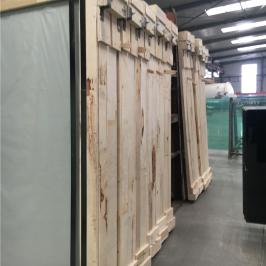
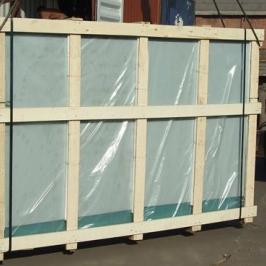
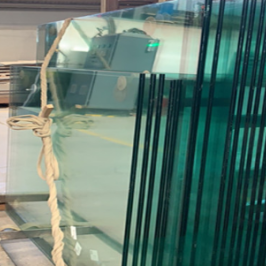
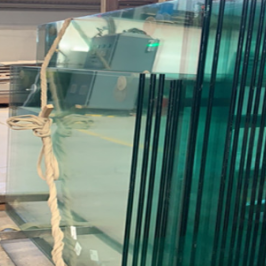
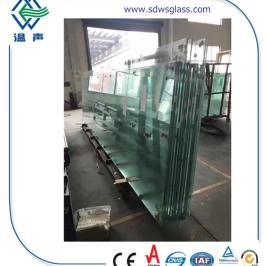
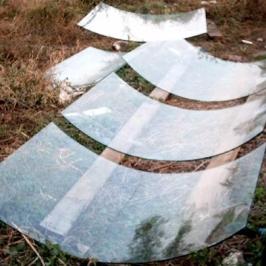
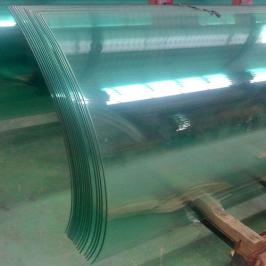
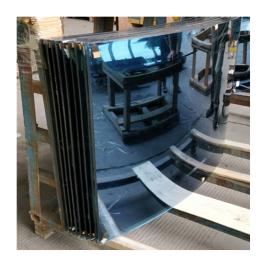
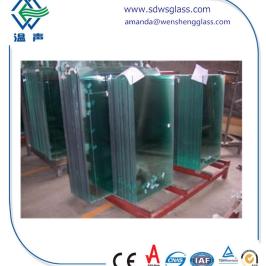
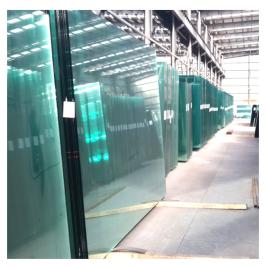
Packaging and delivery planning are often underestimated. Glass is heavy and can be vulnerable at the edges even when the surface is strong. For export orders, a good packing plan should protect the glass, separate panels properly and provide labels that match the buyer's installation or inventory list. Wensheng Glass uses wooden cases, protective interlayers and clear marks to support long-distance transportation. For contractors, this helps installers identify each panel faster and reduces the chance of damage during unloading and distribution on site. When a project has repeated sizes or several building zones, organized labels can save significant time.
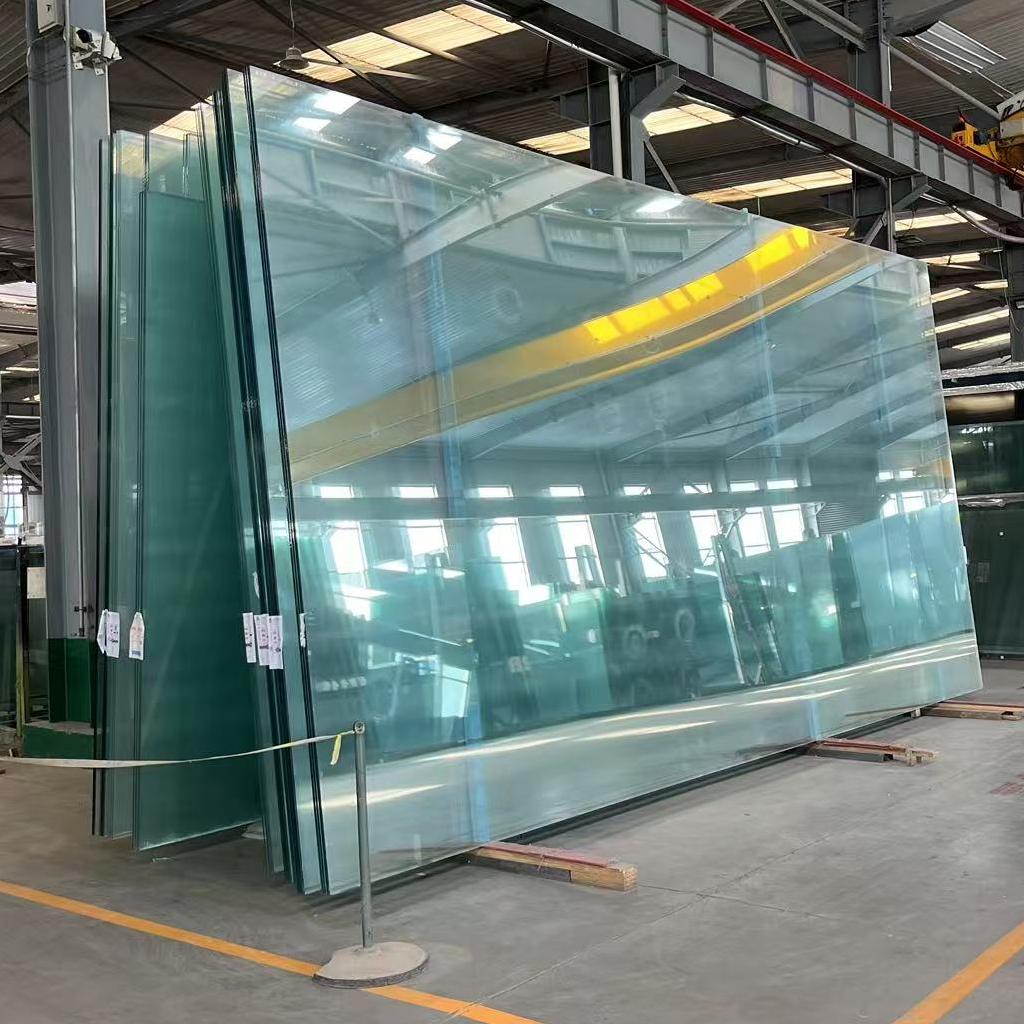
The best procurement result comes from cooperation before production, not only inspection after production. Contractors should share drawings, glass schedules, installation environment, safety requirements and delivery expectations as early as possible. The supplier should then help clarify what can be produced, what needs adjustment and what information is still missing. Wensheng Glass works with buyers in this practical way, supplying custom architectural glass for windows, doors, curtain walls, partitions, shower enclosures, railings, decorative walls and other project applications. With clear specifications, suitable processing, careful inspection and protective packing, custom glass can help building teams control quality, reduce installation risk and deliver a cleaner finished project.
From a purchasing perspective, early communication can also reduce hidden cost. If a buyer only requests a low unit price without confirming installation details, later adjustments may cost more than the original saving. For example, a slight change in hole position, edge finish, glass thickness or coating direction can affect the usability of the entire batch. A professional supplier should ask practical questions before production: where will the glass be installed, what hardware will be used, does the panel need safety certification, will the glass be exposed to sunlight, humidity or strong temperature changes, and how will the shipment be unloaded? These questions help the project team make better decisions before the glass is processed.
Wensheng Glass also understands that B2B customers need stable documentation and repeatability. When a contractor orders glass for a hotel, office building, apartment project or retail chain, the same specification may be required again for replacement, expansion or future phases. Keeping product structures, labels, image references and packing information organized makes reordering easier. This is why a good architectural glass supplier should provide more than panels; it should provide a repeatable supply process. With suitable raw glass, controlled deep processing, careful inspection and export-oriented packing, Wensheng Glass helps customers build a more dependable glass procurement system for long-term project work.