









Your Top 10 Questions Answered by Industry Experts
Your Top 10 Questions Answered by Industry Experts
Choosing new windows involves important decisions. This FAQ-style guide cuts through the noise, answering the most common and critical questions about insulated glass to empower you as an informed buyer.
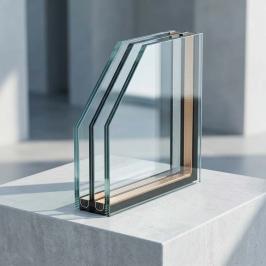
1. What's the difference between Double-Glazed and Triple-Glazed Insulated Glass?
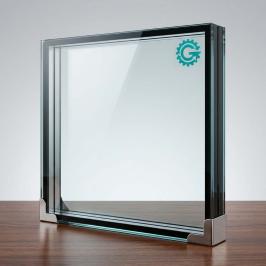
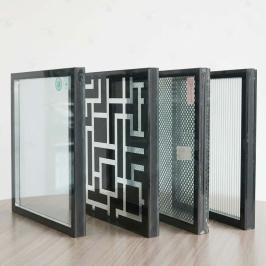
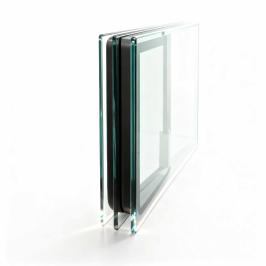
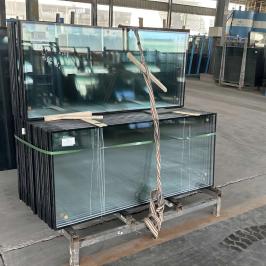
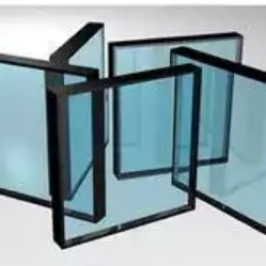
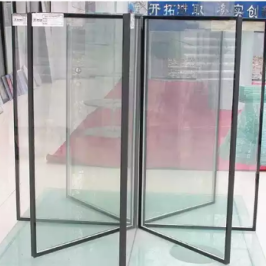
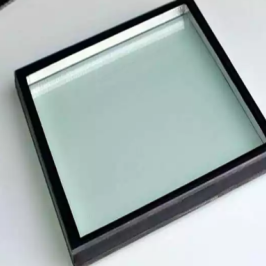
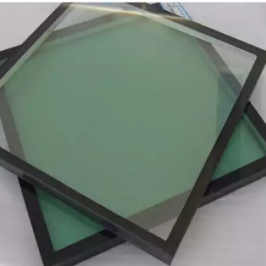
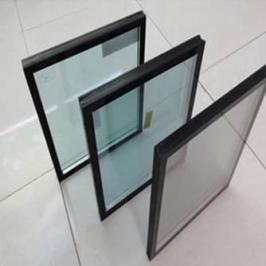
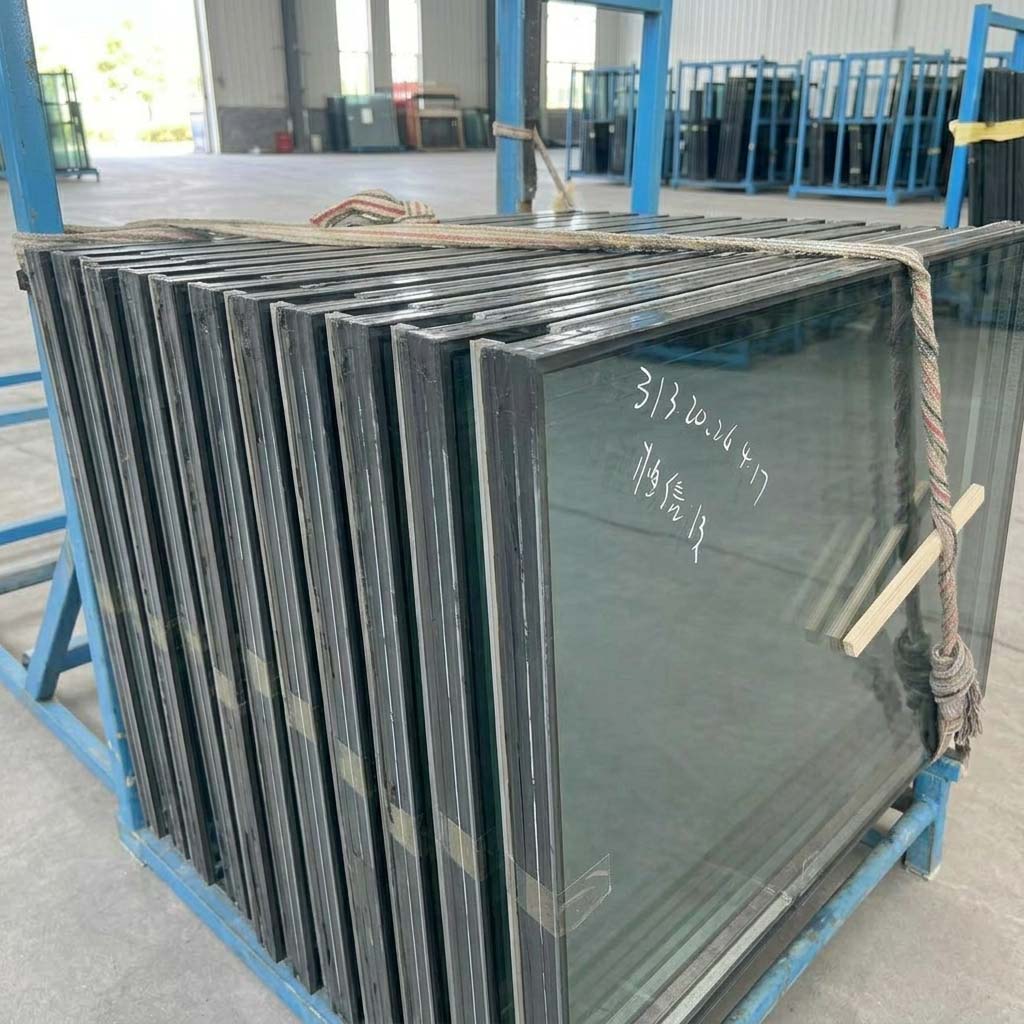
Both are types of IGUs. The key is the number of glass panes and air gaps.
Double-Glazed: Standard (2 panes, 1 air space). Offers excellent performance for most climates and is cost-effective.
Triple-Glazed: Premium (3 panes, 2 air spaces). Provides superior insulation (lower U-Factor), exceptional noise reduction, and is ideal for extremely cold climates or noisy areas. The trade-off is increased weight, thickness, and cost.
Our Verdict: For most homes, a high-quality double-glazed IGU with Low-E and argon provides the best balance of performance and value.
2. How do I know if my old Insulated Glass has failed?
Look for persistent condensation or fogging between the glass panes. This indicates the seal has broken, moisture has entered, and the insulating gas (if present) has escaped. Once this happens, the unit's thermal and acoustic performance is permanently compromised. Dust or debris trapped inside is another clear sign of seal failure.
3. Can just the glass be replaced, or do I need a whole new window?
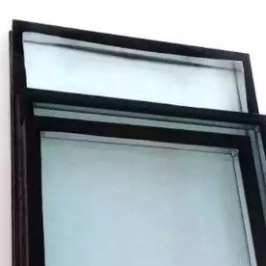
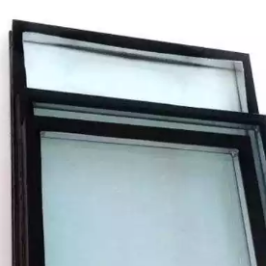
Often, you can opt for a "glass-only" replacement or a "sash kit." This is viable if your existing window frames are in good, square condition. It’s a more affordable and less disruptive option than full-frame replacement. A professional can assess if your frames are suitable.
4. What is the typical lifespan of Insulated Glass?
A properly manufactured and installed IGU should last 20 to 25 years, or longer. Lifespan depends on the quality of the sealants, exposure to extreme temperature swings, and direct, constant sunlight. Premium components extend longevity.
5. Does it really help with furniture fading?
Yes, significantly. Low-E coatings and the argon gas fill block a substantial portion of the sun's damaging ultraviolet (UV) rays, which are the primary cause of fading in fabrics, carpets, wood flooring, and artwork.
6. How do I clean and maintain it?
Exterior/Interior Surfaces: Use a soft cloth or sponge with a mild, non-abrasive cleaner (like vinegar and water or a dedicated glass cleaner). Avoid high-pressure washers on the glass edges.
The Sealed Unit: You cannot clean the inside surfaces of the air gap. If condensation appears betweenthe panes, the unit has failed and needs replacement.
Regular Maintenance: Annually check and clean the window tracks and ensure the weatherstripping and seals on the moving parts (sashes) are intact to maintain overall efficiency.
7. Is it worth the extra cost compared to single-pane?
Absolutely, it's one of the highest-ROI home upgrades. While the upfront cost is higher, the savings on monthly energy bills, increased home comfort (no drafts/cold spots), noise reduction, and protection of your interiors from UV damage provide a financial return. It also boosts your property's resale value.
8. Can it be used for all window shapes and sizes?
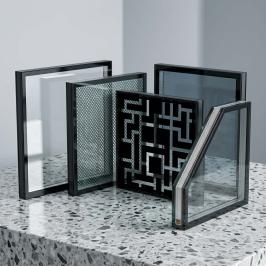
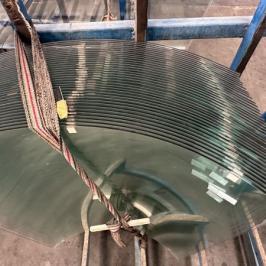
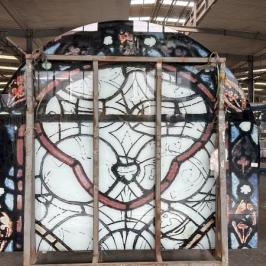
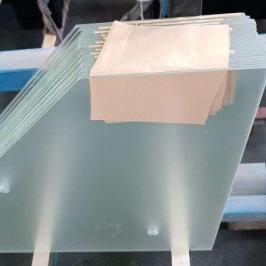
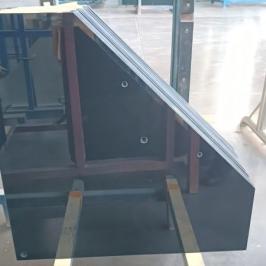
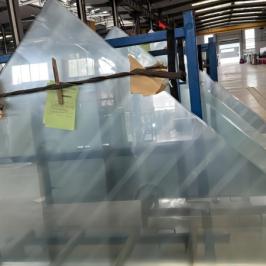
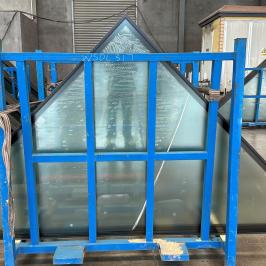
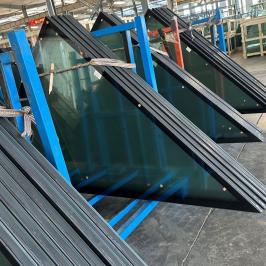
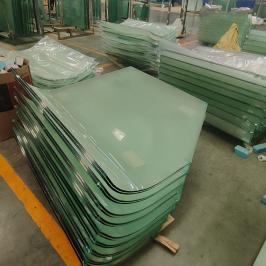
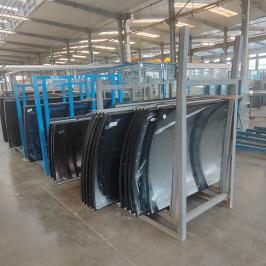
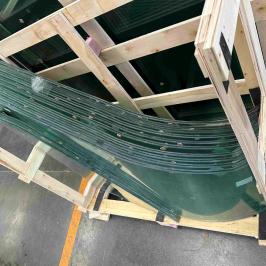
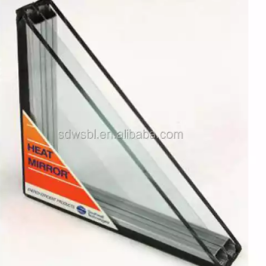
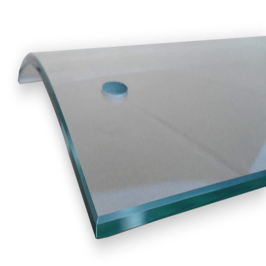
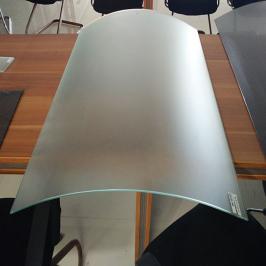
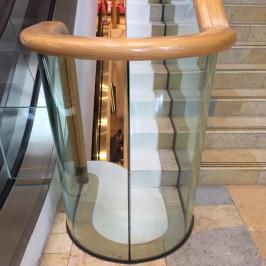
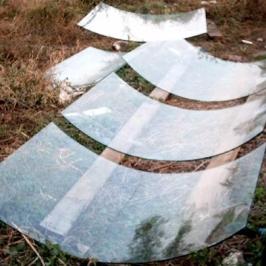
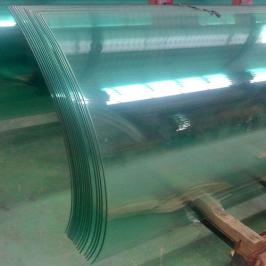
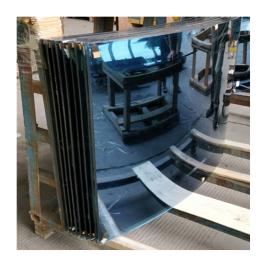
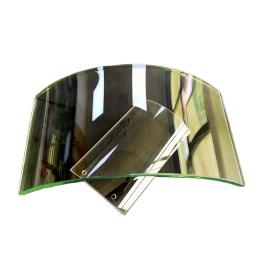
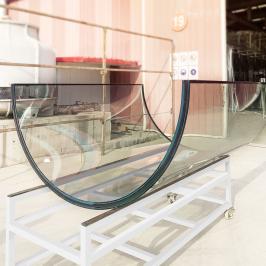
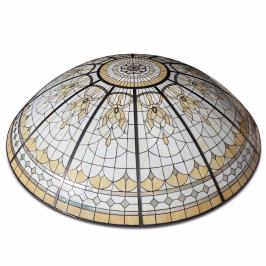
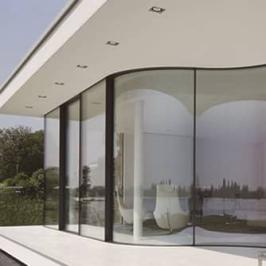
Yes, modern manufacturing allows for a high degree of customization. IGUs can be made in virtually any shape—standard rectangles, arches, circles, triangles—and in large sizes for modern designs. Discuss your vision with a qualified manufacturer or installer.
9. What’s the difference between Argon and Krypton gas?
Both are inert, non-toxic gases used to improve insulation.
Argon: The most widely used. It's cost-effective and provides excellent performance for standard air gap widths (e.g., ½" to ¾").
Krypton: A denser, more insulating gas. It is more expensive and is typically used in thinner-profile units (where space is limited) or in ultra-high-performance triple-glazed units.
10. Does it provide security benefits?
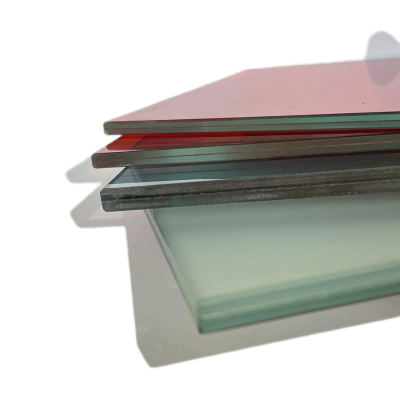
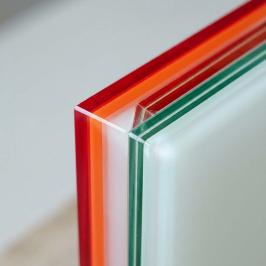
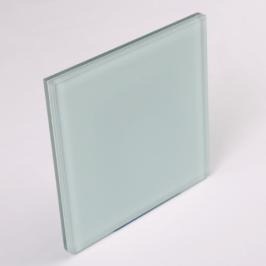
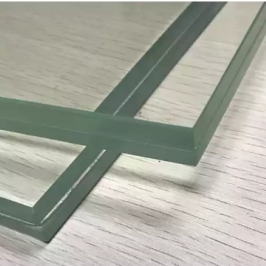
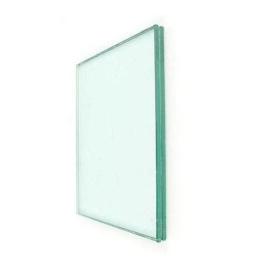
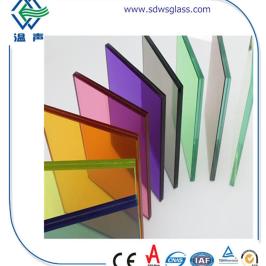
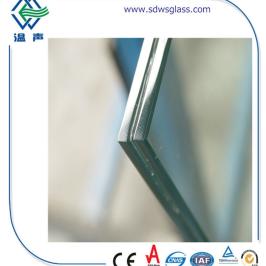
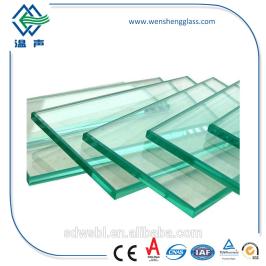
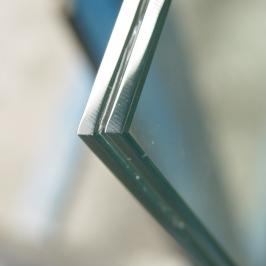
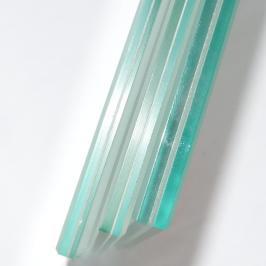
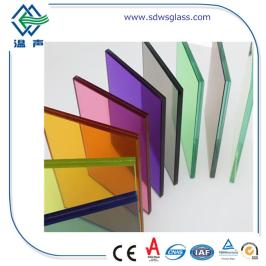
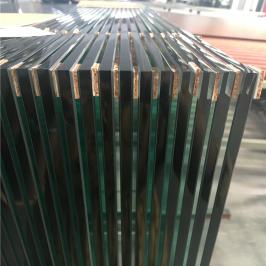
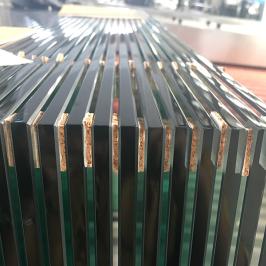
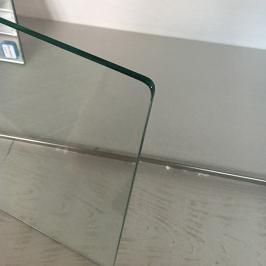
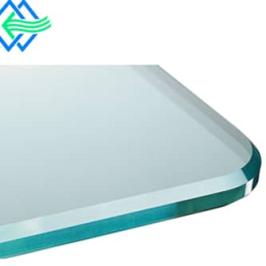
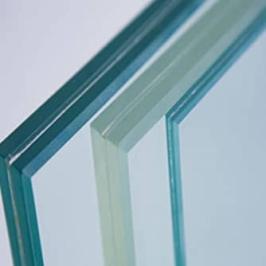
While the primary benefit is insulation, IGUs can be combined with laminated glass (which has a protective inner layer) or tempered glass (which is much stronger) to create a highly secure window solution that is resistant to break-ins and impacts.