















How to Choose Between Laminated Glass and Tempered Glass for Different Projects
Why Buyers Often Compare Laminated Glass And Tempered Glass
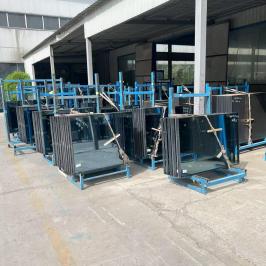
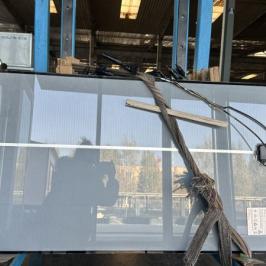
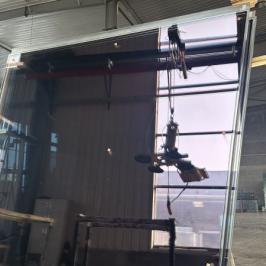
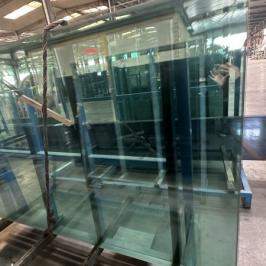
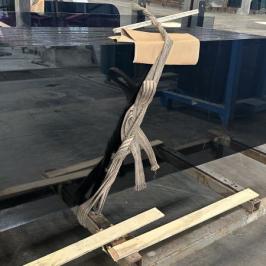
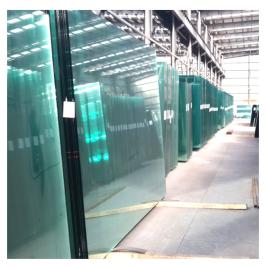
Laminated glass and tempered glass are two of the most common safety glass products used in construction, interiors and commercial projects. Buyers often compare them because both improve safety compared with ordinary annealed glass, but they solve different problems in real applications. Choosing the right one depends on how the glass will be used, what kind of risk must be controlled and whether the project needs extra functions such as sound reduction or fragment retention.
For project contractors and glass buyers, it is helpful to understand this difference before placing an order. The more clearly the use scenario is defined, the easier it becomes to choose a suitable glass structure instead of only comparing price or thickness.
Basic Difference In Structure
| Glass Type | Main Feature | Typical Use |
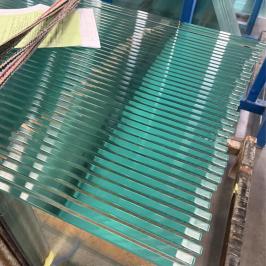
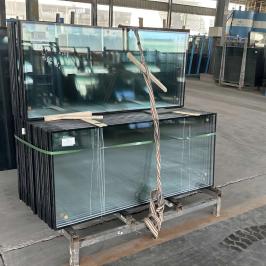
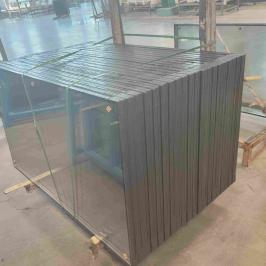
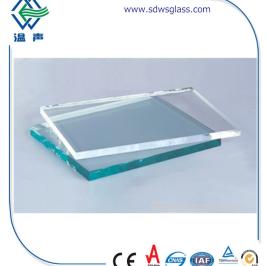
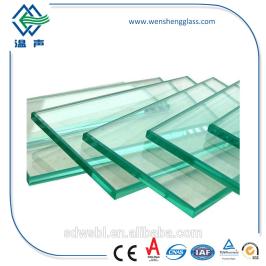
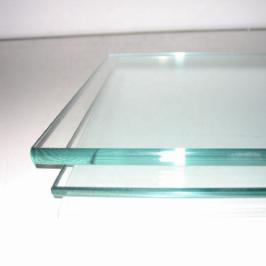
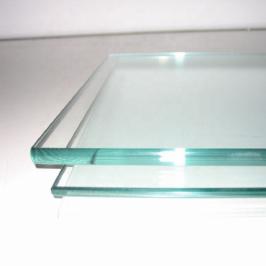
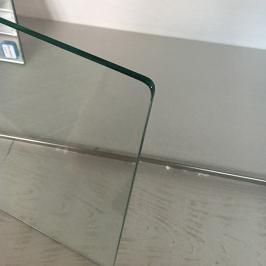
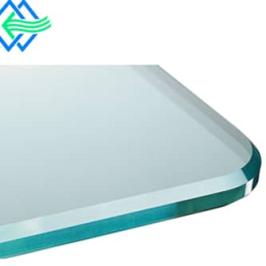
| Tempered glass | Heat-treated for higher strength and safer breakage pattern | Doors, partitions, enclosures, railings, furniture and many general safety applications |
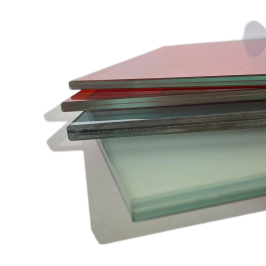
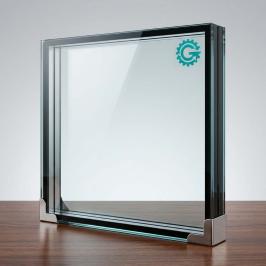
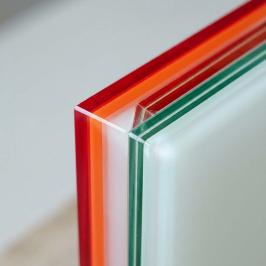
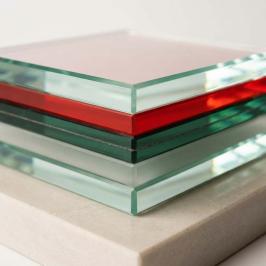
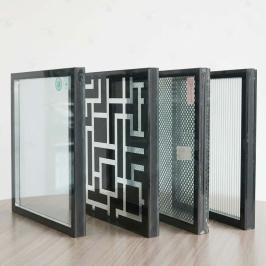
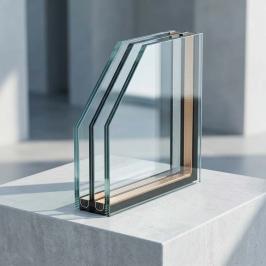
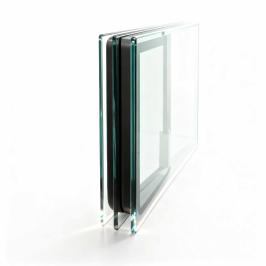
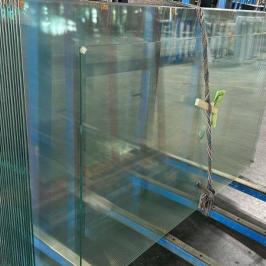
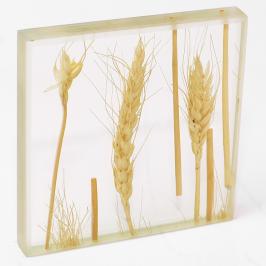
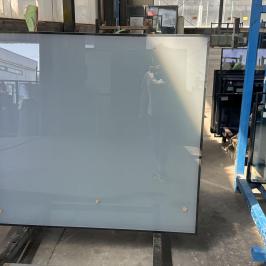
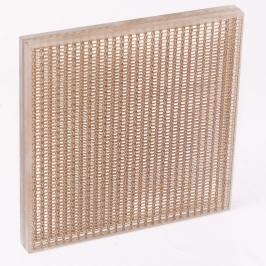
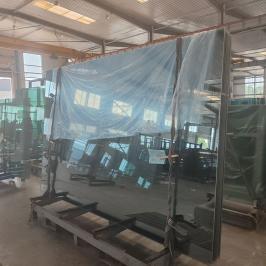
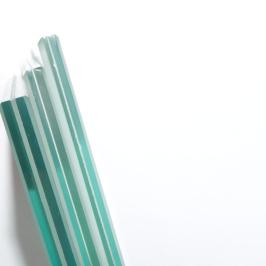
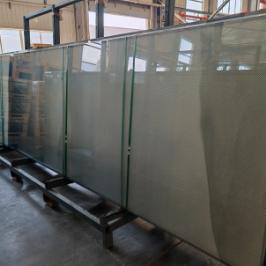
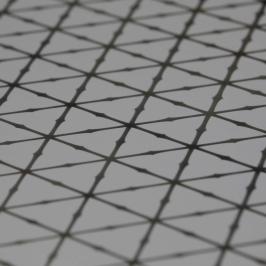
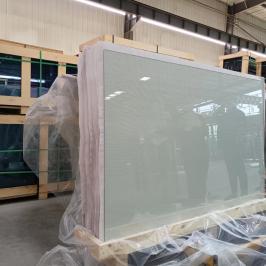
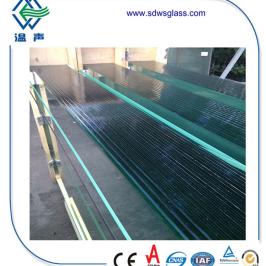
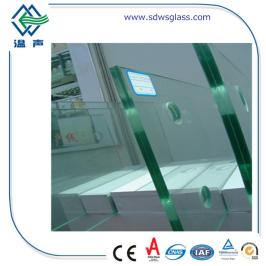
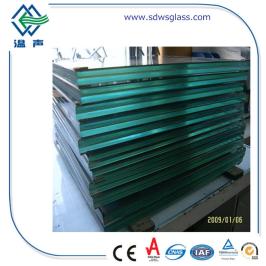
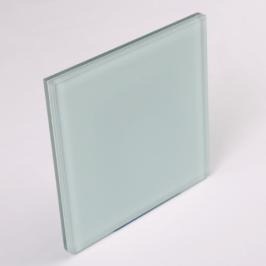
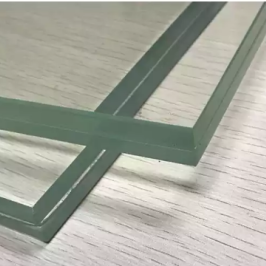
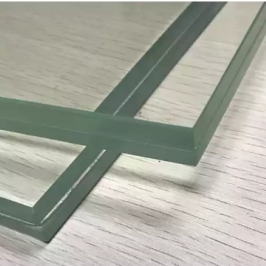
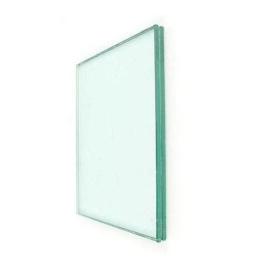
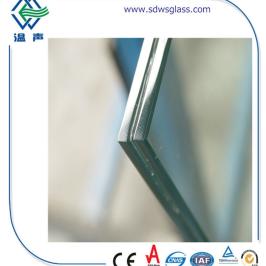
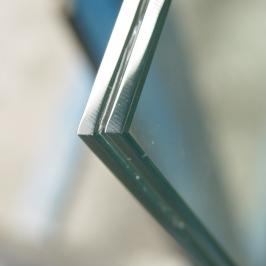
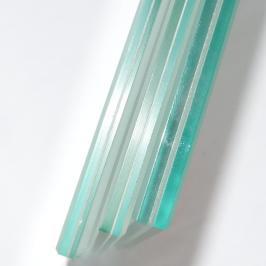
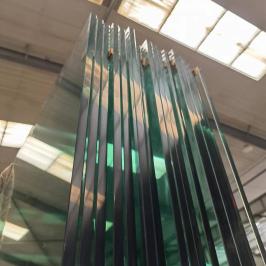
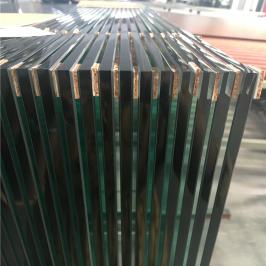
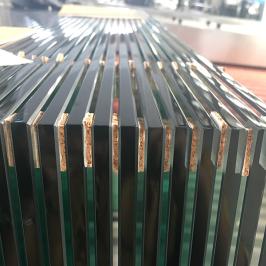
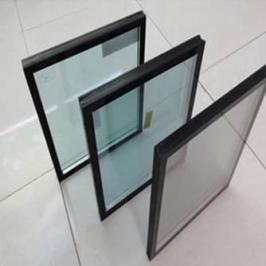
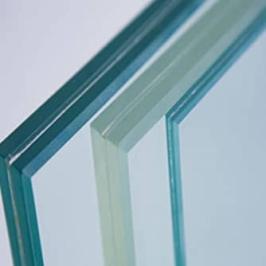
| Laminated glass | Two or more glass panes bonded with an interlayer | Facades, skylights, railings, windows and areas needing retained fragments or added security |
When Tempered Glass Is The Better Choice
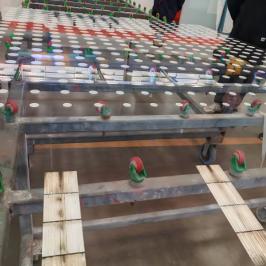
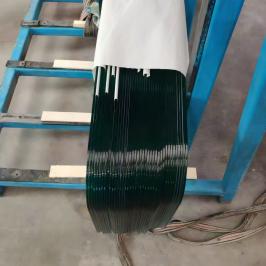
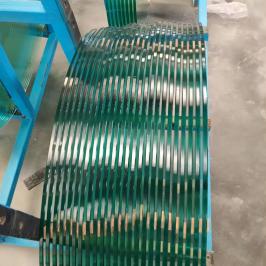
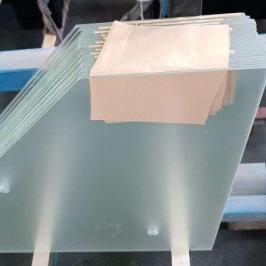
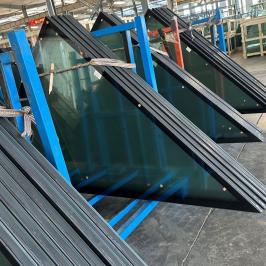
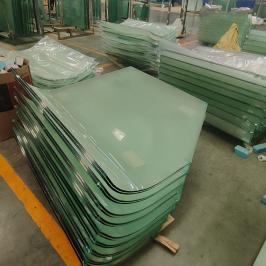
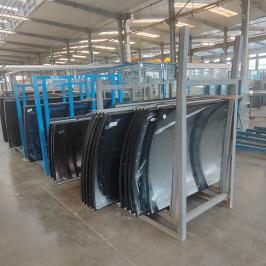
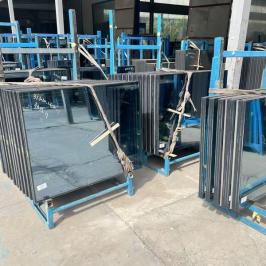
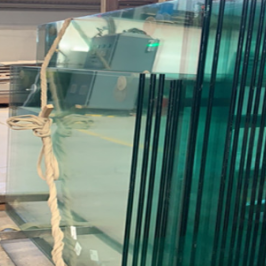
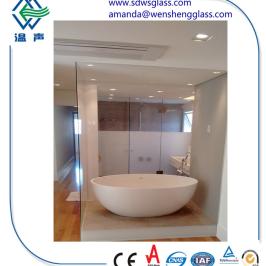
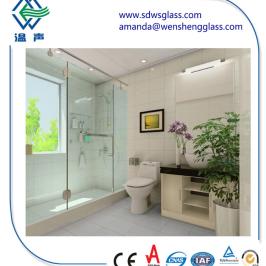
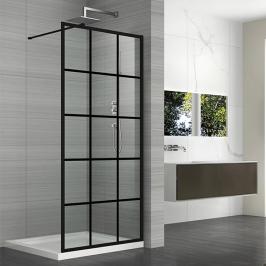
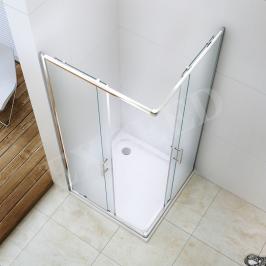
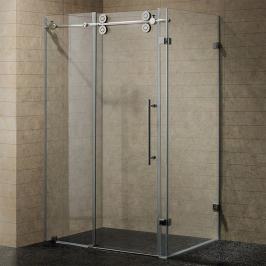
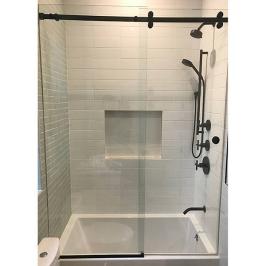
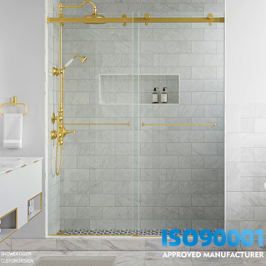
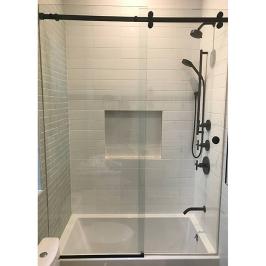
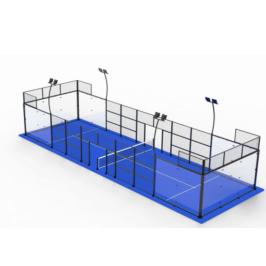
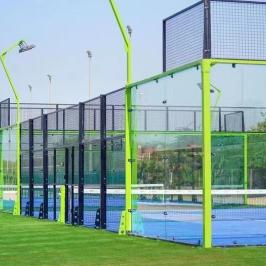
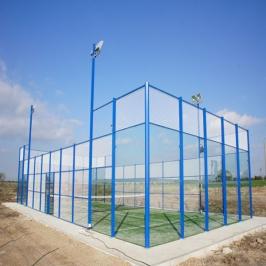
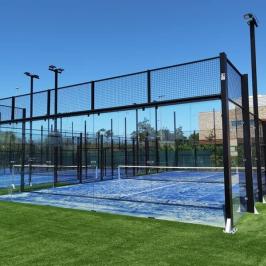
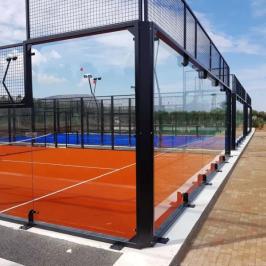
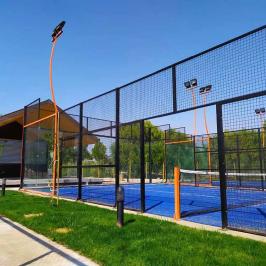
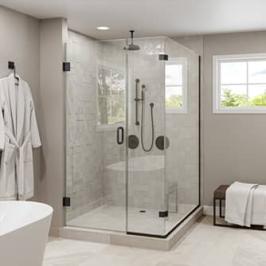
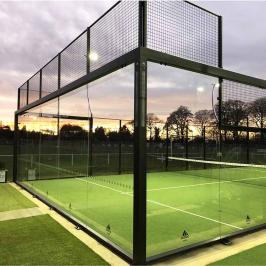
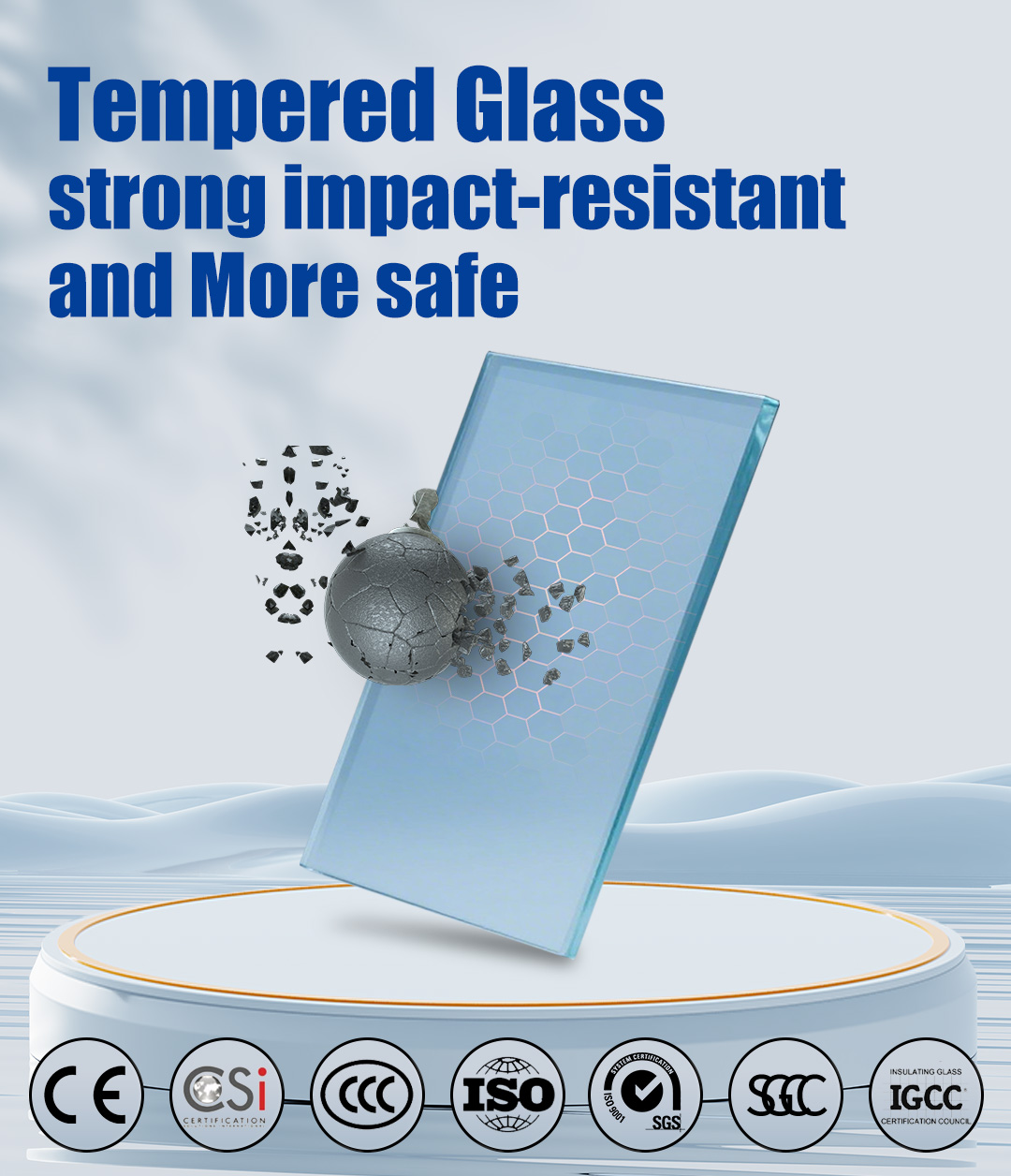
Tempered glass is often chosen when buyers need stronger impact resistance, simple processing logic and broad application flexibility. It is common in doors, partitions, shower screens, sports enclosure systems, tabletops and general architectural glazing where the main goal is improved mechanical strength and safer breakage behavior.
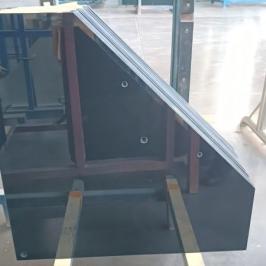
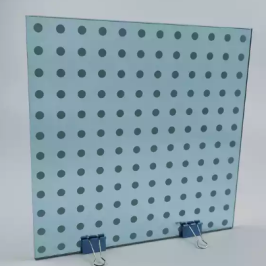
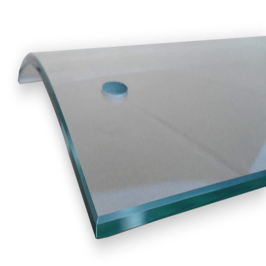
It is also a practical option for projects that need custom holes, notches or shape processing before tempering. For many standard commercial uses, tempered glass offers a straightforward and cost-effective safety solution.
When Laminated Glass Is More Suitable
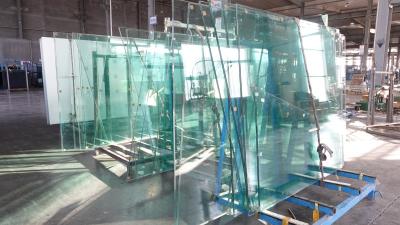
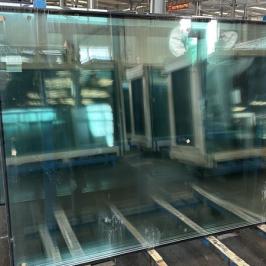
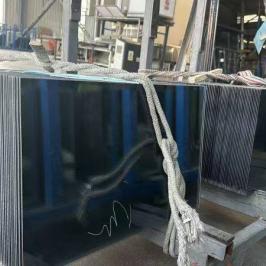
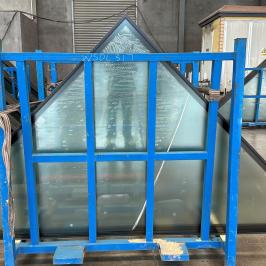
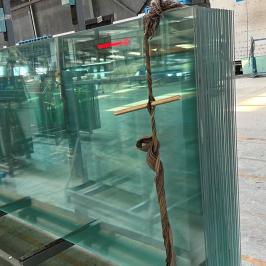
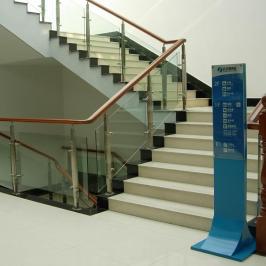
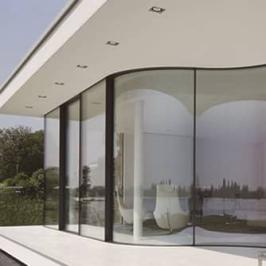
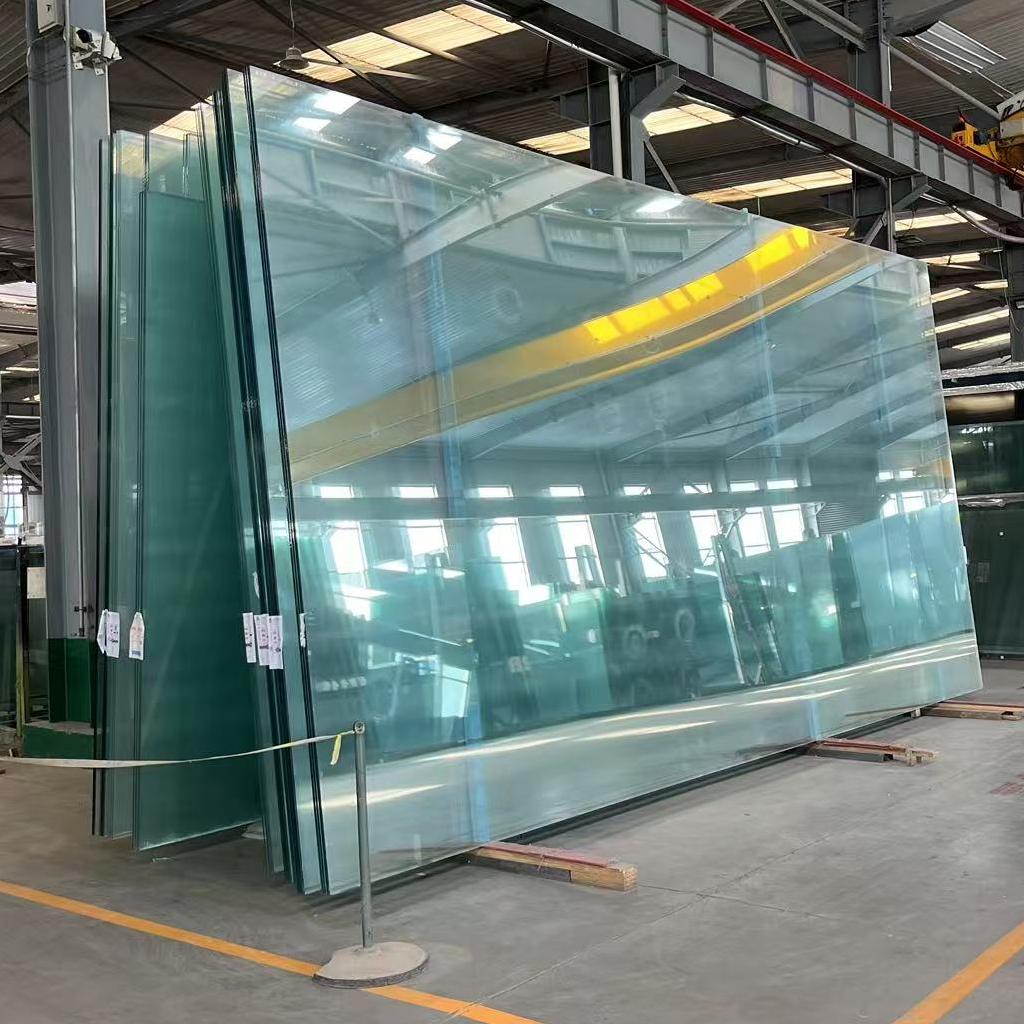
Laminated glass is usually preferred when the project needs the glass to stay together after breakage. Because the fragments adhere to the interlayer, laminated glass can offer better retention performance. This makes it useful for skylights, facades, guard rails, canopies, overhead glazing and other areas where falling fragments could create extra risk.
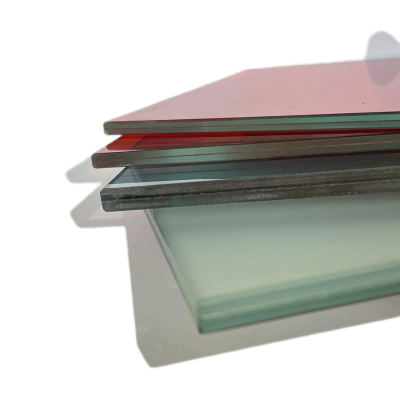
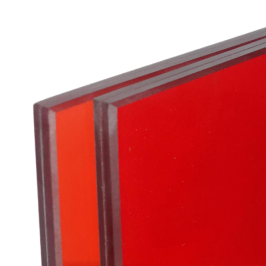
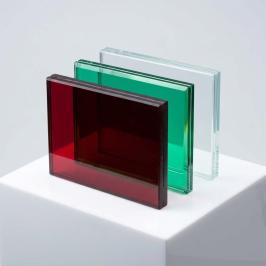
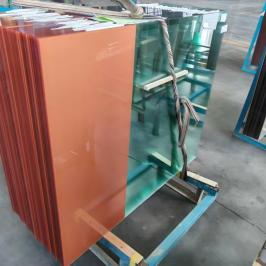
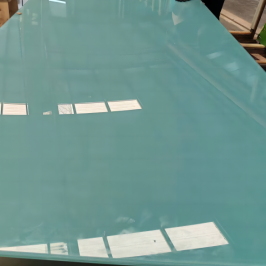
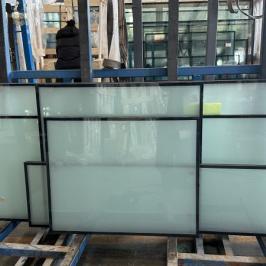
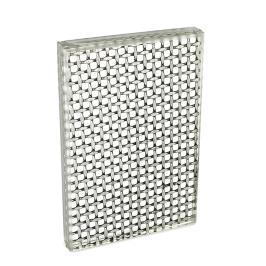
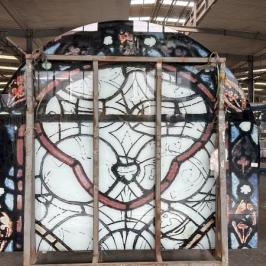
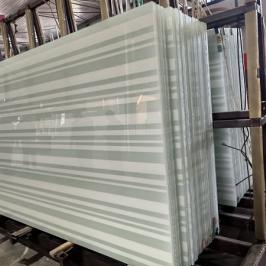
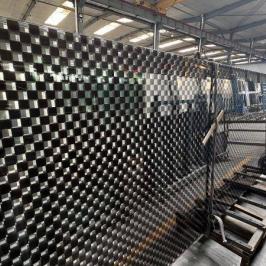
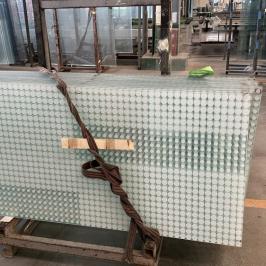
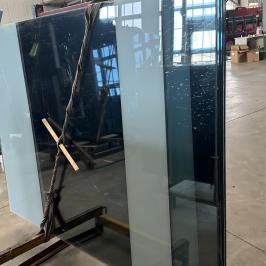
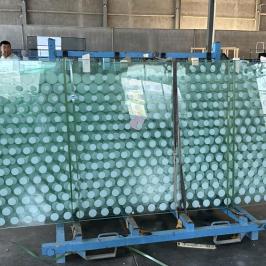
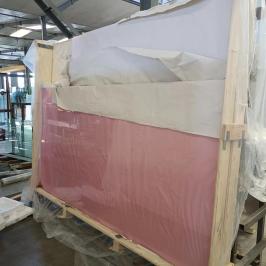
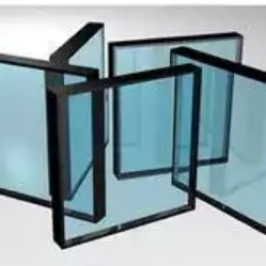
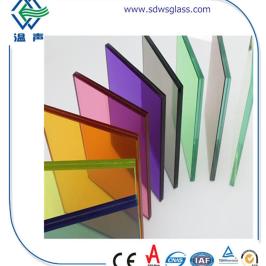
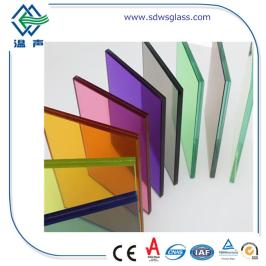
Buyers may also choose laminated glass when they want better acoustic control, stronger security behavior or more specialized glass combinations such as tempered laminated, low iron laminated or colored laminated structures.
Can The Two Be Combined?
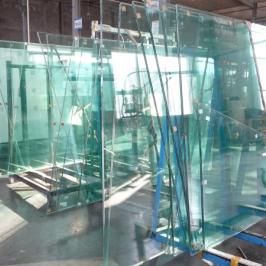
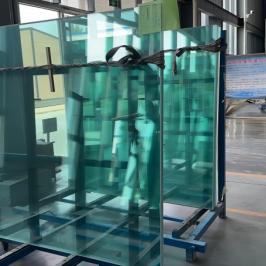
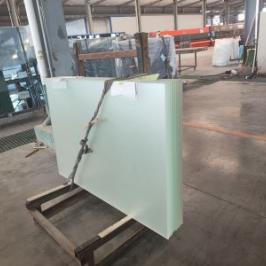
Yes. In many projects, the best answer is not laminated glass or tempered glass, but tempered laminated glass. This structure uses tempered panes together with a laminated interlayer, allowing buyers to combine higher strength with retained fragments. It is commonly used when the application requires a higher overall safety level or more advanced performance.
Because of this, project requirements should be reviewed first rather than choosing only by product name.
Final Selection Advice For Buyers
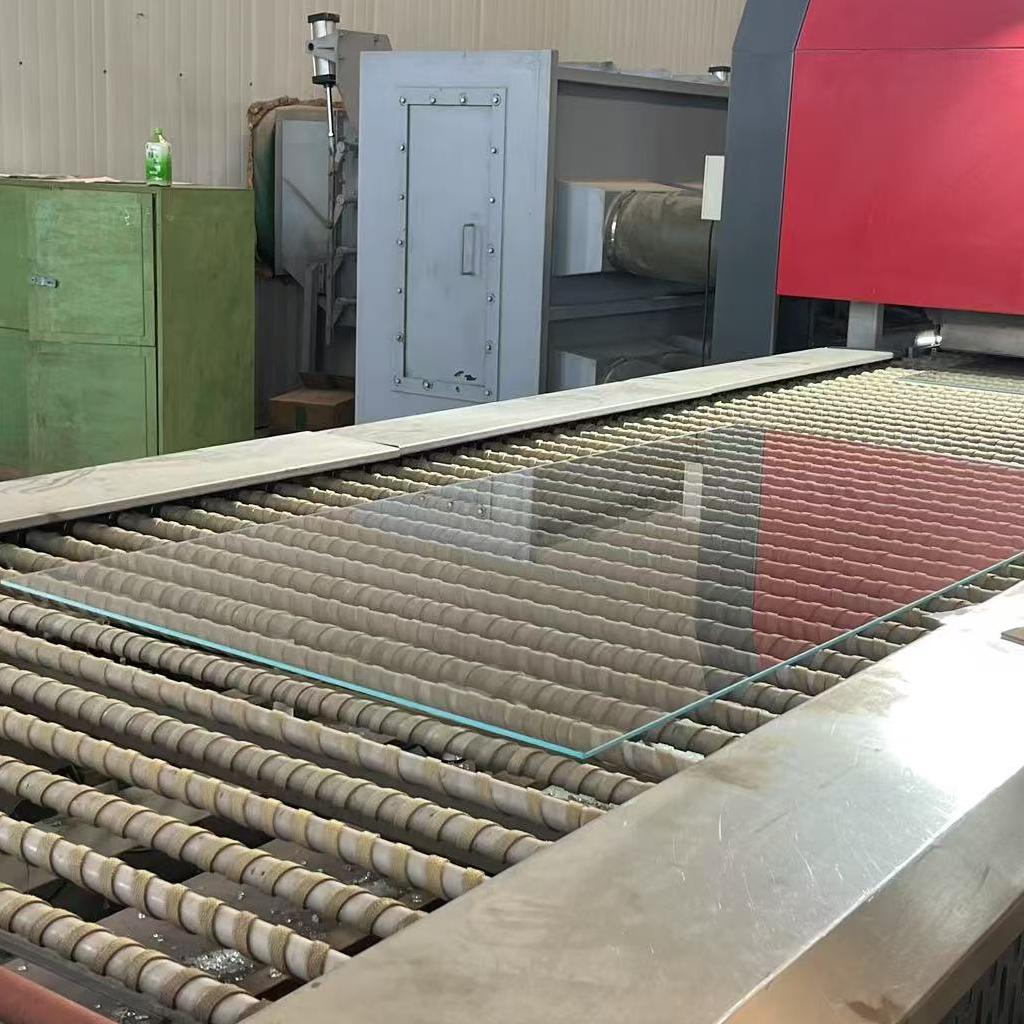
If the project needs basic safety strength for partitions, doors or general glazing, tempered glass may be the better fit. If the project needs fragment retention, extra security or overhead protection, laminated glass is often the safer choice. For higher-level architectural uses, tempered laminated structures may provide the best balance.
For buyers working on building or commercial glass procurement, the most reliable method is to define the installation location, risk level, structural requirement and appearance goal first, then confirm the correct processed glass structure with the supplier.