


















































How to Source, Evaluate, and Manage Suppliers for Commercial Projects
Insulated Glass Procurement Guide: How to Source, Evaluate, and Manage Suppliers for Commercial Projects
Navigating the complex global market for insulated glass units (IGUs) requires a strategic approach beyond simple price comparison. For architects, project managers, and procurement specialists, selecting the right supplier is a critical decision that impacts project budget, timeline, performance, and long-term durability. This comprehensive guide provides a systematic framework for sourcing, vetting, and managing IGU suppliers, ensuring you secure high-quality products that meet exact specifications from a reliable partner.
Part 1: Defining Your Requirements – The Foundation of Smart Sourcing
Before contacting a single supplier, internal clarity is essential. A precise, technical specification document is your most powerful tool.
1. Develop a Comprehensive Technical Data Sheet (TDS):
This is not just a list of dimensions. A professional TDS should include:
Project & Glazing Identifier: Unique tag for each unit type (e.g., CW-01 for Curtain Wall Vision Lite).
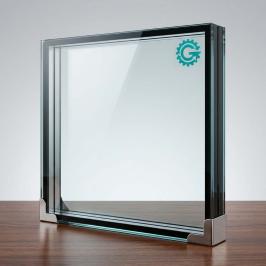
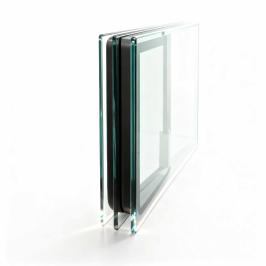
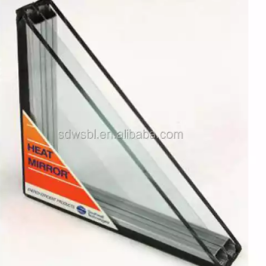
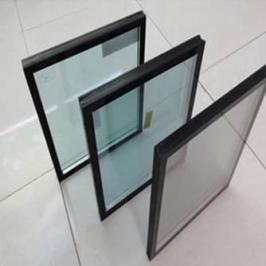
Detailed IGU Make-Up: Example: 8mm Heat-Strengthened Clear Outer Lite / 16mm 90% Argon Cavity / 6.76mm Laminated (2x3mm Clear w/ 0.76mm PVB) Inner Lite with Sputtered Low-E on Surface #3.
Performance Specifications: Target U-value, SHGC, Visible Transmittance (VT), and Sound Transmission Class (STC). Reference required standards (e.g., EN 1279, ASTM E2190).
Tolerances: Clearly state acceptable tolerances for size, squareness, and sightline variations.
Ancillary Details: Spacer type and color, gas fill percentage and verification method, sealant type and width, coating identification marking, and handling labels.
2. Establish Logistical & Commercial Parameters:
Quantities and Phasing: Total square meters, broken down by unit type. Required delivery schedule tied to the construction timeline.
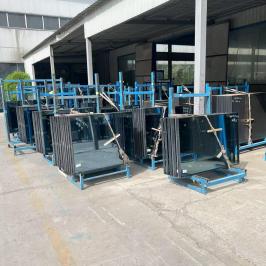
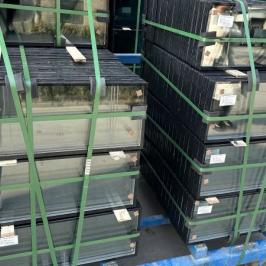
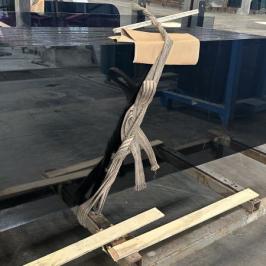
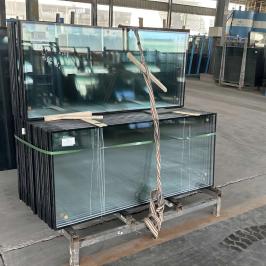
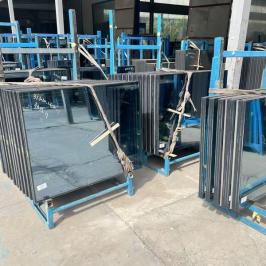
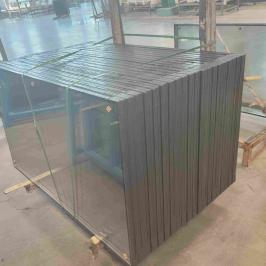
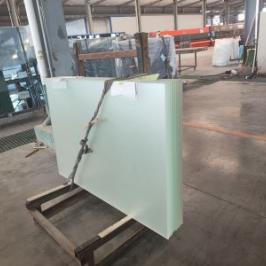
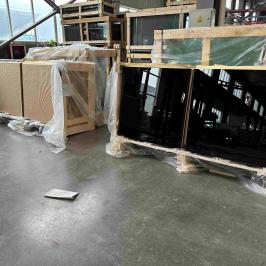
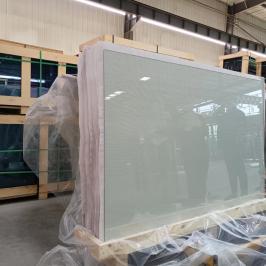
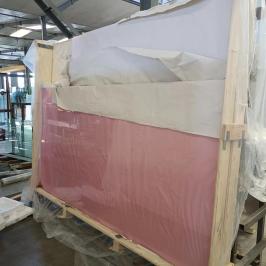
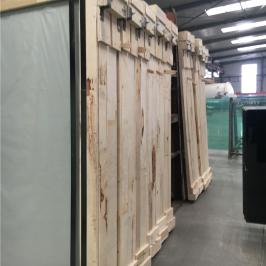
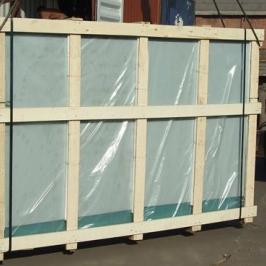
Packaging & Marking: Specify palletization, waterproof wrapping, and clear labeling for site identification and handling.
Incoterms & Destination: Define shipping responsibilities (e.g., FOB factory, CIF port, DDP site).
Part 2: Supplier Identification & Pre-Qualification
Cast a wide but targeted net to find potential partners.
1. Sourcing Channels:
Industry Databases & Associations: Utilize resources from IGMA (Insulating Glass Manufacturers Alliance), GGF (Glass and Glazing Federation), or major architectural glass manufacturer networks (e.g., Guardian, AGC, Saint-Gobain approved fabricators).
B2B Platforms & Trade Shows: Use platforms like Alibaba, but apply rigorous vetting. Prioritize suppliers exhibiting at major trade shows (Glasstec, GlassBuild America).
Professional Referrals: Consult with trusted facade engineers, contractors, or industry peers.
2. The RFQ (Request for Quotation) Package:
Send a complete package to shortlisted suppliers. Include:
Project overview and timelines.
Detailed Technical Data Sheets (TDS).
Architectural glazing details and elevations.
Request for company profile, quality certifications, list of similar projects, and financial references.
Part 3: The Critical Supplier Evaluation Process
Price is one factor. A robust evaluation assesses capability, quality, and reliability.
Evaluation Criteria | Key Questions & Evidence to Request |
|---|---|
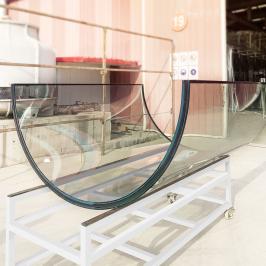
Technical Capability & Experience | Can they produce the exact make-up? Request sample units or photos of past identical projects. Ask for engineering support for complex units (structural glazing, curved glass). |
Quality Management & Certifications | Do they have ISO 9001 certification? What in-process QC checks are performed (gas fill test, seal inspection)? Request a tour of their QC lab. Are they certified to relevant standards (EN 1279, ASTM E2190)? |
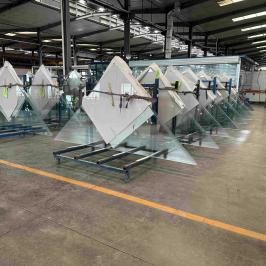
Manufacturing Facilities & Technology | Is the plant clean and organized? Do they use automated spacer bending, robotic sealing, and controlled gas filling chambers? Manual processes increase variability. |
Financial Stability & References | Run a credit check. Request and actually contact 3-5 project references, specifically asking about on-time delivery, defect rates, and problem resolution. |
Logistics & Packaging | How are units packed for ocean freight? Request photos of typical packing. What is their typical on-time delivery rate? |
Warranty & After-Sales Support | What is the exact warranty period and coverage? How are claims handled? Is there a clear process for addressing site breakage or seal failures? |
Part 4: Sample Analysis, Factory Audit, and Contract Negotiation
1. The Power of the Sample: Always order a pre-production sample (PP sample) before full production. Test it against all specifications: dimensions, coating placement, performance (send to a third-party lab if critical), and edge deletion quality. The sample is a contract for quality.
2. Conducting a Factory Audit: If order volume is significant, an on-site audit is invaluable. Use a checklist:
Raw Material Incoming Inspection.
Glass Washing and Drying Process.
Sealant Application Environment (temperature/humidity controlled).
Gas Filling Procedure and Verification.
Final Inspection and Packing Stations.
3. Contract Essentials: Move beyond a simple PO. The contract should include:
Detailed Technical Annex referencing the approved PP sample.
Milestone Payment Schedule (e.g., 30% with order, 60% before shipment, 10% after satisfactory delivery).
Liquidated Damages for late delivery.
Clear Warranty Terms.
Procedure for handling non-conforming goods received on-site.
Part 5: Production Monitoring, Logistics, and Site Management
1. Production Monitoring: For large orders, require weekly production reports with photos. Consider hiring a third-party inspection company for critical in-process and pre-shipment inspections (PSI).
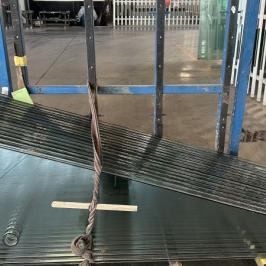
2. Logistics Coordination: Ensure the shipping method (container type, stuffing plan) protects the glass. Require photographic proof of loading. Marine insurance is non-negotiable.
3. Site Reception & Storage: Train site staff on proper unloading and vertical storage protocols. Conduct a visual inspection upon receipt and document any damage immediately with photos, before the transport company leaves.
Case Study: Avoiding a Common Pitfall
A developer sourced low-cost IGUs based solely on a brochure U-value. During installation, widespread internal fogging appeared. The failure was traced to:
Cause: The supplier used a poor-quality desiccant and manual sealant application in a dusty environment.
Cost: Full replacement, project delay, and legal fees far exceeded the initial "savings."
Lesson: The lowest price often reflects unseen compromises in materials and process control. Investment in upfront due diligence is always cheaper.
Conclusion: Procurement as Risk Management
Sourcing insulated glass is an exercise in technical risk management. The goal is not to find the cheapest product, but to secure a product that will perform as specified for decades, from a partner who will stand behind it. By implementing a disciplined process—from crafting ironclad specifications and auditing factories to ordering samples and managing logistics—you transform procurement from a cost center into a value driver, ensuring the building’s facade is an asset, not a liability.