


















Insulated Glass Troubleshooting, Repair, and Replacement: A Professional Guide
Insulated Glass Troubleshooting, Repair, and Replacement: A Professional Guide
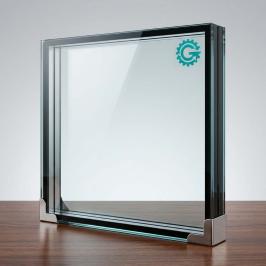
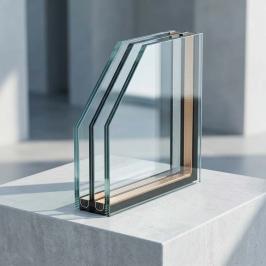
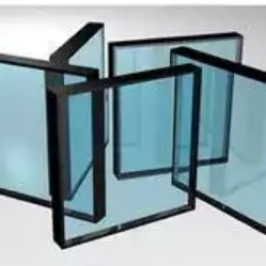
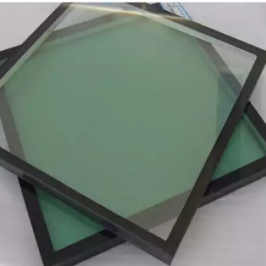
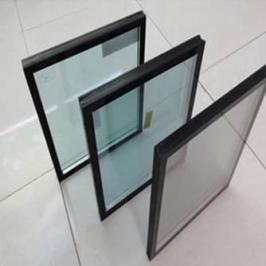
While modern insulated glass units (IGUs) are engineered for decades of service, they are not immune to failure. For homeowners, facility managers, and glazing professionals, correctly diagnosing problems and knowing the repair and replacement options is essential for maintaining performance, safety, and aesthetics. This comprehensive guide covers the most common IGU failures, provides a step-by-step diagnostic process, and details the professional solutions for restoration.
Part 1: Diagnosing Common Insulated Glass Failures
Accurate diagnosis is the first step to an effective solution. Here are the primary failure modes.
1. Seal Failure: The Most Common Issue
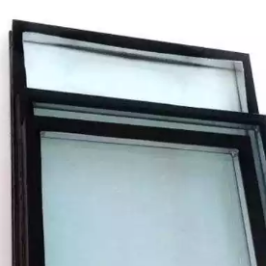
Symptoms: Persistent fogging, condensation, or frost trapped permanently betweenthe glass panes. In advanced stages, a visible water line or white dust (desiccant) may appear at the bottom of the airspace.
Cause: The hermetic seal (the primary and/or secondary sealant) has been compromised. This allows moisture-laden air to enter the dry cavity. The desiccant inside the spacer becomes saturated, leading to condensation on the interior glass surfaces. Causes include UV degradation of sealants, thermal stress, mechanical stress from building movement, or manufacturing defects.
Crucial Distinction: This is NOT condensation on the room-side surface, which is caused by high indoor humidity and indicates the window is functioning correctly (albeit with a lower interior surface temperature).
2. Gas Fill Loss (Insulating Gas Leakage)
Symptoms: A gradual, often unnoticed, decrease in thermal performance (higher energy bills, drafts near windows). The glass will not appear foggy. This requires specialized equipment to detect.
Cause: Similar to seal failure, but the leak rate is slow enough to allow argon or krypton to escape without significant moisture ingress. Performance degrades as the cavity reverts to less-insulating plain air.
3. Spacer System Failure
Symptoms: Visible distortion of the glass edge, a "wavy" appearance near the perimeter, or the spacer bar becoming visible or discolored. In extreme cases, the glass may develop a concave or convex bend.
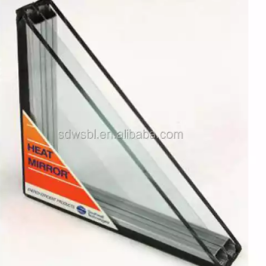
Cause: Failure of the spacer's structural integrity or corner keys. This can be due to corrosion (in aluminum spacers), thermal stress, or pressure differentials. This often compromises the seal as well.
4. Glass Breakage or Coating Degradation
Symptoms: Cracks, chips, or shattered glass. For coatings, visible scratches, peeling, or a hazy, discolored appearance on the Low-E surface.
Cause: Impact, thermal stress, nickel sulfide inclusions (in tempered glass), or improper cleaning chemicals abrading the soft Low-E coating.
Part 2: The Professional Repair vs. Replace Decision Matrix
Problem | Possible "Repair" | Professional Replacement Solution |
|---|---|---|
Fogged IGU (Seal Failure) | Temporary/Unreliable: DIY "defogging" kits drill a hole, remove moisture, and seal it. This is a short-term fix that does not address the failed edge seal or restore gas fill. It often leaves residual stains and is not recommended. | Only Permanent Solution: The sealed IGU must be replaced. This is a "glass-only" or "reglazing" service. The window sash is removed, the failed IGU is taken out, a new custom IGU is installed, and the sash is professionally resealed and reinstalled. |
Lost Gas Fill | None. Gas cannot be re-injected in the field. | Full IGU replacement, as above. |
Failed Spacer | None. | Full IGU replacement, often requiring a sash inspection to ensure the frame is not contributing to the stress. |
Broken Glass Pane | If the break is only in the outerlite of a double-glazed unit and the air seal is intact, a skilled technician can sometimes replace just that single lite. This is complex and not always possible. | Typically, the entire IGU is replaced to ensure a perfect, factory-sealed unit with full warranty. For laminated glass breakage, the entire laminated lite is replaced. |
Scratched Coating | If the scratch is superficial and on the exterior surface (#1), professional glass polishing maybe possible. Scratches on the interior Low-E coating (#2, #3) are not repairable without replacing the glass. | Replacement of the affected glass lite or the entire IGU. |
Part 3: Step-by-Step Guide to Professional IGU Replacement (Reglazing)
For a permanent fix to a failed unit, follow this professional process:
Assessment & Quotation:
A certified technician assesses the window to confirm IGU failure and checks the health of the sash/frame, gaskets, and hardware.
They measure the glass size (width, height, thickness) and determine the IGU make-up (glass types, coating position, spacer width). The spacer color is also noted.
A quote is provided for the manufacture of the new IGU and the labor for replacement.
Manufacturing the New IGU:
A custom IGU is fabricated to the exact specifications. This takes 1-3 weeks, depending on complexity.
On-Site Replacement Procedure:
Sash Removal: The interior window sash (the movable part) is carefully removed from the frame and brought to a clean, protected work area.
De-glazing: The old, failed IGU is removed from the sash. This involves cutting or removing the glazing beads, stops, or sealant holding it in place.
Preparation: The glazing channel in the sash is thoroughly cleaned of all old sealant, debris, and dried glazing tape.
Re-glazing: The new IGU is set on fresh setting blocks. A new bead of glazing tape or non-hardening butyl is applied, and the IGU is pressed into place. New glazing beads are installed or a professional-grade silicone sealant is applied.
Reinstallation & Testing: The sash is reinstalled in the main frame, hardware is adjusted, and the operation is tested.
Part 4: Prevention and Prolonging IGU Life
Proper Installation: Ensure windows are installed according to manufacturer specs with proper shimming, flashing, and expansion joints to prevent frame distortion that stresses the IGU seals.
Gentle Cleaning: Use soft cloths and approved cleaners. Never use abrasive pads, scrapers, or high-pressure washers directly on the glass edges.
Control Interior Humidity: Use exhaust fans and dehumidifiers to keep indoor relative humidity at 30-50% in winter, reducing the driving force for condensation.
Window Treatments: In very sunny climates, use shades or awnings to reduce extreme thermal cycling of the glass, which stresses seals.
Conclusion: Invest in Long-Term Performance
A fogged or failed insulated glass unit is a clear sign of diminished performance. While temporary fixes exist, only professional glass unit replacement restores the original thermal, acoustic, and aesthetic integrity of your window. By understanding the failure modes, choosing a reputable glazing contractor, and opting for a quality replacement IGU, you protect your property's comfort, efficiency, and value for another 20-30 years. Remember, the warranty on the new IGU starts from its date of manufacture, providing peace of mind for the long term.