


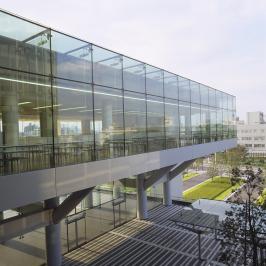






How Insulated Glass Drives Green Certification and Reduces Environmental Impact
Sustainable & Eco-Friendly Building: How Insulated Glass Drives Green Certification and Reduces Environmental Impact
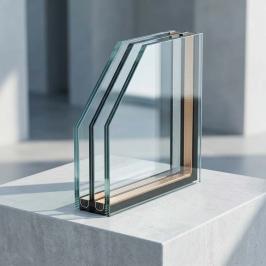
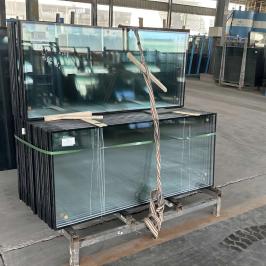
In an era of climate consciousness and stringent building regulations, the choice of windows and glazing is no longer just about comfort and aesthetics—it's a central pillar of sustainable design. This article explores how high-performance insulated glass contributes directly to green building certification, reduces a structure's carbon footprint, and supports a circular economy. For developers, architects, and eco-conscious homeowners, understanding the environmental credentials of IGUs is key to constructing truly responsible buildings for the future.
Part 1: The Core Sustainability Benefits of Insulated Glass
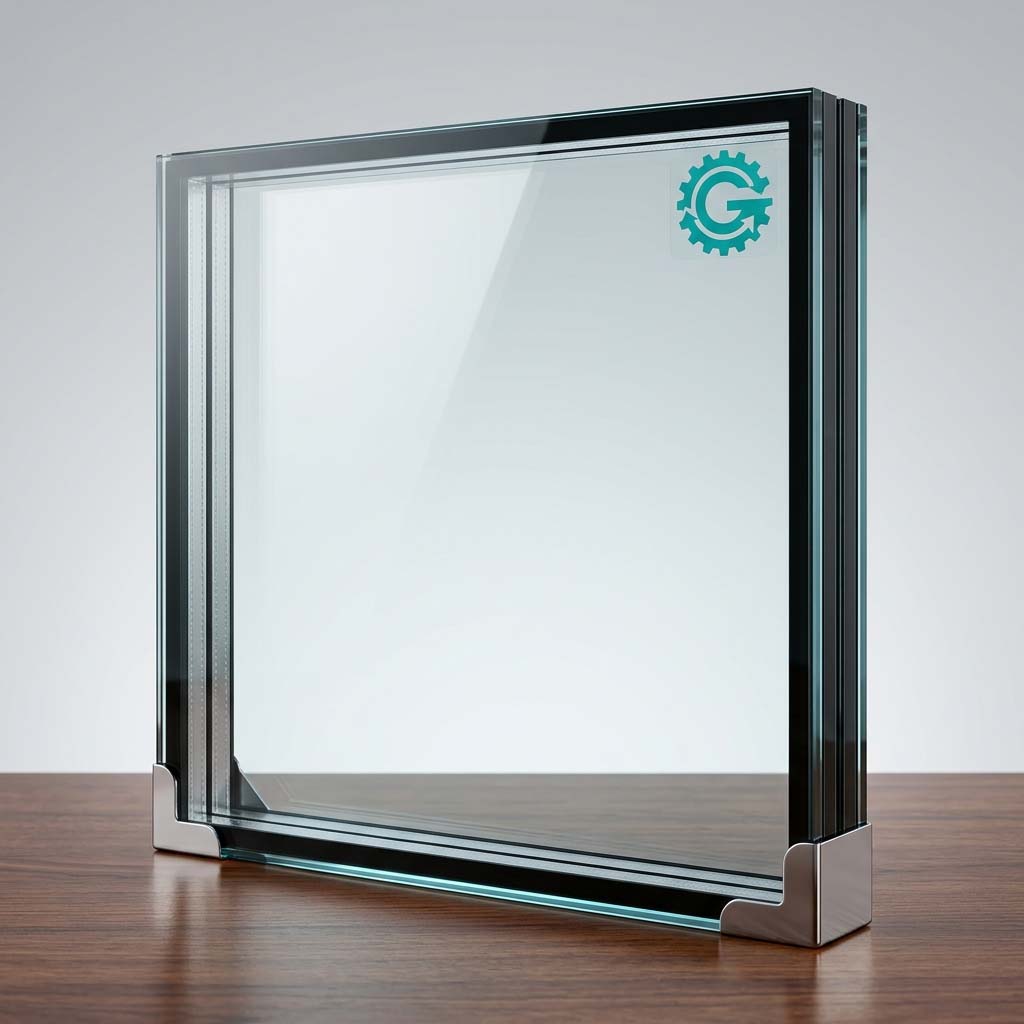
Insulated glass is a fundamental sustainable technology, offering both passive and active environmental advantages throughout a building's lifecycle.
Operational Carbon Reduction: The primary benefit is drastic energy savings. By minimizing heat loss in winter and heat gain in summer, high-performance IGUs dramatically reduce the energy demand for HVAC systems. This directly lowers the building's operational carbon emissions year after year. A single upgrade can cut a building's total energy use by 10-25%.
Durability and Longevity: A well-manufactured and installed IGU lasts 25-30 years or more. This long service life reduces the frequency of replacement, minimizing resource extraction, manufacturing energy, and construction waste over time—a core tenet of sustainable material selection.
Enhanced Daylighting and Occupant Wellness: Modern Low-E coatings and spectrally selective glass allow for high Visible Transmittance (VT) while controlling solar heat. This maximizes natural daylighting, reducing reliance on artificial lighting and its associated energy use. Access to natural light is also proven to improve occupant health, productivity, and well-being, a key aspect of holistic green building standards.
Part 2: Insulated Glass as a Driver for Green Building Certification
High-performance glazing is a high-value strategy for accumulating points in all major green building rating systems.
LEED (Leadership in Energy and Environmental Design - U.S.):
Energy & Atmosphere (EA) Credit: Optimize Energy Performance. High U-factor and low SHGC values are directly input into energy models for maximum points.
Indoor Environmental Quality (EQ) Credit: Daylight and Quality Views. Glazing with high VT helps achieve spatial daylight autonomy and provides access to views.
Materials & Resources (MR) Credit: Building Product Disclosure and Optimization. Using IGUs with Environmental Product Declarations (EPDs) and/or recycled content contributes points.
BREEAM (Building Research Establishment Environmental Assessment Method - UK/Global):
ENE 01: Reduction of Energy Use and Carbon Emissions. Similar to LEED, high-performance glazing is critical for the building's energy modeling score.
HEA 01: Visual Comfort. Addresses daylighting and glare control, where advanced IGUs excel.
MAT 01: Life Cycle Impacts. Rewards the use of products with robust EPDs.
EDGE (Excellence in Design for Greater Efficiencies - Global):
EDGE software directly calculates energy savings from improved glazing. Upgrading to certified energy-efficient insulated glass is one of the most straightforward ways to meet the 20% energy savings threshold required for certification.
Part 3: Beyond Energy: Lifecycle Analysis and End-of-Life Considerations
True sustainability examines the product from "cradle to grave."
Environmental Product Declarations (EPDs): Reputable IGU manufacturers now provide EPDs—standardized reports that detail the product's environmental impact across its lifecycle, including Global Warming Potential (GWP), embodied energy, and resource use. Specifying products with EPDs is becoming a best practice.
Recyclability and the Circular Economy:
Glass Cullet: The glass panes themselves are 100% recyclable. End-of-life IGUs can be processed, and the glass (cullet) is remelted to make new glass products, saving raw materials and energy.
The Separation Challenge: The complexity lies in separating the glass from the spacer, sealants, and desiccant. Specialized recycling facilities are increasingly capable of this process.
Future Innovations: The industry is moving towards "design for disassembly," such as using thermoplastic spacers and more easily separable sealant systems to facilitate cleaner, more efficient recycling—a move towards a true closed-loop system for glazing.
Part 4: How to Specify for Maximum Sustainability
To ensure your glazing choice supports your green building goals, include these requirements in your project specifications:
Performance First: Demand certified performance data (NFRC, EN). Target a whole-window U-value suited for your climate and a balanced SHGC/VT ratio for optimal energy and daylighting.
Request Documentation: Require EPDs for the proposed IGU and key components (spacer, glass). Ask for information on recycled content in the glass substrate.
Choose Responsible Components: Prefer warm edge spacers (stainless steel, thermoplastic) over aluminum for reduced thermal bridging and often better end-of-life processing. Inquire about the environmental profile of sealants.
Plan for the Future: Discuss end-of-life take-back or recycling programs with your supplier or glazing contractor. Support systems that keep materials in use.
Part 5: The Future: Net-Zero Buildings and Emerging Eco-Technologies
Insulated glass is the enabling technology for the most ambitious sustainable buildings.
Net-Zero Energy Ready Buildings: Achieving net-zero energy is virtually impossible without a super-insulated, high-performance building envelope, of which advanced IGUs are the most critical element.
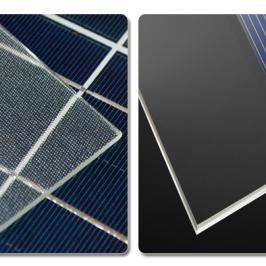
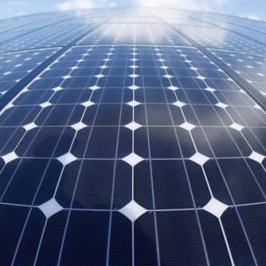
Photovoltaic (PV) and Building-Integrated Photovoltaics (BIPV): IGUs can now be laminated with transparent or semi-transparent PV cells, turning the entire facade into a clean energy generator.
Dynamic & Smart Glazing: Electrochromic glass (which tints on demand) optimizes energy use dynamically, reducing cooling loads and artificial lighting needs in real-time based on sun conditions, pushing operational efficiency to its peak.
Conclusion: More Than a Window—A Climate Solution
Specifying high-performance insulated glass is one of the most impactful single decisions for reducing a building's environmental footprint. It is a direct investment in lower operational emissions, occupant health, and resource efficiency. As green building codes become the norm and carbon accountability grows, the IGU transforms from a commodity into a strategic climate solution. By choosing products backed by science, transparency (EPDs), and a vision for circularity, the building industry can use glazing not just to see the world, but to protect it.