








Quiet Evolution: The Next Chapter for the Humble Insulating Glass Unit
Quiet Evolution: The Next Chapter for the Humble Insulating Glass Unit
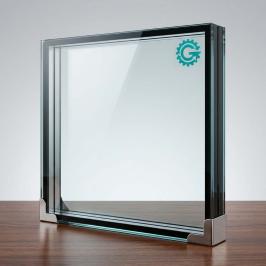
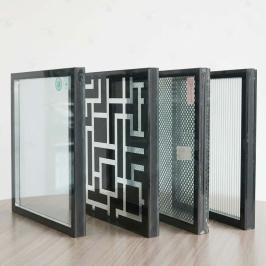
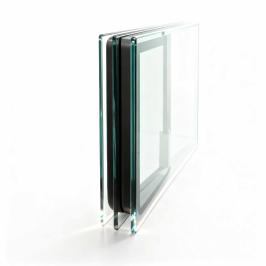
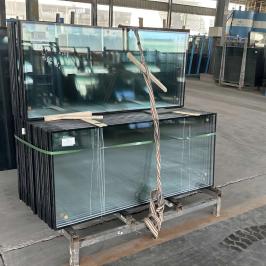
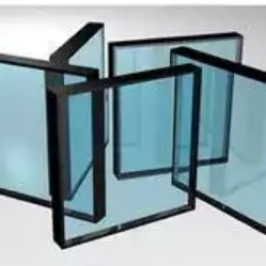
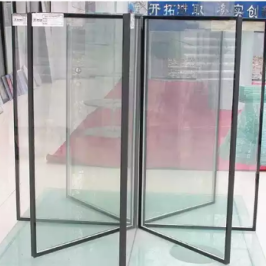
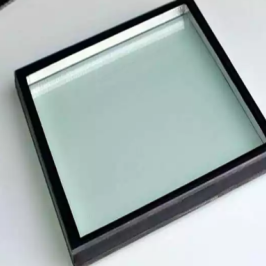
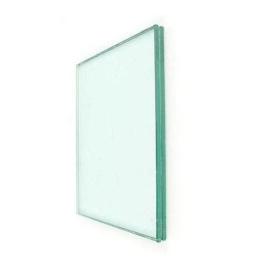
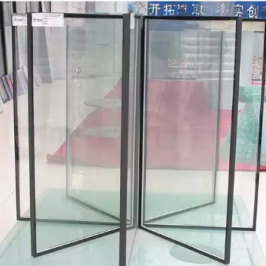
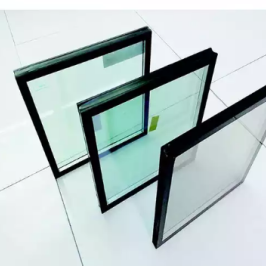
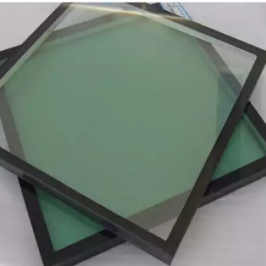
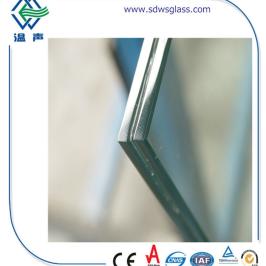
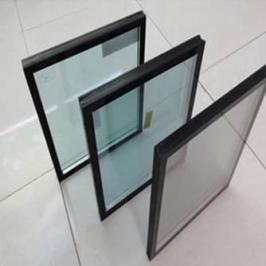
Frankfurt, March 4, 2026– In a world chasing the next technological breakthrough, a foundational component of modern buildings is undergoing a subtle but significant transformation. The insulating glass unit (IGU), or double-glazed window, is far from a settled technology. Manufacturers and material scientists are pushing its performance boundaries further, making the familiar "sandwich" of glass and gas a hotbed of incremental innovation.
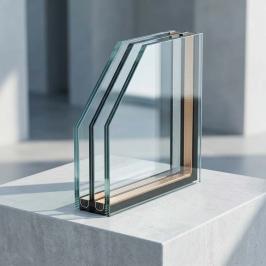
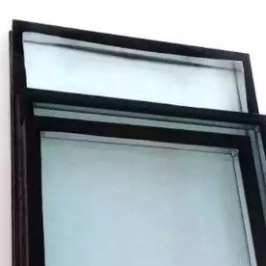
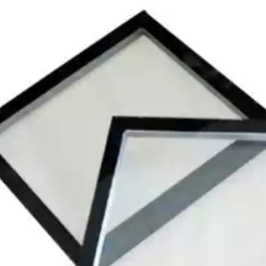
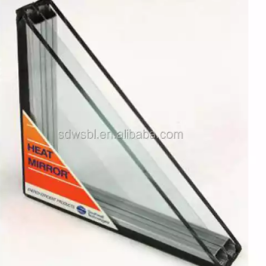
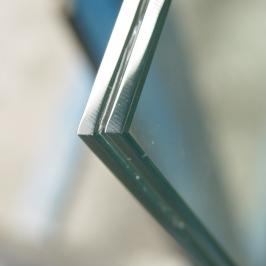
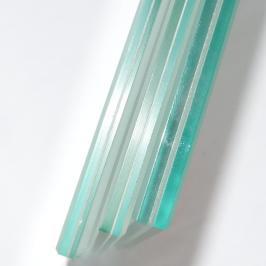
The core principle remains: two or more panes of glass separated by a spacer and sealed, with the cavity filled with argon or krypton gas to reduce heat transfer. The advancements are in the details. The focus is now on the "warm edge" spacer—the material that holds the panes apart. Traditional aluminum spacers, a thermal weak point that can lead to condensation, are being rapidly replaced by non-metal composites. These new spacers dramatically cut energy loss at the glass perimeter.
"The spacer is the unsung hero," says Lars Weber, a production engineer at a German fabricator. "Switching to a thermally broken spacer system can improve the overall U-value of a window by 15% or more. It's not glamorous, but it's one of the most cost-effective upgrades in the glazing chain."
Simultaneously, the fill gases are getting smarter. While argon is standard, blends incorporating xenon or other gases are being fine-tuned for specific climates and performance targets. The glass itself is also changing. The adoption of triple-glazed units, once mostly in cold climates, is growing in temperate regions as builders aim for passive house standards.
This isn't about reinventing the wheel; it's about perfecting it. Market data indicates that over 60% of new commercial IGUs in Europe now incorporate at least one of these advanced features—warm edge spacers, triple glazing, or specialty gas blends—up from around 40% just five years ago.
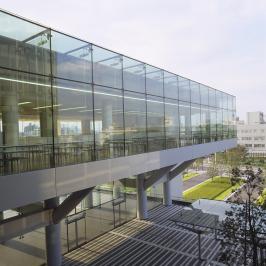
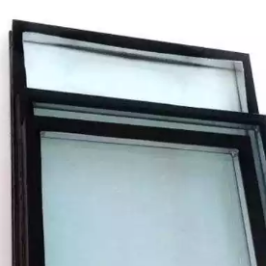
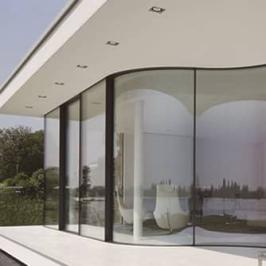
"For clients, the value proposition is straightforward: greater comfort and lower energy bills," explains architect Maria Chen. "We recently completed a mid-century office retrofit. We kept the original window frames for aesthetics but specified new, high-performance IGUs. The heating load dropped by 30%. The windows look the same from the street, but they perform like a completely different building."
The drive for net-zero buildings and rising energy costs are turning the IGU from a commodity into a precision component. The quiet workhorse of the façade is getting smarter, proving that sometimes the most impactful evolution is the one you can barely see.