





Laminated Glass for Curtain Walls: Benefits, Types and Project Selection Guide
Laminated Glass for Curtain Walls: Benefits, Types and Project Selection Guide
Laminated Glass for Curtain Walls
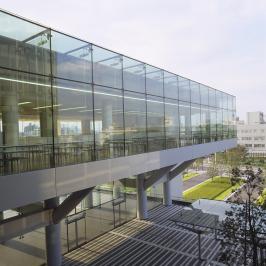
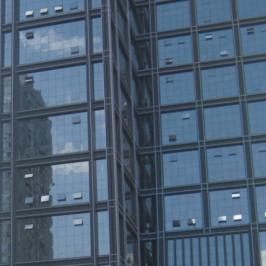
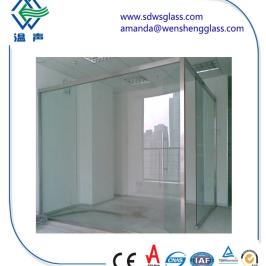
Curtain walls are widely used in modern commercial buildings, office towers, hotels, shopping malls, airports, exhibition centers, and high-end residential projects. They create a clean, transparent, and modern building appearance while allowing natural light to enter the interior space.
For curtain wall systems, glass is not only a decorative material. It also affects building safety, energy efficiency, acoustic comfort, and long-term performance. Laminated glass is one of the most commonly used safety glass options for curtain wall projects because it provides better post-breakage safety and design flexibility.
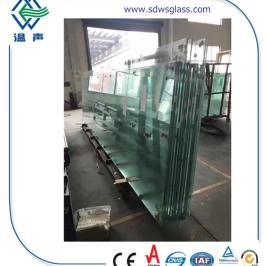
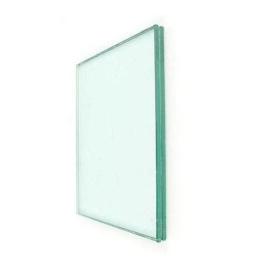
Why Laminated Glass Is Used in Curtain Walls
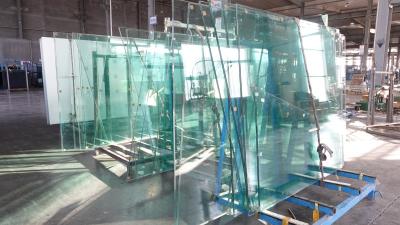
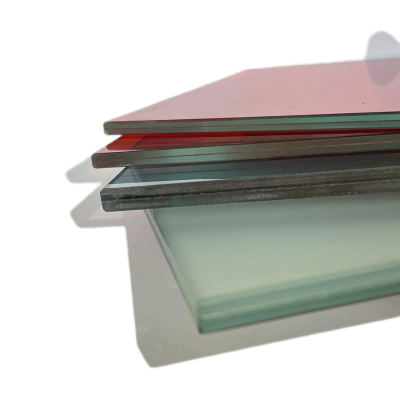
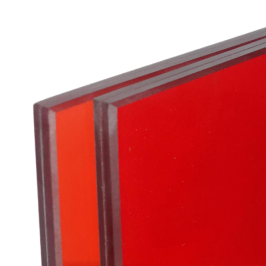
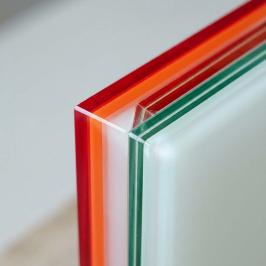
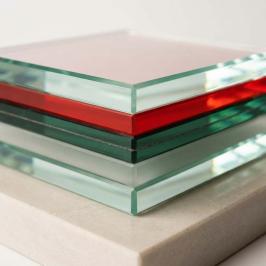
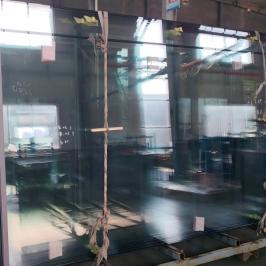
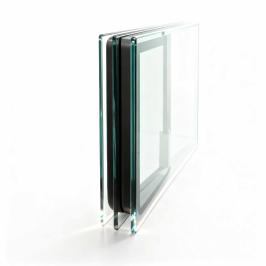
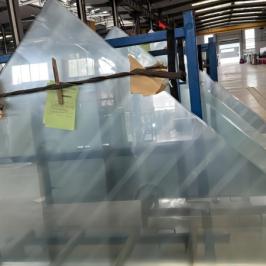
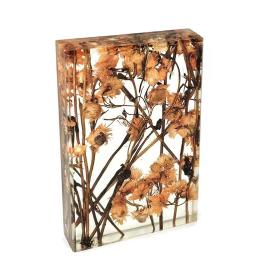
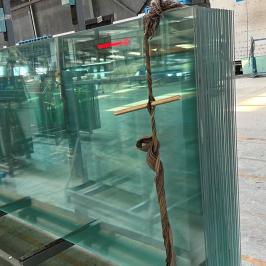
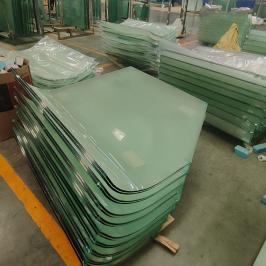
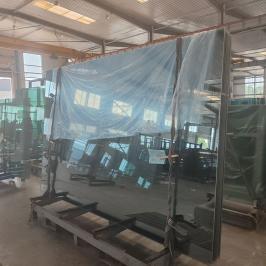
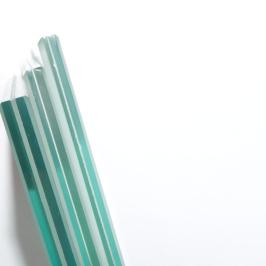
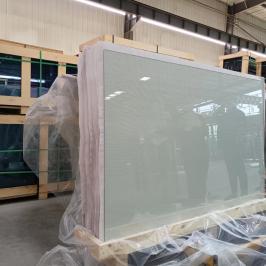
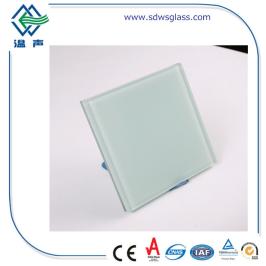
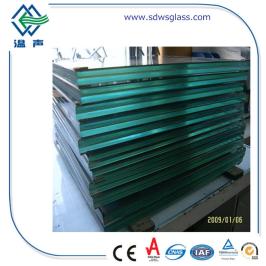
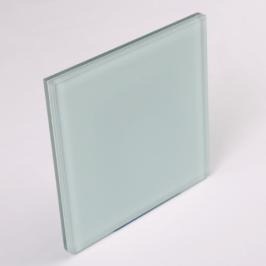
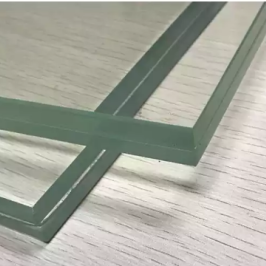
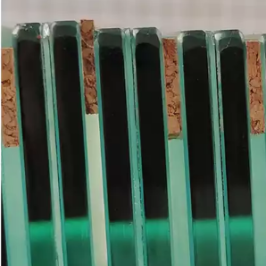
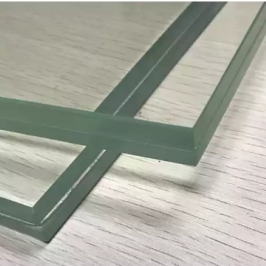
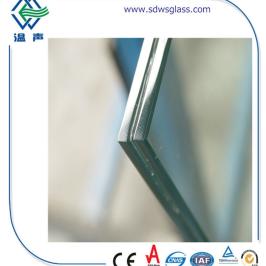
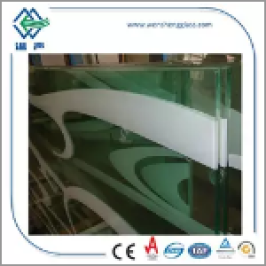
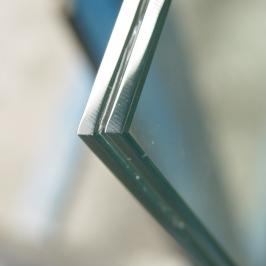
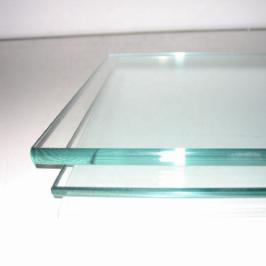
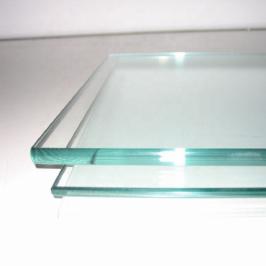
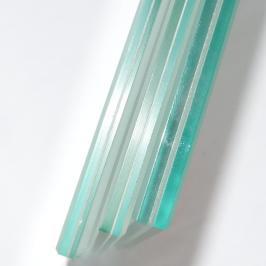
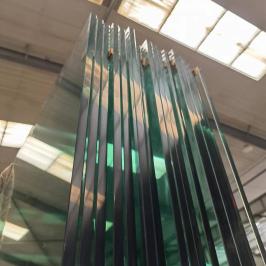
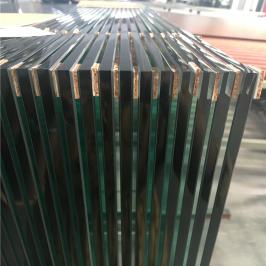
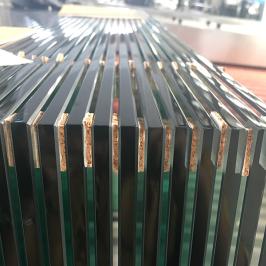
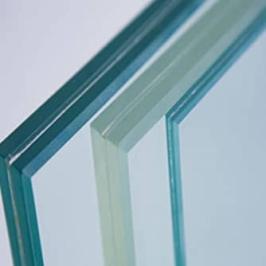
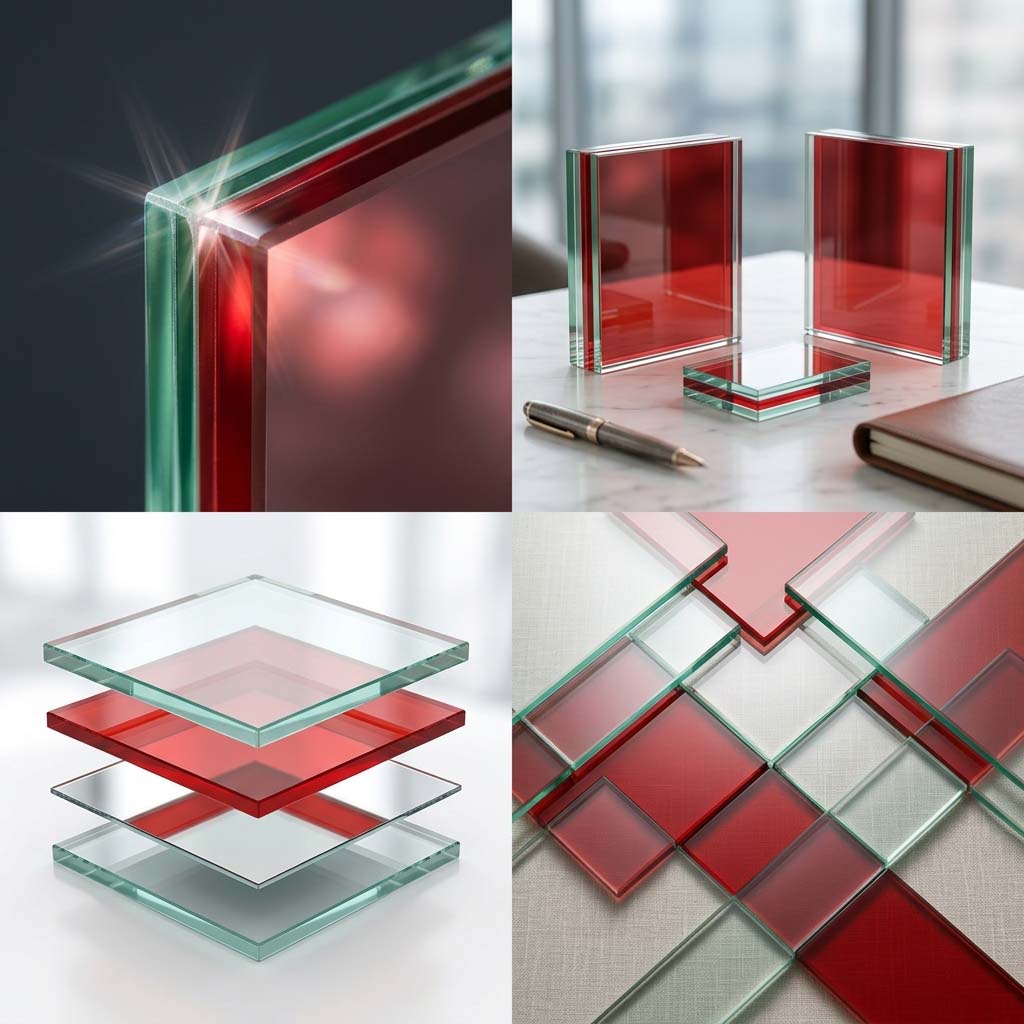
Laminated glass consists of two or more glass panels bonded together with an interlayer such as PVB or SGP. When the glass breaks, the fragments remain attached to the interlayer instead of falling immediately.
For high-rise buildings and large facades, this feature is very important. It helps reduce the risk of falling glass and improves the overall safety performance of the curtain wall system.
Main Benefits of Laminated Glass Curtain Walls
1. Better Safety Performance
Curtain wall glass is often installed at height. If ordinary glass breaks and falls, it may create serious safety risks. Laminated glass helps keep broken fragments bonded to the interlayer, reducing the danger of falling glass.
For this reason, laminated glass is widely used in high-rise curtain wall systems and public buildings.
2. Modern Architectural Appearance
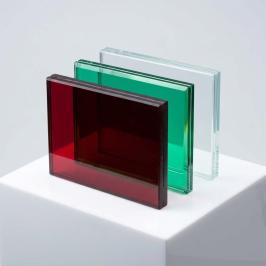
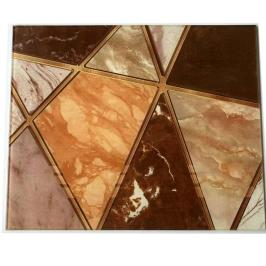
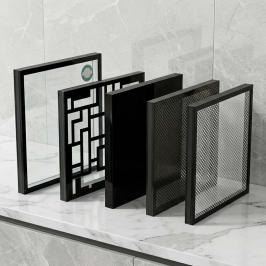
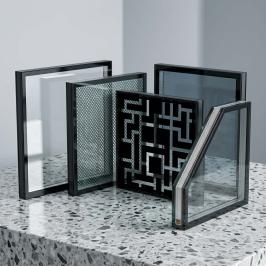
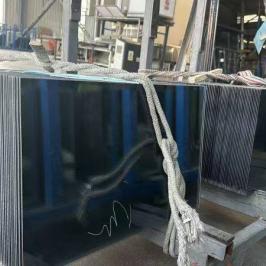
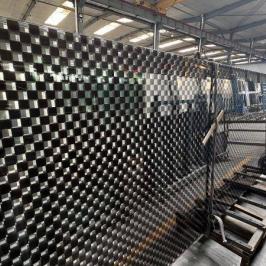
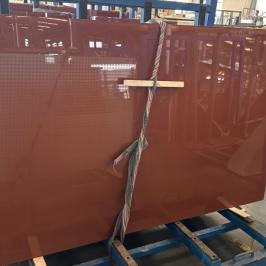
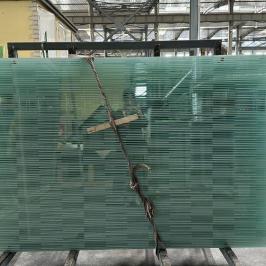
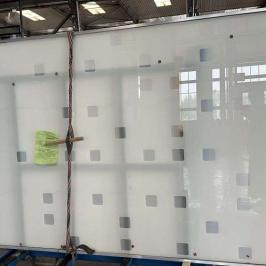
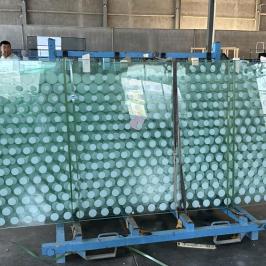
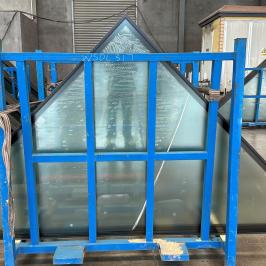
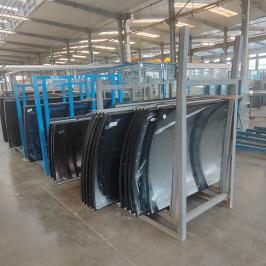
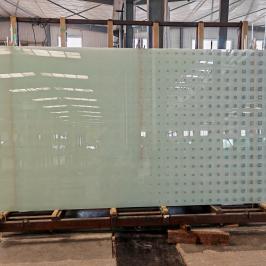
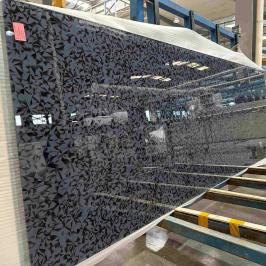
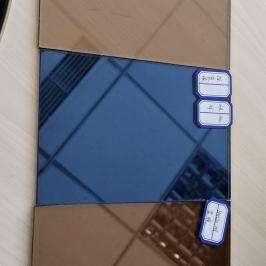
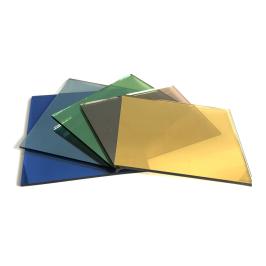
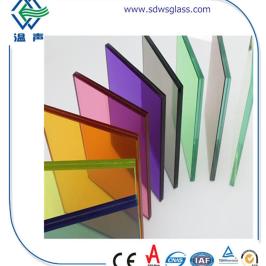
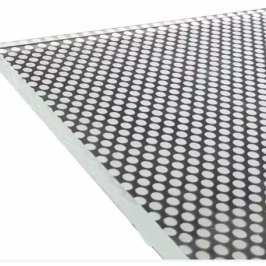
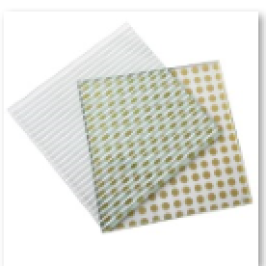
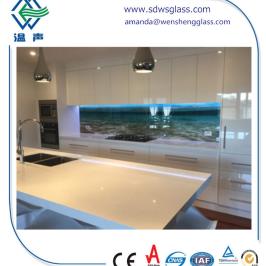
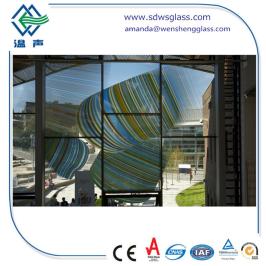
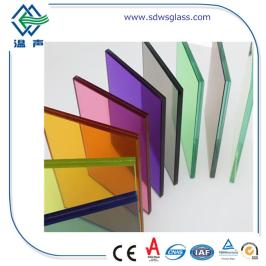
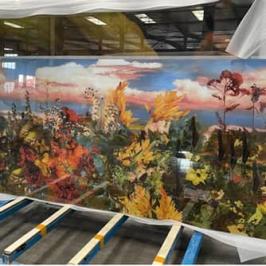
Laminated glass provides a clean and premium appearance. It can be produced with clear glass, ultra-clear glass, tinted glass, reflective glass, Low-E glass, or printed glass to match different building designs.
Architects often choose laminated glass when they need both safety and a modern visual effect.
3. Better Sound Insulation
The interlayer in laminated glass helps reduce sound transmission. This is useful for office buildings, hotels, apartments, and commercial buildings located near busy roads, railways, airports, or city centers.
For better acoustic performance, laminated glass can also be combined with insulated glass.
4. UV Protection
Laminated glass can block part of harmful ultraviolet rays. This helps protect interior furniture, flooring, curtains, products, and decorations from fading caused by long-term sunlight exposure.
5. Flexible Glass Configurations
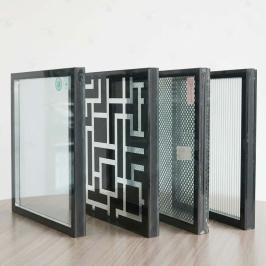
Curtain wall laminated glass can be customized according to project requirements, including:
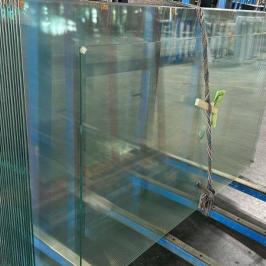
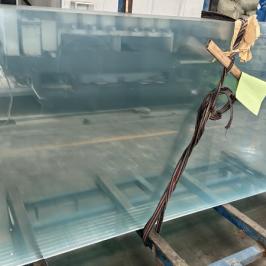
clear laminated glass
ultra-clear laminated glass
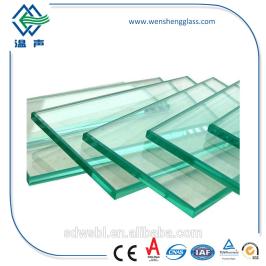
tempered laminated glass
Low-E laminated glass
insulated laminated glass
tinted laminated glass
reflective laminated glass
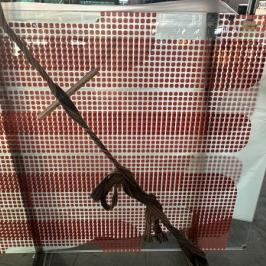
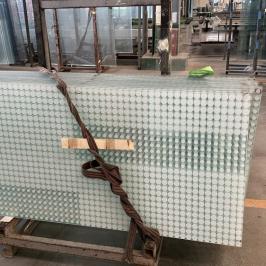
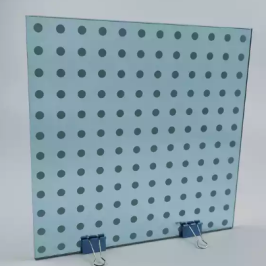
printed laminated glass
SGP laminated glass
This allows laminated glass to meet different requirements for safety, appearance, insulation, and energy efficiency.
Common Types of Laminated Glass for Curtain Walls
Tempered Laminated Glass
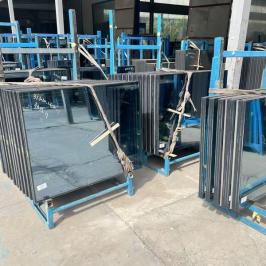
Tempered laminated glass combines the strength of tempered glass with the safety of laminated glass. It is commonly used in curtain walls, especially for high-rise buildings and commercial facades.
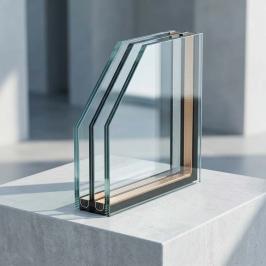
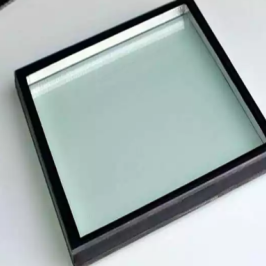
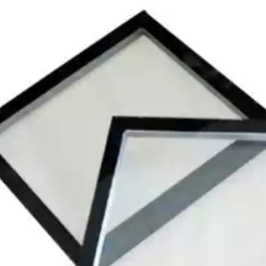
Insulated Laminated Glass
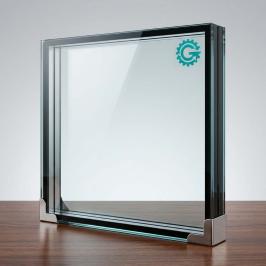
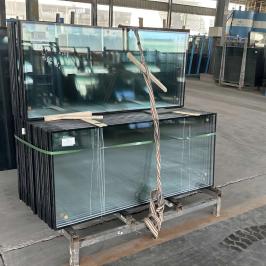
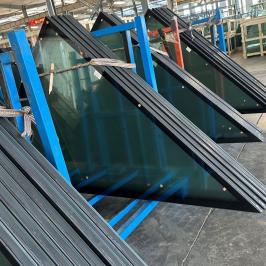
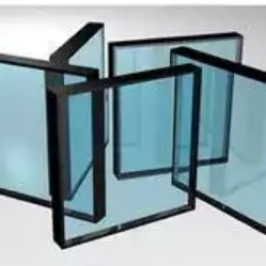
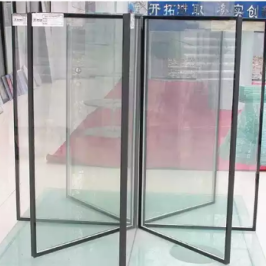
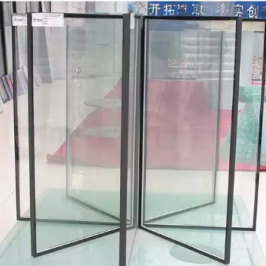
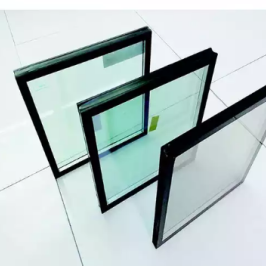
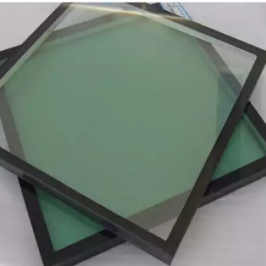
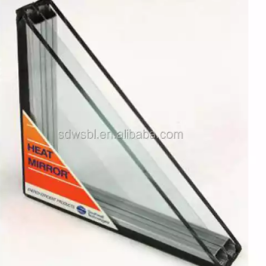
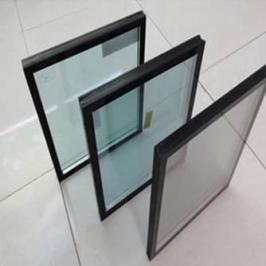
Insulated laminated glass combines laminated glass with an air space. It provides better thermal insulation and sound insulation, making it suitable for energy-saving buildings.
Low-E Laminated Glass
Low-E laminated glass helps reduce heat transfer and improve building energy performance. It is often used in modern curtain wall systems where energy efficiency is important.
SGP Laminated Glass
SGP laminated glass has higher rigidity and strength than standard PVB laminated glass. It is often used for large glass panels, high-rise buildings, and projects with higher safety requirements.
How to Choose Laminated Glass for Curtain Walls
When choosing curtain wall laminated glass, consider:
building height
glass panel size
wind load requirements
thermal insulation requirements
sound insulation requirements
safety standards
glass color and appearance
interlayer type
whether insulated glass is needed
project budget
For standard commercial buildings, PVB laminated glass or insulated laminated glass may be suitable. For high-rise buildings, large panels, or high-safety projects, tempered laminated glass or SGP laminated glass may be recommended.
Conclusion
Laminated glass is an important material for modern curtain wall systems. It provides safety, transparency, sound insulation, UV protection, and flexible design options.
For office buildings, hotels, shopping malls, airports, and high-rise projects, laminated glass can improve both the appearance and safety performance of the building facade.
FAQ
Q1: Is laminated glass suitable for curtain walls?
Yes. Laminated glass is widely used in curtain wall systems because it provides better safety and post-breakage performance.
Q2: What type of laminated glass is best for curtain walls?
It depends on the project. Tempered laminated glass, insulated laminated glass, Low-E laminated glass, and SGP laminated glass are commonly used.
Q3: Can laminated glass improve sound insulation in curtain walls?
Yes. The interlayer helps reduce sound transmission, especially when combined with insulated glass.
Q4: Is SGP laminated glass suitable for high-rise curtain walls?
Yes. SGP laminated glass is often used in high-rise or large-panel curtain wall projects because of its higher strength and rigidity.