

























Laminated Glass for Windows and Doors: Benefits, Types and Selection Guide
Laminated Glass for Windows and Doors: Benefits, Types and Selection Guide
Laminated Glass for Windows and Doors
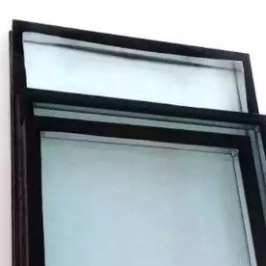
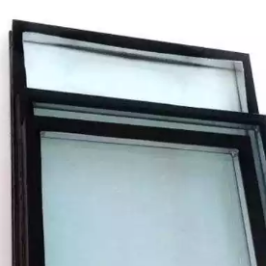
Windows and doors are important parts of every building. They affect safety, lighting, appearance, sound insulation, energy efficiency, and comfort.
In many residential and commercial projects, laminated glass is increasingly used for windows and doors because it offers better safety and performance than ordinary glass.
Whether for homes, apartments, villas, hotels, offices, schools, or commercial buildings, laminated glass can provide a reliable and modern glazing solution.
Why Use Laminated Glass for Windows and Doors?
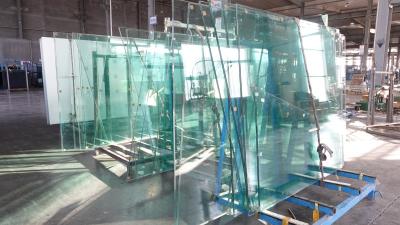
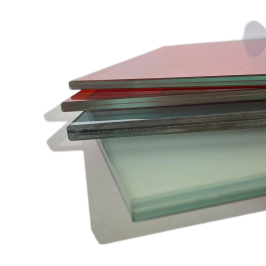
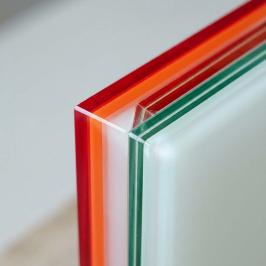
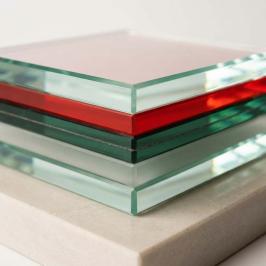
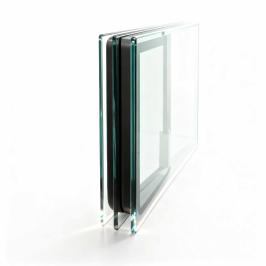
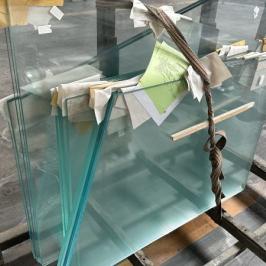
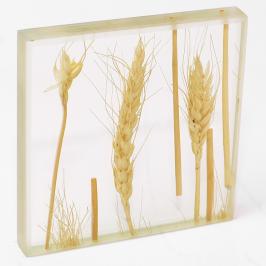
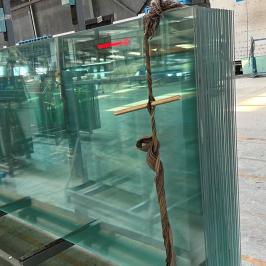
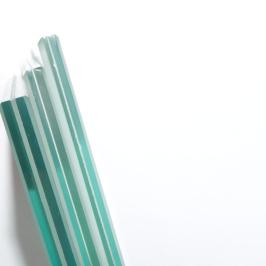
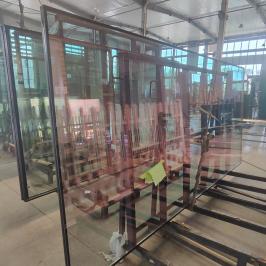
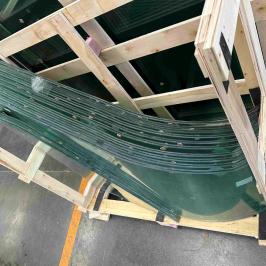
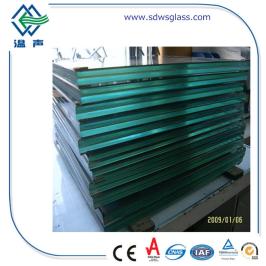
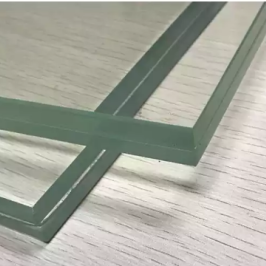
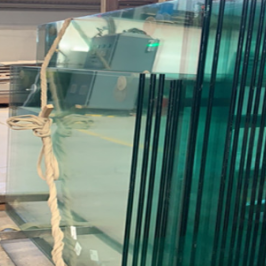
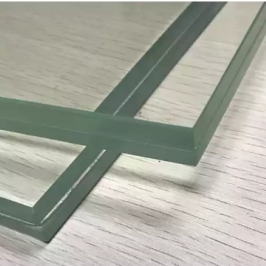
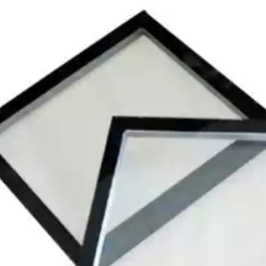
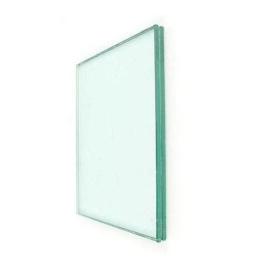
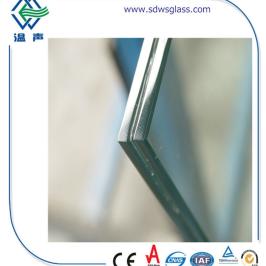
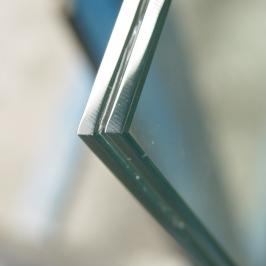
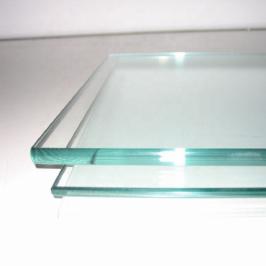
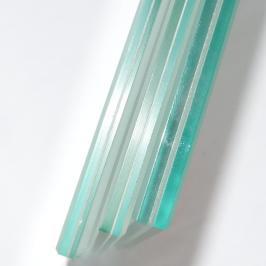
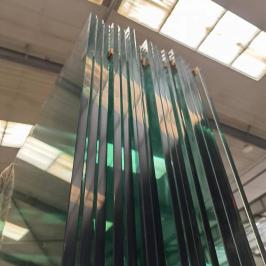
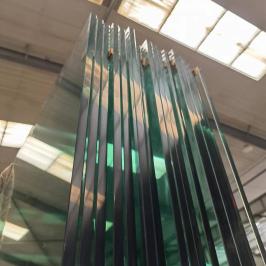
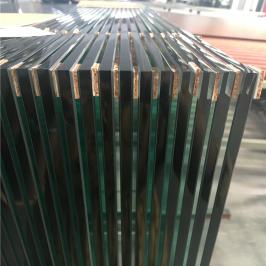
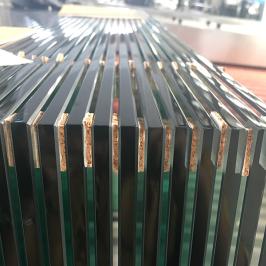
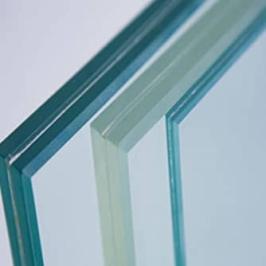
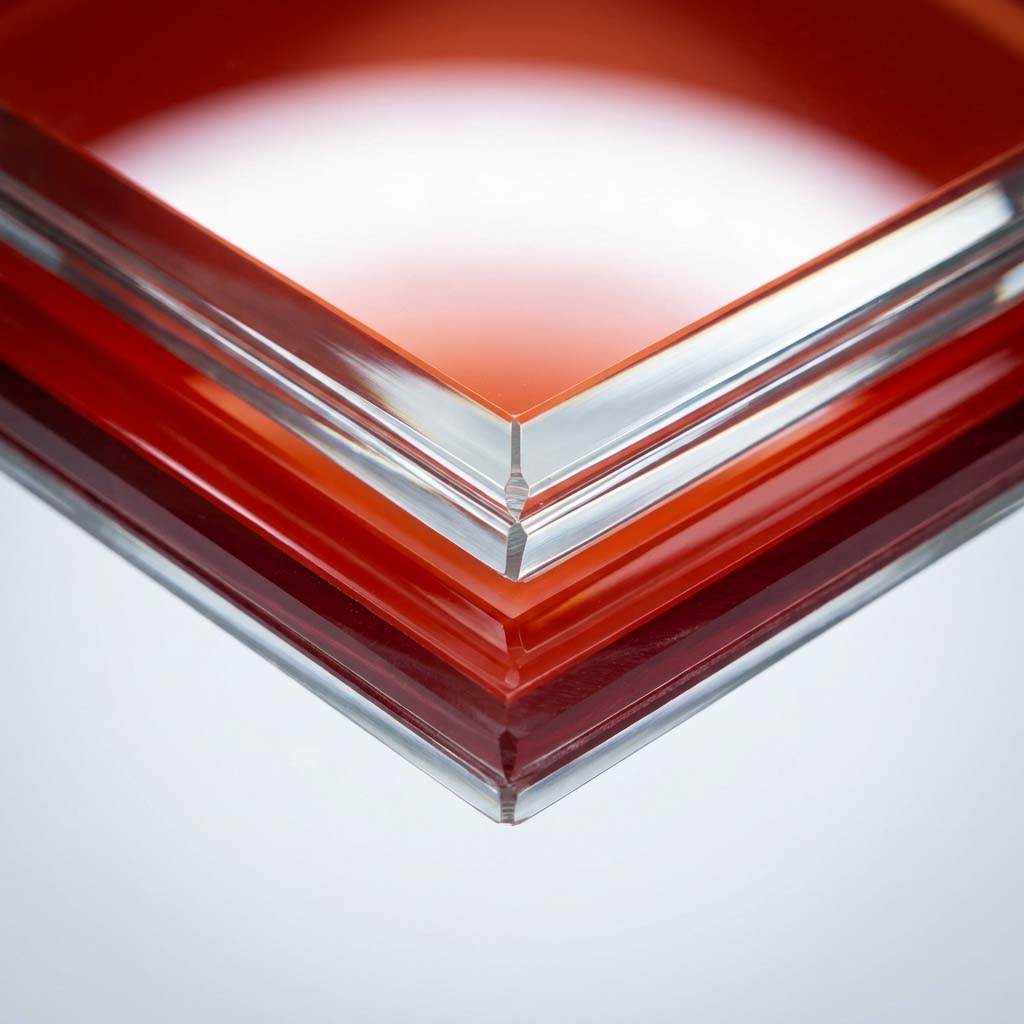
Laminated glass is made by bonding two or more glass panels with an interlayer. If the glass breaks, the fragments remain attached to the interlayer instead of scattering.
This makes laminated glass a safer option for windows and doors, especially in areas where safety, security, noise reduction, and durability are important.
Main Benefits of Laminated Glass Windows and Doors
1. Improved Safety
Laminated glass helps reduce the risk of injury caused by broken glass. When it cracks, the broken pieces remain bonded to the interlayer.
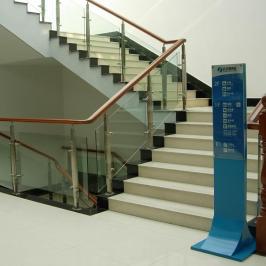
This is especially useful for large windows, floor-to-ceiling windows, balcony doors, entrance doors, and commercial shopfronts.
2. Better Security
Because the glass remains bonded after impact, laminated glass is more difficult to penetrate than ordinary glass. This can improve building security and delay forced entry.
For homes, stores, offices, and public buildings, laminated glass can provide additional protection.
3. Noise Reduction
The interlayer in laminated glass helps reduce sound transmission. For windows and doors facing roads, commercial areas, railways, or airports, laminated glass can help create a quieter indoor environment.
For better acoustic performance, laminated glass can also be combined with insulated glass.
4. UV Protection
Laminated glass can block part of ultraviolet rays. This helps protect indoor furniture, flooring, curtains, and decorations from fading caused by sunlight.
5. Modern Appearance
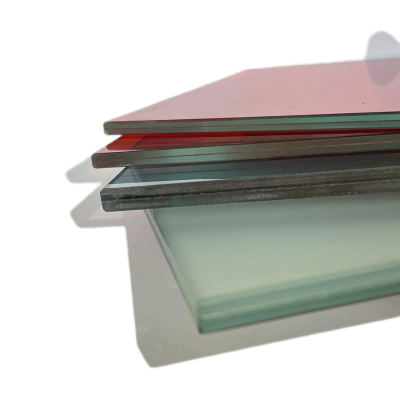
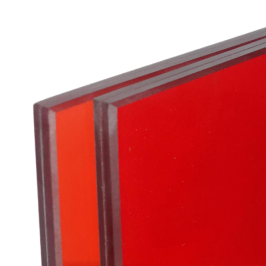
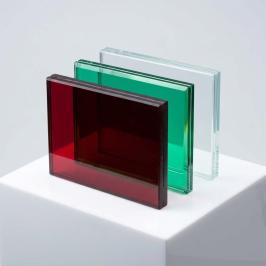
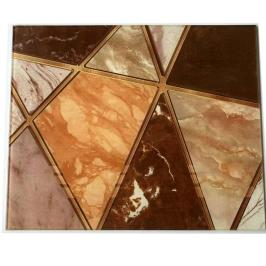
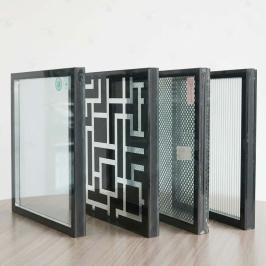
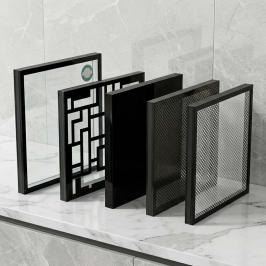
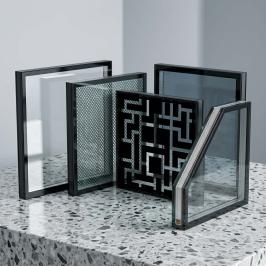
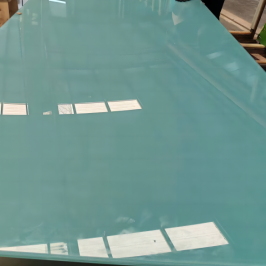
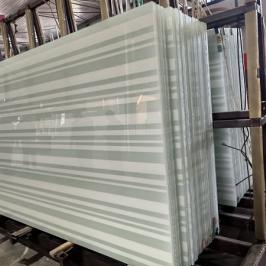
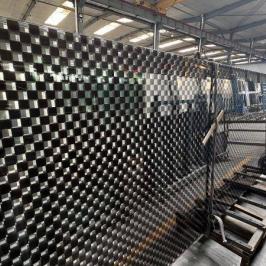
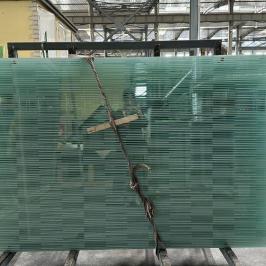
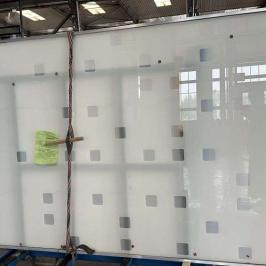
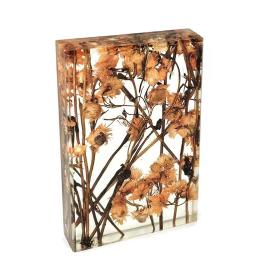
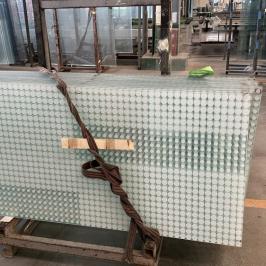
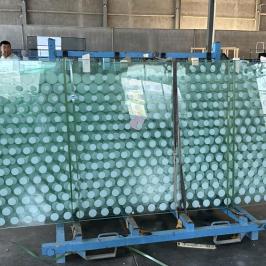
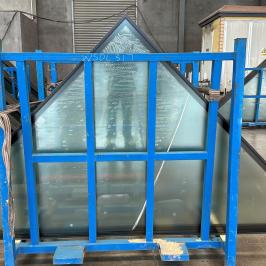
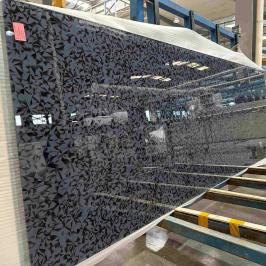
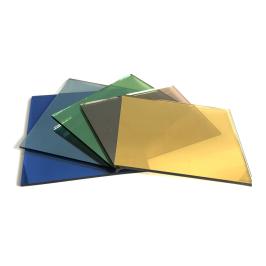
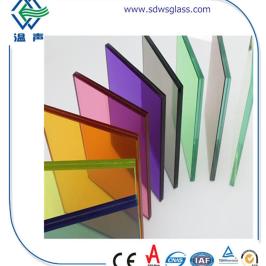
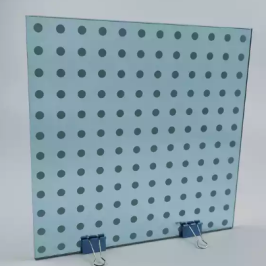
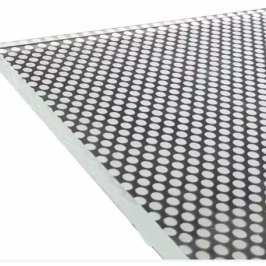
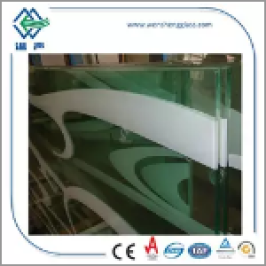
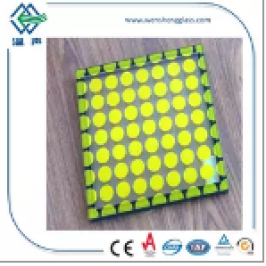
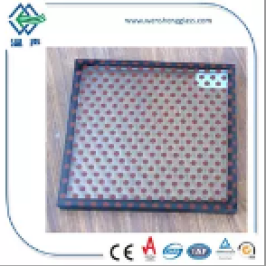
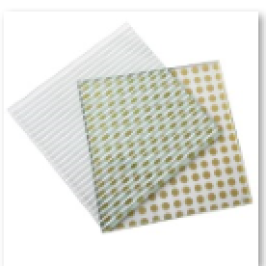
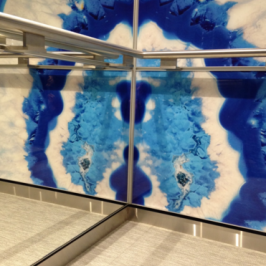
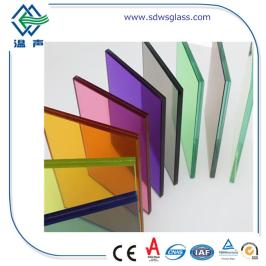
Laminated glass is available in clear, ultra-clear, tinted, frosted, patterned, and decorative options. It can match different architectural and interior design styles.
Common Types of Laminated Glass for Windows and Doors
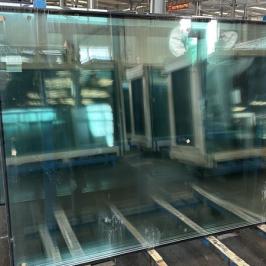
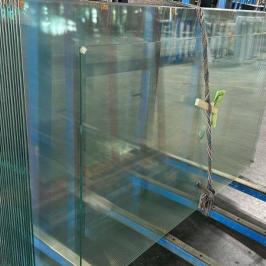
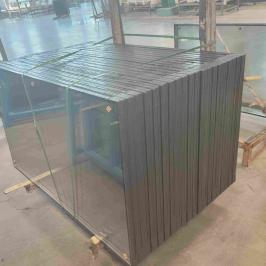
Clear Laminated Glass
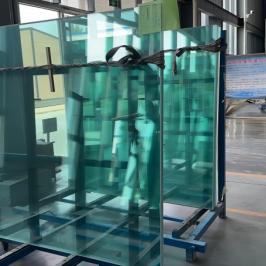
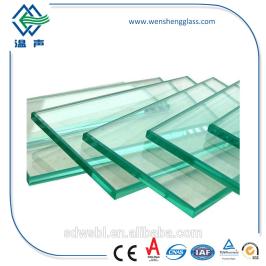
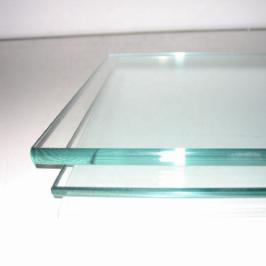
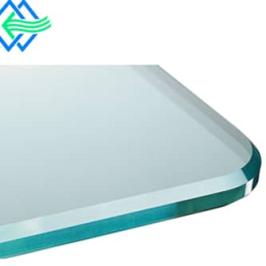
Clear laminated glass is the most common type. It provides good transparency and safety, making it suitable for many standard windows and doors.
Ultra-Clear Laminated Glass
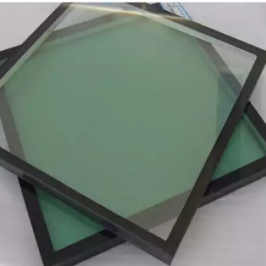
Ultra-clear laminated glass has better clarity and less green tint than ordinary clear glass. It is often used in high-end villas, hotels, showrooms, and premium architectural projects.
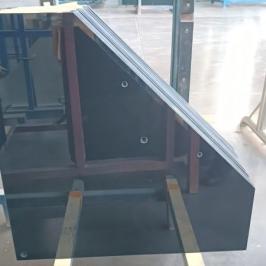
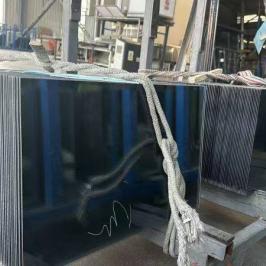
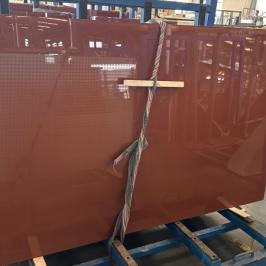
Tinted Laminated Glass
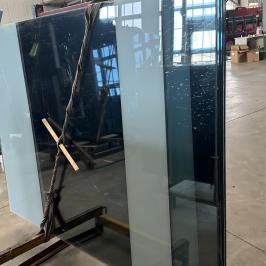
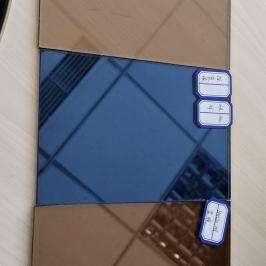
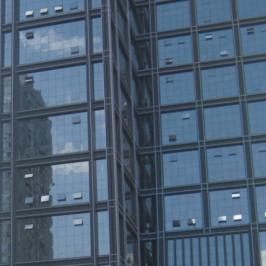
Tinted laminated glass can reduce glare and improve visual comfort. It is often used for facades, office buildings, and commercial spaces.
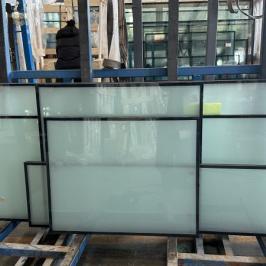
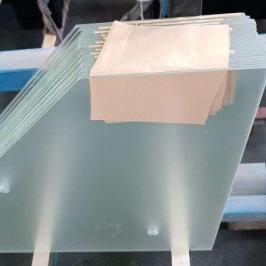
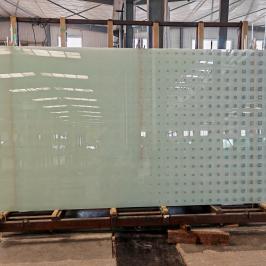
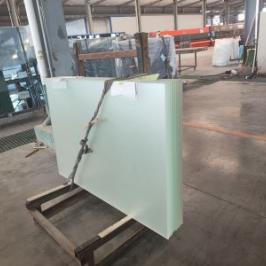
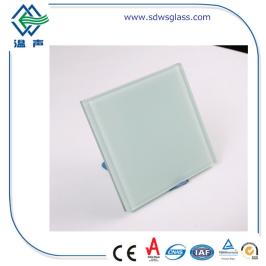
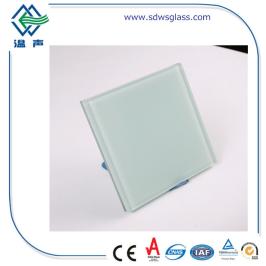
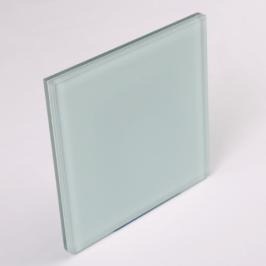
Frosted Laminated Glass
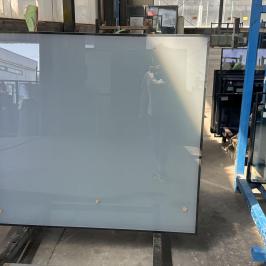
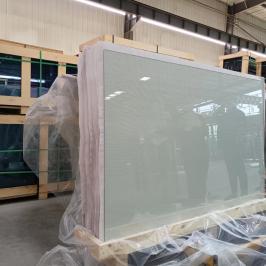
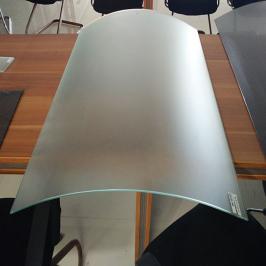
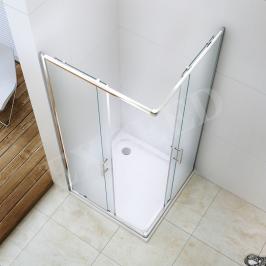
Frosted laminated glass provides privacy while allowing light to pass through. It is suitable for bathrooms, offices, meeting rooms, and interior doors.
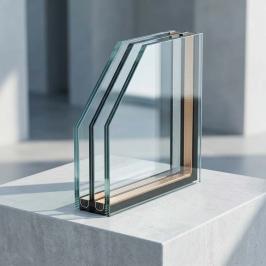
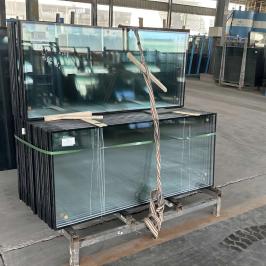
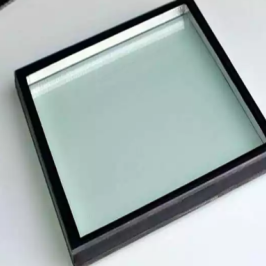
Insulated Laminated Glass
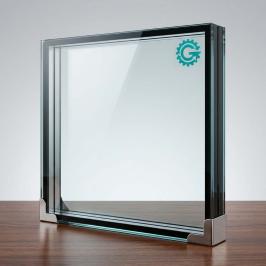
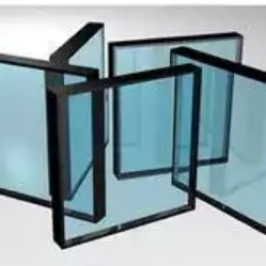
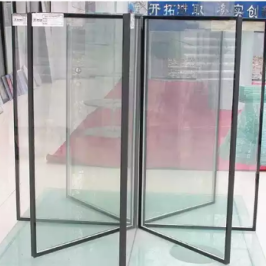
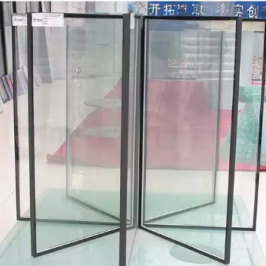
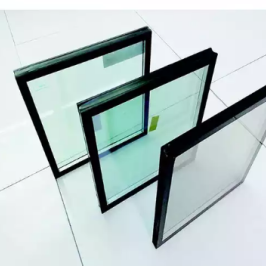
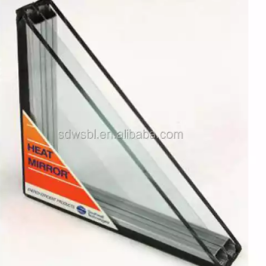
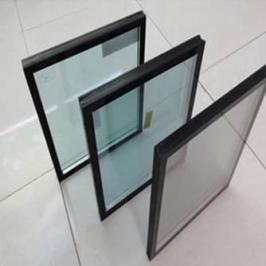
Insulated laminated glass combines laminated glass with an insulating air space. It can improve sound insulation and thermal insulation, making it suitable for energy-efficient buildings.
Where Can Laminated Glass Be Used?
Laminated glass can be used in:
residential windows
balcony doors
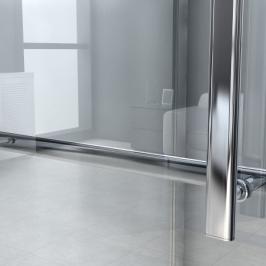
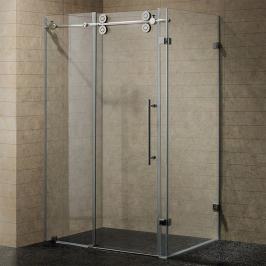
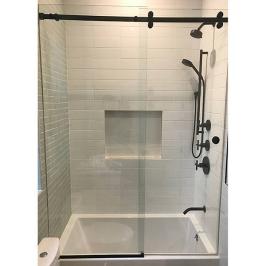
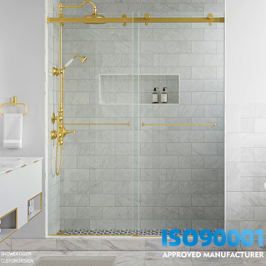
sliding doors
entrance doors
shopfront windows
hotel windows
office partitions
school windows
hospital windows
villa doors and windows
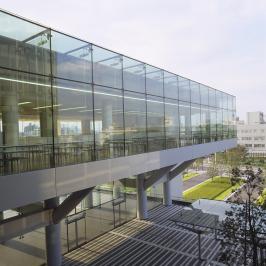
commercial building facades
For large glass areas or places with higher safety requirements, laminated glass is a better option than ordinary single glass.
How to Choose Laminated Glass for Windows and Doors
When choosing laminated glass, consider:
glass thickness
glass size
window or door frame system
sound insulation requirements
safety requirements
thermal insulation needs
glass color
privacy requirements
project budget
For standard residential windows, PVB laminated glass may be suitable. For large doors, high-rise windows, or commercial projects, tempered laminated glass or insulated laminated glass may be recommended.
Laminated Glass vs Ordinary Glass for Windows
Compared with ordinary glass, laminated glass provides:
better safety
better security
better noise reduction
better UV protection
better long-term performance
Although laminated glass usually costs more than ordinary glass, it can provide better value for projects that require higher safety and comfort.
Conclusion
Laminated glass is a reliable choice for windows and doors in residential, commercial, and public buildings. It improves safety, security, acoustic comfort, UV protection, and design flexibility.
For homes, hotels, offices, villas, schools, hospitals, and shopfronts, laminated glass can help create safer and more comfortable spaces.
FAQ
Q1: Is laminated glass good for windows?
Yes. Laminated glass is suitable for windows because it provides safety, noise reduction, UV protection, and improved security.
Q2: Can laminated glass be used for doors?
Yes. Laminated glass can be used for sliding doors, entrance doors, balcony doors, and commercial glass doors.
Q3: Is laminated glass better than ordinary glass?
For safety, security, and sound insulation, laminated glass is better than ordinary glass.
Q4: What type of laminated glass is best for windows?
It depends on the project. PVB laminated glass is suitable for general use, while insulated laminated glass is better for sound and thermal insulation.