





Ceramic Printed Glass vs Silk Screen Printed Glass: How to Choose for Projects
Ceramic Printed Glass vs Silk Screen Printed Glass: How to Choose for Projects
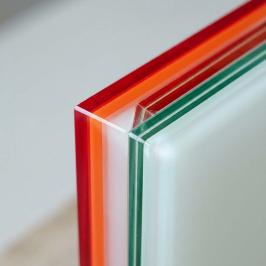
Printed glass is widely used in modern architecture because it can combine safety, color, privacy and design identity in one material. Two common choices are ceramic digital printed glass and silk screen printed glass. Both use ceramic ink and high-temperature processing, but they are not exactly the same. Understanding the difference helps architects, contractors, door and window manufacturers, and interior designers choose the right glass for each project.
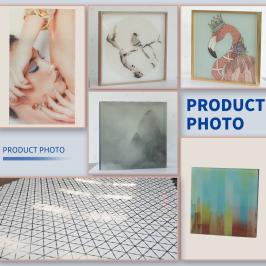
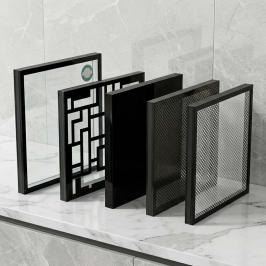
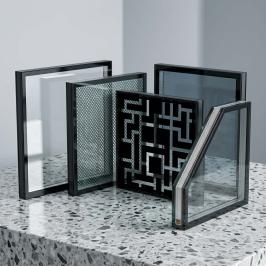
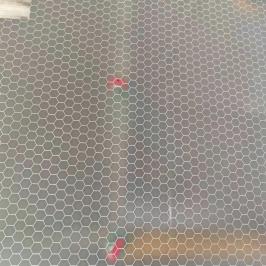
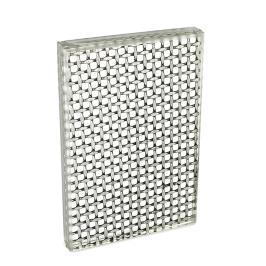
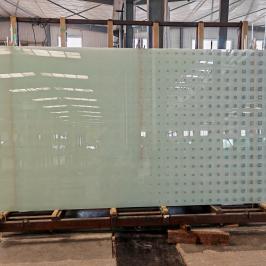
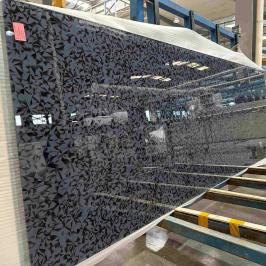
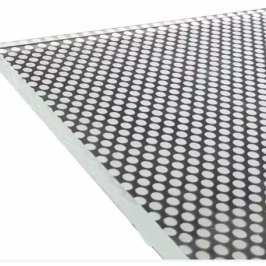
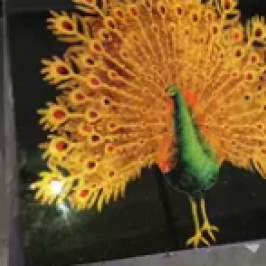
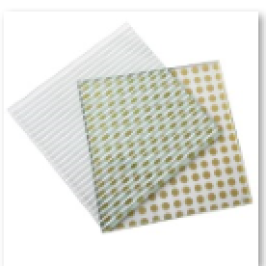
Silk screen printing is often chosen for repeated patterns, solid colors, dots, lines, shading bands and logo work. Ceramic digital printing is stronger when the project needs photographic images, complex gradients, different artwork on different panels or detailed decorative effects. The right choice depends on design complexity, quantity, color requirement, budget and installation environment.
How Ceramic Digital Printing Works
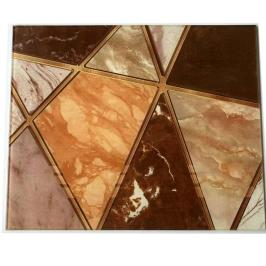
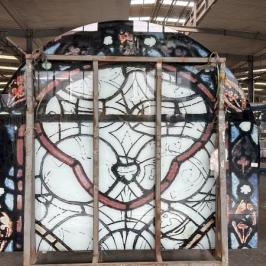
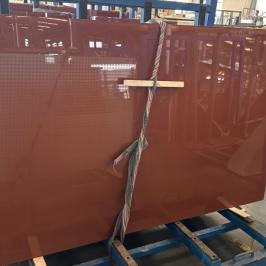
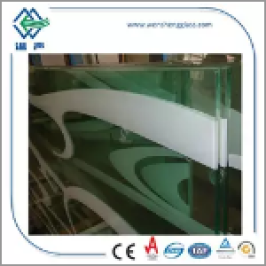
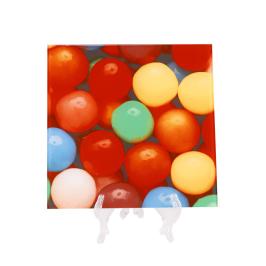
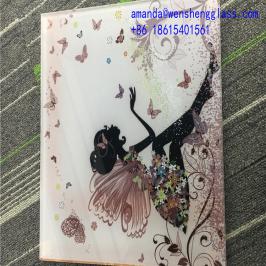
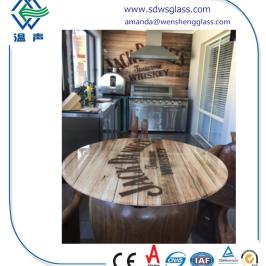
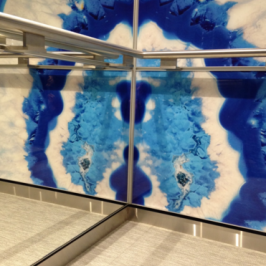
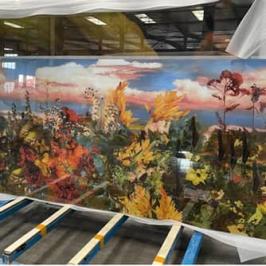
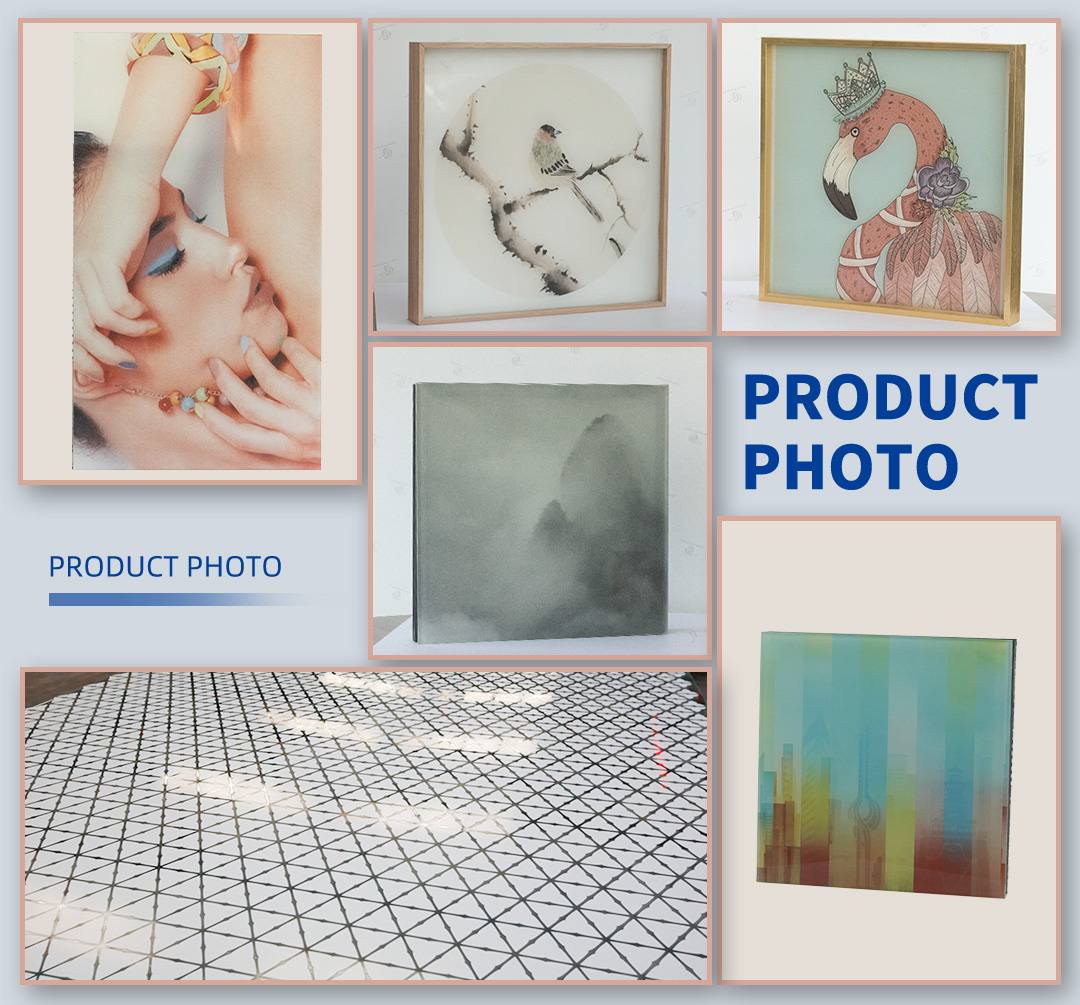
Ceramic digital printing applies ceramic ink directly onto glass through a digital printer. The artwork can be a photo, texture, drawing, gradient, logo or abstract pattern. After printing, the glass is heat treated so the ink bonds to the surface. This gives the printed image better durability than ordinary film or surface paint.
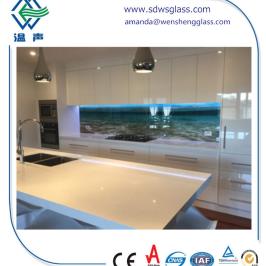
Digital printing is especially useful when each panel has a different image, when a project needs fine details, or when the design includes a large mural split across multiple glass panels. Hotels, offices, museums, restaurants, hospitals, shopping centers and residential feature walls often use digital printed glass because it gives designers more freedom.
How Silk Screen Printing Works
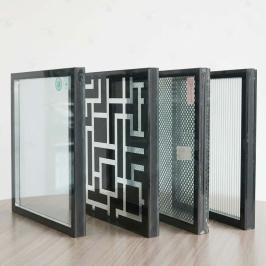
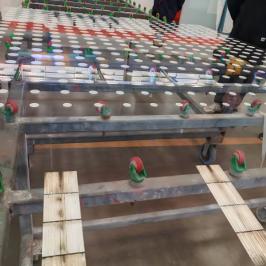
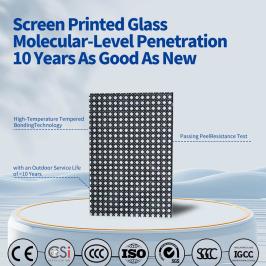
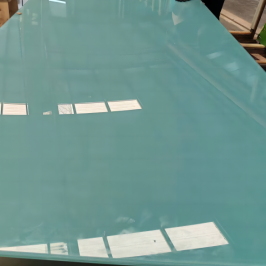
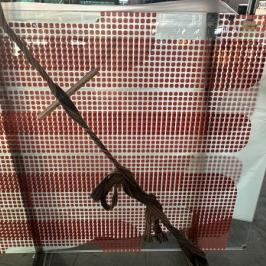
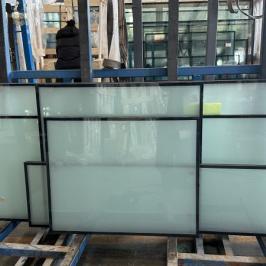
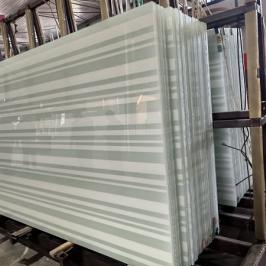
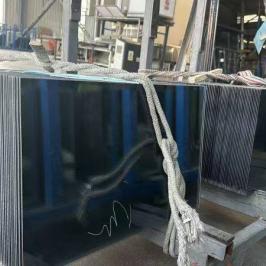
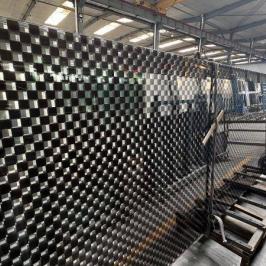
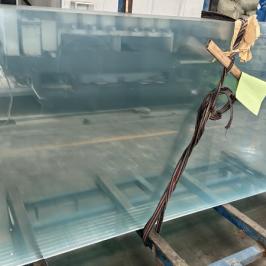
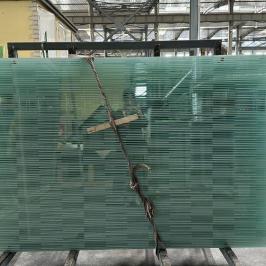
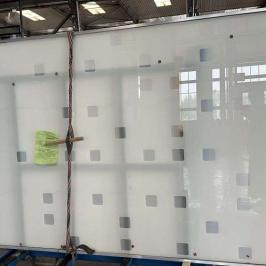
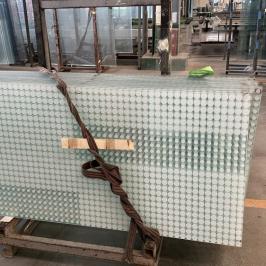
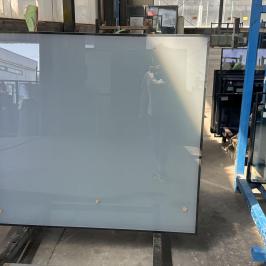
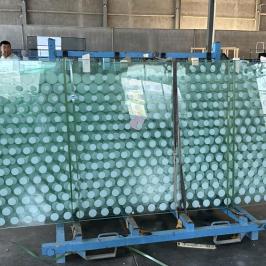
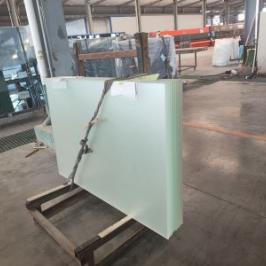
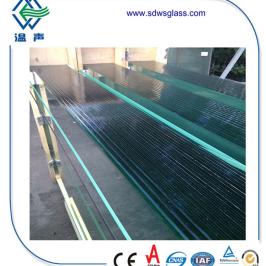
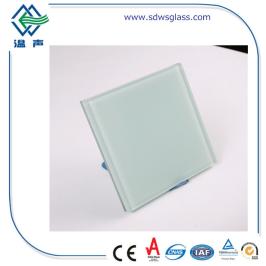
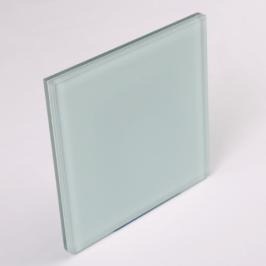
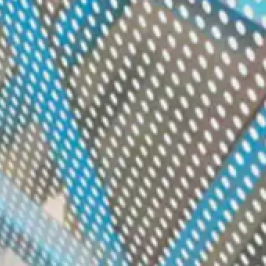
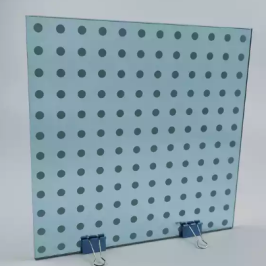
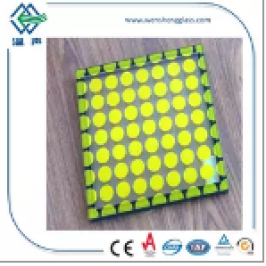
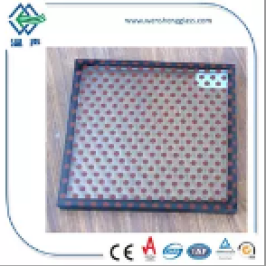
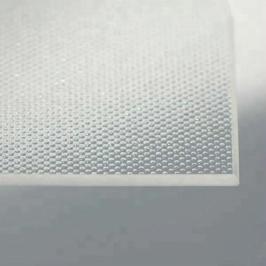
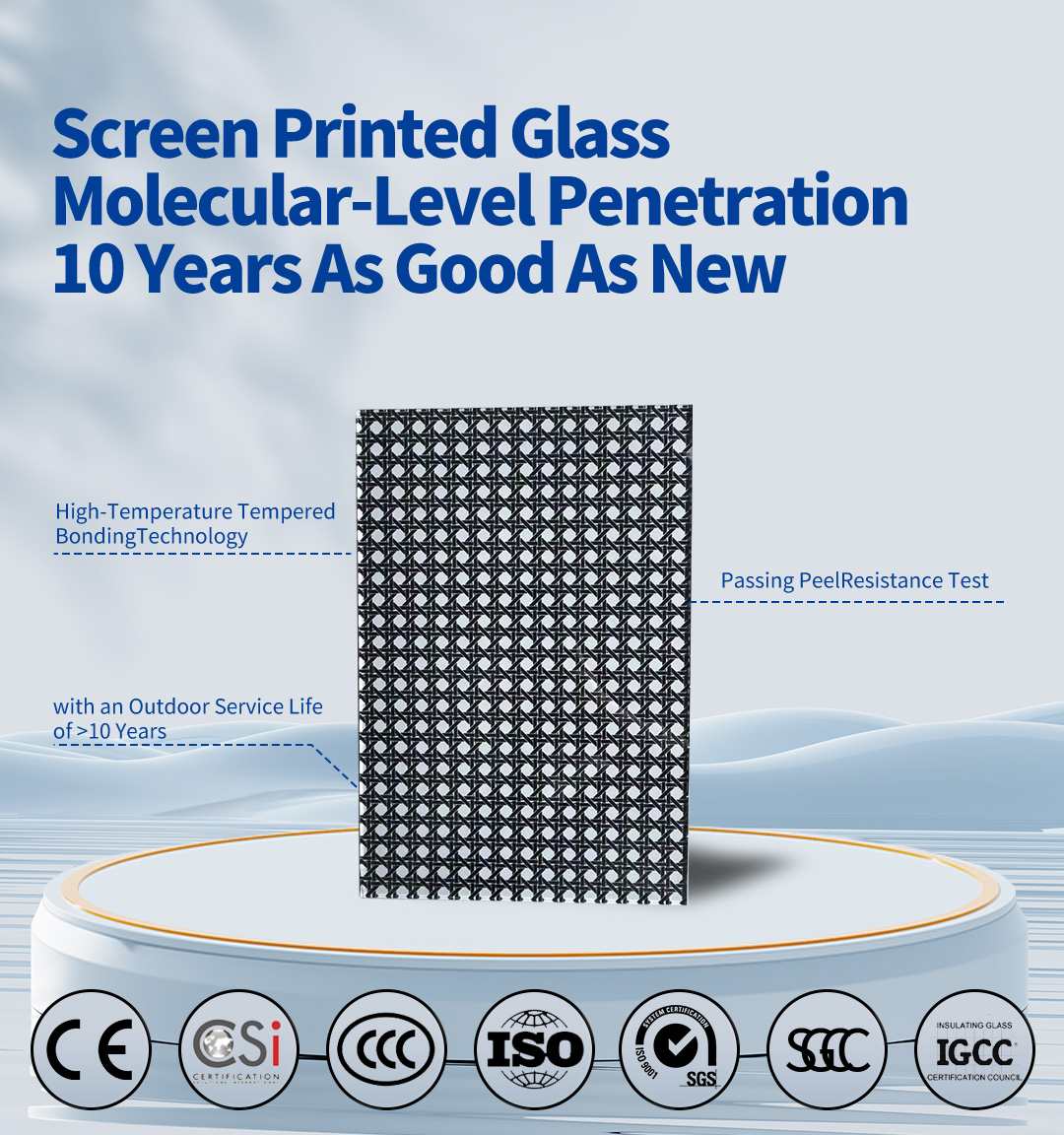
Silk screen printed glass uses a screen to apply ceramic ink onto the glass surface. It is excellent for repeated patterns and consistent coverage. Dot patterns, stripes, privacy bands, gradient shading and single-color areas can be produced efficiently. After printing and tempering, the ceramic color is stable, non-absorbent and suitable for long-term use.
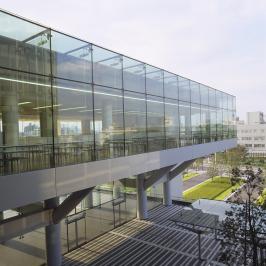
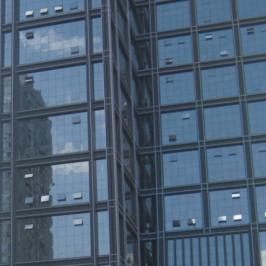
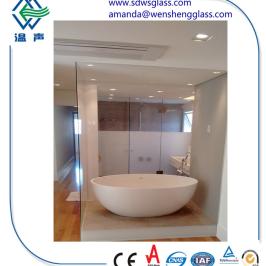
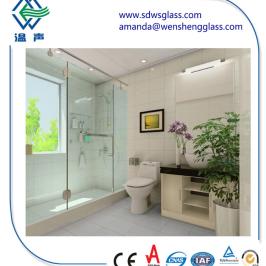
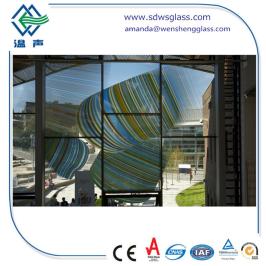
For curtain walls and exterior shading, silk screen printed glass is often a practical choice because it can control glare and solar heat while keeping the facade visually consistent. For interior partitions, it can provide privacy without making the space feel completely closed.
Main Differences For Project Selection
| Item | Ceramic Digital Printing Glass | Silk Screen Printed Glass |
|---|---|---|
| Best for | Photos, textures, gradients and different panel artwork | Repeated patterns, dots, lines, logos and solid colors |
| Design flexibility | Very high, suitable for custom images | High for pattern work, efficient for repeated designs |
| Quantity | Flexible for small or mixed design orders | More efficient for larger repeated batches |
| Applications | Feature walls, interiors, branded spaces, decorative panels | Facades, partitions, doors, shading glass, privacy glass |
Durability And Safety
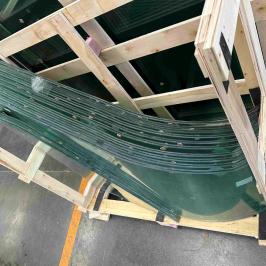
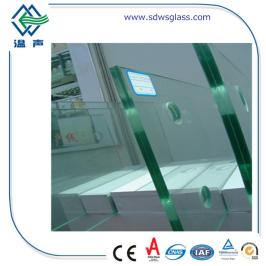
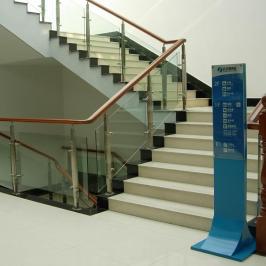
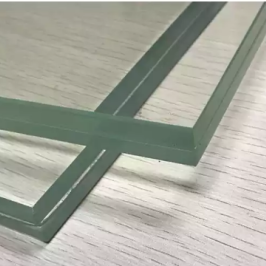
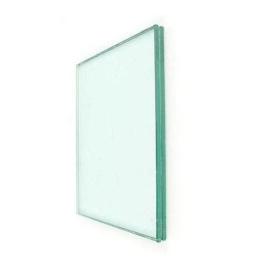
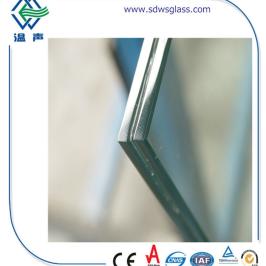
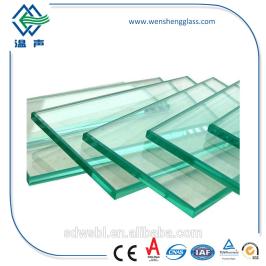
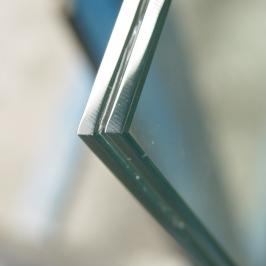
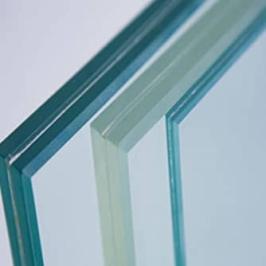
Both options can use ceramic ink that is fired into the glass surface. This means the color is more resistant to moisture, sunlight and cleaning than many decorative films. The glass can also be tempered or laminated depending on safety requirements. For public areas, doors, railings and overhead positions, safety requirements should be confirmed before production.
If the printed glass will be used outdoors, the project team should consider UV exposure, cleaning frequency, frame system and whether the image needs to be viewed from one side or both sides. For interiors, the main concerns are color appearance, lighting, background surface and how people will see the pattern at close distance.

Color, Sample And File Preparation
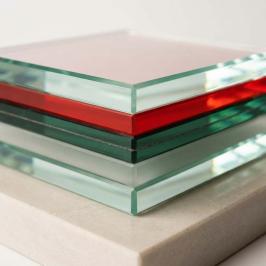
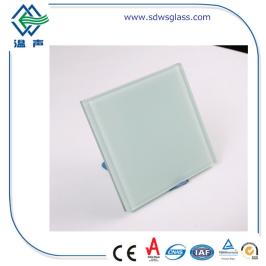
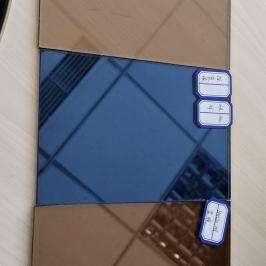
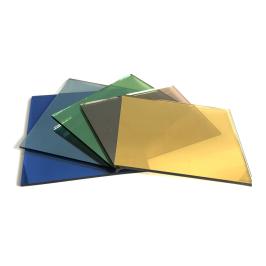
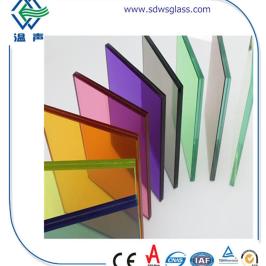
Printed glass color can look different depending on glass type, thickness, lighting and background. Ultra clear glass often gives cleaner color than ordinary clear glass because it has less green tint. If the project requires accurate brand colors or a large image, making a sample before mass production is a sensible step.
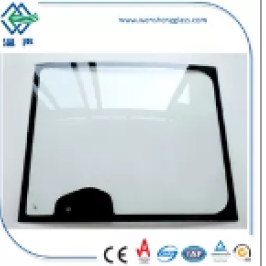
Digital printing needs high-resolution artwork at the correct size. Silk screen printing needs a clear pattern file and color confirmation. In both cases, hole positions, edge processing and final panel size should be confirmed before tempering because tempered glass cannot be cut after heat treatment.
Buying Advice
Choose ceramic digital printing for detailed images, gradients and flexible artwork.
Choose silk screen printing for repeated dots, lines, solid colors and shading patterns.
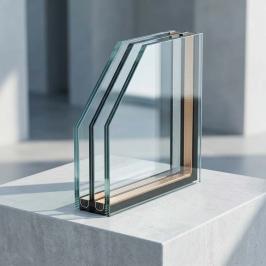
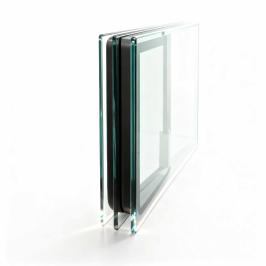
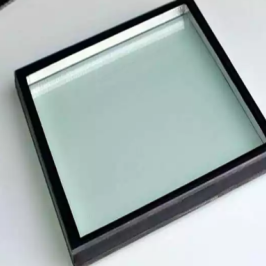
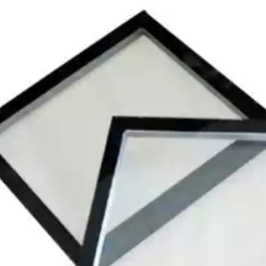
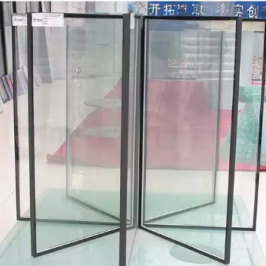
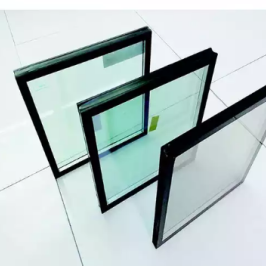
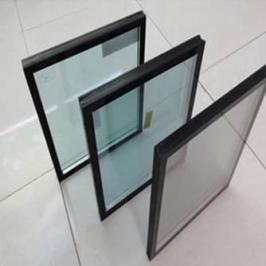
Confirm whether the printed glass needs tempering, lamination or insulating glass construction.
Prepare artwork, panel size, thickness, edge work and installation drawings before quotation.
Ask for sample confirmation when color accuracy or large-area visual effect is important.
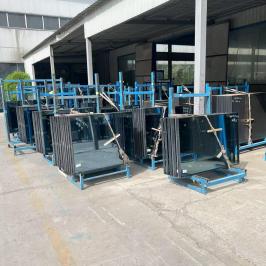
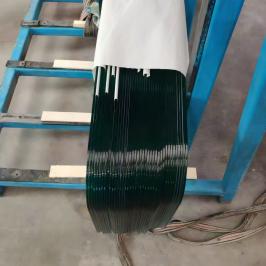
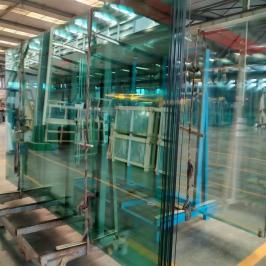
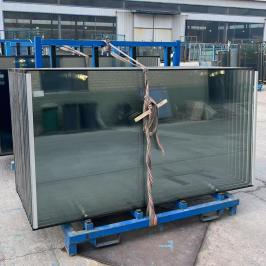
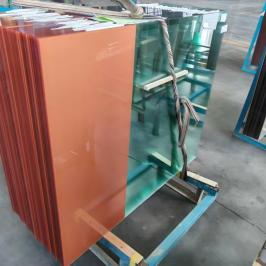
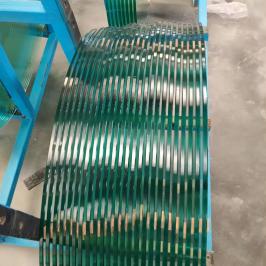
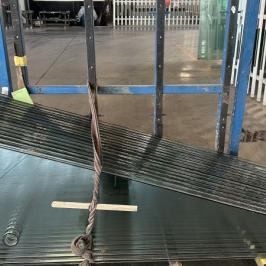
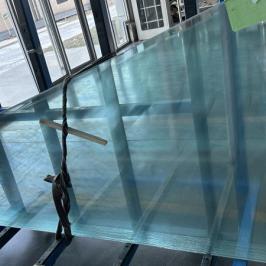
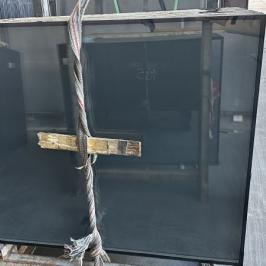
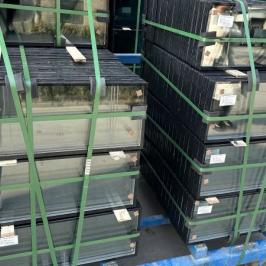
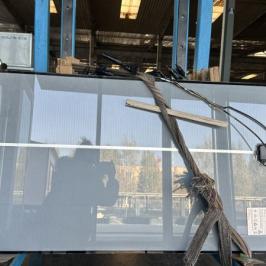
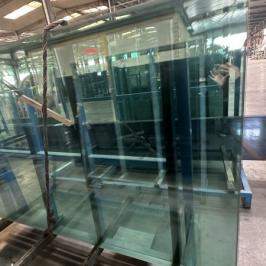
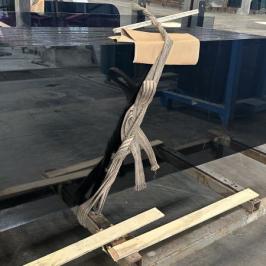
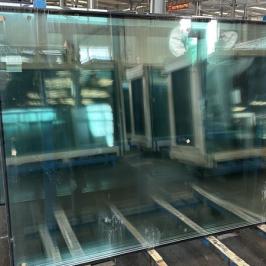
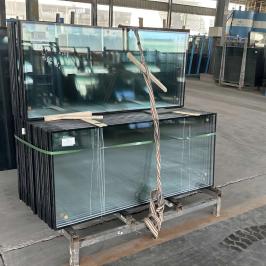
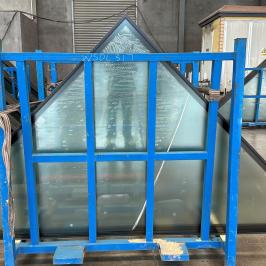
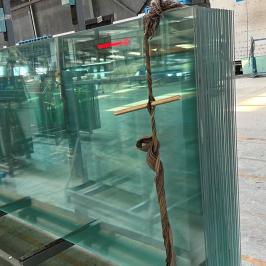
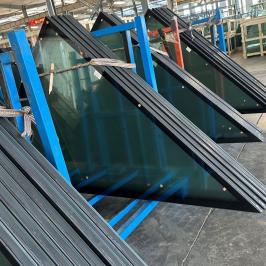
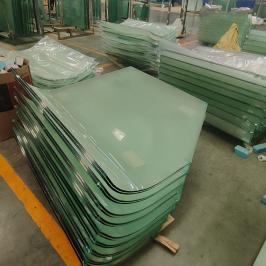
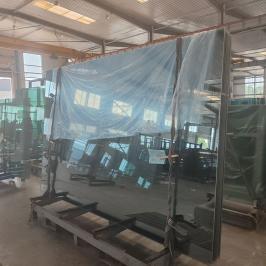
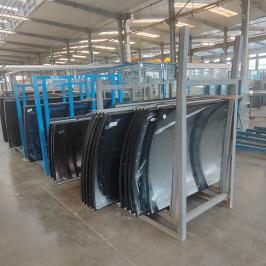
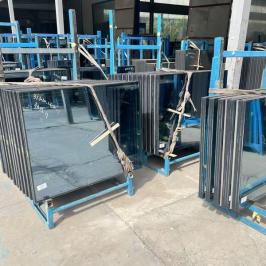
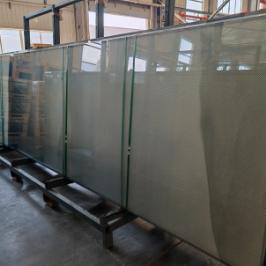
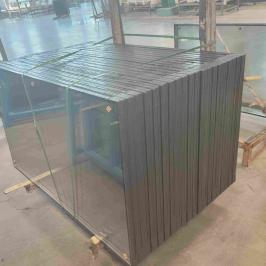
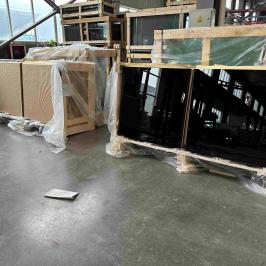
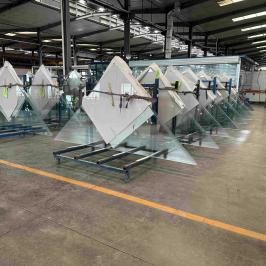
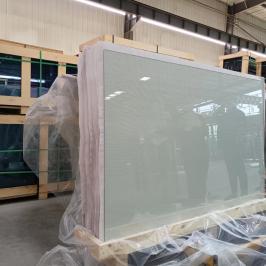
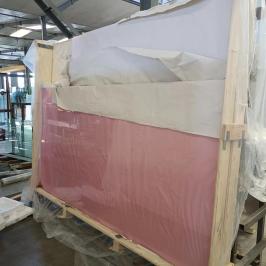
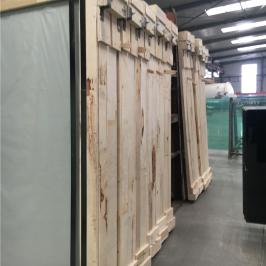
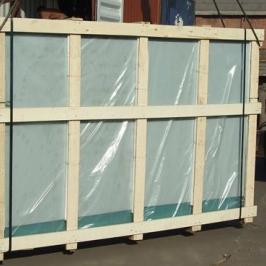
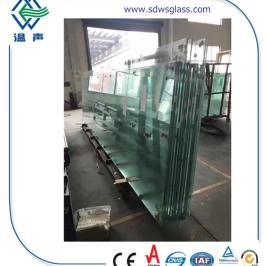
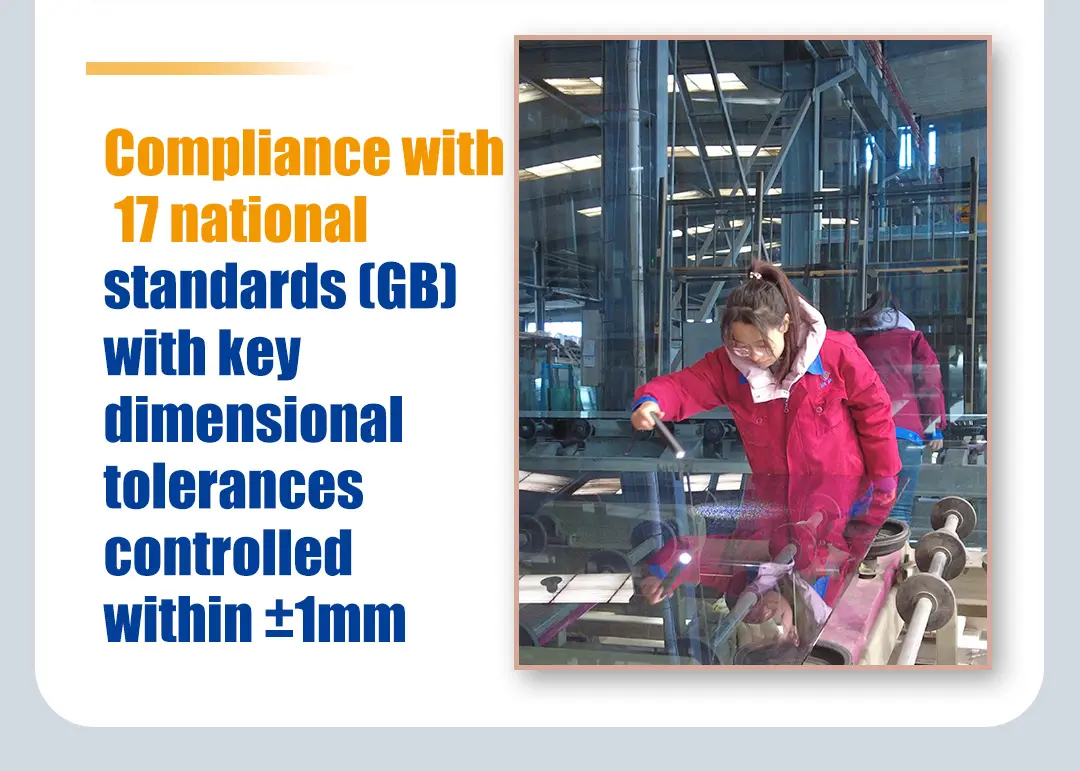
Wensheng can support both ceramic digital printing glass and silk screen printed tempered glass for building and interior projects. With raw glass supply, printing preparation, deep processing and inspection, customized printed glass can be produced with stable quality and suitable packing for project delivery.