






Low Iron Solar Panel Glass: Key Specifications for PV Module Manufacturers
Low Iron Solar Panel Glass: Key Specifications for PV Module Manufacturers
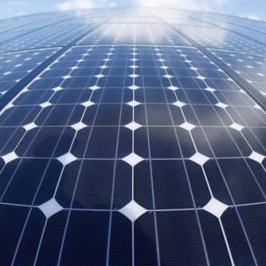
Solar panel glass is the first protective layer of a photovoltaic module. It must allow as much sunlight as possible to reach the cells while protecting the module from impact, wind, rain, dust, temperature changes and long-term outdoor exposure. For PV module manufacturers, the glass specification affects power output, durability, assembly efficiency and product appearance.
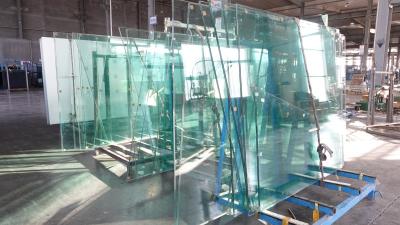
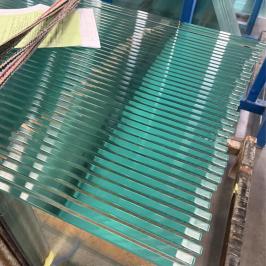
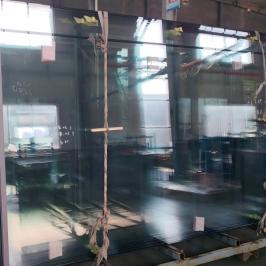
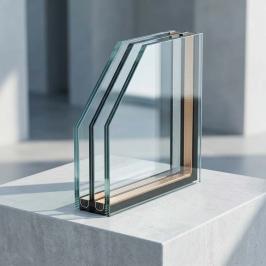
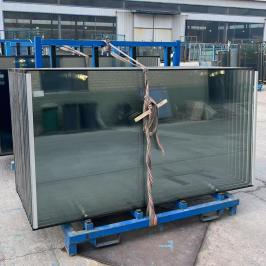
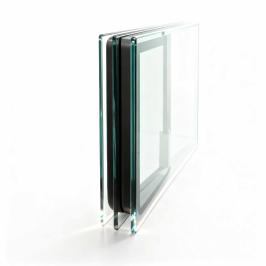
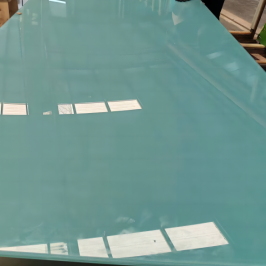
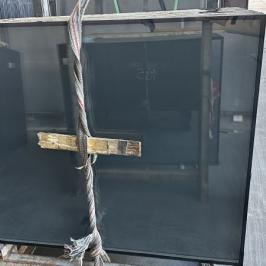
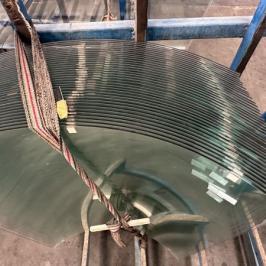
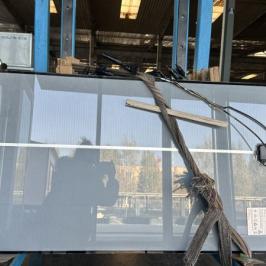
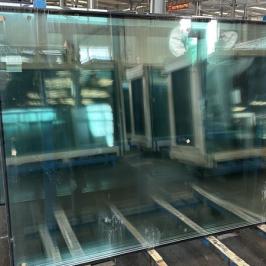
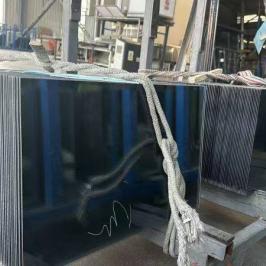
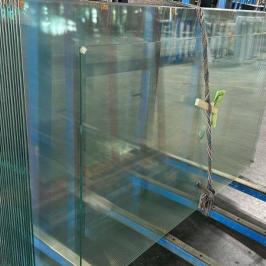
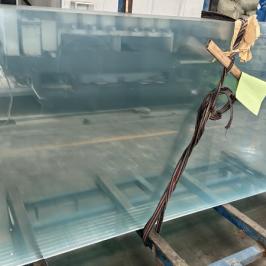
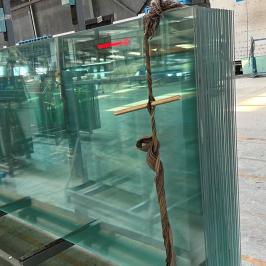
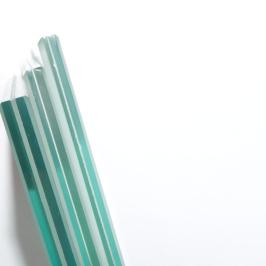
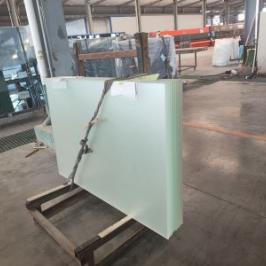
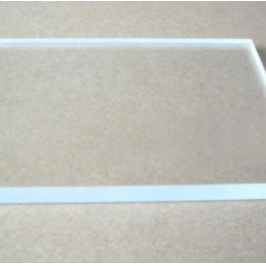
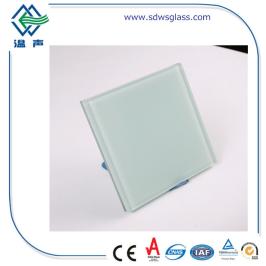
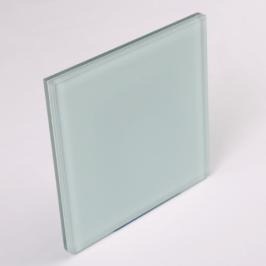
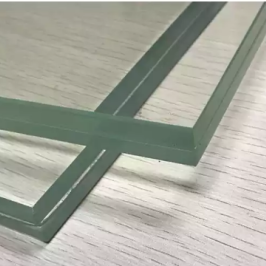
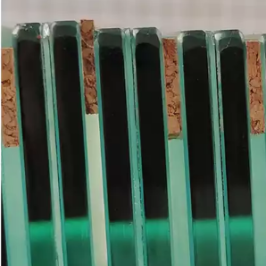
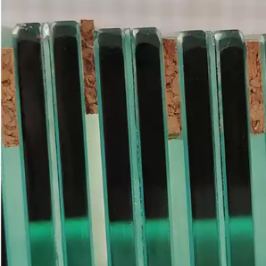
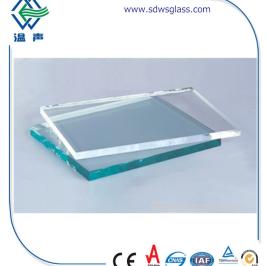
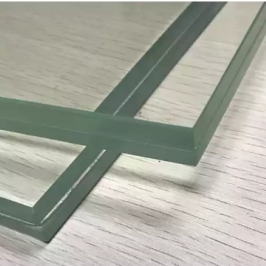
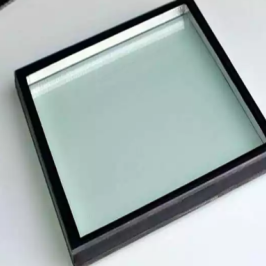
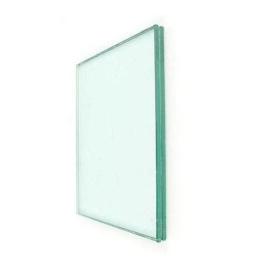
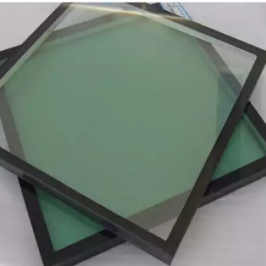
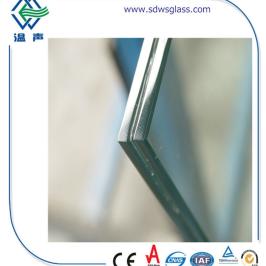
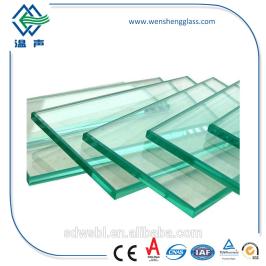
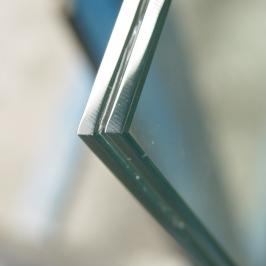
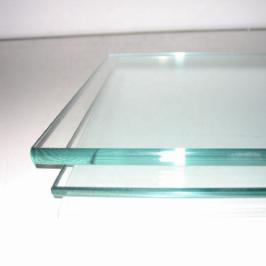
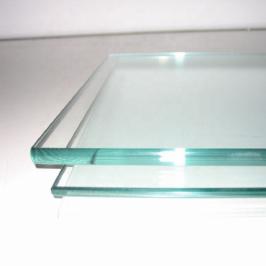
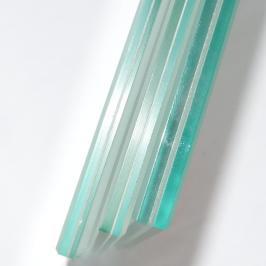
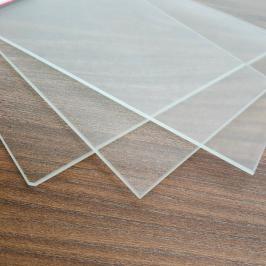
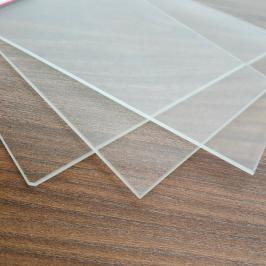
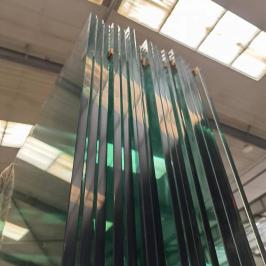
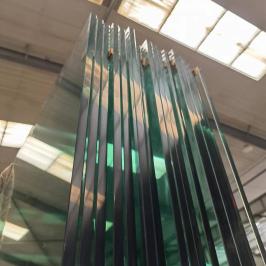
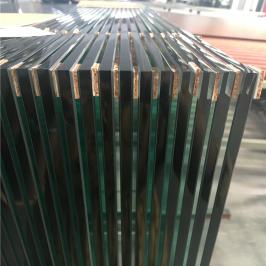
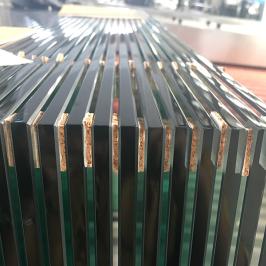
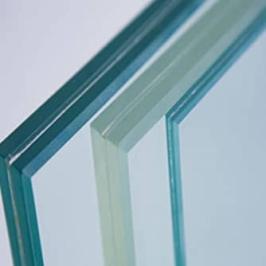
Low iron tempered solar glass is widely used because it offers high light transmittance and reliable mechanical strength. Compared with ordinary float glass, low iron glass has less green tint and allows more solar energy to pass through. After tempering, it gains the strength needed for outdoor photovoltaic applications.

Why Low Iron Glass Matters
Photovoltaic modules depend on light. Any unnecessary absorption or reflection at the glass surface can reduce the light reaching the cells. Low iron glass is designed with reduced iron content, giving it better clarity and higher transmittance than common clear glass. This is especially important for modules where every small gain in light transmission can improve energy output across the service life of the panel.
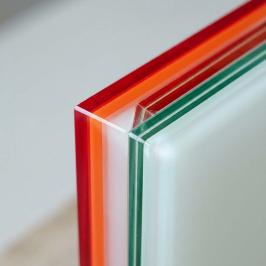
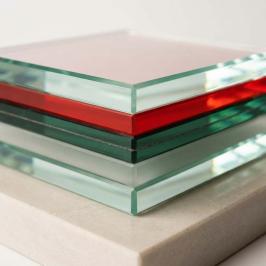
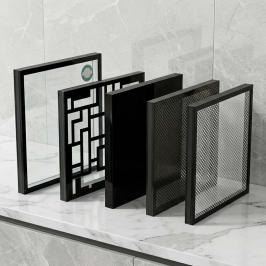
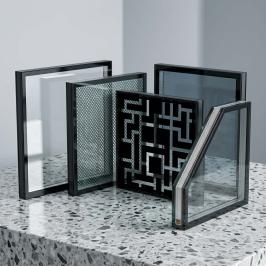
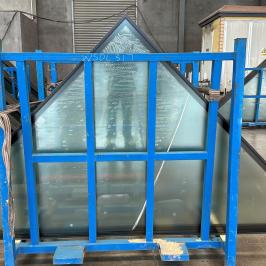
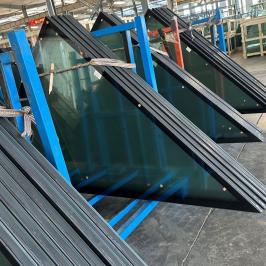
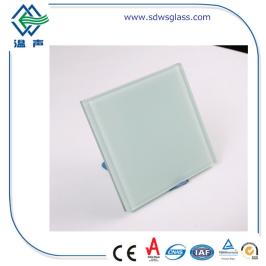
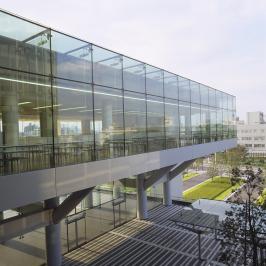
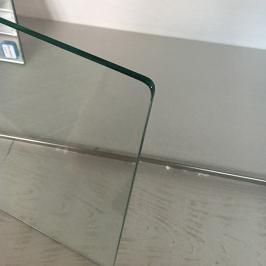
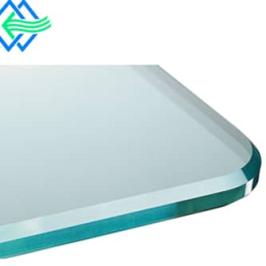
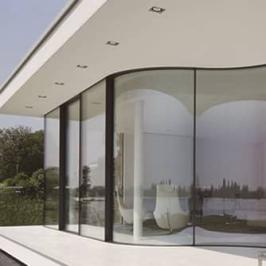
The clearer edge and neutral color also improve the visual quality of solar products, which matters for building-integrated photovoltaic systems, balcony solar panels and other products where appearance is part of the design. For architectural solar products, the glass must support both technical efficiency and an attractive finished surface.
Tempering Strength For Outdoor Use
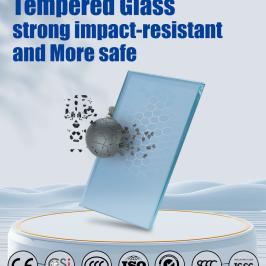
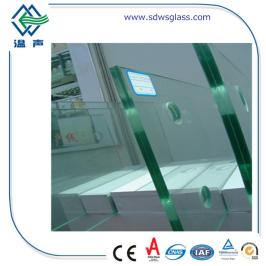
Solar glass must face outdoor conditions for many years. Hail, wind pressure, handling impact and temperature differences all place stress on the glass. Tempered processing improves impact resistance and thermal stability. It also creates a safer break pattern if damage occurs during transport or installation.
Common solar glass thicknesses include 2.0 mm, 3.2 mm and 4.0 mm, but the correct thickness depends on module size, frame design, weight target and load requirement. Lightweight modules may use thinner glass, while larger or more demanding installations may require thicker glass or special structures.
AR Coating And Surface Texture
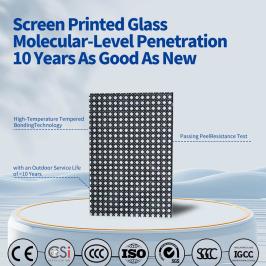
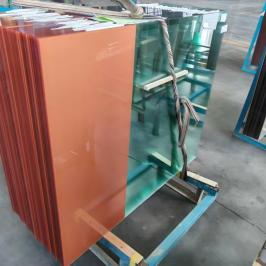
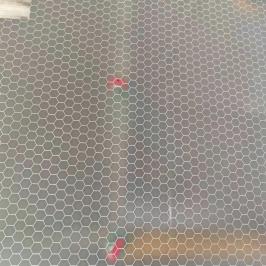
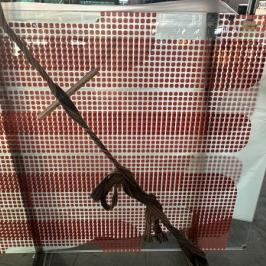
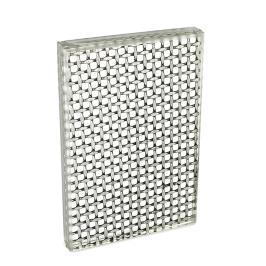
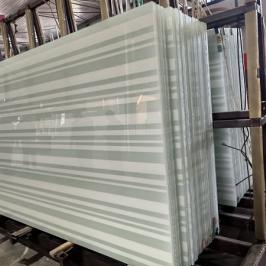
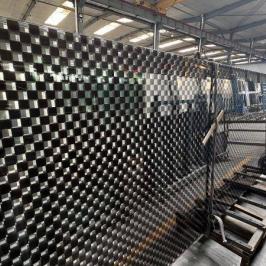
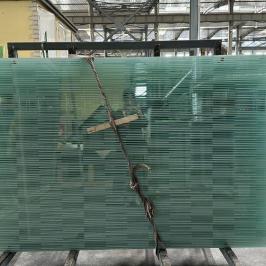
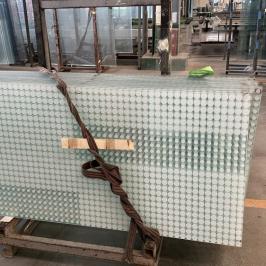
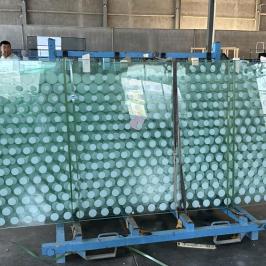
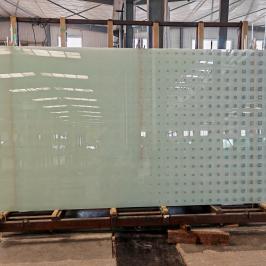
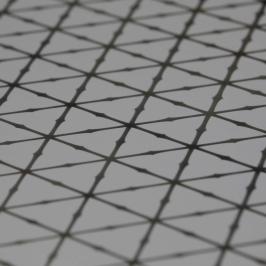
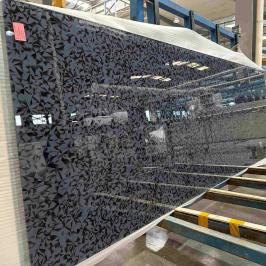
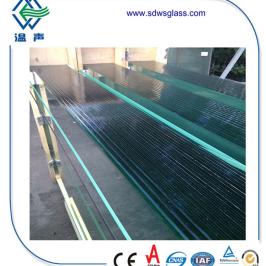
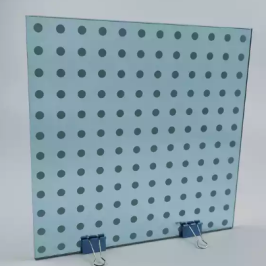
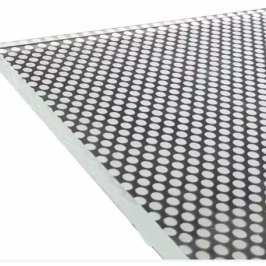
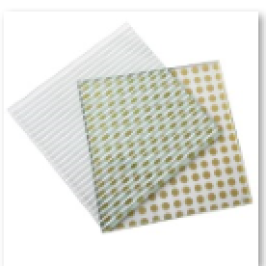
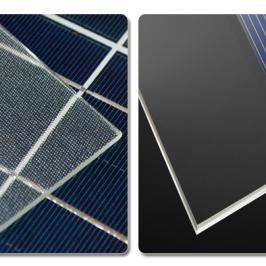
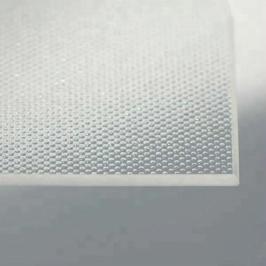
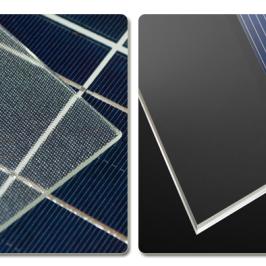
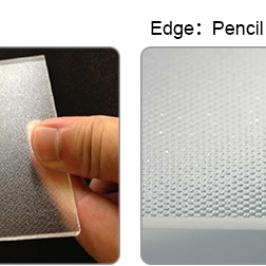
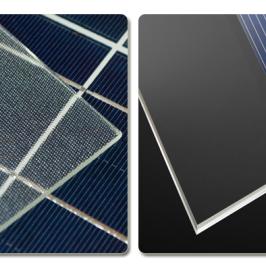
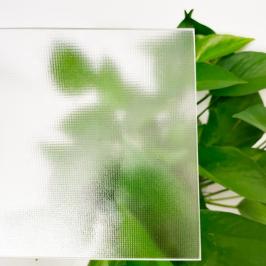
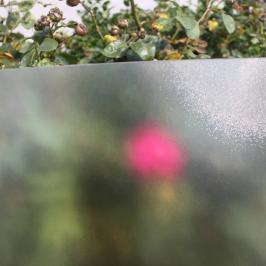
Anti-reflective coating, usually called AR coating, can reduce the amount of light reflected by the glass surface. This helps more sunlight enter the module and may improve output. Some solar glass also uses a textured surface to capture more light and reduce direct reflection. The best choice depends on the module design, encapsulation process and target market.
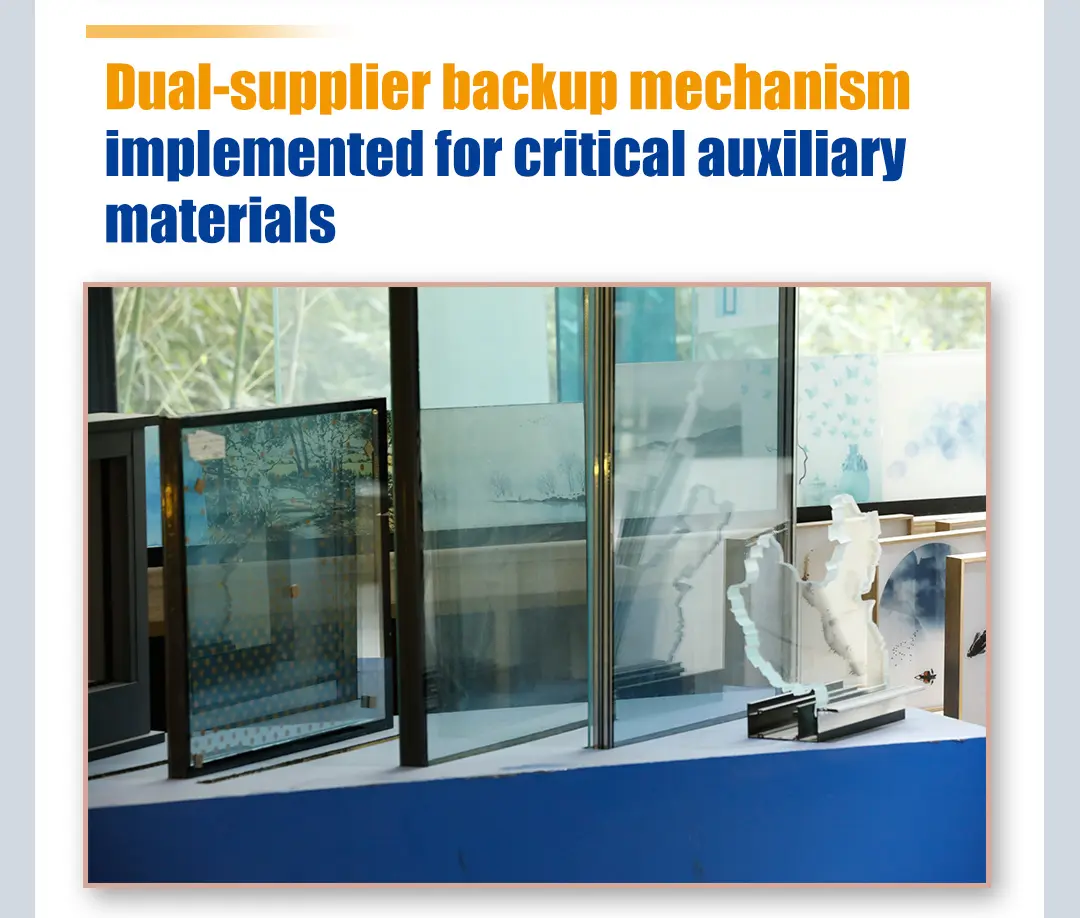
For module manufacturers, coating consistency is important. Uneven color, visible marks or poor durability can affect both performance and appearance. Solar glass should be inspected for surface quality, coating uniformity, size tolerance and edge condition before entering assembly.
Production Requirements For PV Assembly
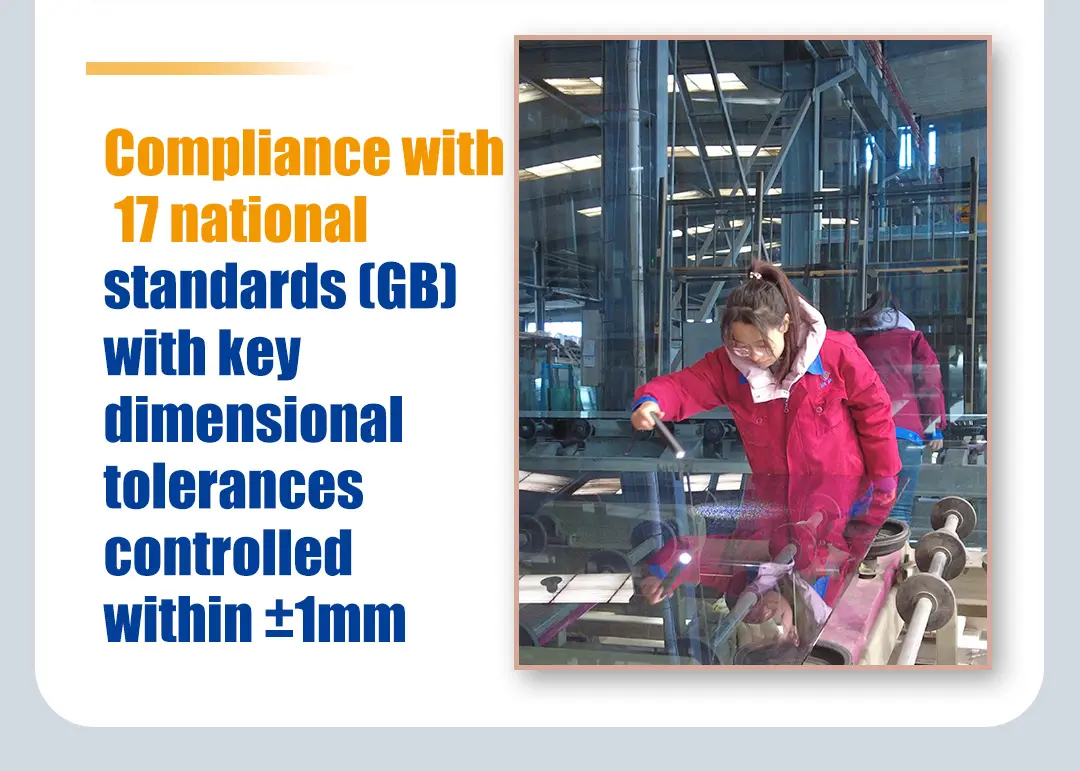
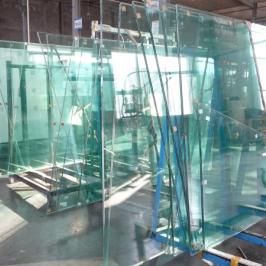
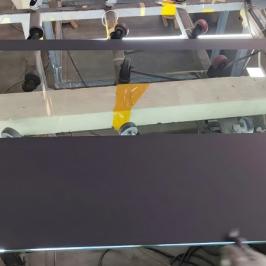
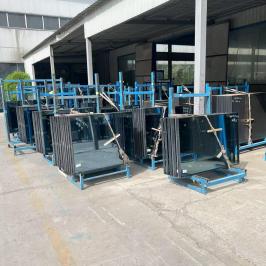
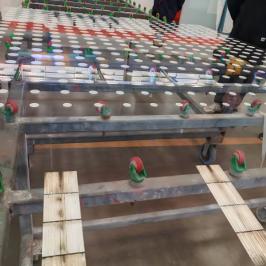
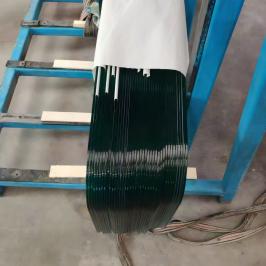
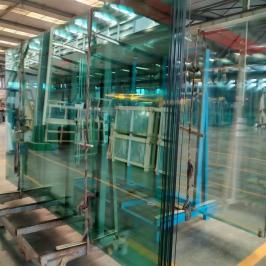
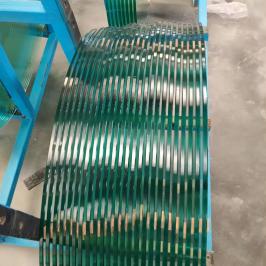
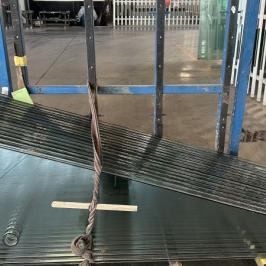
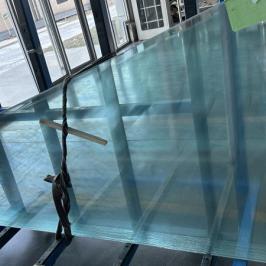
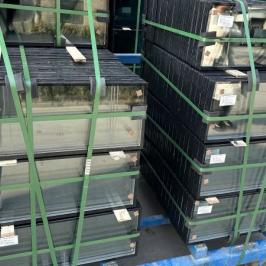
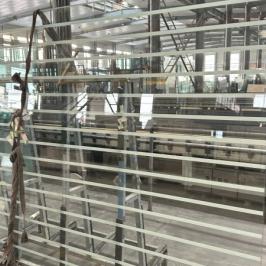
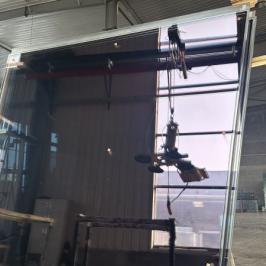
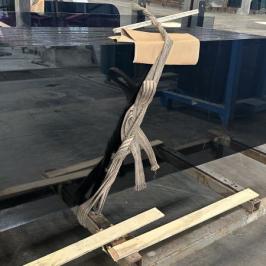
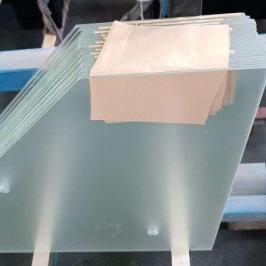
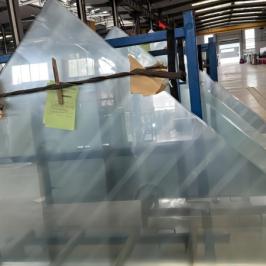
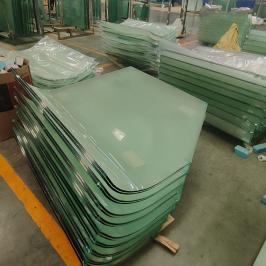
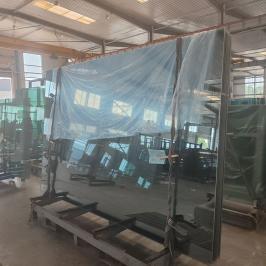
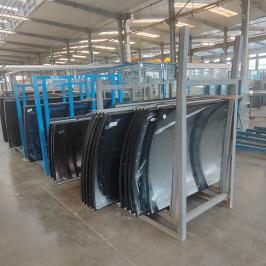
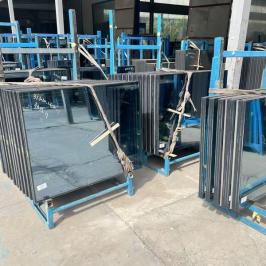
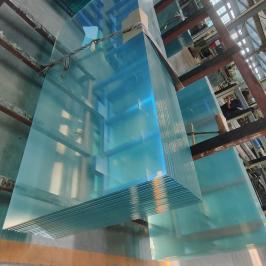
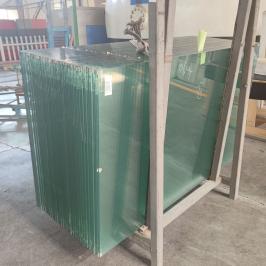
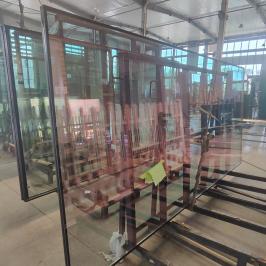
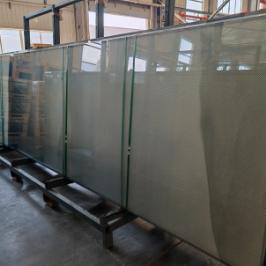
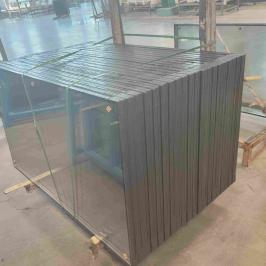
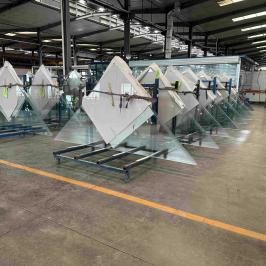
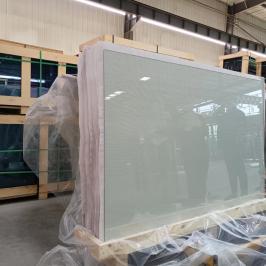
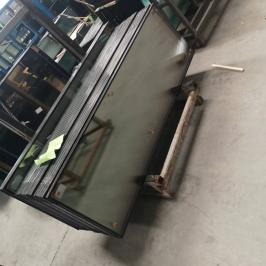
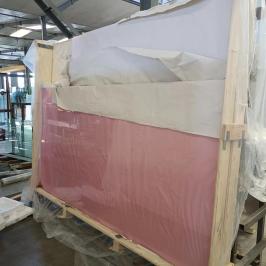
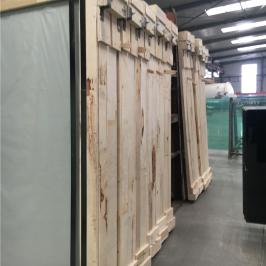
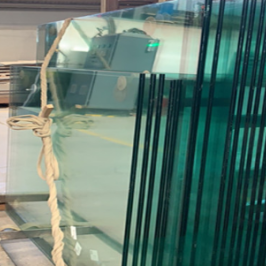
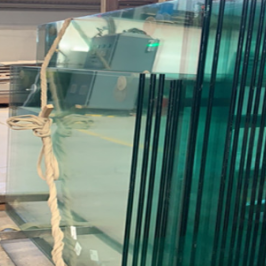
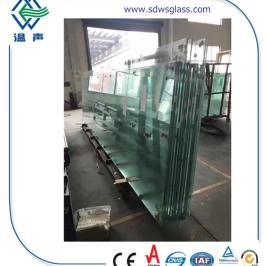
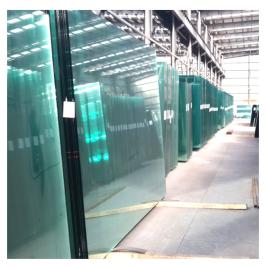
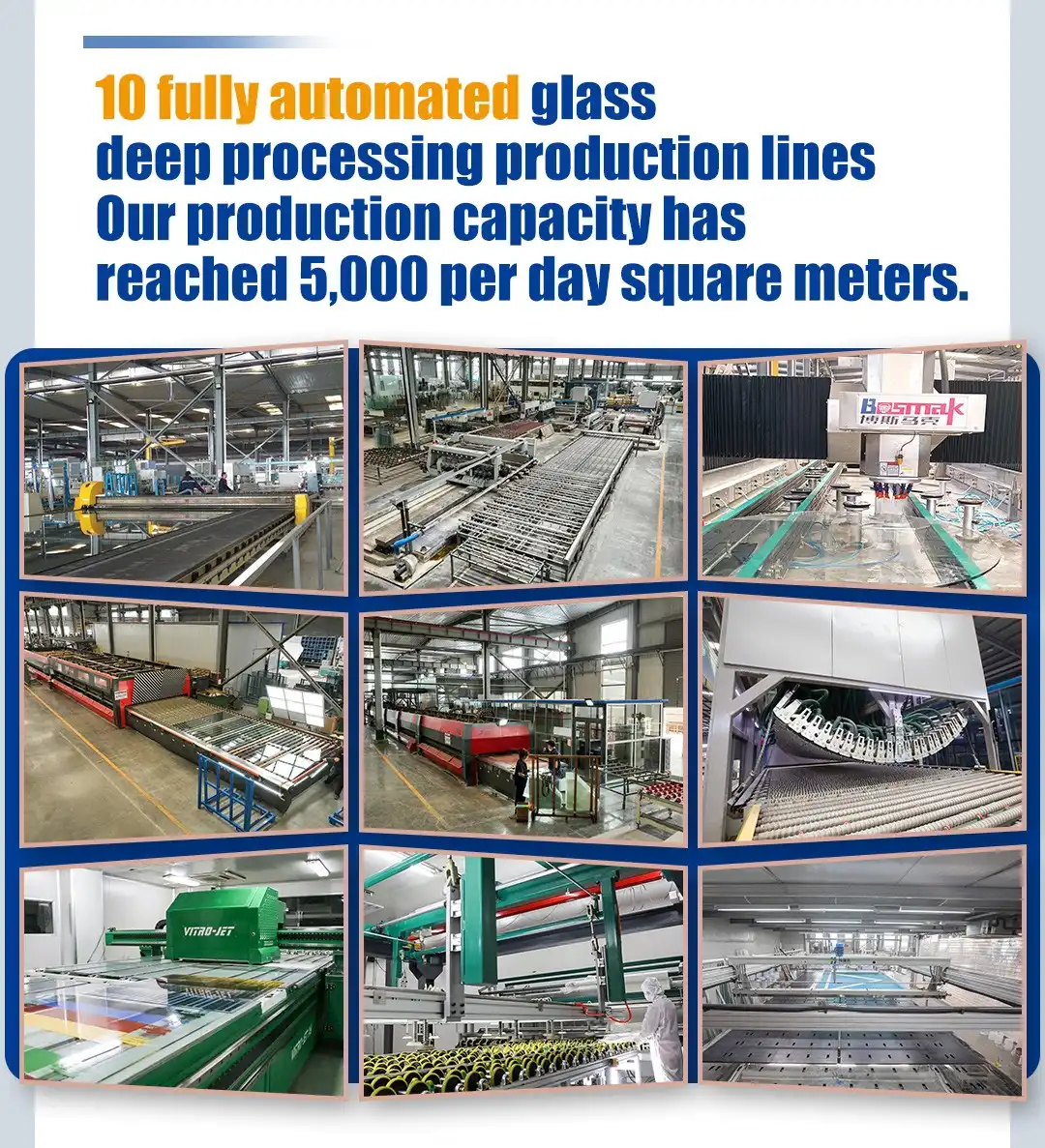
PV module production often uses automated equipment, so glass dimensions and edge quality must be consistent. Incorrect size, corner damage or surface contamination can interrupt assembly and increase waste. A reliable solar glass supplier should control cutting, edging, washing, tempering, inspection and packing in a stable process.
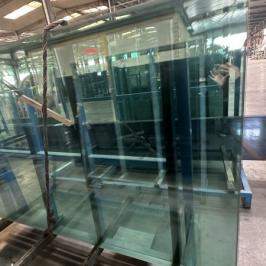
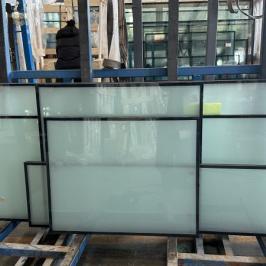
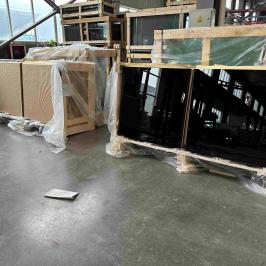
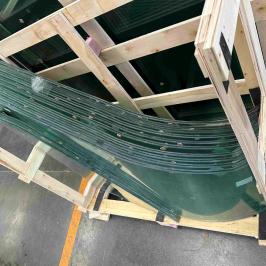
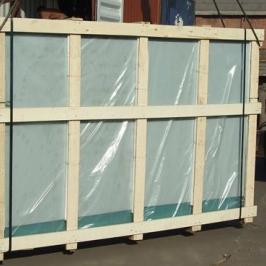
Wensheng supports solar glass orders with direct material channels and automated deep processing. Panels can be packed and labeled according to customer requirements, helping module factories reduce sorting time and damage risk during production.
| Specification | Common Options | Why It Matters |
|---|---|---|
| Glass type | Low iron tempered glass | High transmittance and outdoor safety strength |
| Thickness | 2.0 mm, 3.2 mm, 4.0 mm or customized | Balances module weight, load and durability |
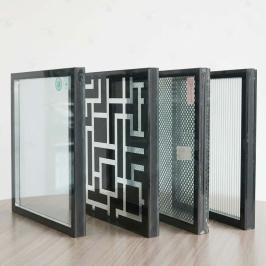
| Surface | Smooth, patterned, AR coated | Affects reflection, light capture and appearance |
| Processing | Cutting, edging, tempering, cleaning, packing | Supports stable module assembly |
How To Request A Quotation
To receive an accurate solar glass quotation, prepare the glass size, thickness, quantity, surface requirement, coating requirement, packing method and delivery plan. If the glass is used for a new module design, also provide the target load requirement and whether the product needs lightweight, high-power or building-integrated performance.
Good solar glass is not only transparent. It must be strong, consistent, clean and suitable for automated PV manufacturing. Choosing the right specification helps module makers improve production reliability and support long-term outdoor performance.