



















How to Choose Insulating Glass Units for Energy Efficient Buildings
How to Choose Insulating Glass Units for Energy Efficient Buildings
Insulating glass units, often called IGUs or double glazed glass, are one of the most important materials in modern energy efficient buildings. A well-designed IGU does more than fill a window frame. It helps control heat transfer, reduce condensation, improve acoustic comfort and protect the interior from harsh weather. For contractors, window manufacturers and building owners, choosing the right insulating glass specification can directly affect comfort, operating cost and long-term maintenance.
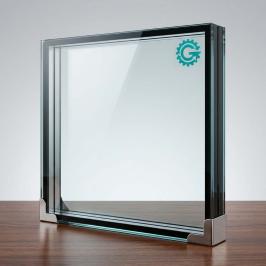
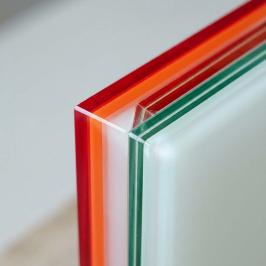
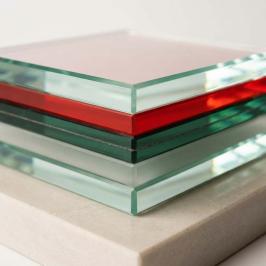
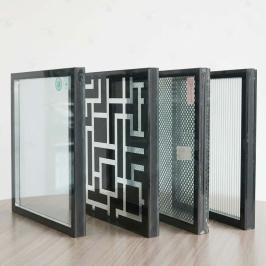
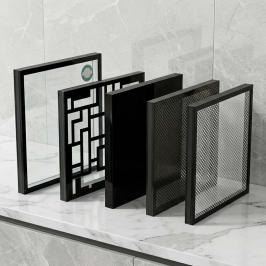
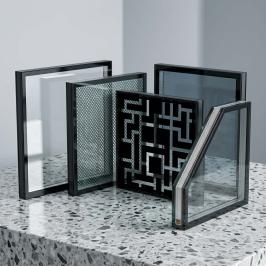
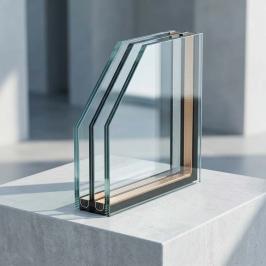
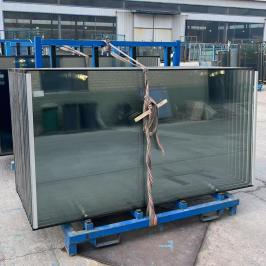
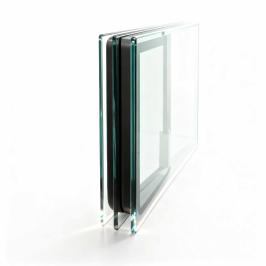
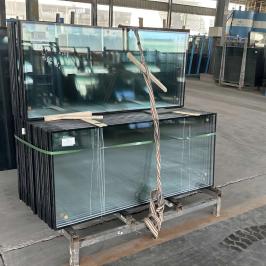
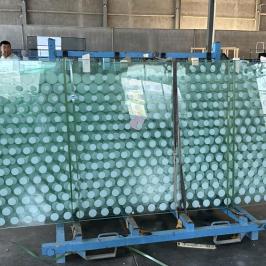
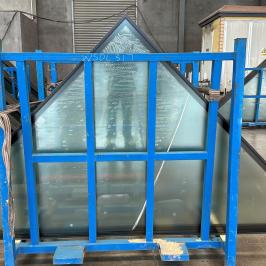
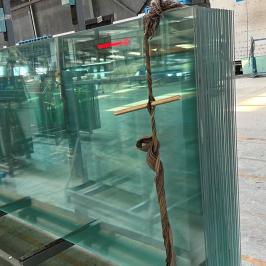
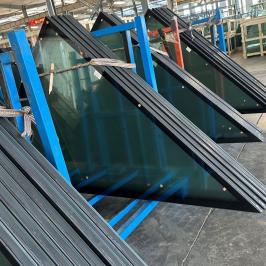
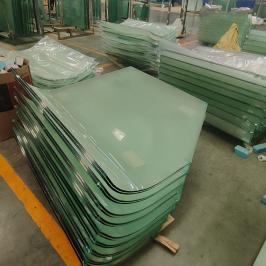
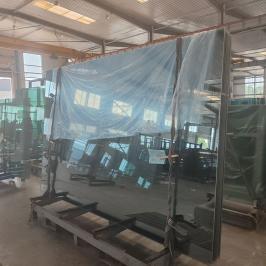
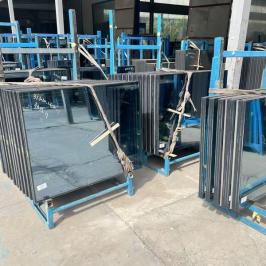
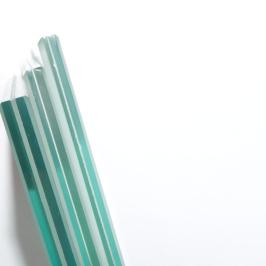
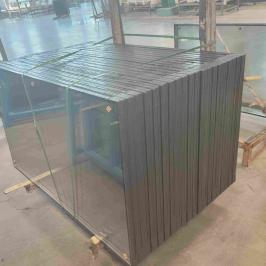
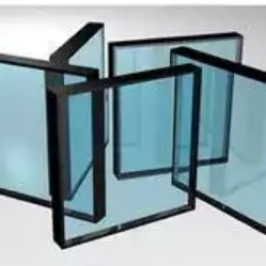
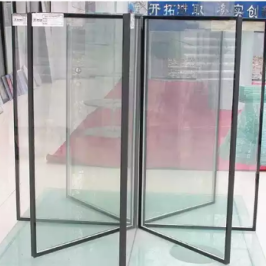
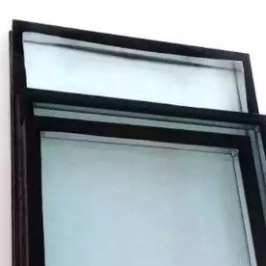
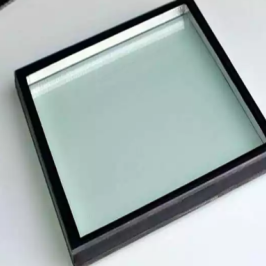
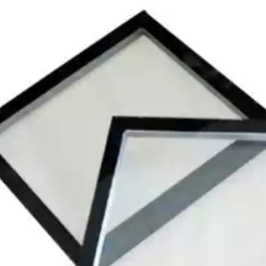
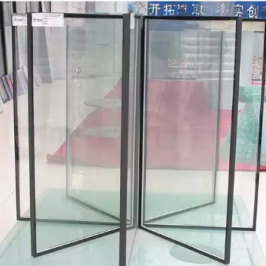
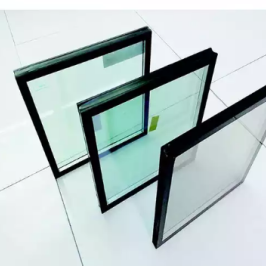
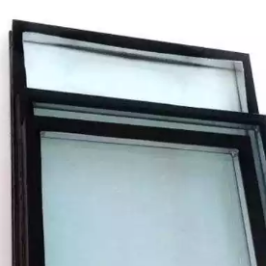
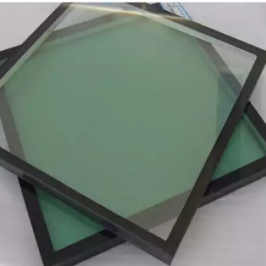
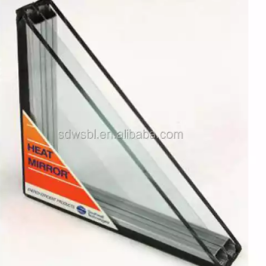
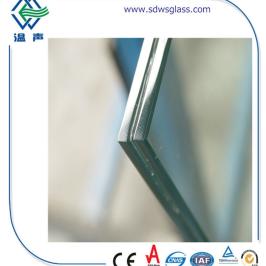
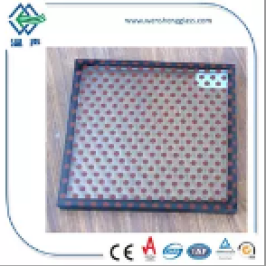
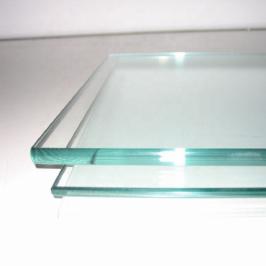
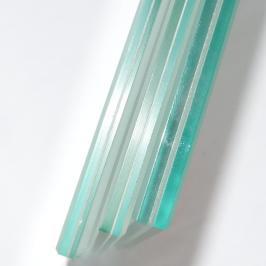
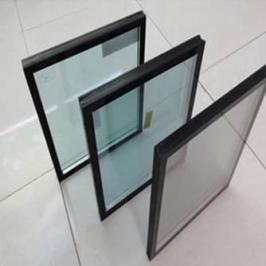
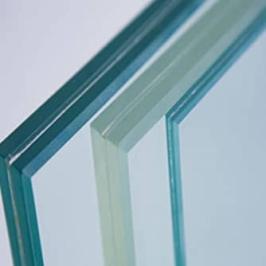
The basic structure of an insulating glass unit is simple: two or more panes of glass are separated by a spacer and sealed around the edge to create a dry air or gas-filled cavity. The performance, however, depends on many details. Glass thickness, coating type, spacer width, gas filling, sealant quality and the use of tempered or laminated glass all change how the final product behaves in a real building.

Start With Climate, Orientation And Frame System
Before selecting glass thickness or price, consider where the building is located and how the windows face the sun. In cold regions, the priority is often reducing heat loss during winter. A Low-E coating, wider cavity and argon gas can help keep indoor heat from escaping through the window. In hot regions, solar control performance becomes more important because the glass must reduce unwanted heat gain while still allowing useful daylight.
South-facing facades, large curtain walls and rooms with strong afternoon sunlight may need a different glass make-up from shaded windows. A single specification for every elevation can be convenient, but it may not provide the best comfort or energy result. Good IGU selection should match climate, orientation, frame system and indoor usage.
Understand Low-E Coating And Gas Filling
Low-E glass has a thin coating that reflects infrared heat while allowing visible light to pass. This is why Low-E insulating glass is common in energy saving windows, office buildings, hotels and residential projects. The coating position matters. For many double glazed units, placing the coating on the correct inner surface helps balance insulation, solar control and coating protection.
The airspace between the panes is the heart of an IGU. A cavity that is too narrow may not provide enough thermal resistance, while a cavity that is too wide can create internal air movement that reduces performance. Common spacer widths such as 9A, 12A and 16A are selected according to the frame system and performance target. Argon-filled insulating glass is often used when a better U-value is required because argon helps slow heat transfer inside the cavity.
Do Not Ignore Safety And Sound Control
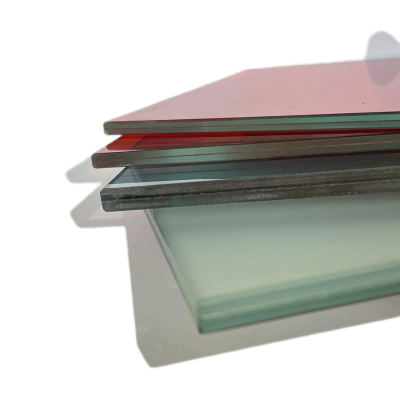
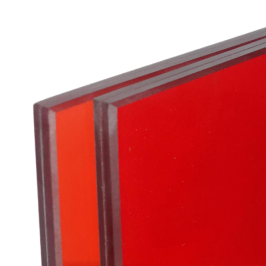
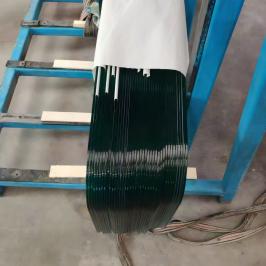
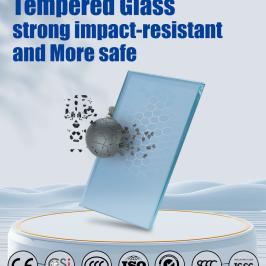
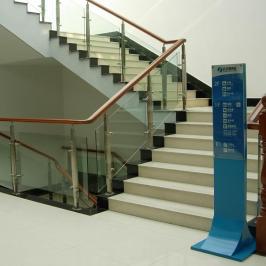
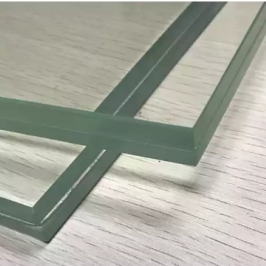
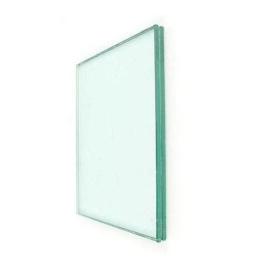
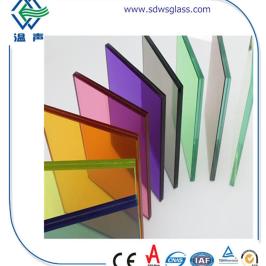
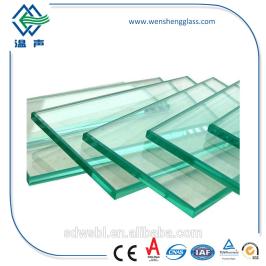
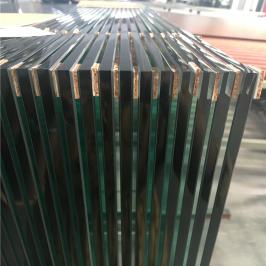
Energy efficiency is not the only reason to choose insulated glass. In doors, low windows, overhead glazing and public areas, safety glass may be required. Tempered insulating glass improves impact strength and creates a safer break pattern. Laminated insulating glass adds a bonded interlayer that can hold broken glass in place and improve acoustic performance.
For buildings near roads, airports or busy commercial streets, acoustic insulating glass can create a more comfortable interior. Different glass thicknesses on the two sides, laminated glass and a suitable cavity width can help weaken sound waves. If noise reduction is a key target, the glass design should be discussed before quotation rather than added at the last minute.
Check Sealing Quality And Production Control
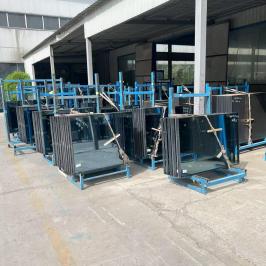
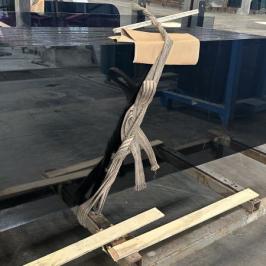
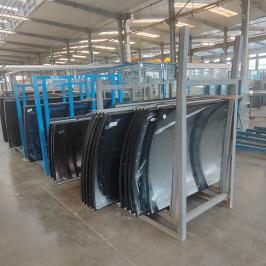
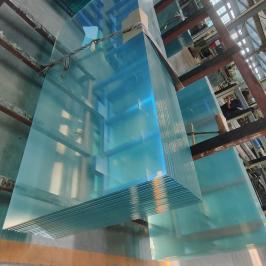
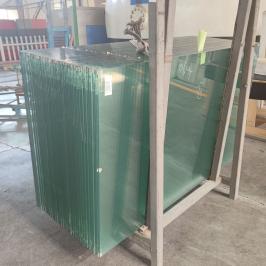
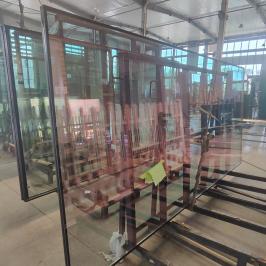
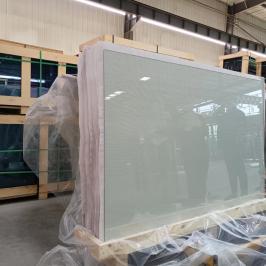
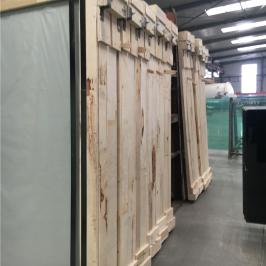
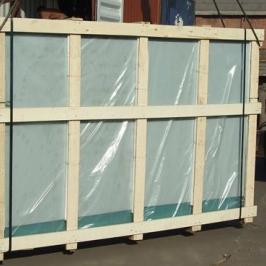
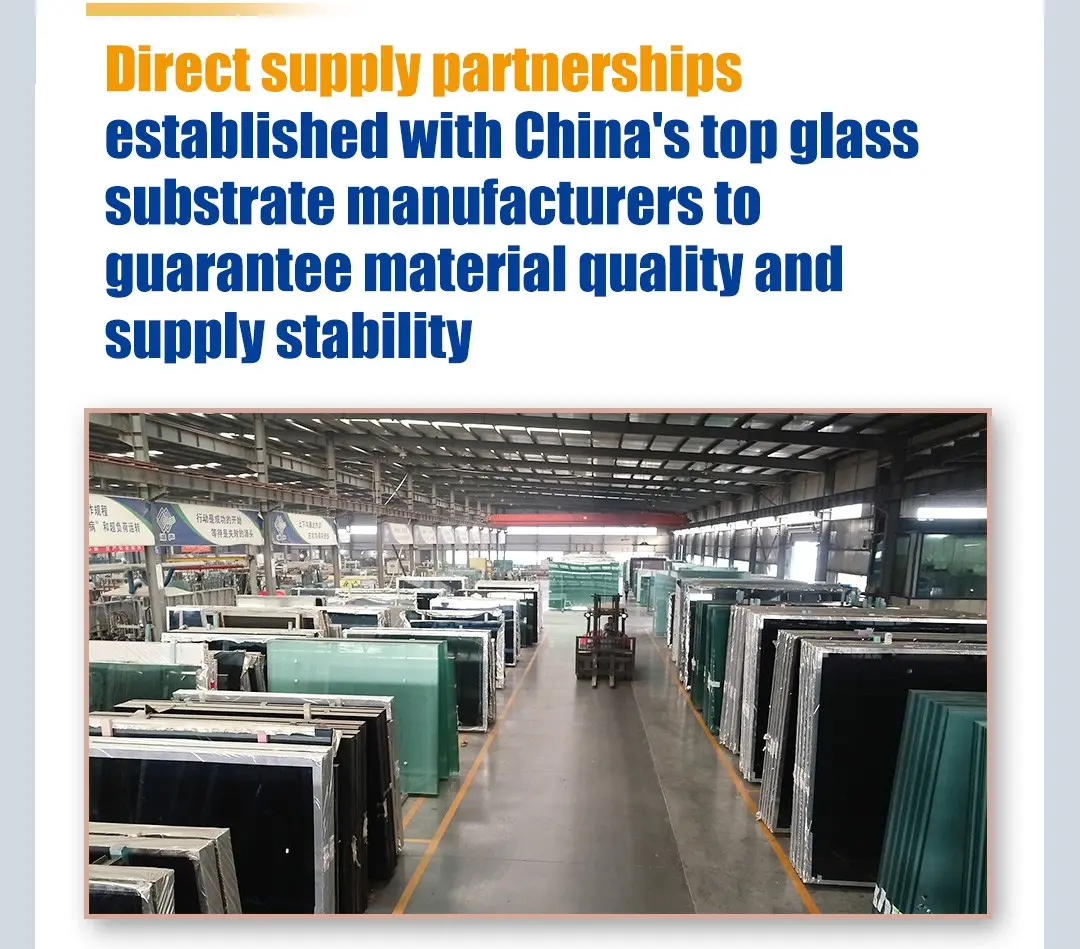
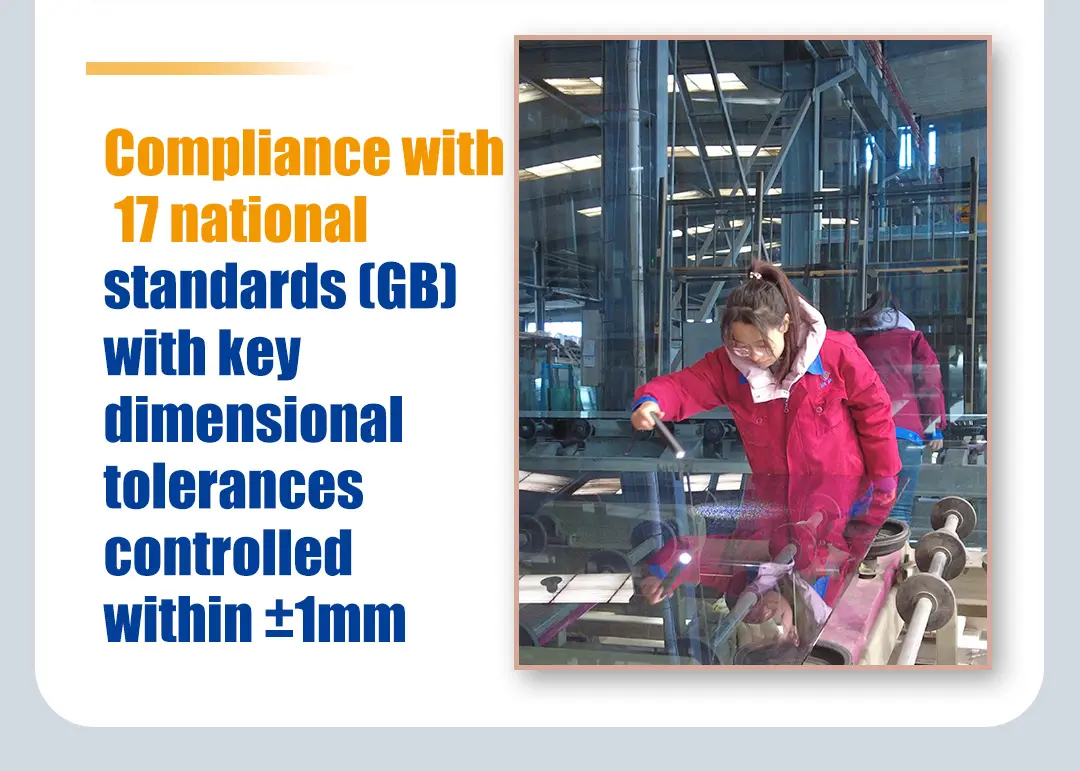
Long service life depends heavily on edge sealing. Moisture inside the unit can cause fogging, reduced clarity and performance loss. A reliable IGU should use suitable spacer material, dry desiccant, clean glass washing and consistent sealant application. The factory should inspect size, appearance, spacer alignment, seal condition and glass surface before packing.
| Decision Point | Common Option | Why It Matters |
|---|---|---|
| Glass make-up | Double glazed or triple glazed IGU | Controls insulation level, weight and frame compatibility |
| Coating | Low-E or solar control Low-E | Balances heat retention, solar gain and visible light |
| Cavity | Dry air or argon filling | Improves thermal performance and comfort |
| Safety option | Tempered or laminated panes | Meets impact, overhead and acoustic requirements |
Practical Buying Tips
Prepare drawings or a size list before asking for price.
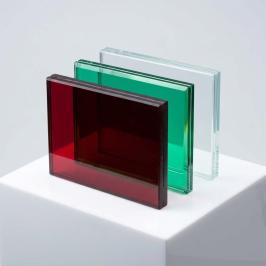
Confirm whether the glass needs Low-E, argon, tempered panes, laminated panes or special color.
Check whether the frame system can accept the selected IGU thickness.
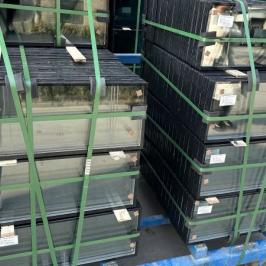
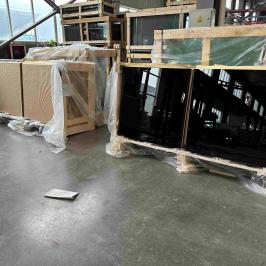
Ask about packing method, labels and delivery schedule for project orders.
For facades and large windows, confirm wind load, safety requirements and local building rules.
Choosing insulating glass is not only about finding the lowest unit price. A better specification can reduce energy use, improve comfort and lower future maintenance risk. When the glass structure is selected around the building鈥檚 real needs, IGUs become a long-term performance material rather than a simple window component.