













Custom Tempered Glass Panels: Specification Guide for Doors, Partitions and Railings
Custom Tempered Glass Panels: Specification Guide for Doors, Partitions and Railings
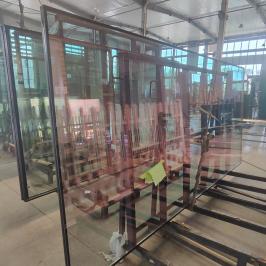
Custom tempered glass panels are widely used in commercial and residential buildings because they combine safety, strength and clean visual design. From glass doors and office partitions to balcony railings, shower enclosures and furniture, tempered glass gives designers the ability to create open spaces while meeting practical safety needs. But a successful order depends on more than choosing a thickness. Size, edge work, holes, hardware position, glass type and packing all need to be confirmed before production.
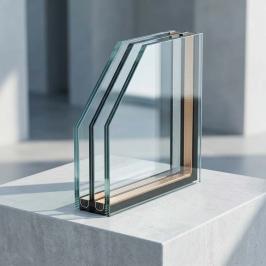
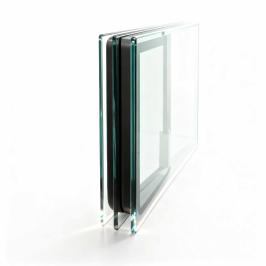
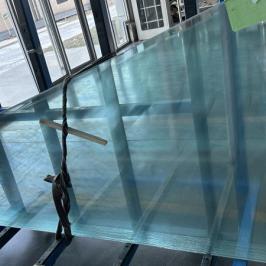
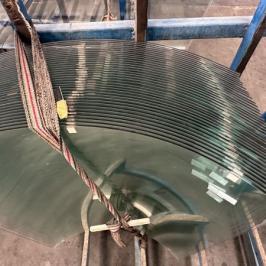
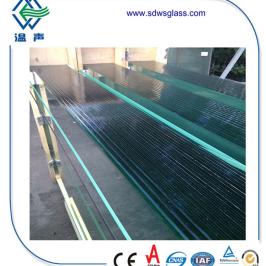
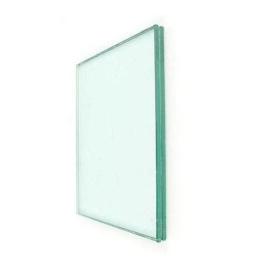
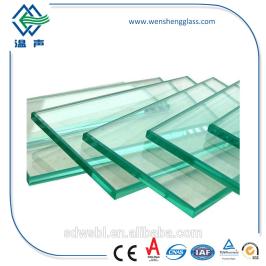
Tempered glass is made by heating processed glass to a high temperature and then cooling it rapidly. This creates surface compression and makes the panel several times stronger than ordinary annealed glass of the same thickness. If broken, tempered glass forms small granular pieces instead of long sharp shards, which is why it is used in many safety glazing locations.

Define The Application First
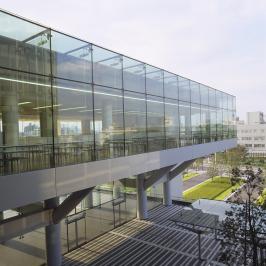
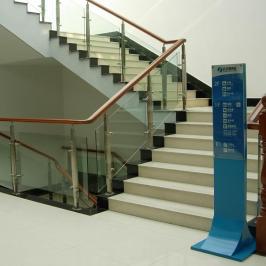
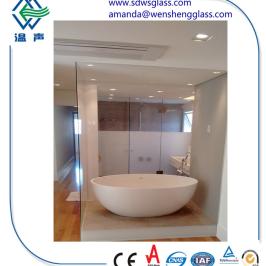
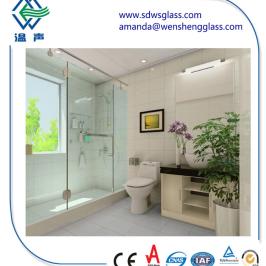
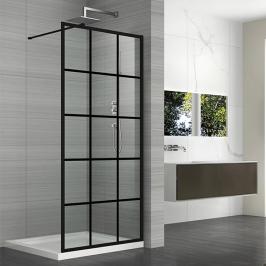
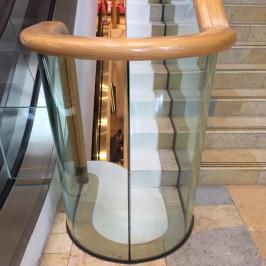
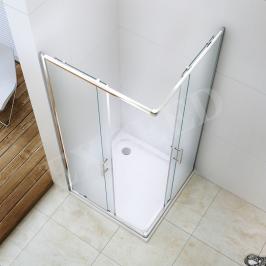
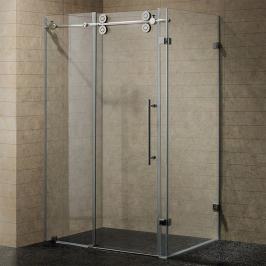
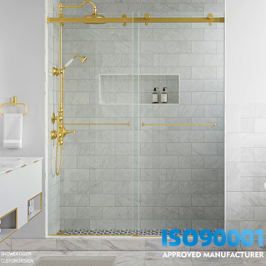
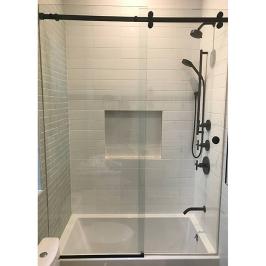
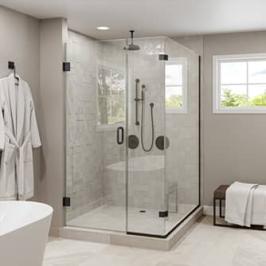
The right tempered glass specification starts with the final application. A frameless glass door has different requirements from a tabletop. A balcony railing has different safety concerns from an office partition. Railings may need thicker glass, laminated tempered glass or specific hole positions for clamps and handrails. Shower doors may need precise hinge holes and polished edges. Storefront glass may need larger sizes and stronger impact resistance.
When sending an inquiry, include the use area, drawing, installation method, thickness requirement and hardware details. This helps the factory check whether the glass can be processed safely before tempering. A clear drawing also reduces communication time and prevents costly remakes.
Choose Thickness According To Load And Hardware
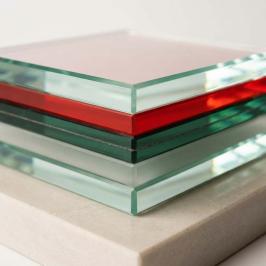
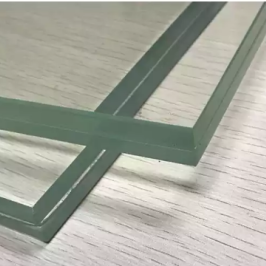
Common tempered glass thicknesses include 4 mm, 5 mm, 6 mm, 8 mm, 10 mm, 12 mm, 15 mm and 19 mm. Thin panels are often used for shelves, cabinet doors and small partitions. Thicker panels are used for railings, doors, facades and high-traffic commercial spaces. The chosen thickness should fit the frame or hardware system and meet the required strength.
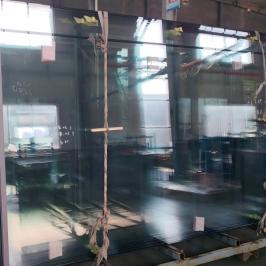
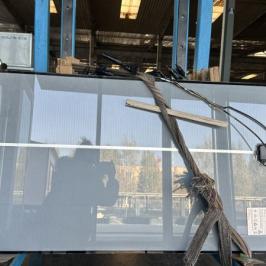
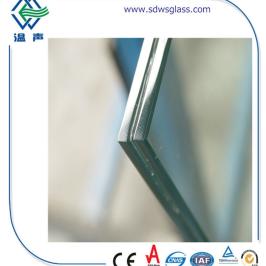
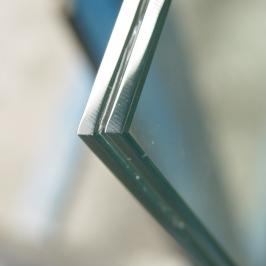
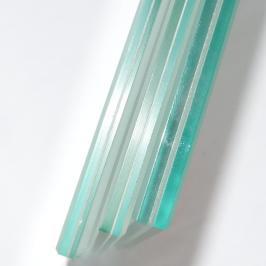
Large panels need extra attention. The larger the size, the more important it is to evaluate wind pressure, handling safety, installation support and transport method. For glass railings and overhead areas, project standards may require laminated safety glass rather than single tempered glass.

Process All Holes And Edges Before Tempering
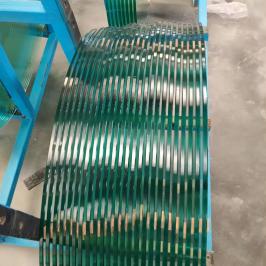
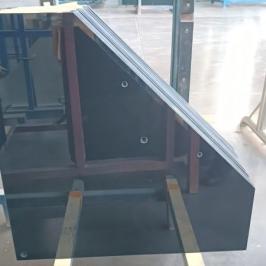
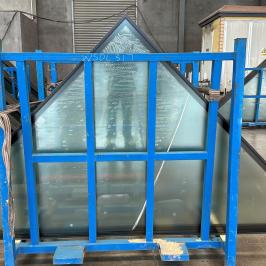
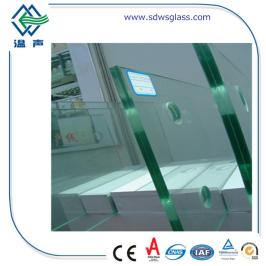
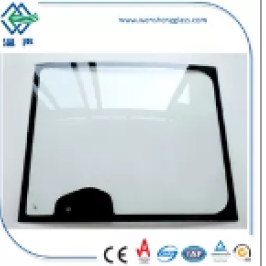
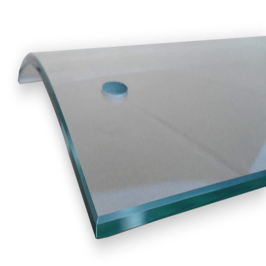
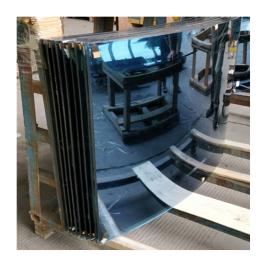
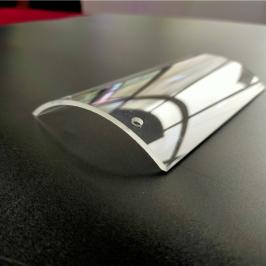
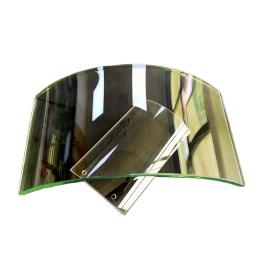
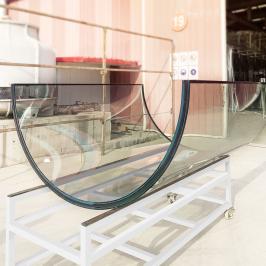
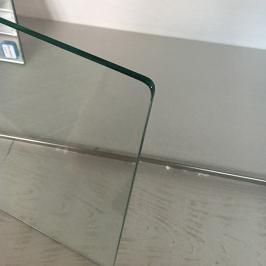
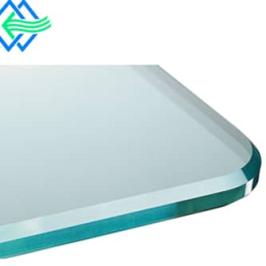
A critical rule is that tempered glass cannot be cut, drilled or notched after toughening. All processing must be completed before the tempering furnace. This includes edge polishing, holes, notches, cut corners, slots and special shapes. If a hardware drawing changes after production, the glass usually has to be remade.
Hardware drawings should therefore be accurate and final. Hole diameter, distance from edge, notch shape and corner radius all affect production safety. A good supplier will check whether the design is practical before manufacturing instead of simply accepting an impossible drawing.
Select The Right Glass Appearance
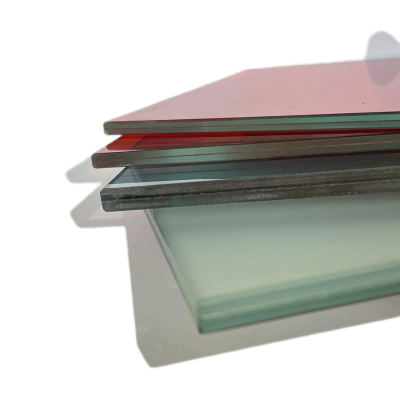
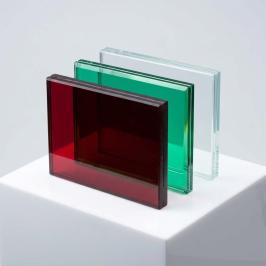
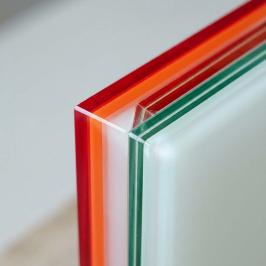
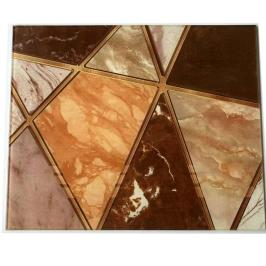
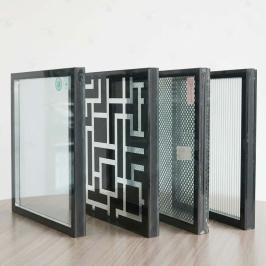
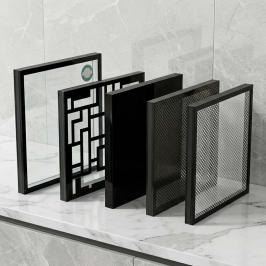
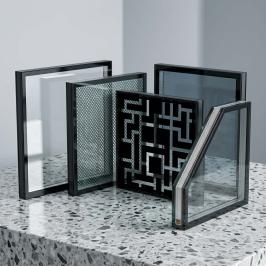
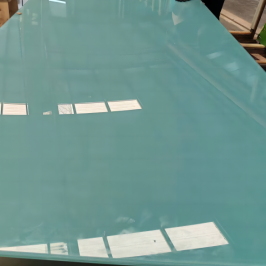
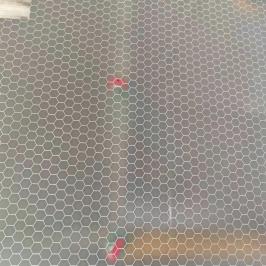
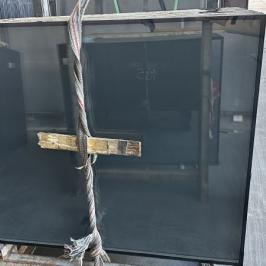
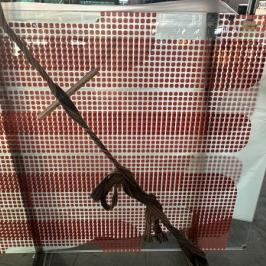
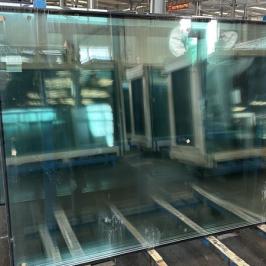
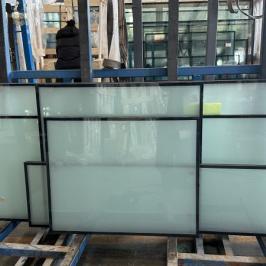
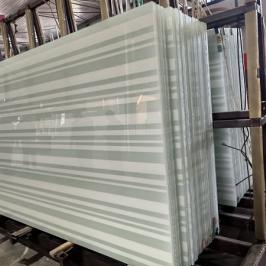
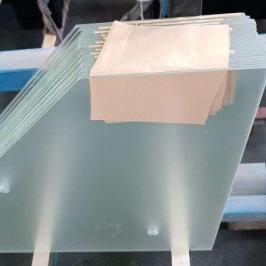
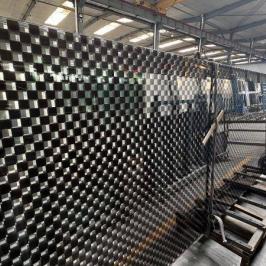
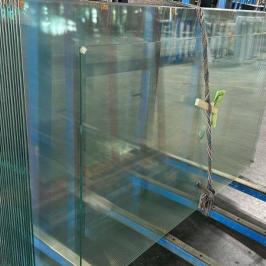
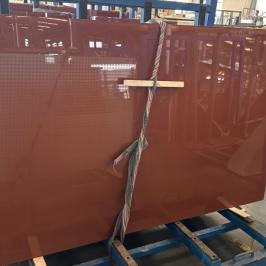
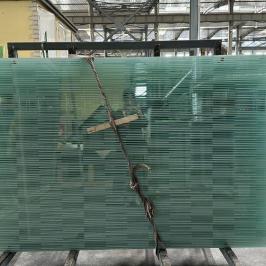
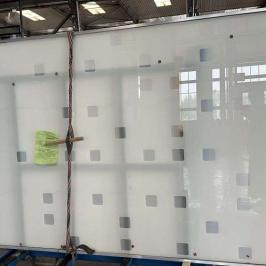
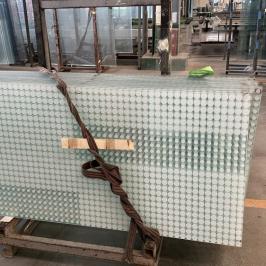
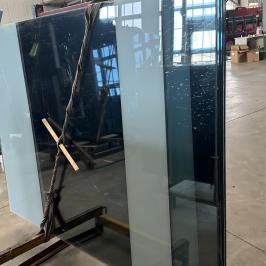
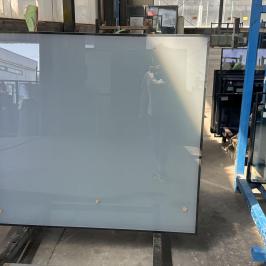
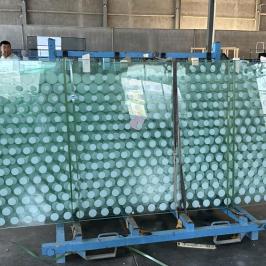
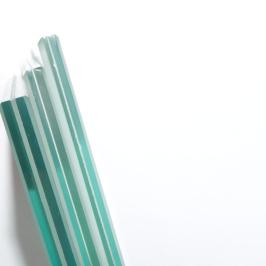
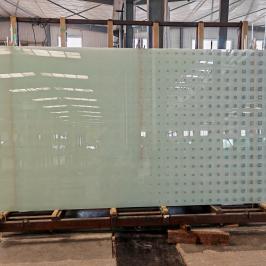
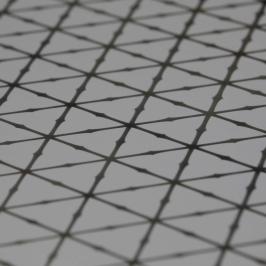
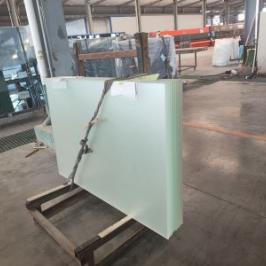
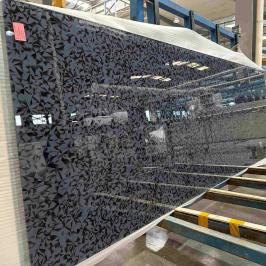
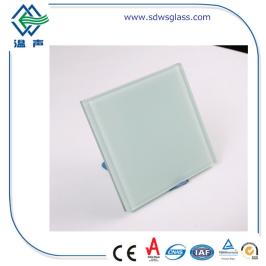
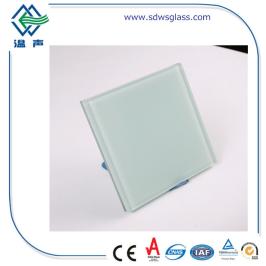
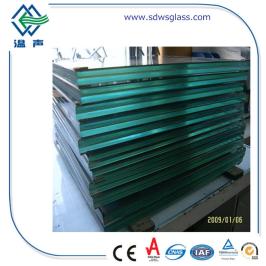
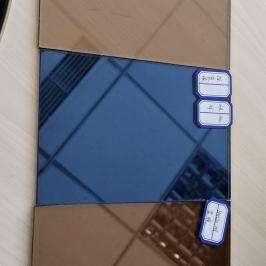
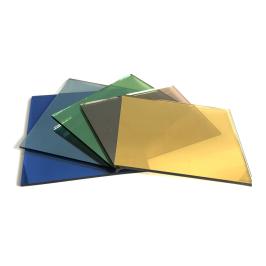
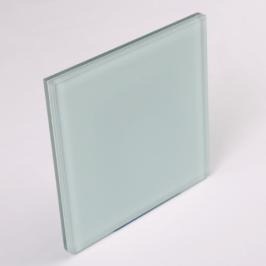
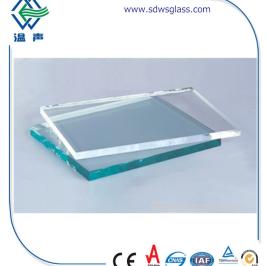
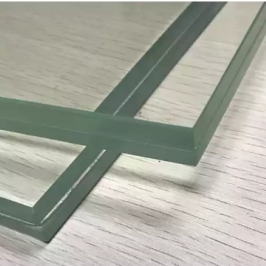
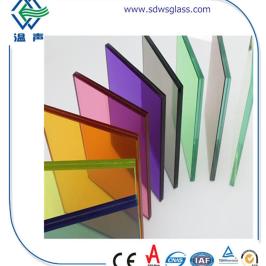
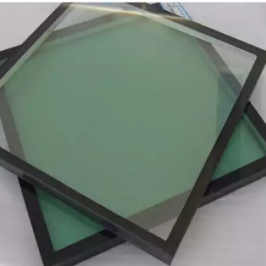
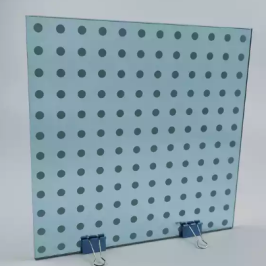
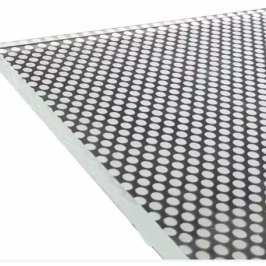
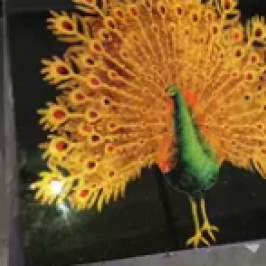
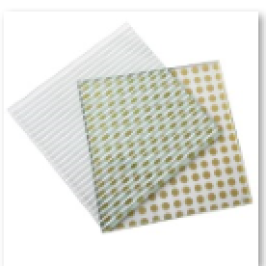
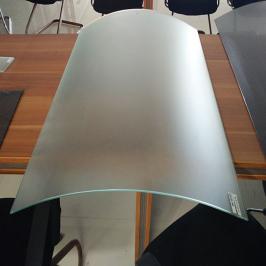
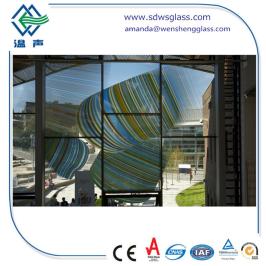
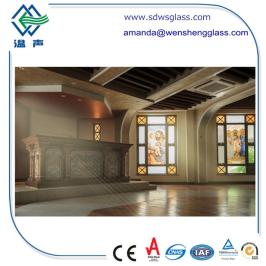
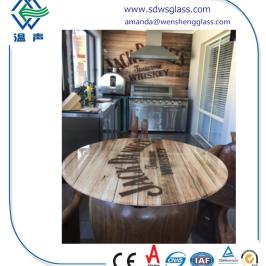
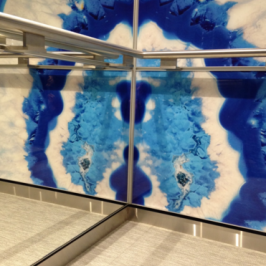
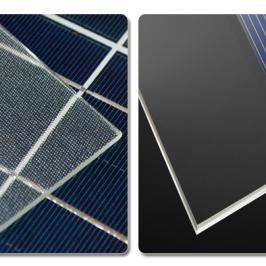
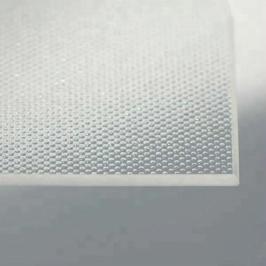
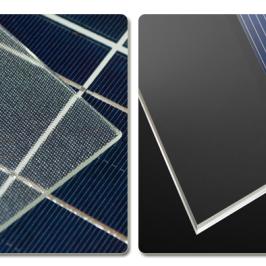
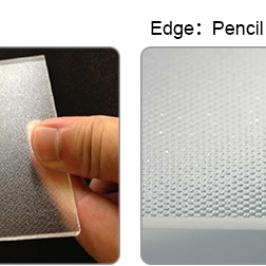
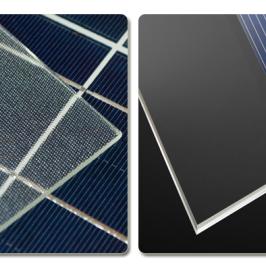
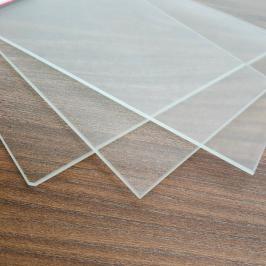
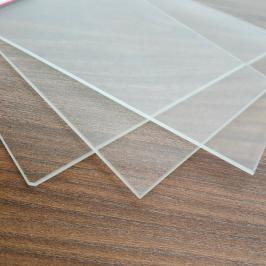
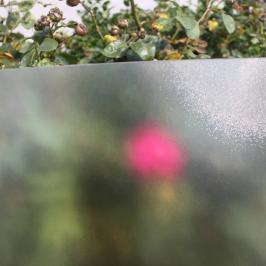
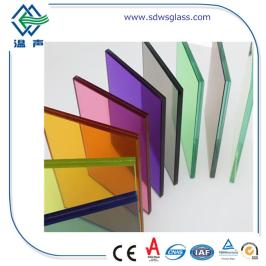
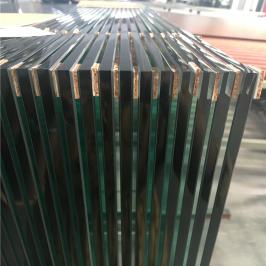
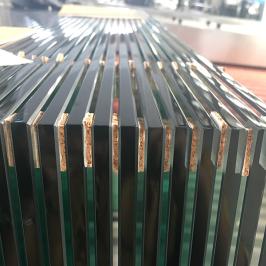
Tempered glass does not have to be only clear. Buyers can choose ultra clear low iron glass for a brighter, less green appearance; tinted glass for solar control and color; frosted glass for privacy; patterned glass for decoration; or coated glass for special building performance. For office partitions and luxury interiors, ultra clear tempered glass is popular because the edge color is cleaner and the final space feels lighter.
If privacy is needed, frosted, acid etched or laminated options may be better than standard clear glass. If the panel will be exposed to strong sunlight, tinted or coated glass can help reduce glare and heat gain.
| Project Detail | What To Confirm | Why It Matters |
|---|---|---|
| Thickness | 6 mm, 8 mm, 10 mm, 12 mm or larger | Controls strength, weight and hardware compatibility |
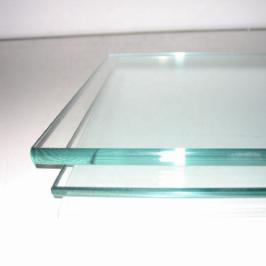
| Edge | Flat polished, pencil polished, bevel or arris | Affects safety, appearance and installation |
| Holes and notches | Final hardware drawings before tempering | Cannot be changed after toughening |
| Glass type | Clear, ultra clear, tinted, frosted or patterned | Matches design, privacy and lighting requirements |
Quality Inspection Before Shipment
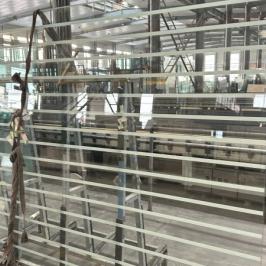
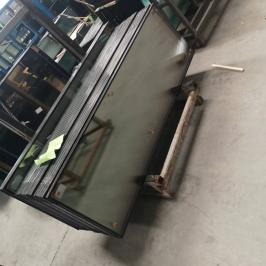
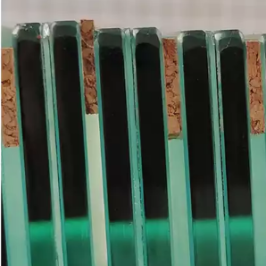
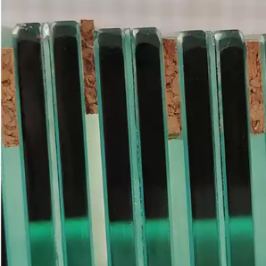
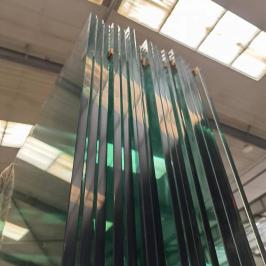
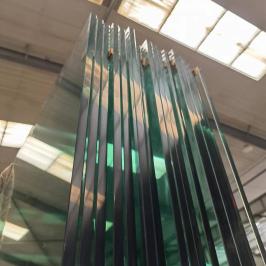
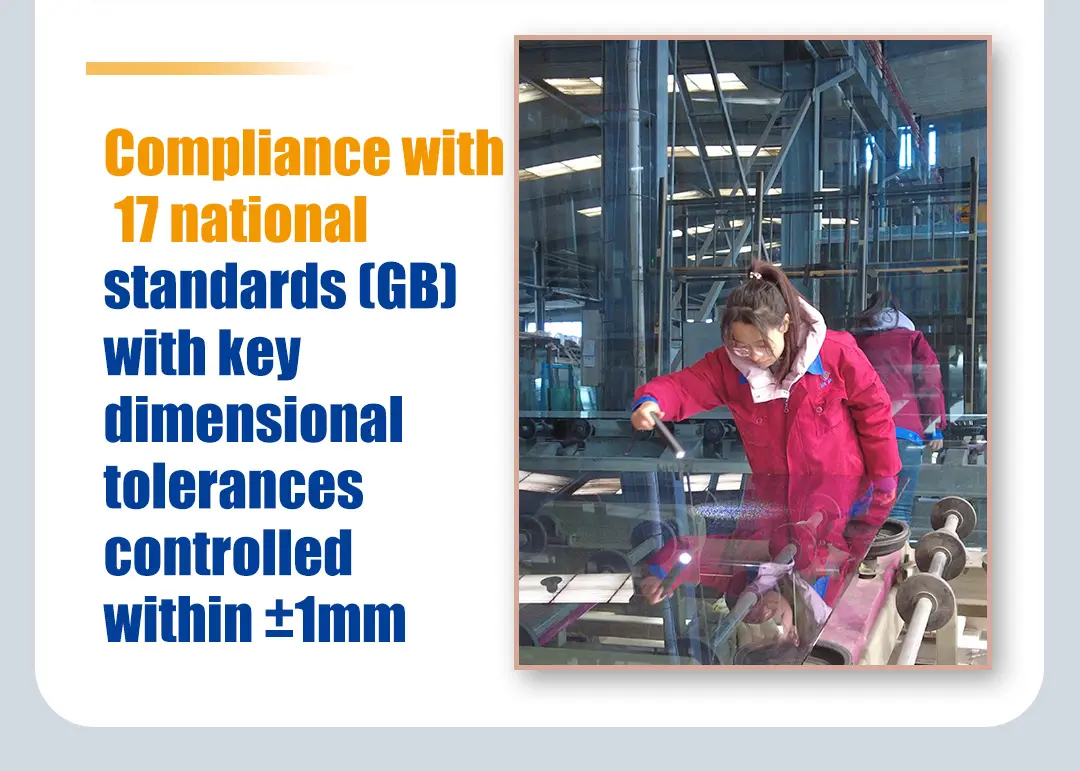
Tempered glass quality should be checked from several angles: surface scratches, bubbles, edge chips, size tolerance, hole position, flatness and breakage performance. For visible architectural glass, appearance inspection is very important because the panel becomes part of the finished design. For hardware glass, dimensional accuracy is just as important because even a small deviation can create installation problems.
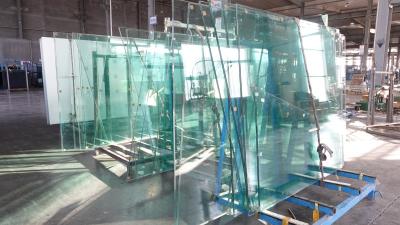
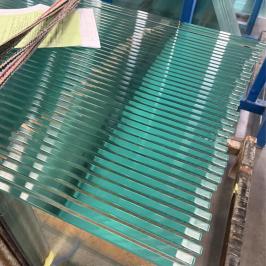
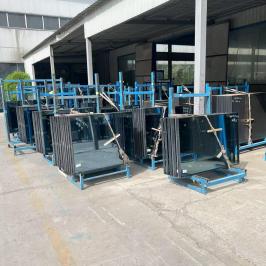
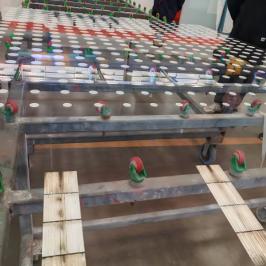
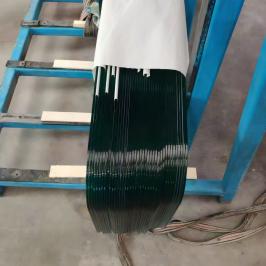
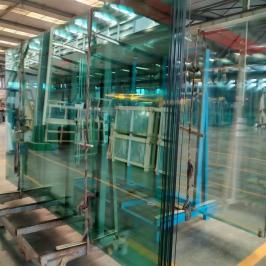
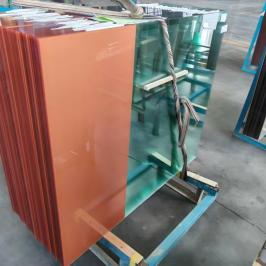
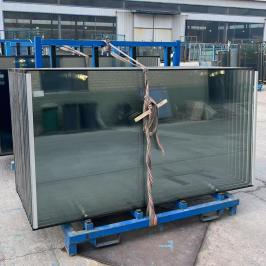
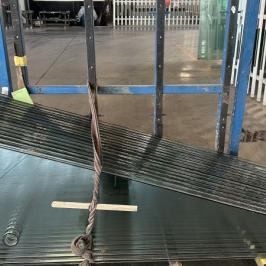
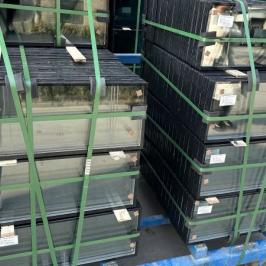
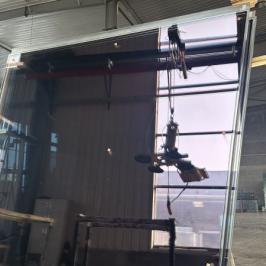
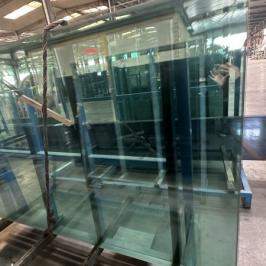
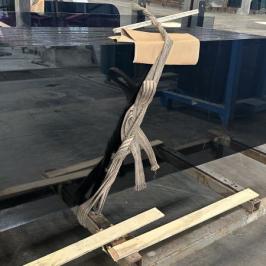
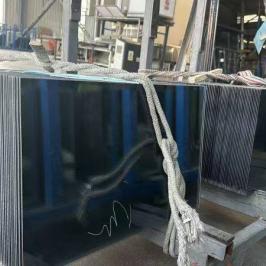
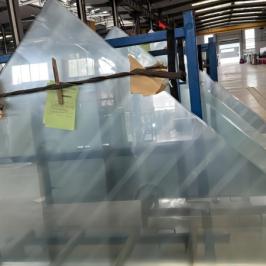
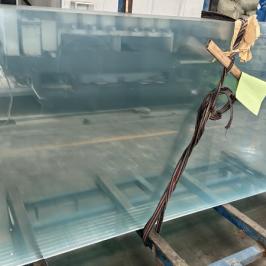
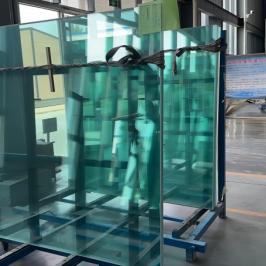
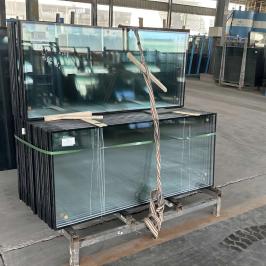
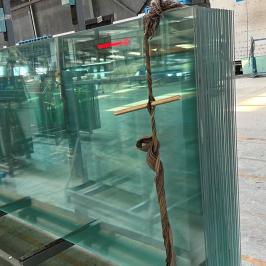
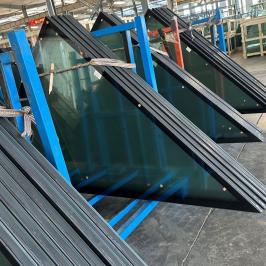
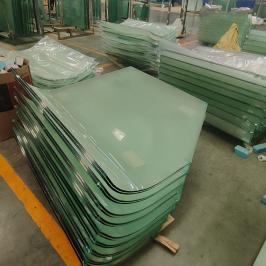
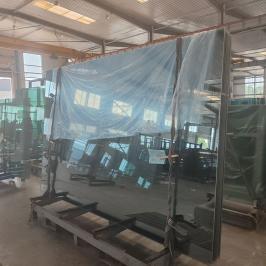
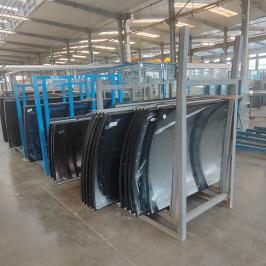
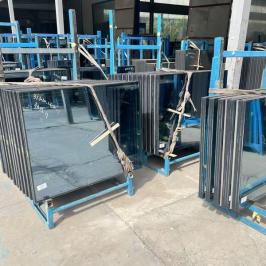
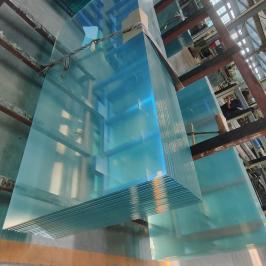
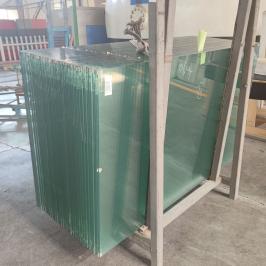
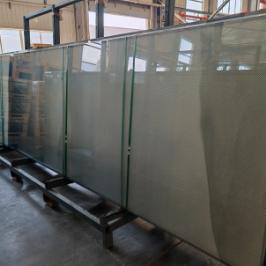
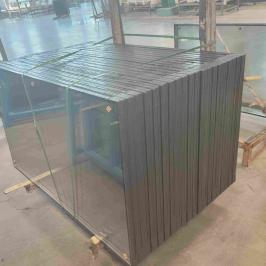
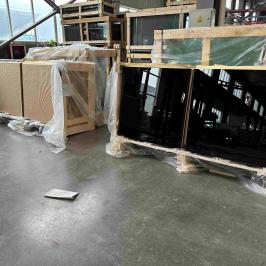
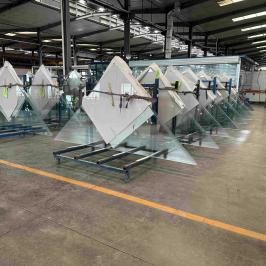
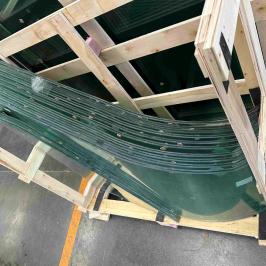
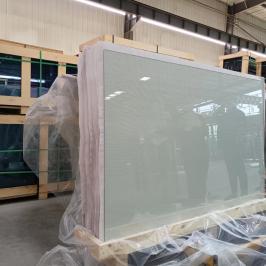
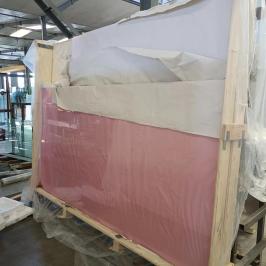
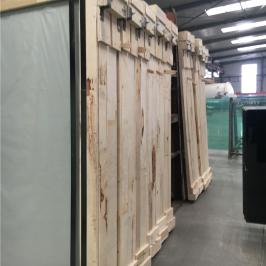
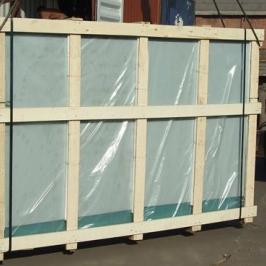
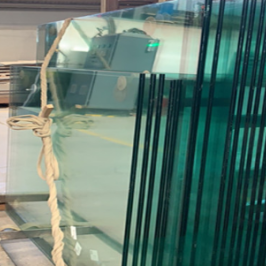
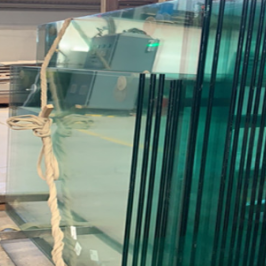
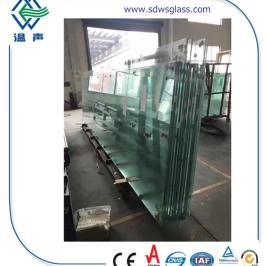
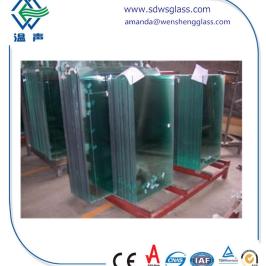
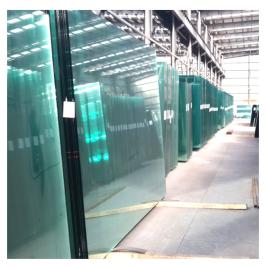
Wensheng uses raw glass supply support, automated deep processing and final inspection to help keep batch orders consistent. For project shipments, panels can be labeled by size or installation area, packed with protective pads and loaded in sturdy wooden cases.
Buying Checklist
Confirm whether single tempered glass is enough or laminated tempered glass is required.
Provide final drawings before production, especially holes and notches.
Choose thickness according to size, application and hardware system.
Specify edge finish, corner treatment and glass type clearly.
Ask for suitable packing if the glass will be exported or moved between job sites.
Custom tempered glass is a reliable safety material when specified correctly. The more complete the project information is at the beginning, the easier it is for the factory to produce accurate panels, reduce breakage risk and support smooth installation.