





















The Science of Savings - Quantifying Your Energy Efficiency Gains
The Science of Savings - Quantifying Your Energy Efficiency Gains
While the comfort benefits of insulated glass are immediate, its true value is measured in long-term energy savings. This article explores the technical principles behind its efficiency and provides a clear framework to calculate your potential return on investment.
The Thermal Bridge: How Your Windows Lose Energy
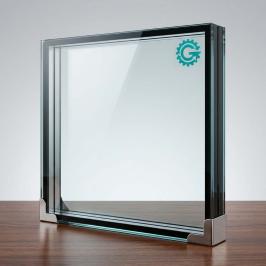
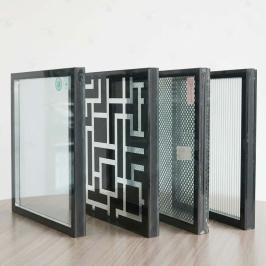
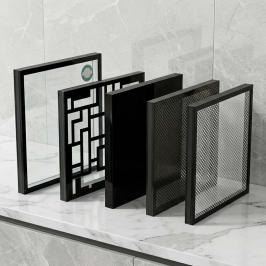
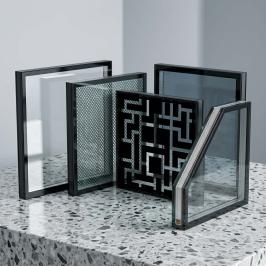
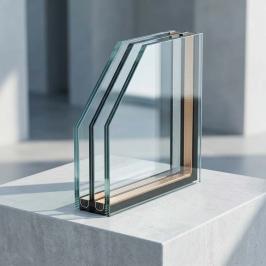
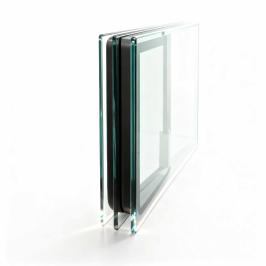
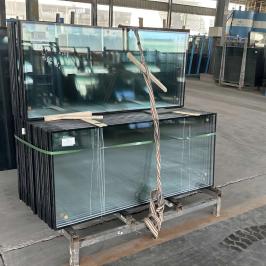
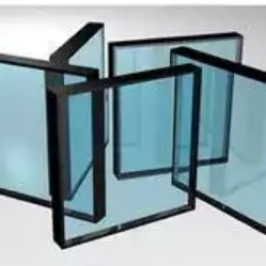
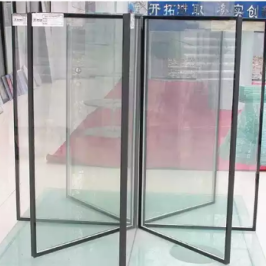
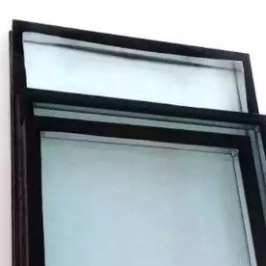
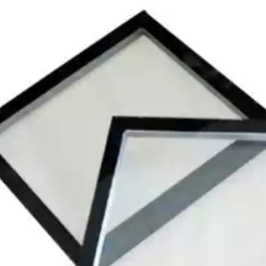
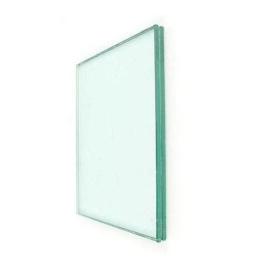
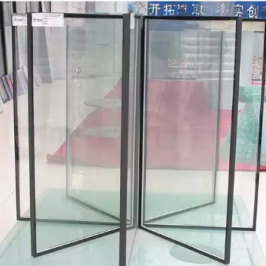
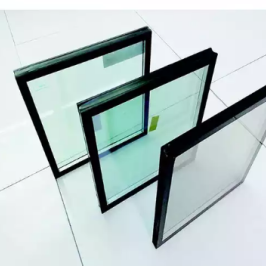
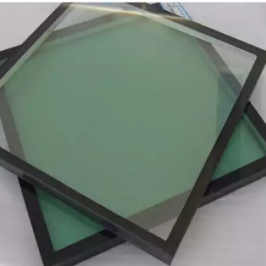
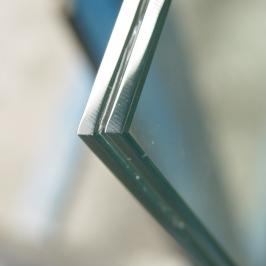
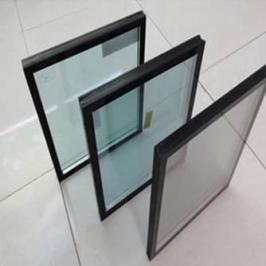
Single-pane glass is a primary source of thermal transfer. In winter, indoor heat escapes outwards; in summer, solar radiant heat streams in. This constant exchange forces your HVAC system to work overtime. Insulated glass units (IGUs) combat this through a multi-layered defense:
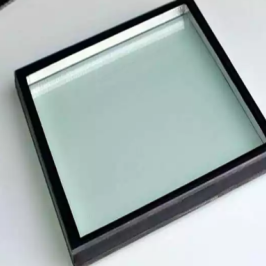
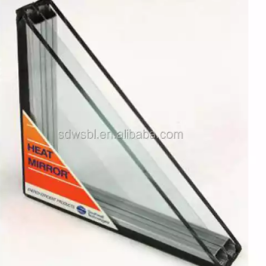
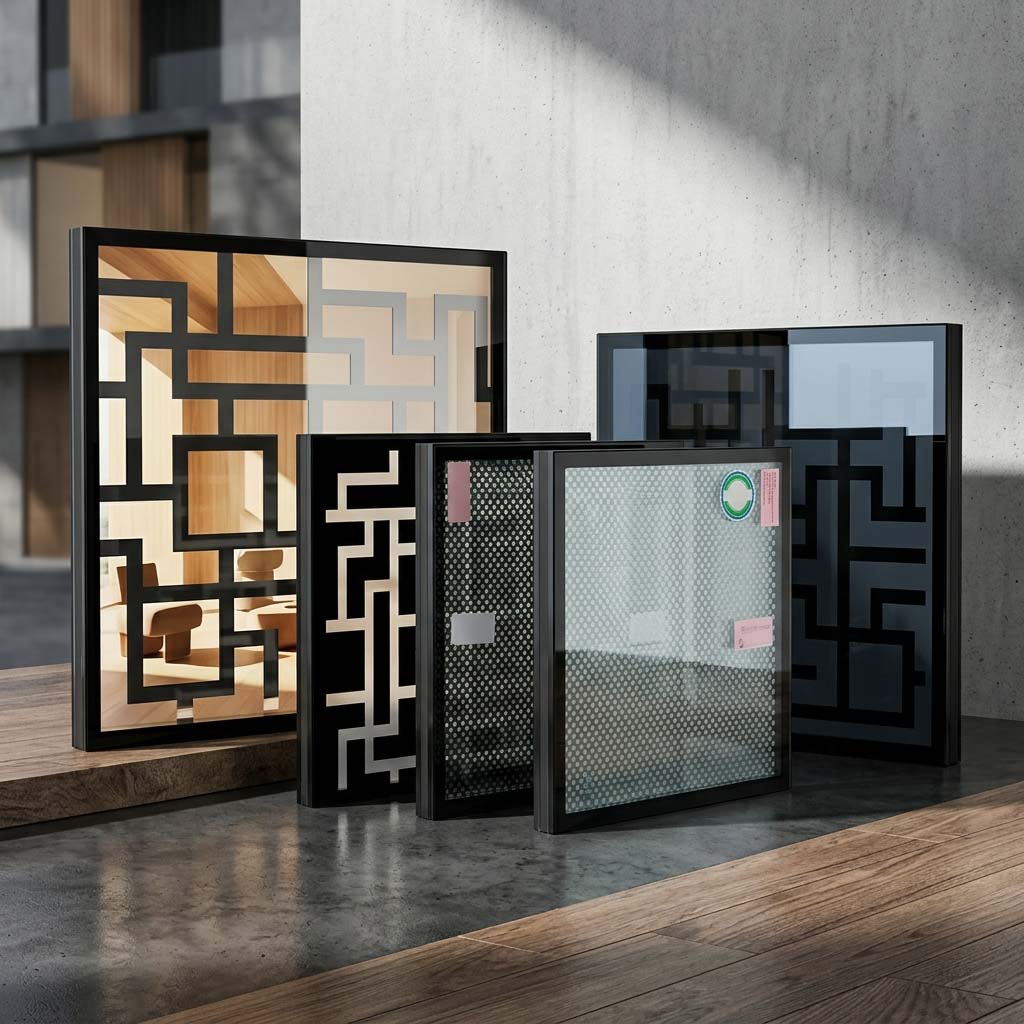
The Convective Barrier: The sealed air or gas-filled space between panes significantly reduces heat transfer via convection compared to a single pane.
The Conductive Break: The spacer bar acts as a "thermal bridge" at the glass edge. Modern warm edge spacers (made of less conductive materials) are crucial for minimizing this edge heat loss.
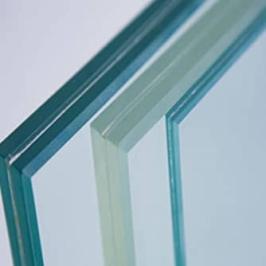
The Radiant Shield: Low-E coatings are microscopically thin, invisible metallic layers applied to the glass. They reflect radiant heat—keeping indoor warmth inside during winter and reflecting solar heat away in summer—without compromising visible light.
Key Performance Metrics: Understanding U-Factor and SHGC
When evaluating IGUs, two industry-standard ratings are essential:
U-Factor: Measures the rate of heat loss. A lower U-Factor indicates better insulating performance. A typical double-pane IGU with Low-E and argon gas can achieve a U-Factor around 0.30 or lower, a drastic improvement over single-pane glass (~1.1).
Solar Heat Gain Coefficient (SHGC): Measures how much solar radiant heatis transmitted through the glass. A lower SHGC is better for hot climates to reduce cooling loads, while a slightly higher SHGC can be beneficial in cold climates for passive solar heating.
Estimating Your Annual Energy Savings
Savings depend on climate, window size, energy costs, and your original windows. A simplified calculation for a 2' x 4' double-hung window illustrates the point:
Single-Pane Baseline: Estimated annual energy cost: $50 - $80.
Modern Double-Pane IGU (Low-E/Argon): Estimated annual energy cost: $20 - $35.
Potential Annual Savings per Window: $30 - $45.
For a home with 20 windows, this translates to $600 - $900 in annual energy savings. While initial costs for quality IGUs are higher, the payback period is typically between 5-10 years, after which the savings translate directly into financial and environmental gains.
Conclusion: An Investment, Not Just an Upgrade
Installing high-performance insulated glass is a strategic home performance upgrade. It reduces your carbon footprint, enhances comfort by eliminating drafts and cold spots, increases property value, and provides decades of utility bill savings. Consult with a certified window professional to get a precise performance analysis for your specific home.