






















The Ultimate Home Upgrade for Noise Reduction, Thermal Insulation, and Energy Efficiency
The Ultimate Home Upgrade for Noise Reduction, Thermal Insulation, and Energy Efficiency
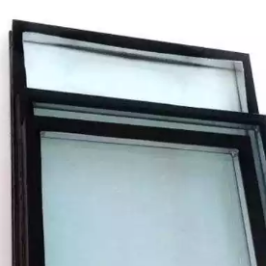
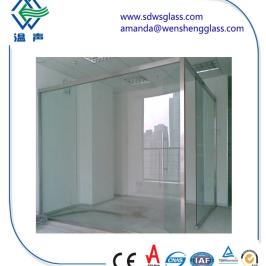
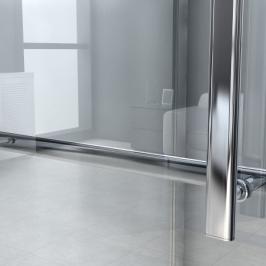
In today's pursuit of higher living standards and building energy efficiency, insulated glass has become the core component of modern windows and doors. It is not just a pane of glass; it is an intelligent building material solution integrating multiple performances. Whether you are renovating a new home, replacing old windows, or simply looking to enhance living comfort, understanding insulated glass is essential.
What is Insulated Glass?
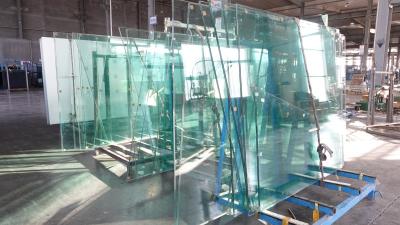
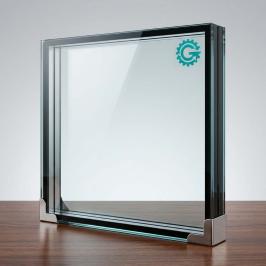
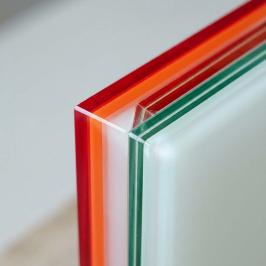
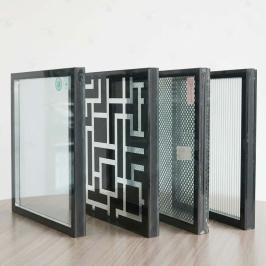
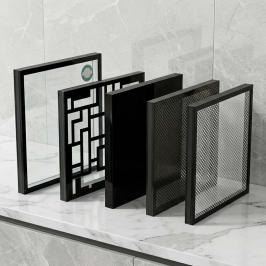
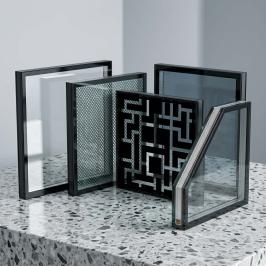
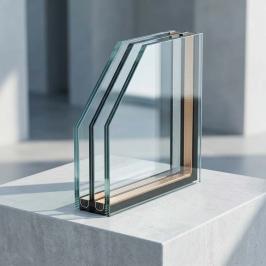
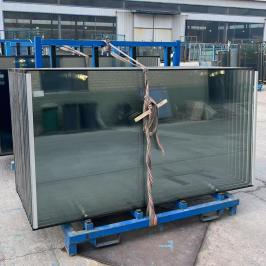
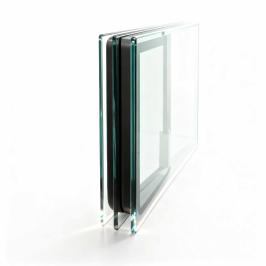
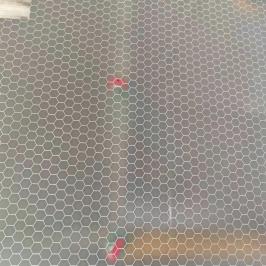
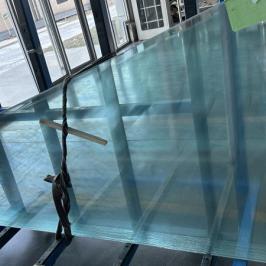
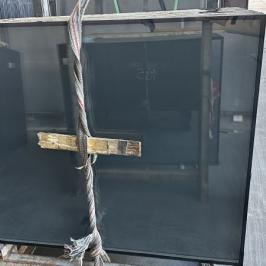
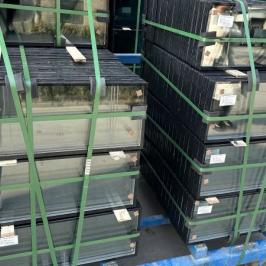
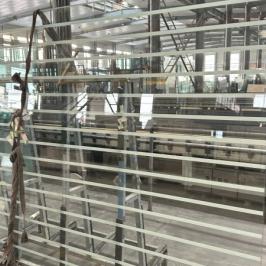
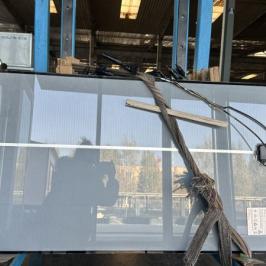
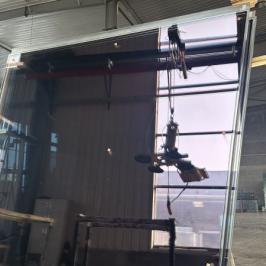
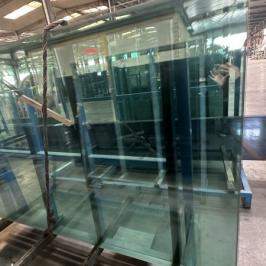
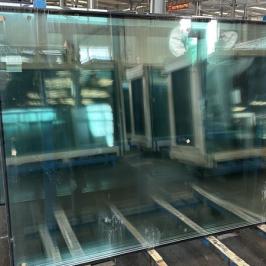
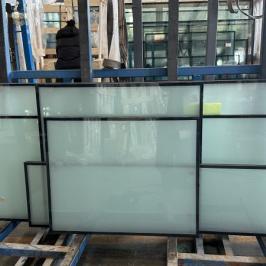
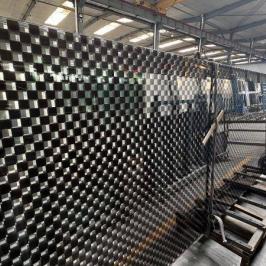
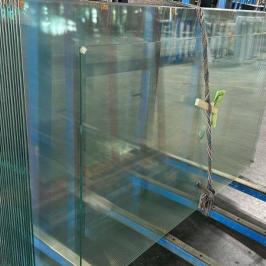
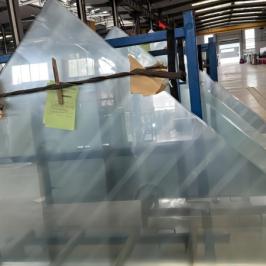
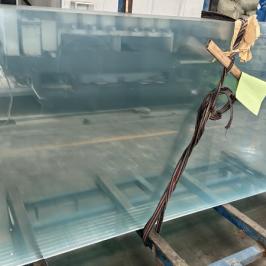
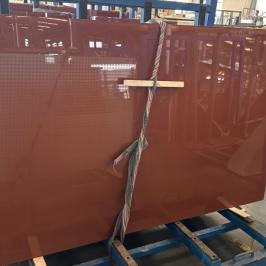
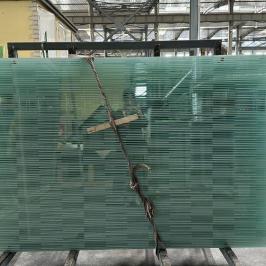
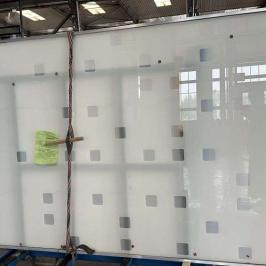
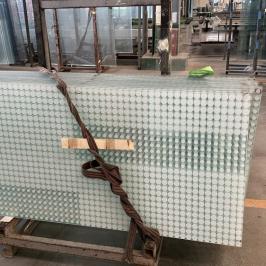
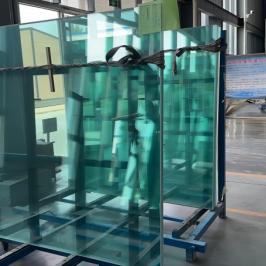
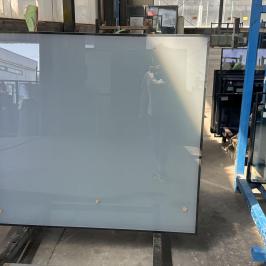
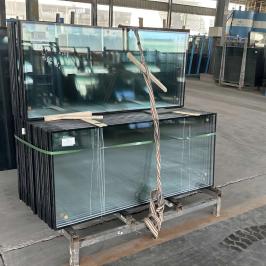
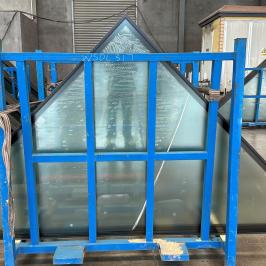
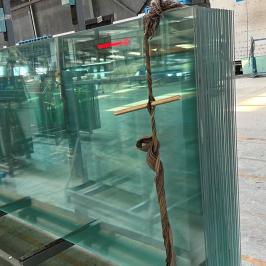
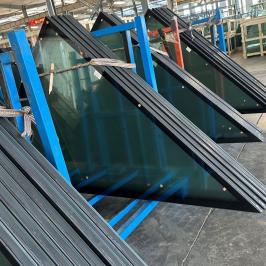
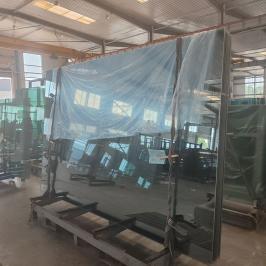
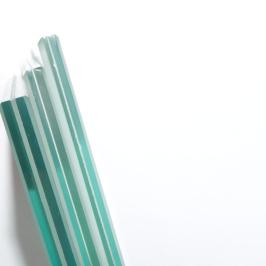
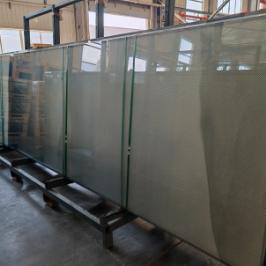
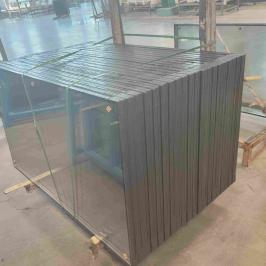
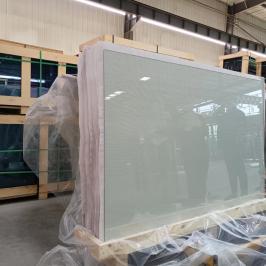
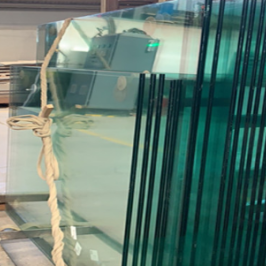
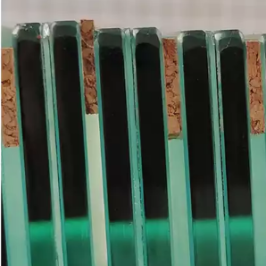
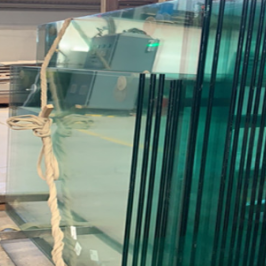
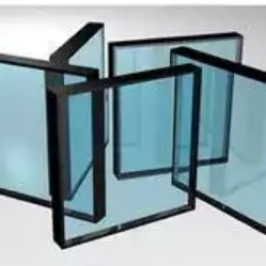
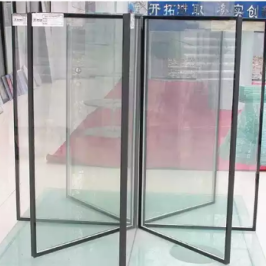
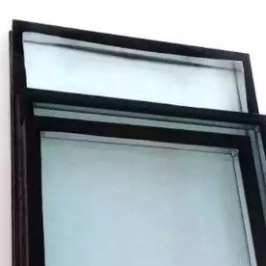
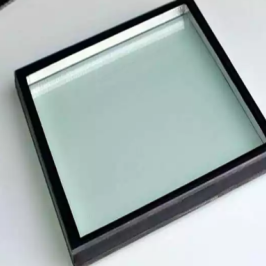
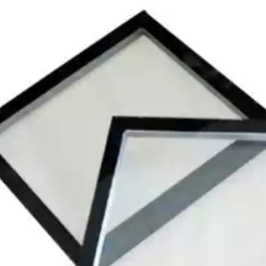
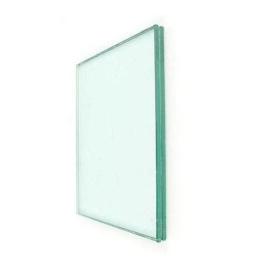
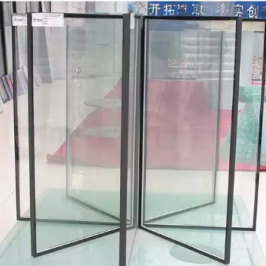
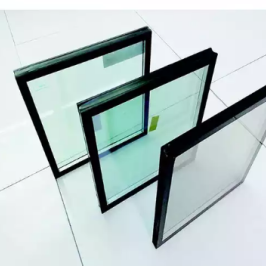
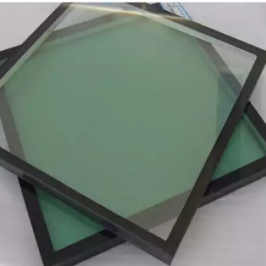
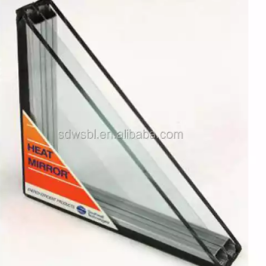
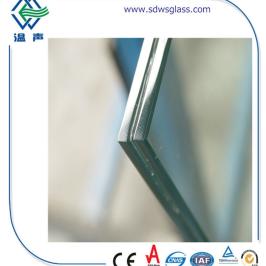
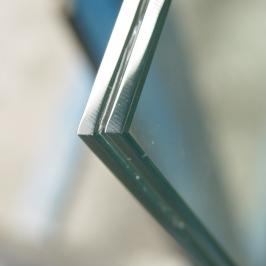
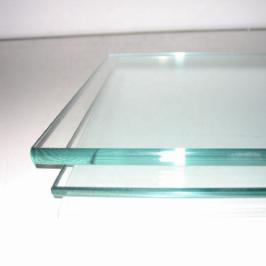
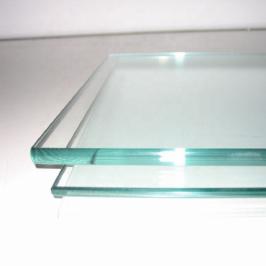
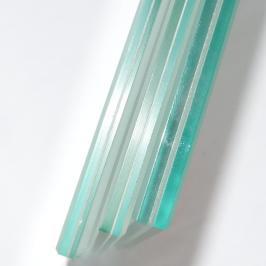
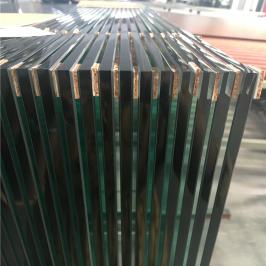
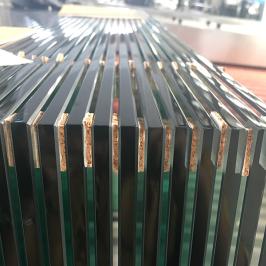
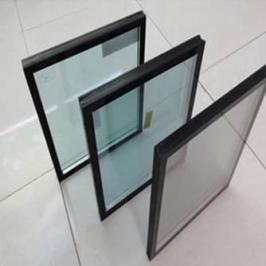
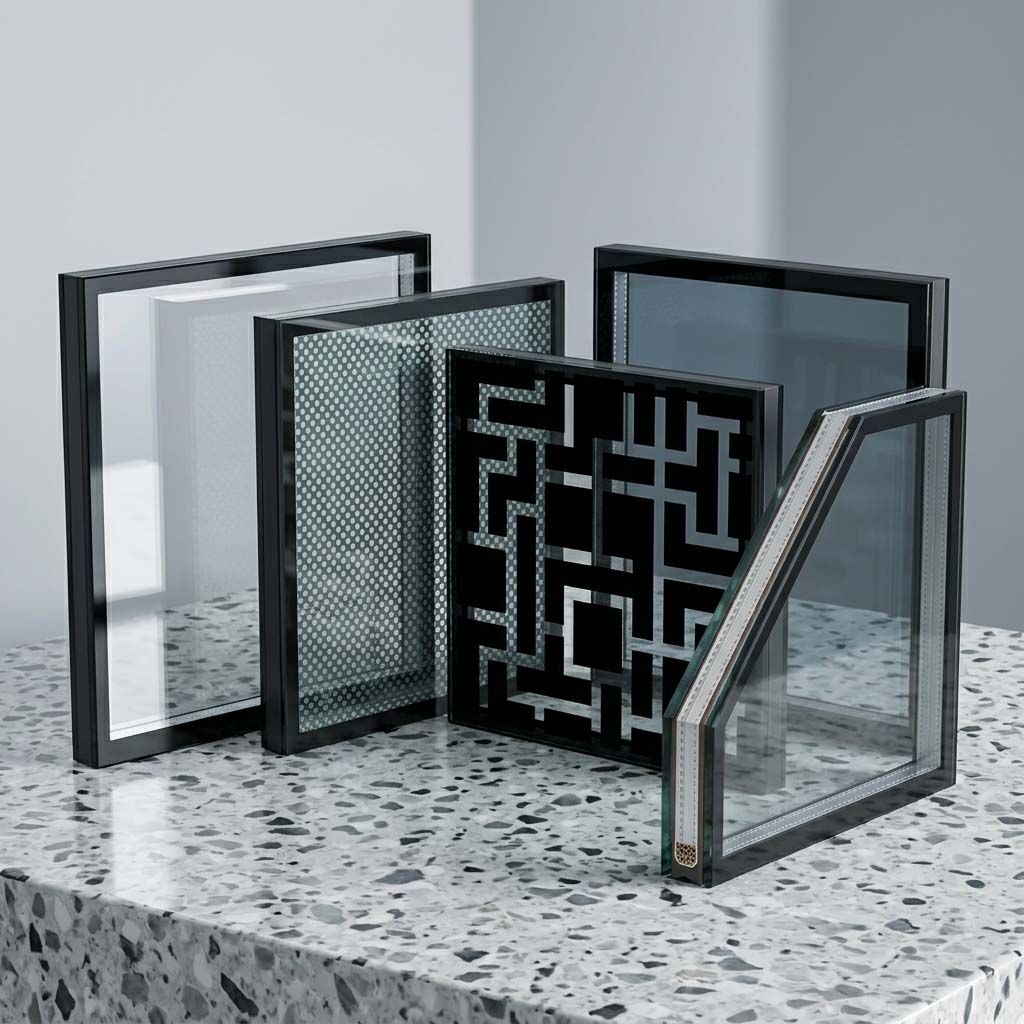
An Insulated Glass Unit (IGU), also known as double glazing, consists of two or more panes of glass sealed together with high-performance sealant and separated by a spacer bar, typically made of aluminum. The space between the panes is filled with dry air or inert gas (such as argon). This sealed air cavity is the secret to its superior performance.
Four Core Advantages of Insulated Glass
1. Excellent Noise Reduction
Urban noise and traffic sounds can significantly disrupt home tranquility. The air gap in insulated glass effectively blocks and dampens sound wave transmission, offering notable reduction for medium to low-frequency noises (like traffic), creating a quiet and comfortable living space.
2. Outstanding Thermal Insulation
It is key to building energy efficiency. In winter, indoor heat is less likely to escape through the glass. In summer, outdoor heat has difficulty entering. This significantly reduces the energy consumption of air conditioning and heating systems, ensuring a cooler summer and warmer winter, leading to substantial savings on utility bills over time.
3. Powerful Anti-Condensation & Moisture Prevention
As the air inside the cavity is dry, the interior glass surface temperature remains closer to the room temperature. This greatly reduces the likelihood of condensation and fogging on the glass interior during cold seasons, maintaining clear views and protecting window frames and walls from moisture damage.
4. Enhanced Safety & Environmental Benefits
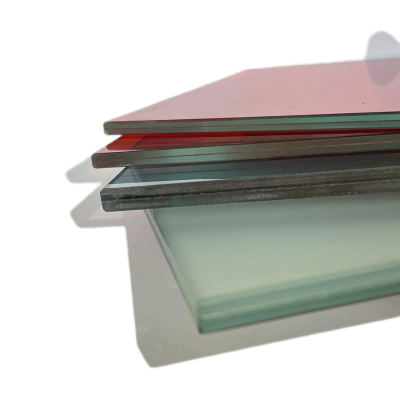
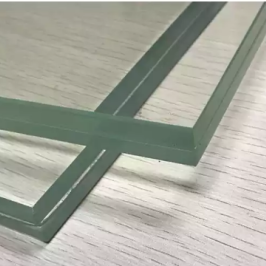
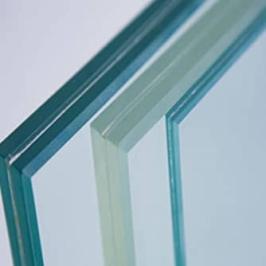
IGUs can be combined with tempered or laminated glass for improved impact resistance and safety. Furthermore, their energy-saving properties directly reduce carbon emissions, making them an eco-friendly, green choice.
How to Choose High-Quality Insulated Glass? Key Points to Consider!
Glass Thickness & Air Gap Width: Common configurations include 5mm+9A+5mm (5mm glass, 9mm aluminum spacer). A wider air gap (e.g., 12mm, 15mm) usually offers better insulation and soundproofing but requires considering the window frame's load capacity.
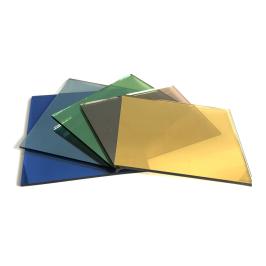
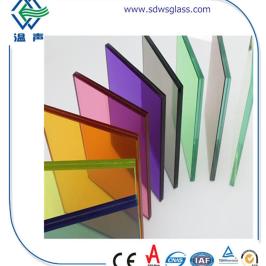
Glass Type: Choose based on needs:
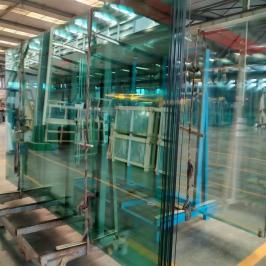
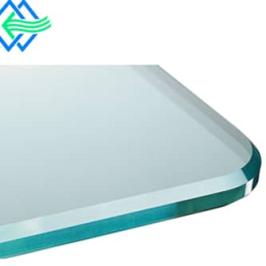
Standard Float Glass: An economical basic option.
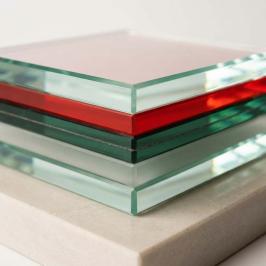
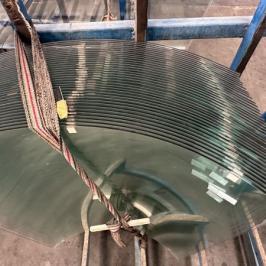
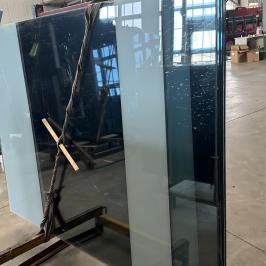
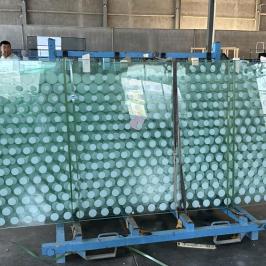
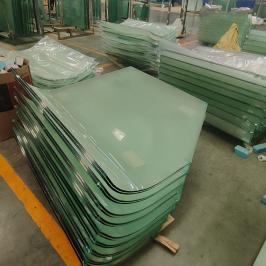
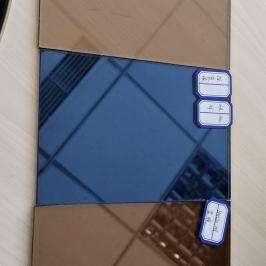
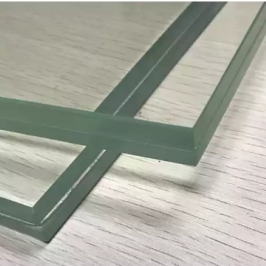
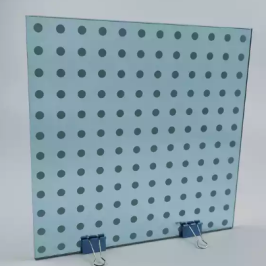
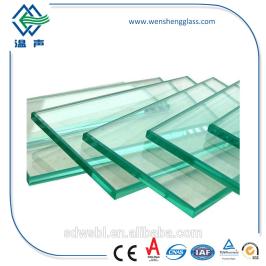
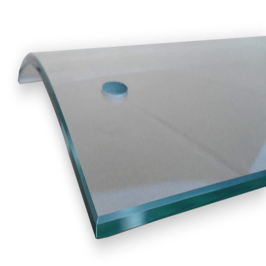
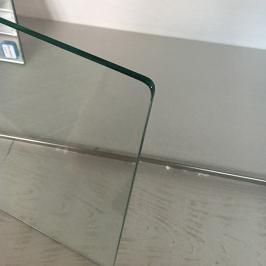
Tempered Glass: Higher safety, shatters into small granular pieces.
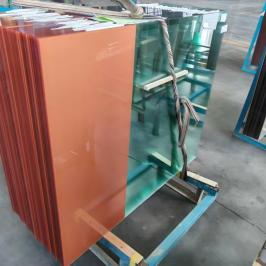
Low-E (Low-Emissivity) Glass: Coated to reflect infrared rays, offering a leap in thermal insulation performance. The top choice for energy saving.
Gas Fill: Filling the cavity with inert gases like argon provides better insulation than dry air.
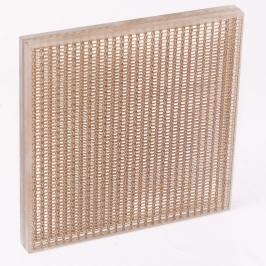
Sealant & Spacer: Using warm-edge spacers (e.g., TPS, stainless steel) can further reduce thermal conduction at the edges, preventing thermal bridging. High-quality butyl sealant and secondary sealant are crucial for ensuring the cavity remains permanently dry and airtight.
Comprehensive Applications of Insulated Glass
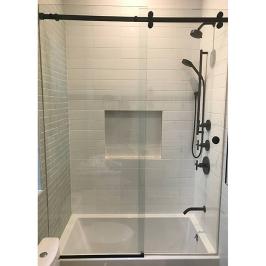
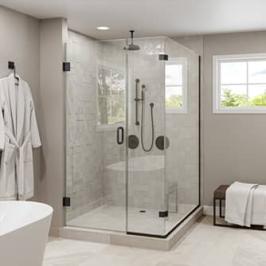
Residential Windows & Doors: For areas requiring quiet and warmth, like balconies, bedrooms, and studies.
Commercial Buildings: For office building curtain walls and hotel windows to reduce operational costs.
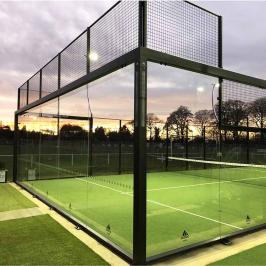
Special Environments: Sunroom roofs, homes near roads or overpasses, and buildings in cold northern regions.