


















What Is Laminated Glass? Structure, Benefits and Applications
What Is Laminated Glass? Structure, Benefits and Applications
What Is Laminated Glass?
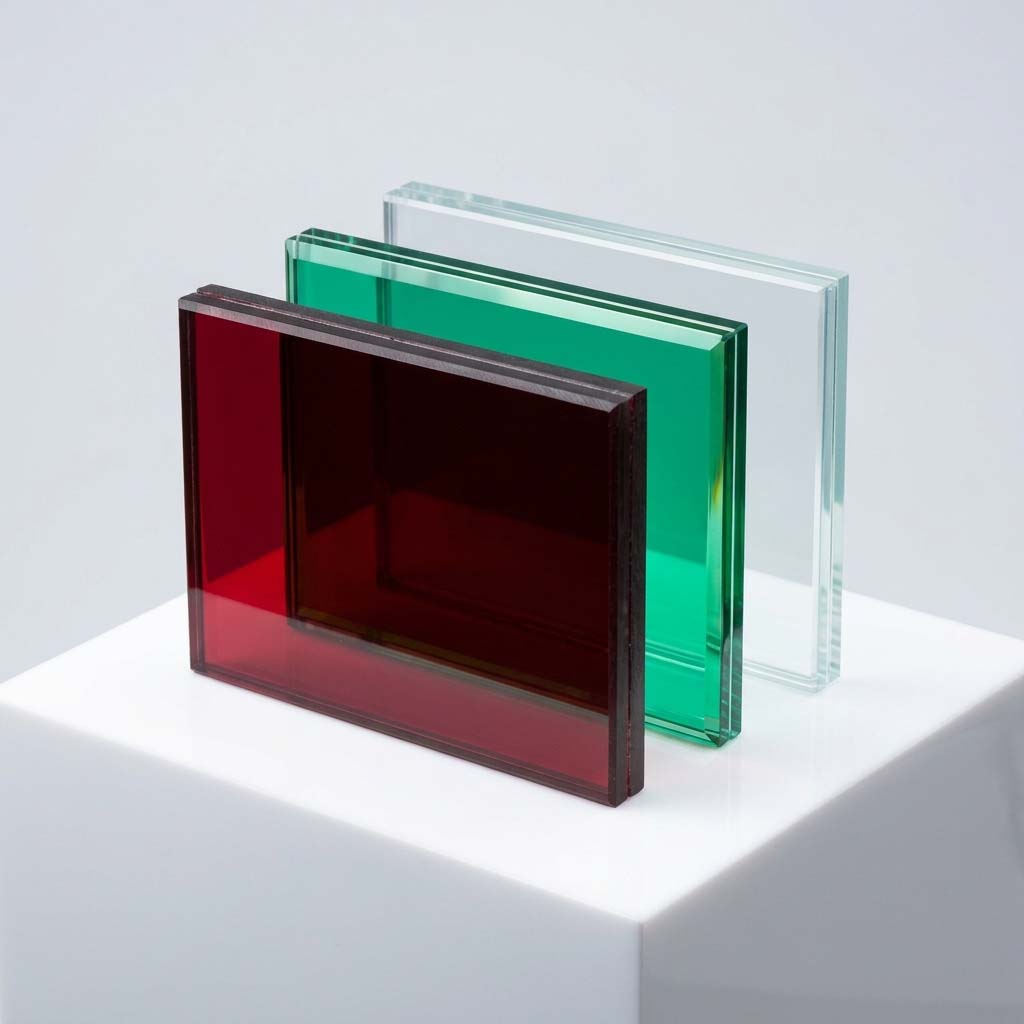
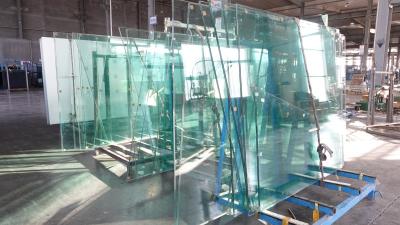
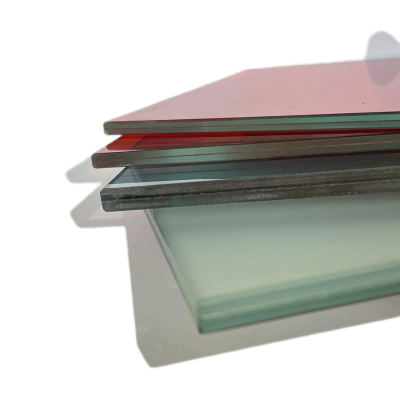
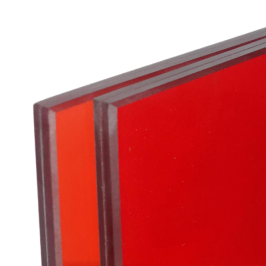
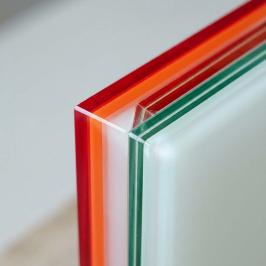
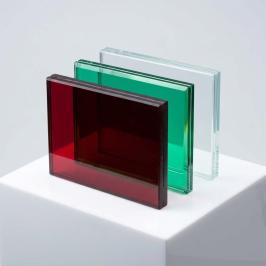
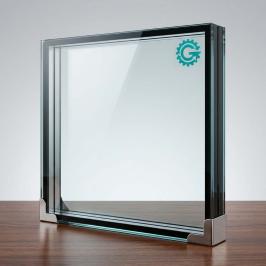
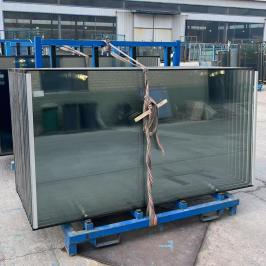
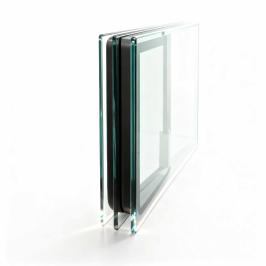
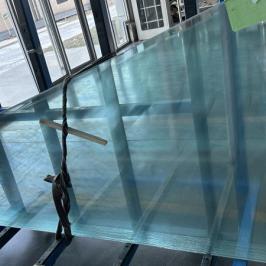
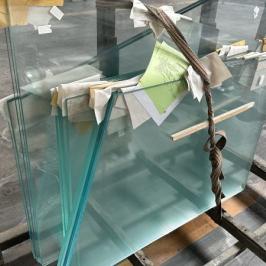
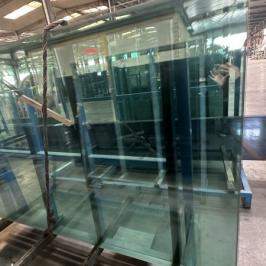
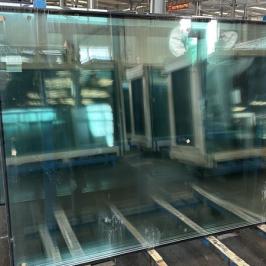
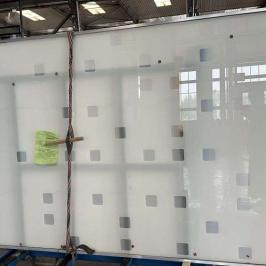
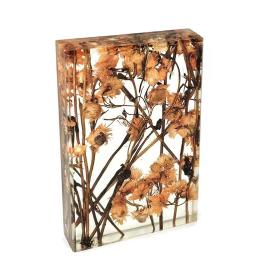
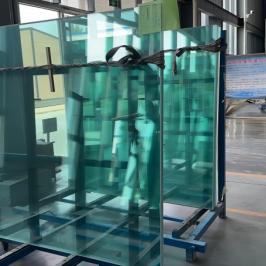
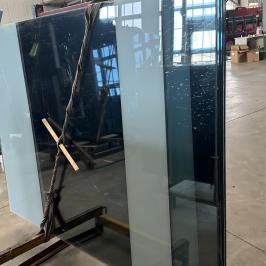
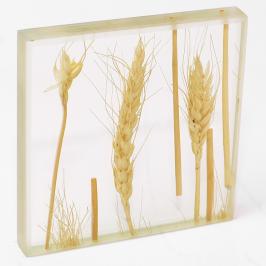
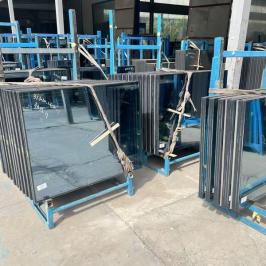
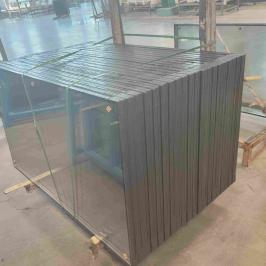
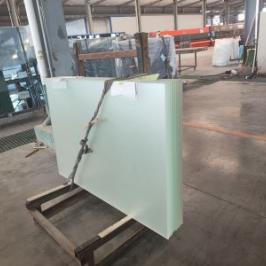
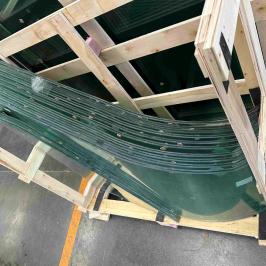
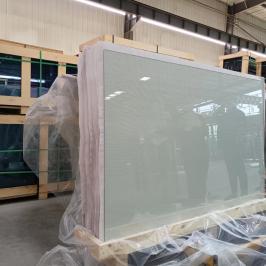
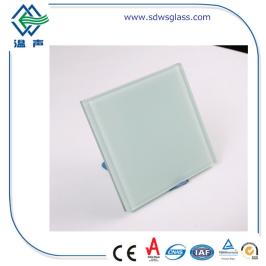
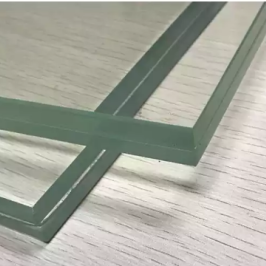
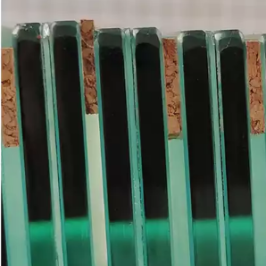
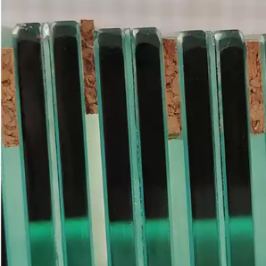
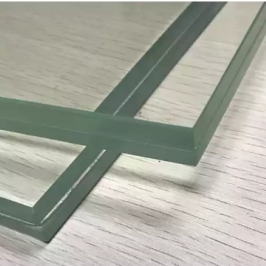
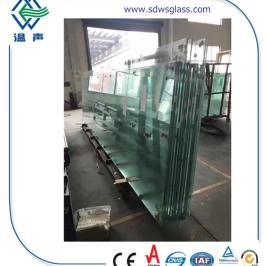
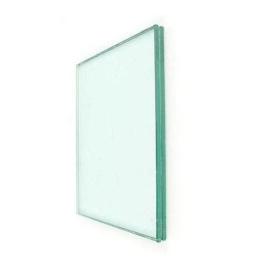
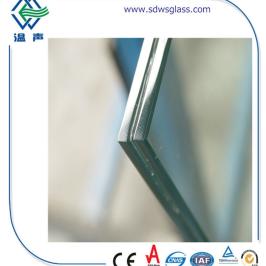
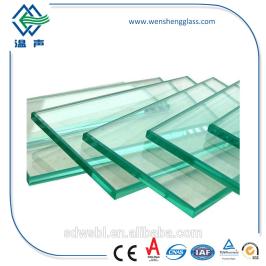
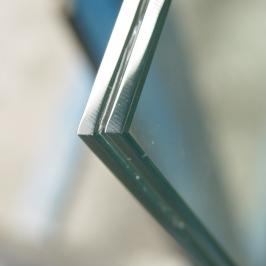
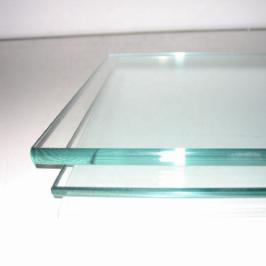
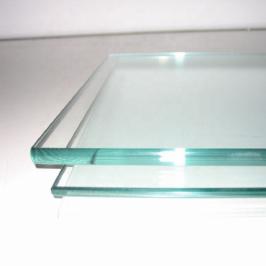
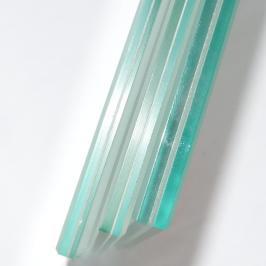
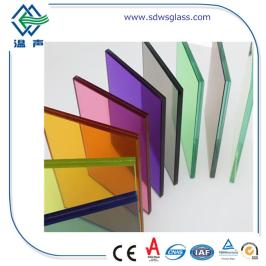
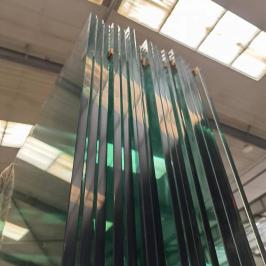
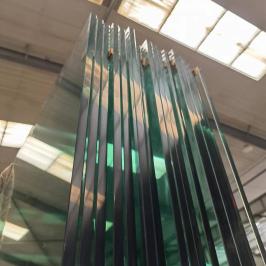
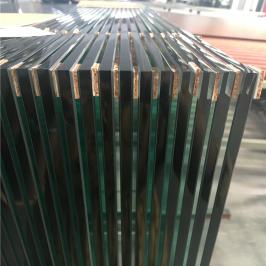
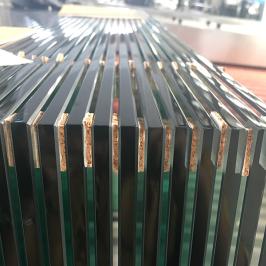
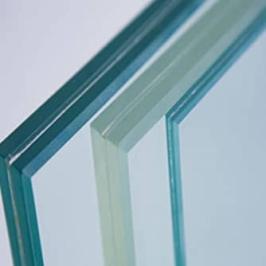
Laminated glass is a type of safety glass made by bonding two or more pieces of glass together with a special interlayer, such as PVB, SGP, or EVA. During production, the glass and interlayer are processed under heat and pressure to create a strong and durable glass panel.
Unlike ordinary glass, laminated glass does not easily fall apart when broken. Even if the glass cracks under impact, the broken pieces remain attached to the interlayer. This helps reduce the risk of injury and makes laminated glass a popular choice for areas where safety is important.
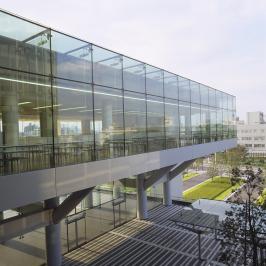
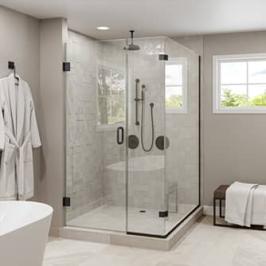
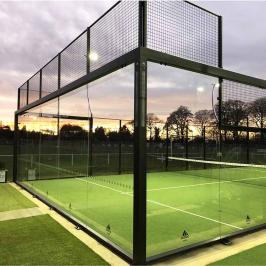
Because of its excellent safety performance, sound insulation, UV protection, and design flexibility, laminated glass is widely used in windows, doors, glass railings, curtain walls, skylights, canopies, partitions, and many other architectural applications.
Basic Structure of Laminated Glass
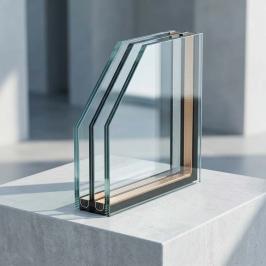
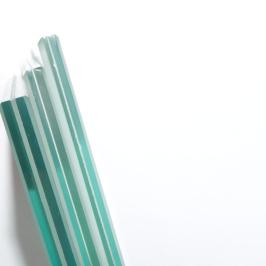
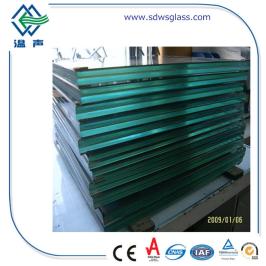
The basic structure of laminated glass is simple:
Glass + Interlayer + Glass
For projects requiring higher strength or better safety performance, laminated glass can also be made with multiple layers:
Glass + Interlayer + Glass + Interlayer + Glass
Common laminated glass combinations include:
5+5 laminated glass
6+6 laminated glass
8+8 laminated glass
10+10 laminated glass
tempered laminated glass
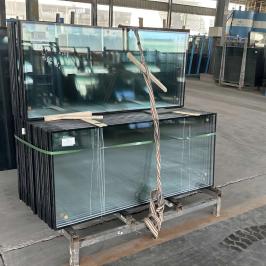
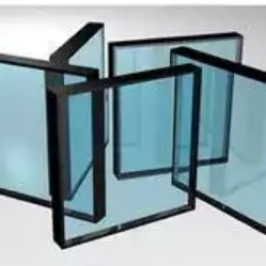
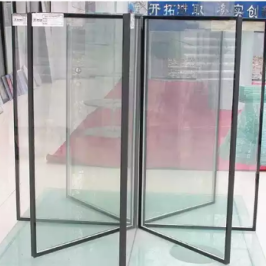
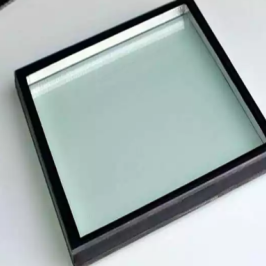
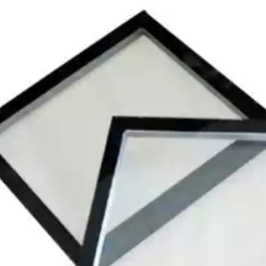
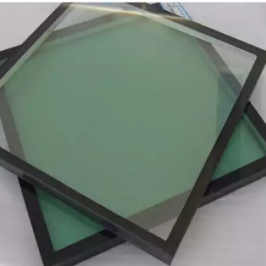
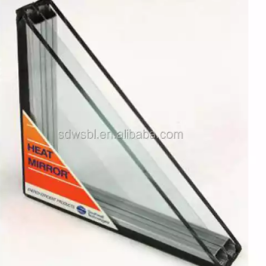
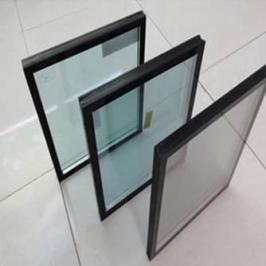
insulated laminated glass
For example, 6+6 laminated glass usually means two pieces of 6mm glass bonded with an interlayer. The final thickness and structure should be selected according to the project requirements, installation position, safety standards, and load-bearing needs.
Main Benefits of Laminated Glass
1. Higher Safety Performance
The biggest advantage of laminated glass is safety. When laminated glass breaks, the glass fragments tend to remain attached to the interlayer instead of scattering. This reduces the risk of injury caused by sharp glass pieces.
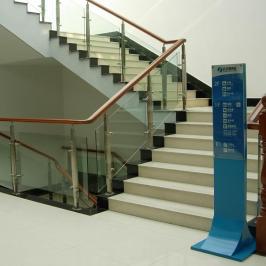
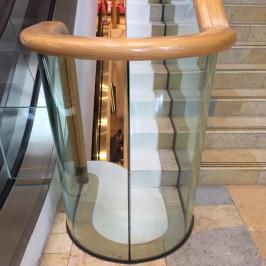
This is why laminated glass is commonly used in glass railings, balconies, staircases, skylights, canopies, curtain walls, and other high-safety areas.
2. Better Sound Insulation
The interlayer inside laminated glass can help reduce sound transmission. Compared with ordinary single glass, laminated glass offers better acoustic performance.
It is a good choice for residential buildings near roads, offices, hotels, schools, and commercial buildings where noise reduction is important.
3. UV Protection
High-quality laminated glass can block part of harmful ultraviolet rays. This helps protect furniture, flooring, curtains, artworks, and interior decorations from fading caused by long-term sunlight exposure.
4. Wide Range of Applications
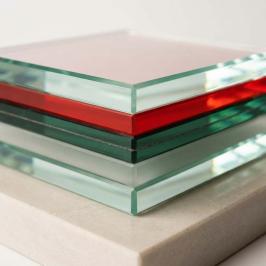
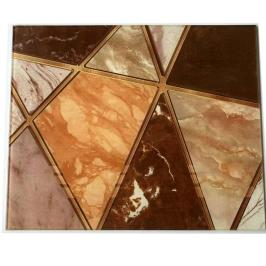
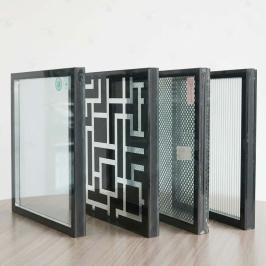
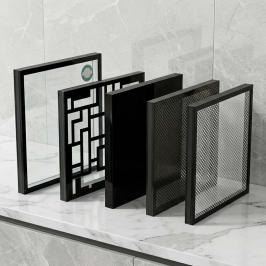
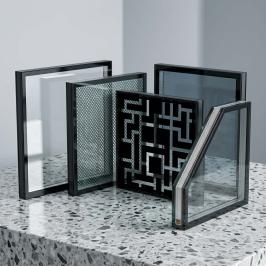
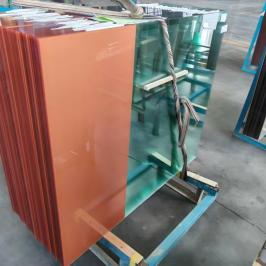
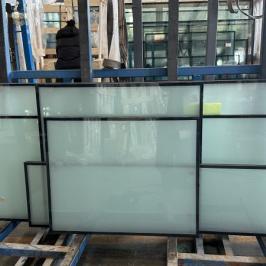
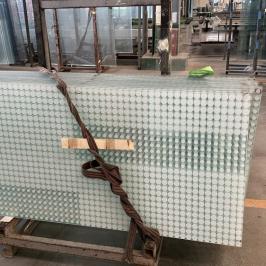
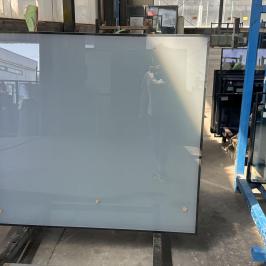
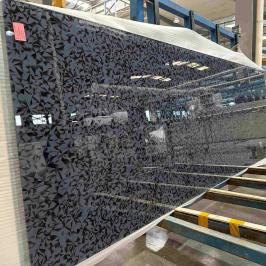
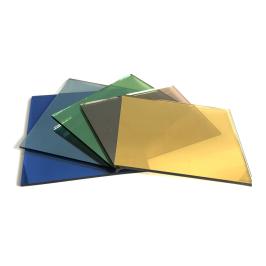
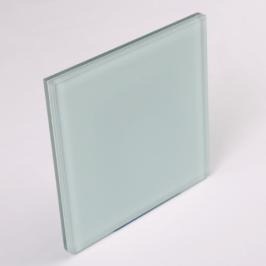
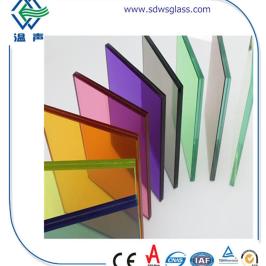
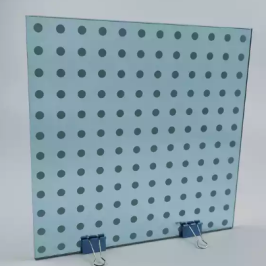
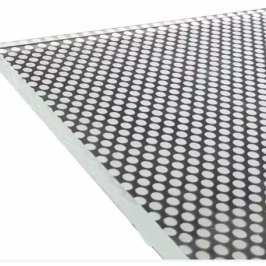
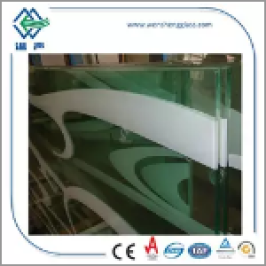
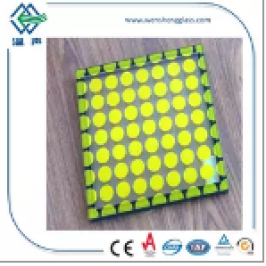
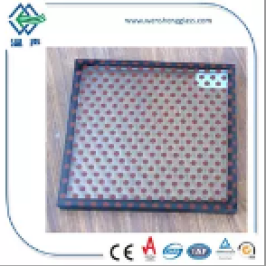
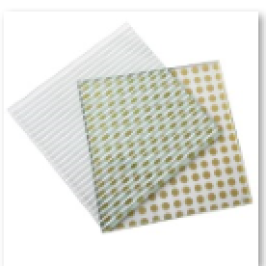
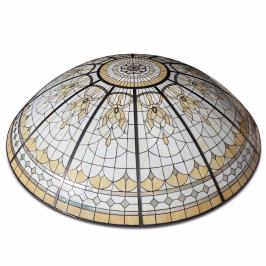
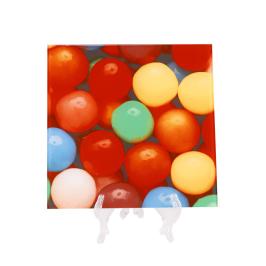
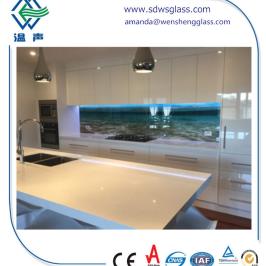
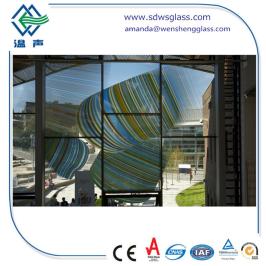
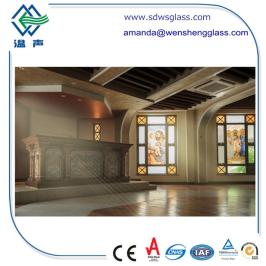
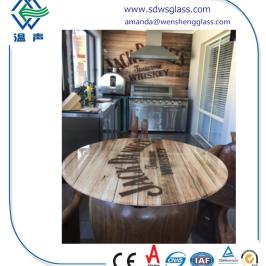
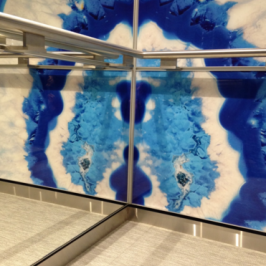
Laminated glass can be used for both exterior and interior projects. It can be combined with clear glass, ultra-clear glass, tinted glass, frosted glass, decorative glass, or patterned glass to achieve different visual effects.
Common Applications of Laminated Glass
Laminated glass is widely used in:
building curtain walls
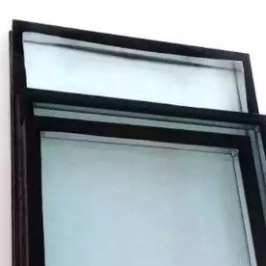
glass windows and doors
balcony railings
staircase glass panels
glass canopies
skylights
sunrooms
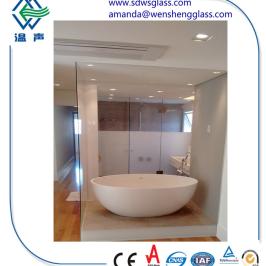
office partitions
shopfronts
hotels and villas
commercial buildings
For areas where people may walk under the glass, or where glass breakage may create a falling risk, laminated glass or tempered laminated glass is usually recommended.
How to Choose Laminated Glass
When selecting laminated glass, price should not be the only consideration. You should also consider:
glass thickness
glass type
interlayer type
installation position
safety requirements
sound insulation requirements
whether tempering is needed
whether insulated glass is required
project budget
For example, regular laminated glass may be enough for an indoor partition. However, for glass railings, skylights, canopies, and curtain walls, tempered laminated glass is usually a better choice.
FAQ
Q1: What is the difference between laminated glass and ordinary glass?
Ordinary glass may break into sharp pieces, while laminated glass remains bonded to the interlayer after breakage, making it safer.
Q2: Can laminated glass be used for balcony railings?
Yes. For balcony railings, tempered laminated glass is usually recommended because it offers both strength and post-breakage safety.
Q3: Is thicker laminated glass always better?
Not always. The correct thickness depends on the installation position, glass size, load requirements, and project standards.
Q4: Is laminated glass suitable for residential projects?
Yes. Laminated glass is commonly used in windows, doors, stair railings, partitions, sunrooms, and other home applications.