





























































Your Essential Guide to Smart Selection, Safe Installation & Easy Maintenance
Your Essential Guide to Smart Selection, Safe Installation & Easy Maintenance
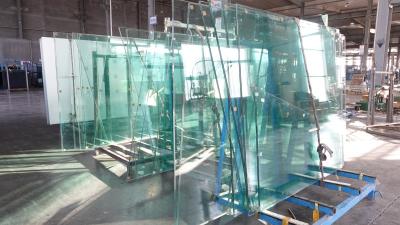
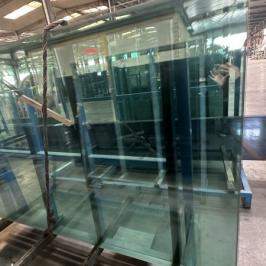
Tempered glass is the undisputed champion of safety glazing, found in everything from smartphone screens to skyscraper facades. But choosing the right type, ensuring its proper installation, and maintaining it for longevity are crucial steps that many overlook. This comprehensive guide dives into the practical aspects of tempered glass, empowering you to make informed decisions for your project.
Part 1: Selecting the Right Tempered Glass for Your Needs
Not all tempered glass is the same. Your choice depends on the application's specific demands for safety, security, privacy, and performance.
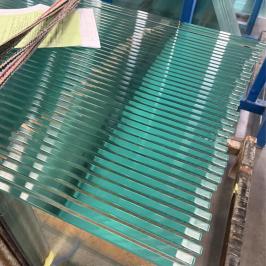
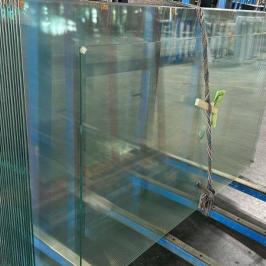
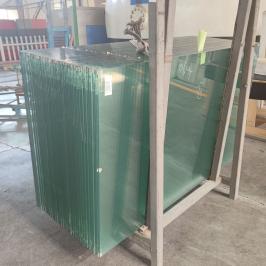
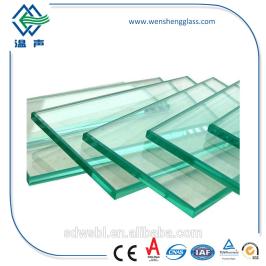
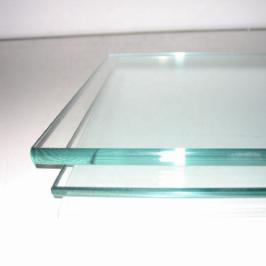
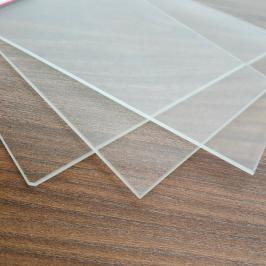
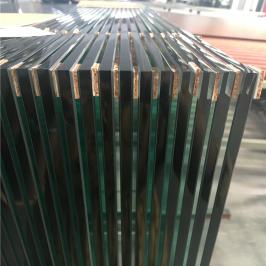
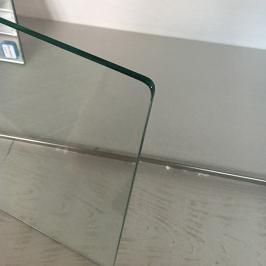
Standard Tempered Glass: Your go-to for basic safety. Ideal for side windows, furniture tops (tables, shelves), and interior doors where the primary need is to prevent injury from breakage.
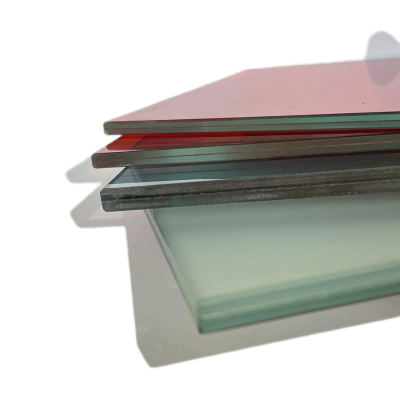
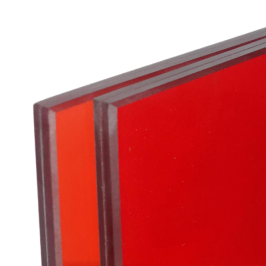
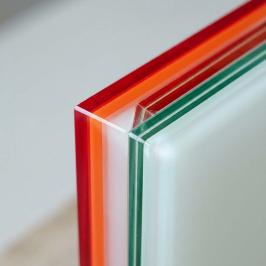
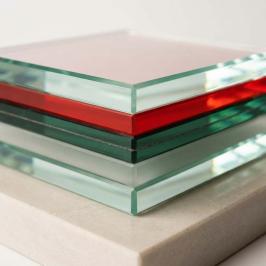
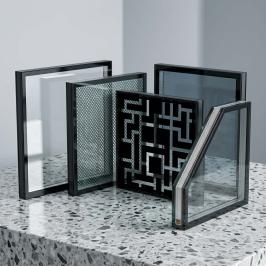
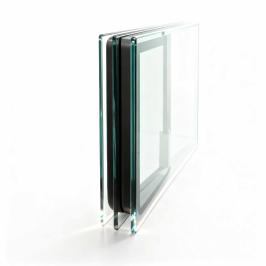
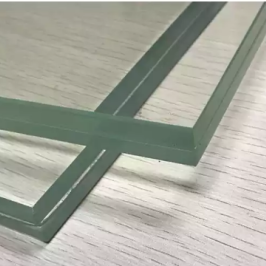
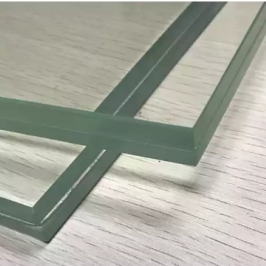
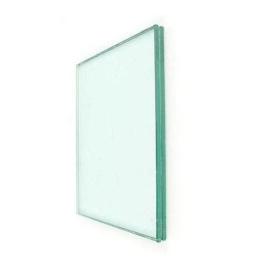
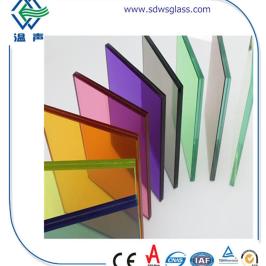
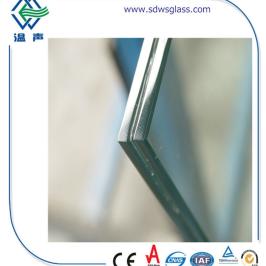
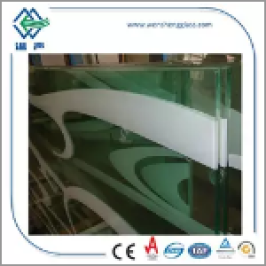
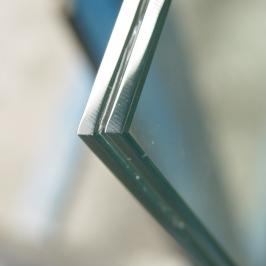
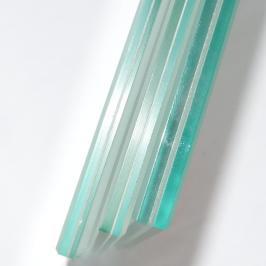
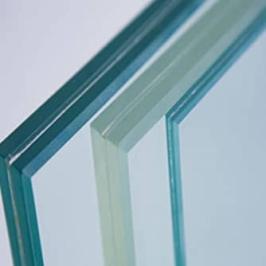
Tempered Laminated Glass: For enhanced security and sound control. This consists of two or more layers of glass (at least one being tempered) bonded with a durable interlayer (like PVB or SGP). When broken, the interlayer holds the glass fragments, preventing penetration and collapse. Best for: Storefronts, balcony doors, skylights, sound-sensitive areas, and security windows. It also provides excellent UV protection.
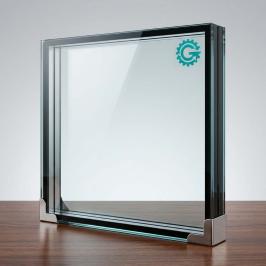
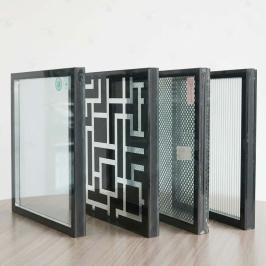
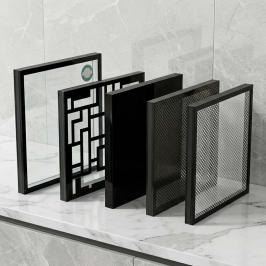
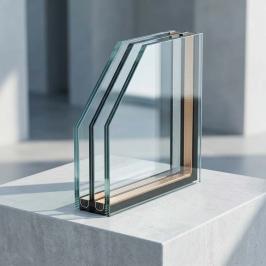
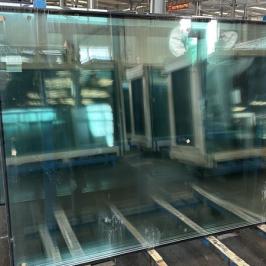
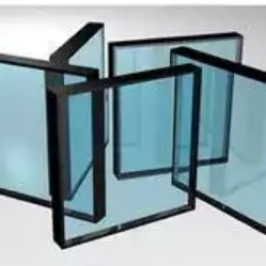
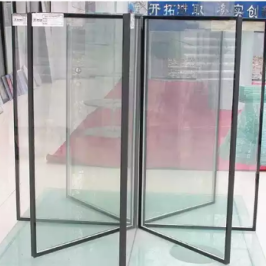
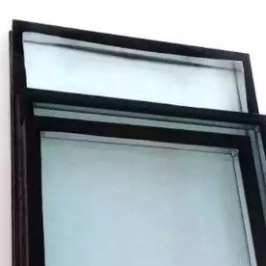
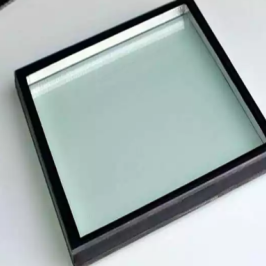
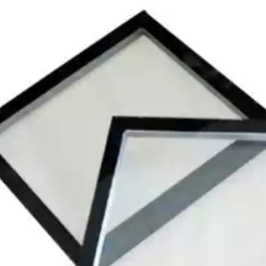
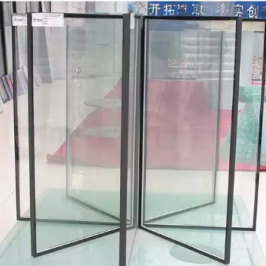
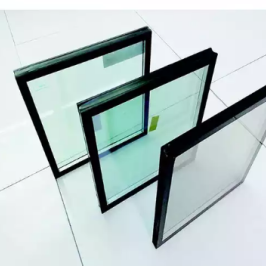
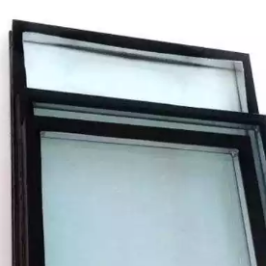
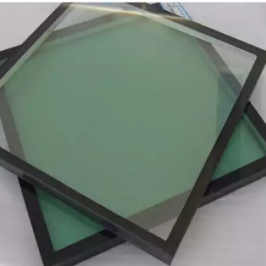
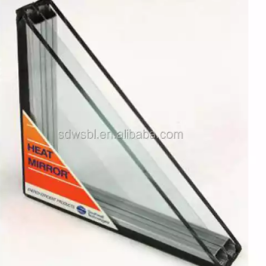
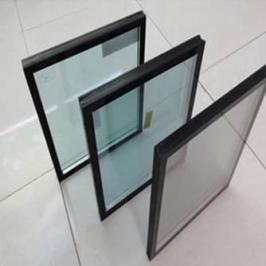
Tempered Insulated Glass (IGU): For superior energy efficiency. A unit comprising two or three panes of glass (often tempered for safety) separated by a spacer and sealed to create an insulating air or gas-filled (argon, krypton) space. Best for: Exterior windows and doors to drastically improve thermal insulation, reduce energy costs, and minimize condensation.
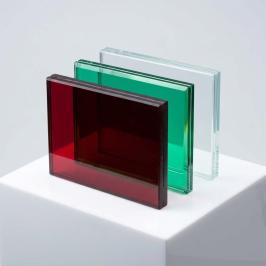
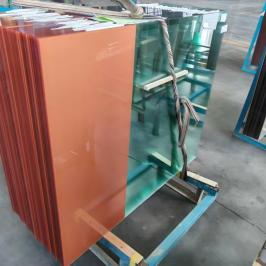
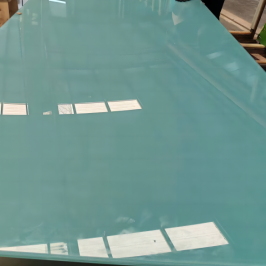
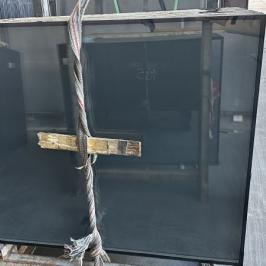
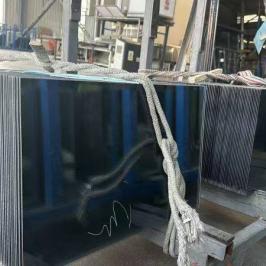
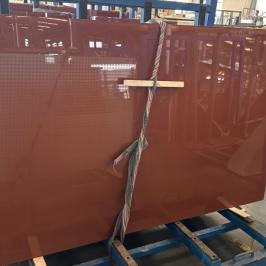
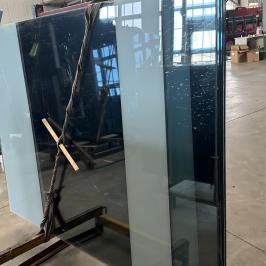
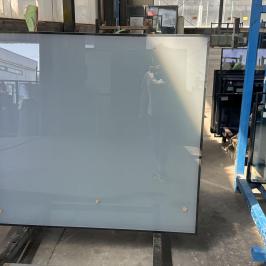
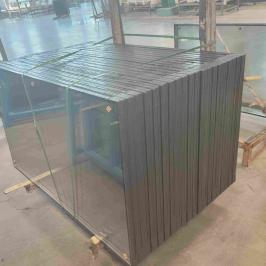
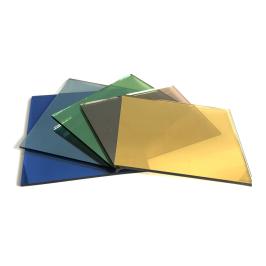
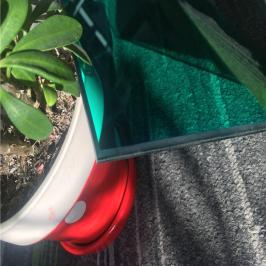
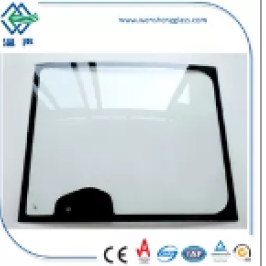
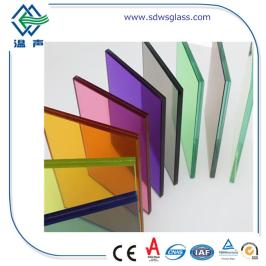
Tinted or Coated Tempered Glass: For solar control and aesthetics. The glass is tinted during manufacturing or coated with a low-emissivity (Low-E) layer to reflect heat. Tempering is done after coating. Best for: Large windows, glass facades, and sunrooms to reduce glare and heat gain while maintaining visibility.
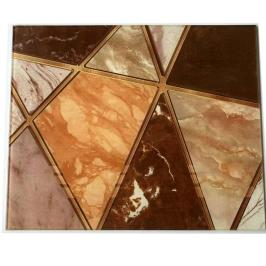
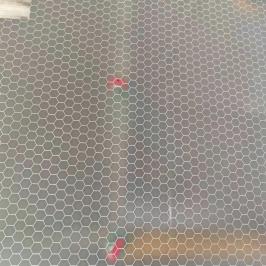
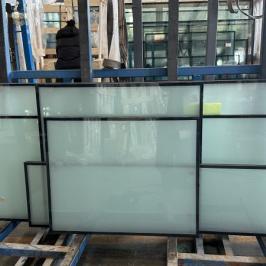
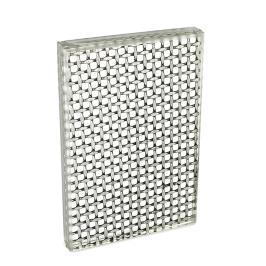
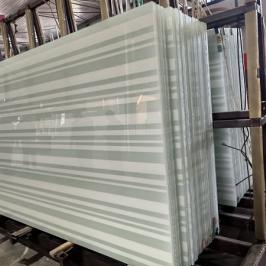
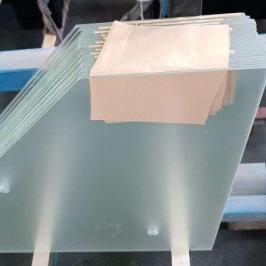
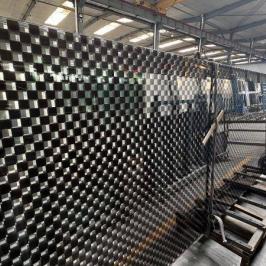
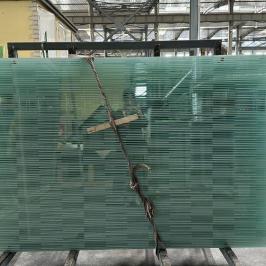
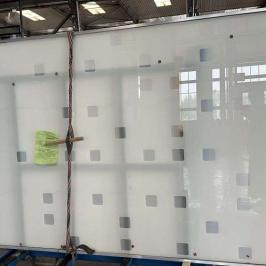
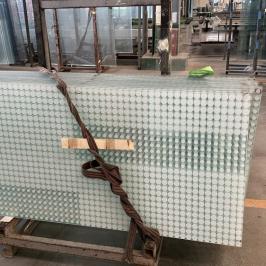
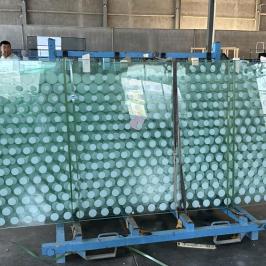
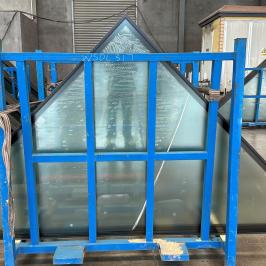
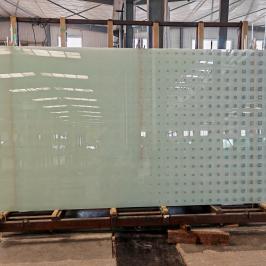
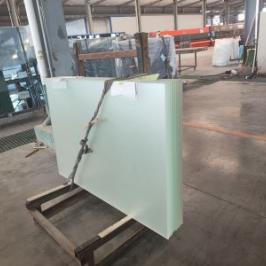
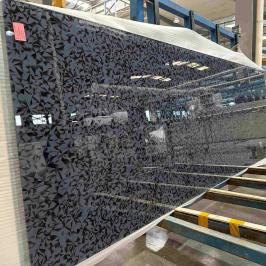
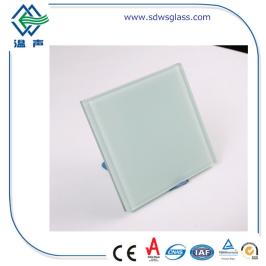
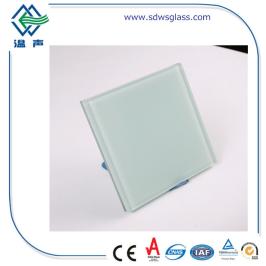
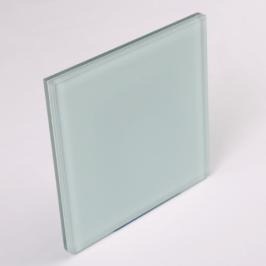
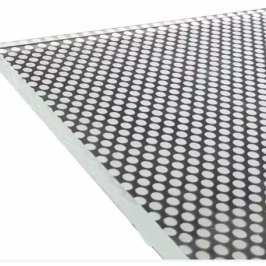
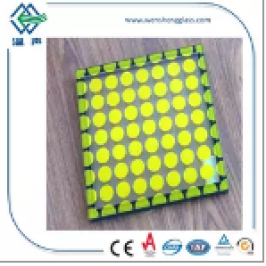
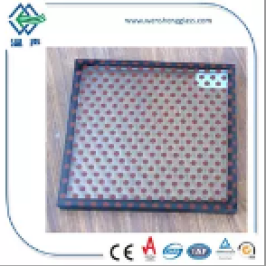
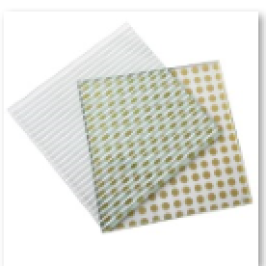
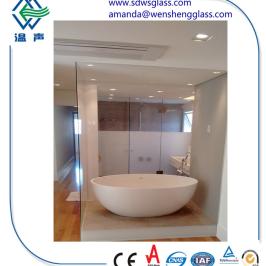
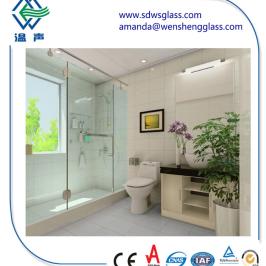
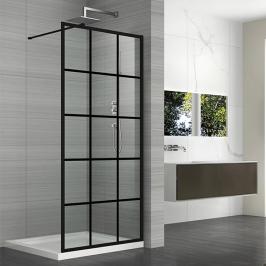
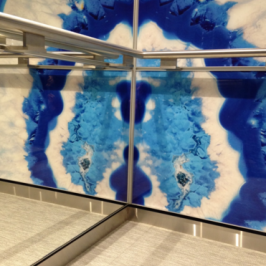
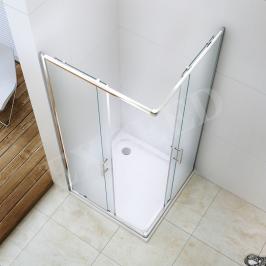
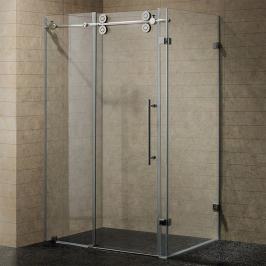
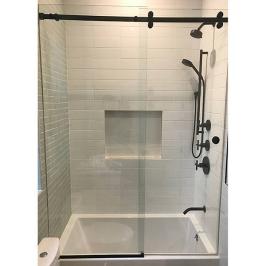
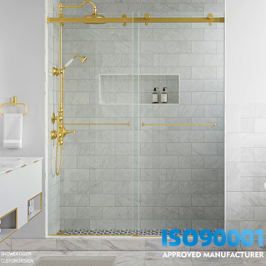
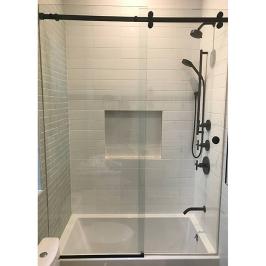
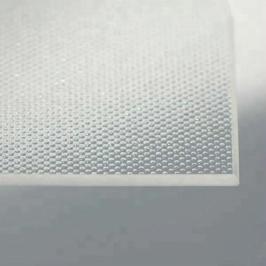
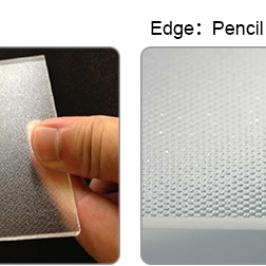
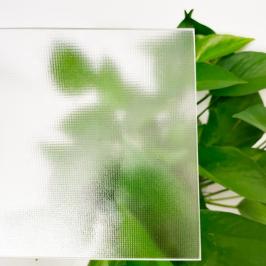
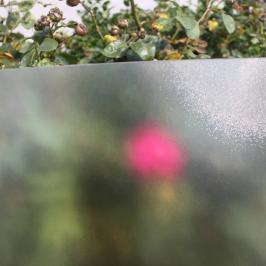
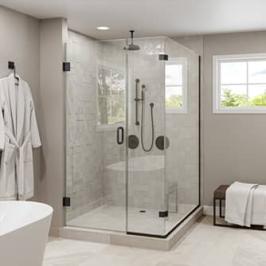
Patterned or Textured Tempered Glass: For privacy with light diffusion. The glass features a decorative pattern on one surface. It is tempered to provide safety while obscuring clear views. Best for: Bathroom windows, shower enclosures, and room dividers.
Key Selection Checklist:
Application & Location: (Shower door? Balcony railing? Storefront?)
Required Safety Level: (Basic injury prevention? Forced-entry resistance?)
Performance Needs: (Thermal insulation? Sound reduction? UV blocking?)
Local Building Codes: (Mandate laminated glass for certain heights/areas?)


Part 2: The Critical Role of Professional Installation
Even the highest-quality tempered glass will underperform or fail if installed incorrectly. Proper installation ensures safety, functionality, and durability.
Expert Measurement is Paramount: The frame or opening must be precisely measured. Tempered glass cannot be cut or modified on-site. Any error in measurement requires a completely new piece, leading to cost and delays.
Proper Framing and Support: The framing system (u-channel, clamps, structural silicone) must be designed to handle the weight and thickness of the glass, allowing for thermal expansion and structural movement without creating pressure points that could cause breakage.
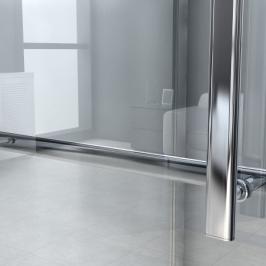
Use of Correct Hardware and Gaskets: Only use fittings, hinges, and seals recommended by the glass or system manufacturer. Plastic or rubber gaskets prevent direct metal-to-glass contact, cushion the glass, and ensure a weatherproof seal.
Stress-Free Mounting: Installers must ensure the glass sits evenly in the channel without being forced, twisted, or under undue stress. Uneven pressure is a common cause of spontaneous breakage post-installation.
Warning Sign: If you hear constant creaking or cracking sounds from the glass after installation, it may be under stress. Consult your installer immediately.
Part 3: Easy Maintenance for Long-Lasting Clarity and Safety
Tempered glass is easy to care for, but a few simple rules will keep it pristine and safe for years.
Cleaning: Use a soft, lint-free cloth or squeegee with a mild soapy water solution or a dedicated glass cleaner. Avoid abrasive pads, scouring powders, or razor blades, which can scratch the surface.
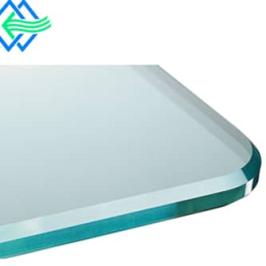
Handle with Care: While the glass itself is strong, impacts on the edges and corners—its weakest points—can cause failure. Be cautious when moving furniture or objects near the edges of a glass table or door.
Avoid Harsh Chemicals: Steer clear of acidic or alkaline cleaners (like some heavy-duty kitchen or bathroom cleaners) that can corrode the glass surface or degrade seals and hardware over time. For shower glass, a daily squeegee-down and occasional use of a vinegar solution can prevent hard water stains.
Inspect Seals and Hardware: Periodically check the condition of the rubber gaskets around glass doors or windows. Replace them if they become brittle or cracked to maintain stability and waterproofing. Tighten any loose handles or hinges.