




















The Engine of Energy Efficiency for Modern Buildings
The Engine of Energy Efficiency for Modern Buildings
In an era of rising energy costs and growing demand for occupant comfort, Insulated Glass Units (IGUs), commonly known as double or triple glazing, have evolved from a premium feature to the standard for high-performance windows and facades. More than just multiple panes of glass, an IGU is a precisely engineered system that dramatically impacts a building's energy consumption, acoustic comfort, and environmental footprint. This guide delves into how IGUs work, their undeniable benefits, and how to specify the right unit for your project.
How Does an Insulated Glass Unit Work? The Science of Performance
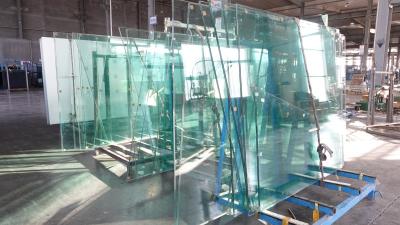
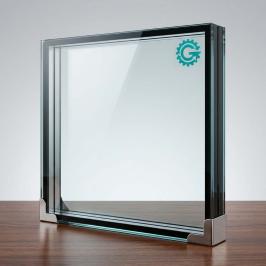
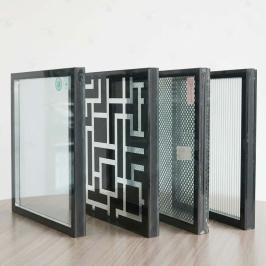
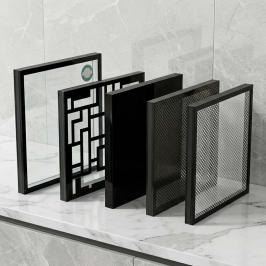
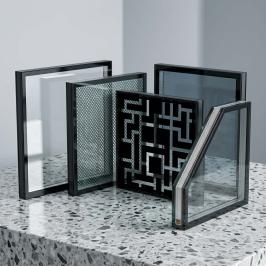
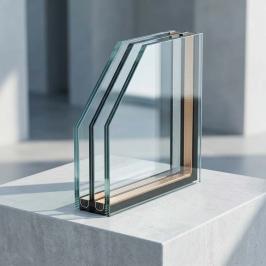
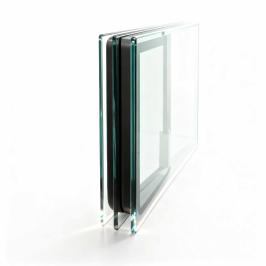
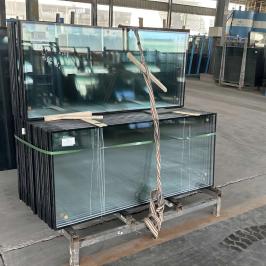
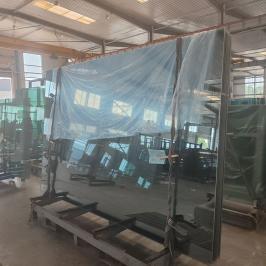
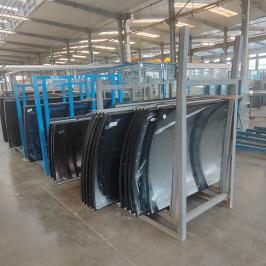
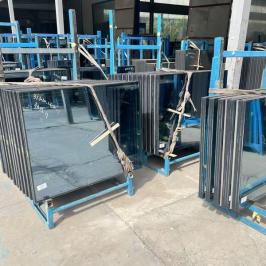
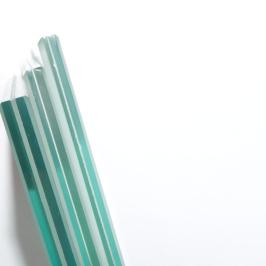
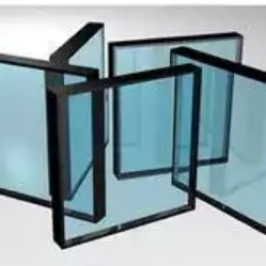
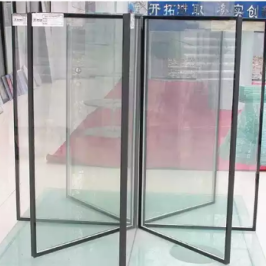
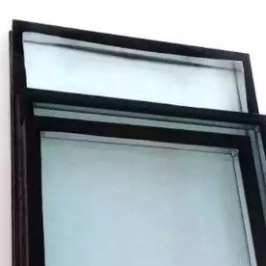
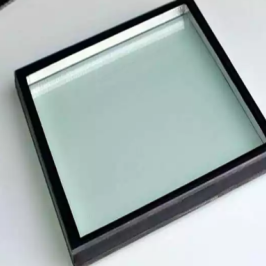
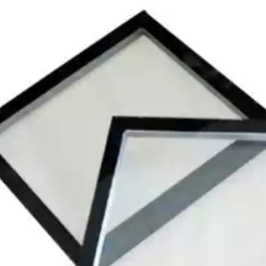
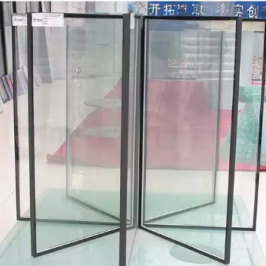
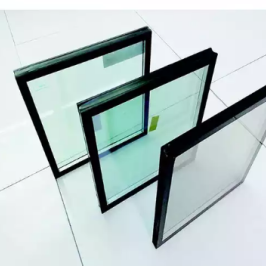
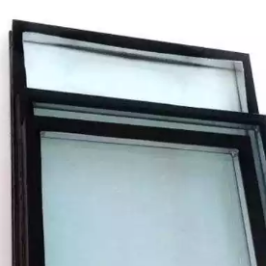
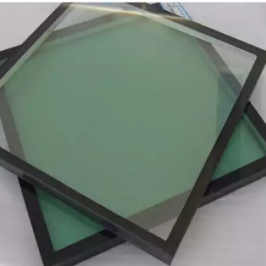
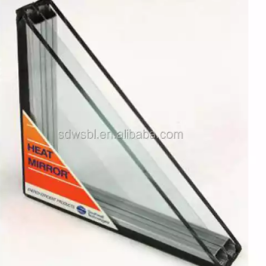
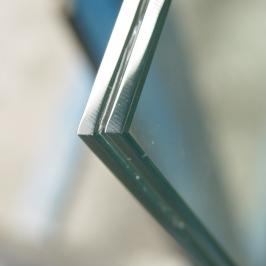
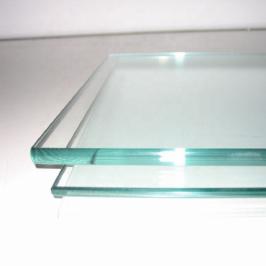
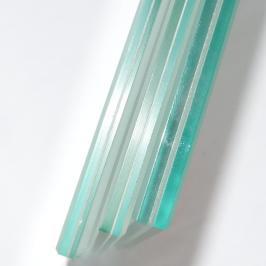
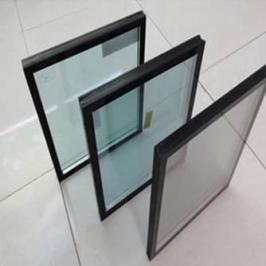
An Insulated Glass Unit is a sealed assembly of two or more glass panes separated by a spacer bar around the edges. The cavity between the panes is filled with dry air or an inert gas (like Argon or Krypton) and hermetically sealed.
Its superior performance stems from this multi-faceted design:
The Gas Fill Insulates: The gas in the cavity is a poor conductor of heat, creating a powerful thermal barrier that reduces heat transfer caused by temperature differences between inside and outside.
Low-E Coating Reflects Heat: Often, the interior glass surfaces are coated with a microscopically thin, transparent Low-Emissivity (Low-E) metal or oxide layer. This coating acts like a selective mirror, reflecting long-wave infrared heat radiation back toward its source—keeping heat inside in winter and outside in summer.
Desiccant Prevents Condensation: The spacer bar contains a desiccant (drying agent) that absorbs any residual moisture trapped during manufacturing and any minor seepage over time, ensuring the cavity remains clear and fog-free.
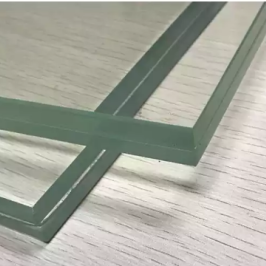
Multiple Barriers Block Sound: The combination of different glass thicknesses, the air/gas gap, and the sealed space creates multiple barriers to sound waves, effectively damping noise transmission, especially when using laminated glass as one pane.


Core Benefits: Beyond Single Pane Windows
Superior Thermal Insulation & Energy Savings: This is the primary benefit. IGUs significantly reduce heat loss in winter and heat gain in summer. By minimizing the load on HVAC systems, they can cut energy costs by 20-30% or more, offering a strong return on investment and reducing carbon emissions.
Enhanced Acoustic Comfort: Effective at reducing noise pollution (typically by 30-40 dB), IGUs create a quieter, more peaceful indoor environment, which is crucial for buildings in urban or high-noise areas.
Elimination of Interior Condensation: Because the inner glass pane stays closer to room temperature, the surface is less likely to reach the dew point, thereby minimizing or eliminating condensation on windows during cold weather. This protects window frames, walls, and improves indoor air quality.
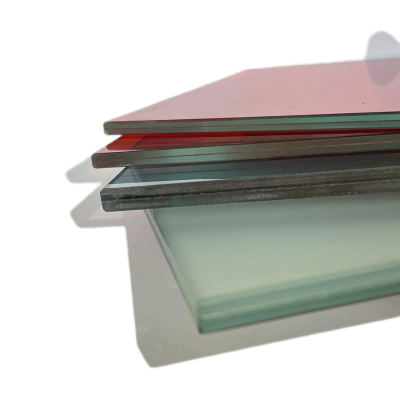
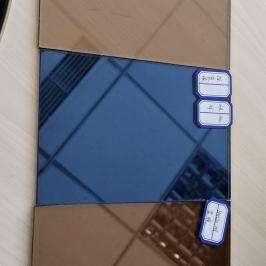
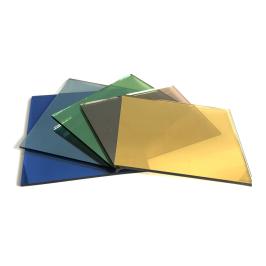
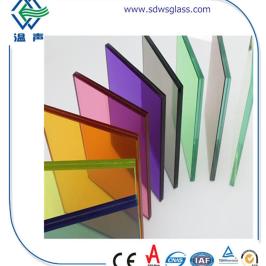
Functional Versatility: By combining different types of glass—such as tempered for safety, laminated for security/sound, or tinted for solar control—IGUs can be customized to meet a wide range of architectural, safety, and aesthetic needs.
A Specifier's Guide: Key Components of a High-Performance IGU
Choosing an IGU isn't just about thickness; it's about specifying each component for optimal performance.
Key Component | Options & Performance Impact |
|---|---|
Number of Panes & Cavities | Double Glazing (2 panes, 1 cavity): Standard for most applications. Triple Glazing (3 panes, 2 cavities): Offers maximum thermal and acoustic performance, ideal for cold climates or high-noise areas. |
Glass Types | Clear Float Glass: The base. Tempered/Toughened: For safety. Laminated: For security, sound, and safety. Low-E Coated: Essential for energy efficiency. Different types (solar control vs. passive) are chosen based on climate. |
Gas Fill | Dry Air: Standard, basic performance. Argon Gas: The most common upgrade. A denser, less conductive gas than air, improving thermal insulation by about 10-15%. Colorless, odorless, and non-toxic. Krypton Gas: Used in thinner profiles or triple glazing for even higher performance (more efficient but more expensive). |
Spacer Bar | Aluminum Spacer (Cold Edge): Traditional, conductive, can create a "thermal bridge" leading to edge condensation. Warm Edge Spacer: Made from less conductive materials like stainless steel, composite, or thermoplastic. Crucially reduces heat loss at the edge, improves overall U-value, and raises the temperature of the glass edge to prevent condensation. |
Sealant System | A robust dual-seal (typically polyisobutylene primary seal and silicone or polysulfide secondary seal) is critical for long-term durability, preventing gas leakage and moisture ingress over the unit's lifespan. |
Critical Performance Metrics: Understanding the Labels
When selecting IGUs, pay attention to these key ratings:
U-value (U-factor): Measures the rate of heat loss. Lower is better. A double-glazed IGU with Low-E and Argon can achieve a U-value of ~1.1-1.4 W/m²K, while triple glazing can go below 0.7.
Solar Heat Gain Coefficient (SHGC): Measures how much solar radiation is transmitted. Lower SHGC reduces cooling loads in hot climates; higher SHGC can be desirable in cold climates to capture passive solar heat.
Visible Light Transmittance (VLT): Measures the amount of visible light that passes through. Balances daylighting with solar control.
Sound Transmission Class (STC): Rates acoustic performance. Higher is better for noise reduction.
Applications: Where IGUs Are Essential
Commercial & Residential Windows & Doors
Curtain Wall and Structural Glazing Systems
Skylights and Roof Glazing
Retrofit Projects (replacing old single-pane windows)
Noise-sensitive buildings (hospitals, schools, offices near airports)
Historic Building Renovation (where appearance is preserved but performance is upgraded)
Conclusion: A Smart Investment for the Future
Specifying a high-performance Insulated Glass Unit is one of the most effective decisions for sustainable, comfortable, and cost-effective building design. By understanding the synergy between its components—from Low-E coatings and gas fills to warm-edge spacers—architects, builders, and homeowners can make informed choices that deliver long-term value. An IGU is not just a window; it's a critical building envelope system that pays dividends in energy savings, comfort, and environmental responsibility for decades.