































The Complete Guide to Installation, Maintenance, and Troubleshooting
The Complete Guide to Installation, Maintenance, and Troubleshooting
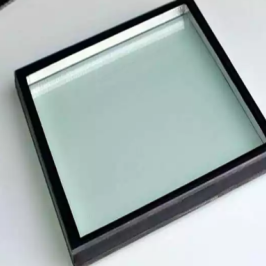
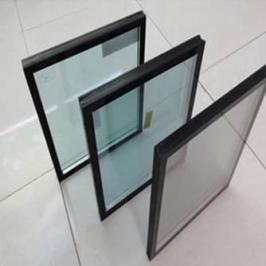
The performance of an Insulated Glass Unit (IGU) is a partnership between quality manufacturing and expert implementation. While a well-made IGU promises superior thermal and acoustic insulation, its real-world performance depends entirely on correct installation, proper handling, and consistent maintenance. This comprehensive guide provides property owners, facility managers, and installers with a master checklist for ensuring your insulated glass investment delivers decades of trouble-free service.
Section 1: The Critical Pre-Installation Checklist: Setting the Stage for Success
Success begins long before the glass unit is fitted into the frame. Proper preparation is the most effective way to prevent future callbacks and failures.
A. On-Site Handling and Inspection
Never underestimate the fragility of a sealed IGU. Mishandling is a leading cause of premature seal failure.
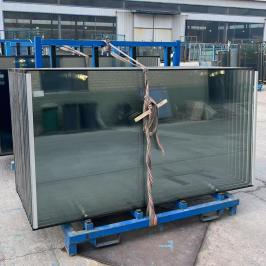
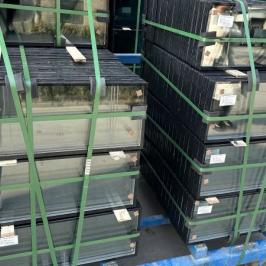
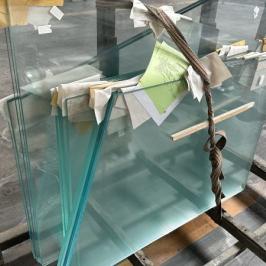
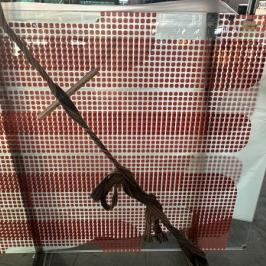
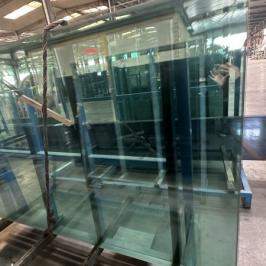
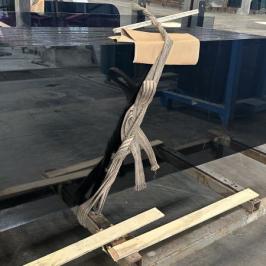
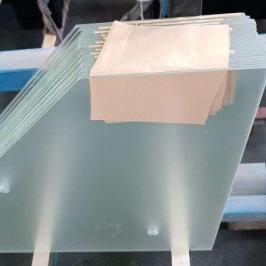
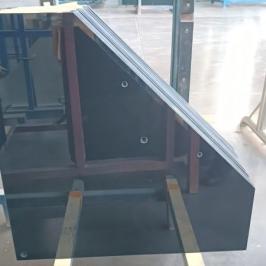
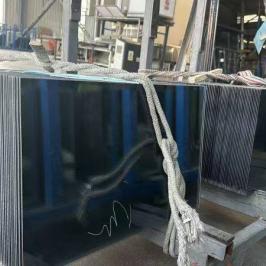
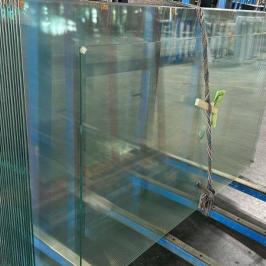
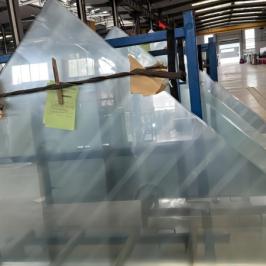
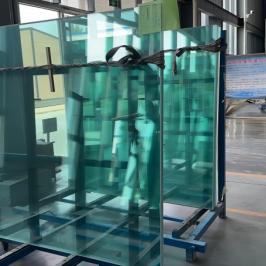
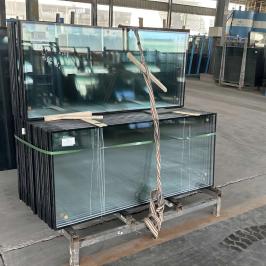
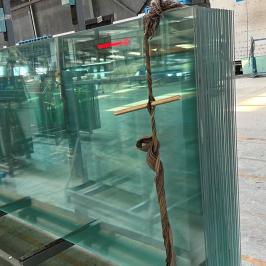
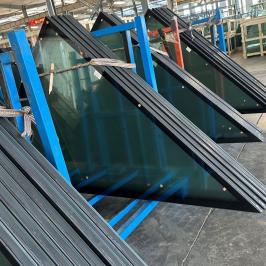
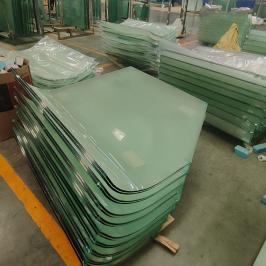
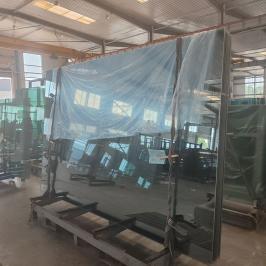
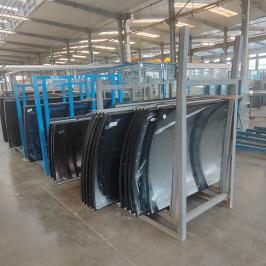
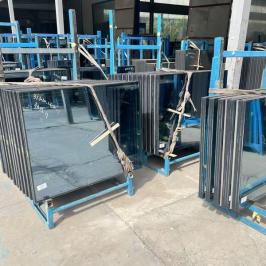
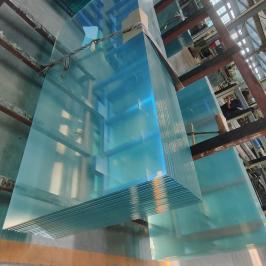
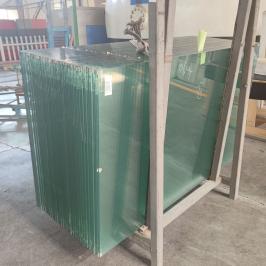
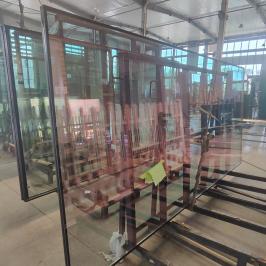
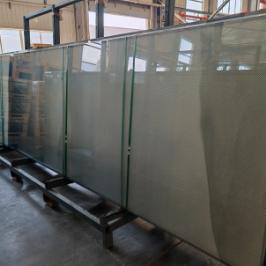
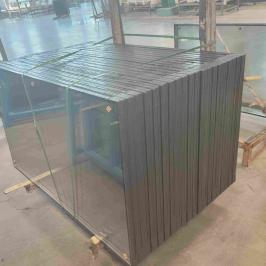
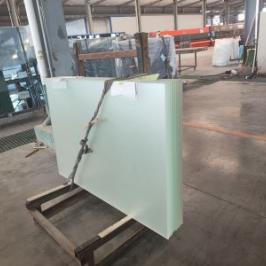
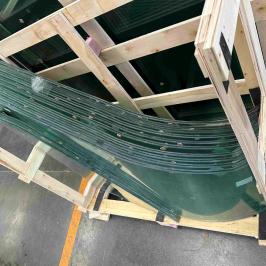
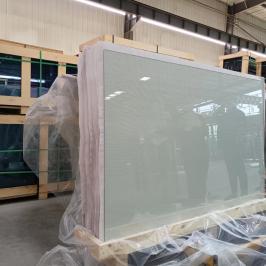
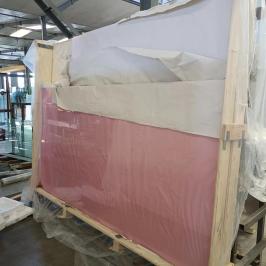
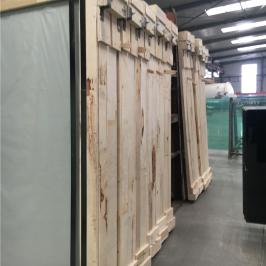
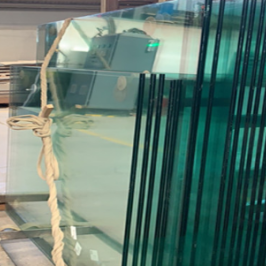
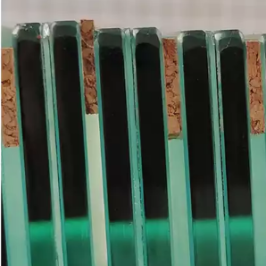
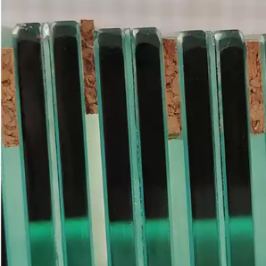
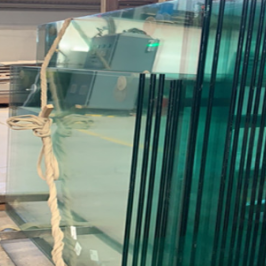
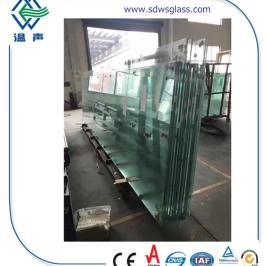
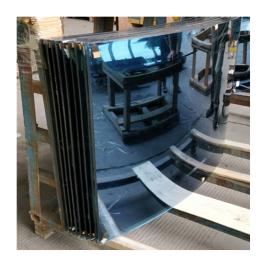
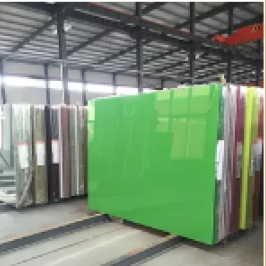
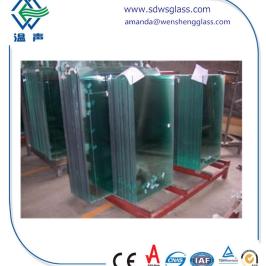
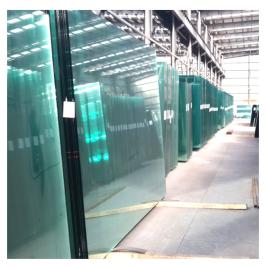
Storage: IGUs must be stored upright, on their edge, on a clean, dry, and level surface. Use wooden or rubber blocking to prevent contact with the ground and to maintain a slight tilt (5-10 degrees). NEVER stack units flat, as this places immense pressure on the seals and can warp the spacer bar.
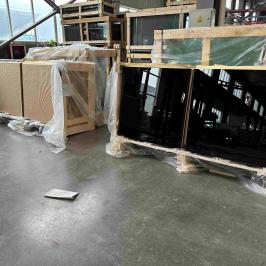
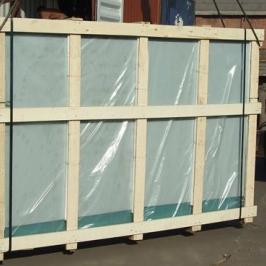
Protection: Keep units in their protective packaging until the moment of installation. Protect them from rain, direct sun, and construction debris.
Inspection: Upon delivery, visually inspect each unit. Check for:
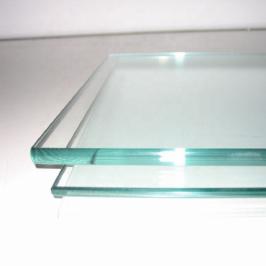
Physical damage (chips, cracks, deep scratches on the glass edge).
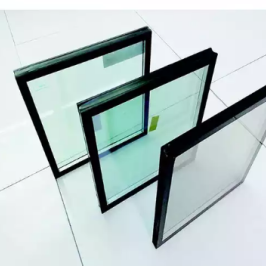
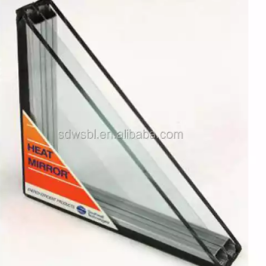
Labeling: Confirm the make-up (e.g., 6mm Clear / 12mm Argon / 6mm Low-E) and the Low-E coating side (usually marked in the corner).
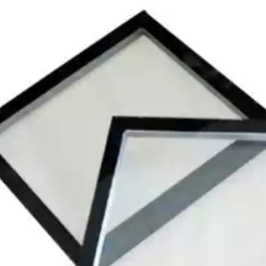
Seal integrity: Look for gaps, bubbles, or contamination in the secondary sealant around the perimeter.
B. Frame and Opening Readiness
The window or curtain wall frame is the foundation. A perfect IGU installed in a poor frame will fail.
Cleanliness: The glazing rebate (channel) must be absolutely clean, dry, and free of oil, dust, and old sealant. Use a vacuum and a clean, dry cloth.
Squareness and Dimensions: Verify the opening is square and the correct size. The IGU should have a uniform perimeter gap (typically 3-6mm) as specified by the system manufacturer for the sealant.
Setting Blocks: Ensure setting blocks (the small pads the glass rests on) are the correct material (EPDM, neoprene) and are correctly positioned. They support the glass’s weight and prevent direct glass-to-metal contact.
Section 2: Professional Installation: A Step-by-Step Best Practice Guide
Following a meticulous process is non-negotiable for a long-lasting, high-performance installation.
Step 1: Preparation and Glazing.
Wearing clean gloves, remove the IGU from its packaging.
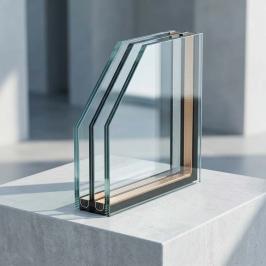
Confirm the Low-E coating is on the correct surface. For double-glazing, it is almost always on the #2 surface (the inner face of the outer pane of glass).
Apply a continuous, uniform bead of glazing tape or a non-hardening butyl glazing compound to the frame’s rebate. This is the primary weather seal.
Step 2: Placement and Bedding.
Using suction lifters, carefully lower the IGU into the opening, ensuring it rests squarely and firmly on the setting blocks.
Press the IGU evenly into the glazing tape/butyl, ensuring full contact and a uniform seal. Avoid rocking or sliding the unit.
Step 3: Securing and Secondary Sealing.
Install glazing stops, beads, or pressure plates to securely hold the IGU in place. Do not overtighten screws, as this can distort the frame and stress the glass.
Apply the secondary weather sealant (typically a high-quality silicone or polysulfide). The bead should be continuous, uniform, and tooled to a smooth finish that promotes water runoff. This seal provides the main barrier against air and water infiltration.
Step 4: Final Checks and Clean-up.
Remove all protective film from the glass surfaces within 2-4 weeks of installation, as some films can degrade and become difficult to remove.
Clean the glass with a soft cloth and a mild, non-abrasive, non-ammonia-based cleaner. Never use razor blades or abrasive pads on Low-E coatings.
Label and file the IGU warranty information, along with installation photos and product data sheets.
Section 3: The Long-Term Care Regimen: Preserving Performance and Longevity
Routine, simple maintenance is the key to maximizing the life of your IGUs.
A. Routine Cleaning
Frequency: Clean glass surfaces 2-4 times per year, or as needed.
Method: Use a soft, lint-free cloth or a soft rubber squeegee. A solution of mild dish soap and lukewarm water is ideal. Rinse thoroughly and dry.
Critical Don'ts:
Do not use abrasive cleaners, scouring pads, or razor blades.
Do not use high-pressure washers directly on the glass edges or seals.
Do not use cleaners containing hydrofluoric acid or other harsh chemicals on any window surface.
B. Periodic Inspection (Semi-Annually/Annually)
Conduct a visual inspection to catch small problems before they become big ones:
Seals and Gaskets: Check the perimeter weather-stripping and the exterior sealant for signs of cracking, hardening, shrinking, or detachment.
Drainage: Ensure that any drainage weeps or holes in the frame are clear of debris, insect nests, or sealant.
Operation: Open and close operating windows/doors to ensure smooth operation. Lubricate hinges, locks, and tracks with a silicone-based lubricant as needed.
Section 4: Troubleshooting Common Problems: Diagnosis and Solutions
Even with the best care, issues can arise. Here’s how to diagnose and address them.
Problem/Symptom | Likely Cause | Recommended Action |
|---|---|---|
Persistent condensation or fogging BETWEEN the glass panes. | Hermetic Seal Failure. The seal has broken, allowing moisture into the desiccated air space. The desiccant is saturated. | The IGU has failed and cannot be repaired. The only solution is replacement of the sealed glass unit (reglazing) by a professional. |
Condensation on the INSIDE ROOM surface of the glass. | High indoor humidity combined with a cold glass surface. Common in winter. | Increase ventilation (use exhaust fans, open windows briefly) and/or use a dehumidifier to lower indoor humidity. This is not a window defect. |
Water leaking into the building around the window frame. | Failed or poorly installed perimeter weather seal, blocked drainage weeps, or a problem with the building’s weather-resistant barrier (flashing). | Inspect and clear drainage paths. Re-caulk exterior perimeter seals if necessary. For persistent leaks, consult a professional to inspect the entire wall/window interface. |
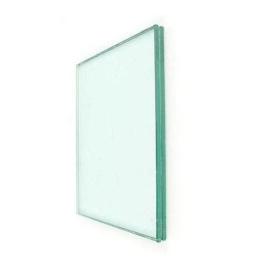
Distortion, a wavy appearance, or rainbow-colored patterns in the glass. | This is usually "roller wave" distortion in tempered glass or an optical effect in laminated glass. It is a byproduct of the heat-treating or lamination process. | This is a normal manufacturing characteristic and is not a defect. It is most visible in reflections on overcast days. It does not affect the structural or thermal performance of the glass. |
By following this complete guide—from rigorous pre-installation checks and professional installation techniques to a disciplined maintenance schedule—you ensure that your insulated glass lives up to its full potential, providing energy savings, comfort, and clarity for its entire designed lifespan.