









The ROI Analysis and Business Case for Commercial and Residential Upgrades
The ROI Analysis and Business Case for Commercial and Residential Upgrades
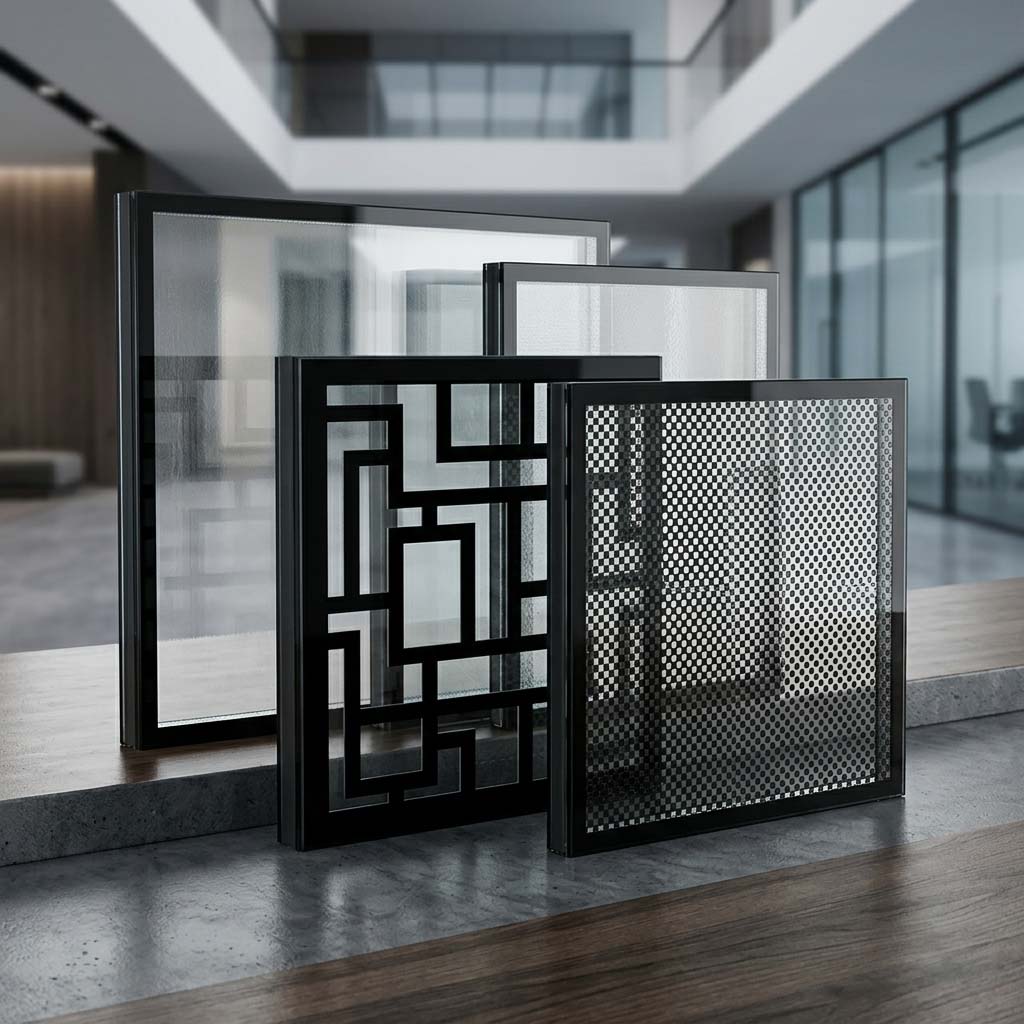
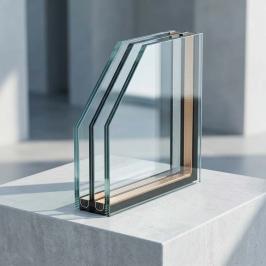
When considering window upgrades, the decision often moves beyond comfort and aesthetics to hard financial calculations. This article provides a detailed return on investment (ROI) analysis for insulated glass units (IGUs), translating their technical benefits into clear economic terms for homeowners, business owners, and property developers. We break down the costs, savings, and added value to demonstrate why high-performance glazing is a strategic financial investment.
Part 1: The Cost-Benefit Framework: Understanding the Investment
The total cost of an IGU upgrade includes the product itself, professional installation, and any ancillary work (e.g., interior trim repair). The benefits, however, are multi-faceted and accrue over the lifespan of the product.
Key Financial Benefits:
Direct Energy Savings: Reduced heating (gas, oil, electricity) and cooling (AC) bills.
HVAC System Downsizing: In new construction, better windows can allow for a smaller, less expensive heating/cooling system.
Increased Property Value: Modern, efficient windows are a high-return upgrade in real estate markets.
Avoided Maintenance & Replacement Costs: Durable, long-life IGUs reduce future repair needs for issues like condensation damage, rotting sills, and painted-shut sashes.
Tax Credits, Incentives, and Utility Rebates: Many governments and utilities offer rebates for energy-efficient upgrades, directly reducing net cost.
Part 2: Residential ROI Analysis: A Homeowner's Perspective
Scenario: A 2,500 sq. ft. suburban home in a mixed-humid climate (e.g., Mid-Atlantic USA) with 20 original, single-pane aluminum frame windows.
Component | Single-Pane Baseline | Upgrade to Double-Pane Low-E/Argon IGU | Upgrade to Triple-Pane Low-E/Argon/Krypton IGU |
|---|---|---|---|
Estimated Performance (U-Factor) | ~1.10 | ~0.30 | ~0.15 - 0.20 |
Approx. Installed Cost | N/A (Existing) | $15,000 - $25,000 | $25,000 - $40,000 |
Estimated Annual Energy Savings | Baseline | 15-25% reduction (~$300 - $800 saved) | 25-40% reduction (~$500 - $1,300 saved) |
Incentives/Rebates | $0 | Potential $200 - $1,500 | Potential $300 - $2,000 |
Increased Home Value (per appraisal) | $0 | 60-80% of project cost recouped | 70-85% of project cost recouped |
Simple Payback Period (Energy Savings Only) | N/A | 12-20 years | 18-30 years |
Net ROI (Incl. Resale Value & Incentives) | N/A | Often immediate positive ROI upon sale | Strong long-term ROI, especially in extreme climates |
Residential Verdict:For most homeowners, high-quality double-glazed Low-E/Argon windows offer the best balance of upfront cost and payback. Triple-glazing is a premium investment justified in very cold climates or for ultra-quiet homes. The immediate boost in comfort and curb appeal, combined with solid resale value, often makes the financial case compelling even before counting long-term energy savings.
Part 3: Commercial & Multifamily ROI: The Owner/Developer Calculus
For commercial properties, the analysis shifts to operational expense (OpEx), tenant value, and asset valuation.
1. Operational Expense (OpEx) Reduction:
Direct Savings: A 20-30% reduction in a large building's HVAC energy load translates to thousands of dollars in annual savings, directly improving Net Operating Income (NOI).
Peak Load Reduction: High-performance glazing reduces solar heat gain, lowering cooling demand during peak afternoon hours. This can significantly reduce "demand charges" from utilities, which are a major cost for commercial buildings.
2. Tenant Attraction, Retention, and Comfort:
Marketability: Modern, efficient windows with good acoustics are a tangible amenity. They can command higher rental/sale premiums (Class A office space, luxury apartments).
Productivity & Wellness: Abundant natural light without glare or thermal discomfort is linked to increased employee productivity and tenant satisfaction, reducing turnover.
LEED & Certification: IGUs contribute directly to points for green building certifications (LEED, BREEAM, WELL), which enhance property marketability and can qualify for tax benefits.
3. Lifecycle Cost Analysis (LCA):
Sophisticated developers use LCA models that consider:
Initial Capital Cost (CapEx)
50-Year Operational Energy & Maintenance Costs (OpEx)
Residual/Replacement Value
High-performance glazing often has a lower total 50-year cost despite higher initial CapEx due to dramatically lower OpEx.
Commercial Verdict:The business case is often stronger for commercial applications. The scale magnifies OpEx savings, the benefits to tenant relations are direct, and the upgrade contributes to a higher overall asset valuation. The payback period through energy savings alone can be under 10 years for buildings with high cooling loads.
Part 4: Quantifying the "Intangible" Benefits
While hard to dollarize, these factors have real financial implications:
Acoustic Insulation: Near airports or city centers, quieter interiors can increase property values by 5-15% and are a major leasing point.
Furniture & Fabric Protection: Low-E coatings block 99% of UV rays, drastically reducing fading. This extends the life of carpets, drapes, and furniture, reducing replacement costs for hotels, offices, and homeowners.
Condensation Control: By keeping the interior glass surface warmer, IGUs prevent condensation that can damage window sills, walls, and trigger mold growth, avoiding costly repairs.
Part 5: How to Build Your Own Business Case
Gather Data: Collect 12 months of utility bills. Note your current window type/condition.
Get Professional Quotes: Obtain 2-3 detailed quotes for IGU replacement, specifying performance targets (U-factor, SHGC).
Model Savings: Use free online tools from Energy Star or the National Fenestration Rating Council (NFRC), or consult with an energy auditor. They can model expected savings based on your climate, window area, and proposed upgrades.
Research Incentives: Check the Database of State Incentives for Renewables & Efficiency (DSIRE) for federal, state, and local rebates/tax credits.
Calculate: Use the formula: Simple Payback Period (years) = Net Installation Cost / Annual Energy Savings. For a full ROI, factor in resale value increase and rebates.