






















Project Planning Guide for Architects, Developers, and Homeowners
Project Planning Guide for Architects, Developers, and Homeowners
Implementing an insulated glass system is a significant investment that impacts a building's energy performance, occupant comfort, and long-term operational costs. Successful projects require strategic planning from the very beginning. This comprehensive guide walks stakeholders—from architects and developers to homeowners—through the critical decision points, from initial concept to final installation, ensuring the selected glazing system meets aesthetic, performance, and budgetary goals.
Phase 1: Pre-Design & Goal Setting (The Foundation)
Before selecting a product, clearly define the project's primary objectives. This phase sets the direction for all subsequent decisions.
Performance Priorities:
Energy Efficiency: Is the goal to achieve a specific certification (LEED, BREEAM, Passive House)? Define target U-values and Solar Heat Gain Coefficient (SHGC) based on climate zone and building orientation.
Acoustic Control: Is the site near an airport, highway, or urban center? Determine required Sound Transmission Class (STC) ratings for different facades.
Comfort & Wellness: Prioritize factors like reduction of radiant cold/heat, glare control, and access to natural light without UV damage.
Security & Safety: Are enhanced impact resistance, blast mitigation, or bullet resistance required for certain areas?
Budget & Timeline:
Establish a realistic glazing budget that balances first cost with long-term operational savings (ROI).
Understand that high-performance, custom, or imported glass units often have longer lead times. Factor this into the overall project schedule.
Regulatory & Code Compliance:
Identify all applicable local and national building codes for thermal performance, safety (egress, impact), and wind load requirements.
Phase 2: Design & Specification (Making Informed Choices)
This is where performance goals translate into technical specifications. Collaborate with a glazing consultant or reputable manufacturer early.
Glass Configuration & Components:
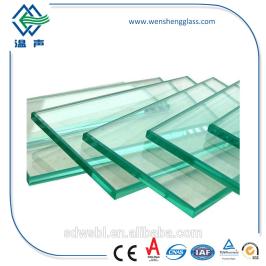
Outboard Lite: Heat-Strengthened or Tempered for durability and safety.
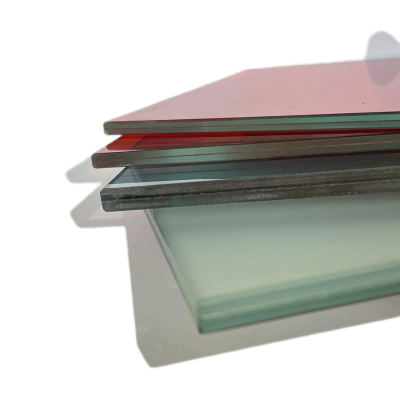
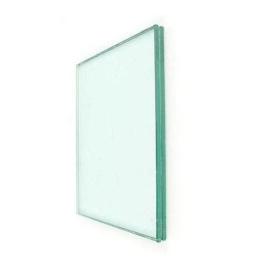
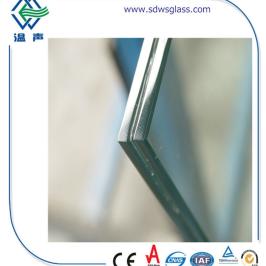
Interior Lite: Laminated Glass for security/sound, or a second pane of tempered.
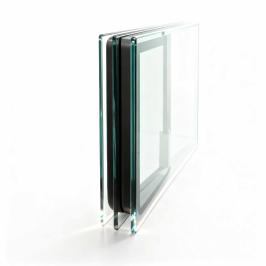
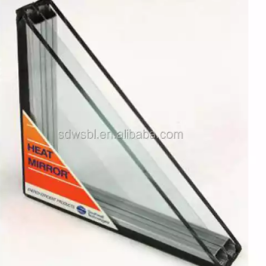
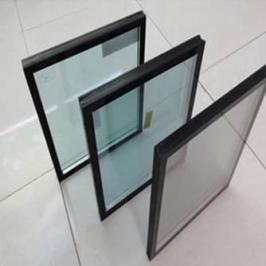
Double vs. Triple Glazing: Triple-glazed units offer superior U-values and acoustics but are heavier and more expensive. Essential for extreme climates or stringent energy standards.
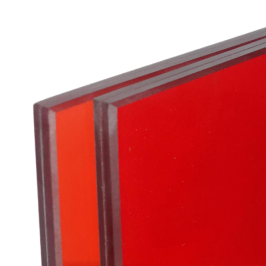
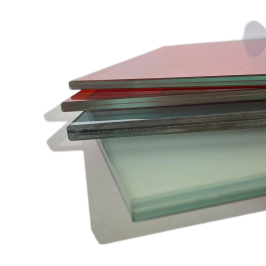
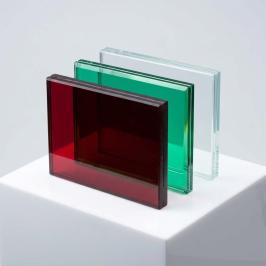
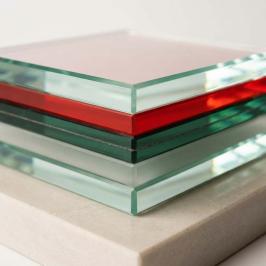
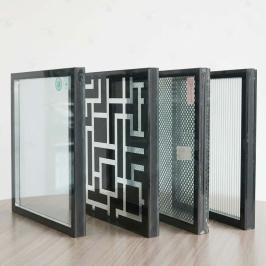
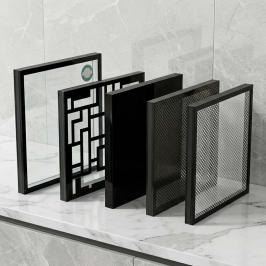
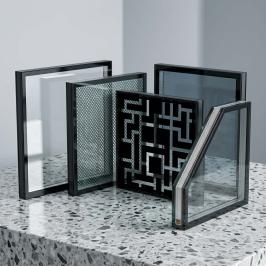
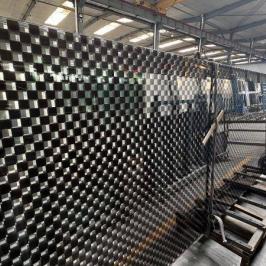
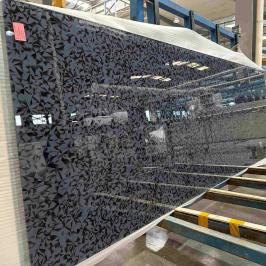
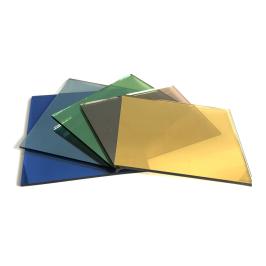
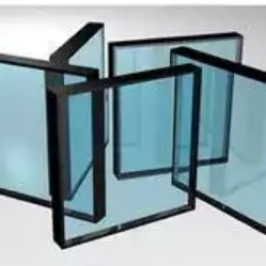
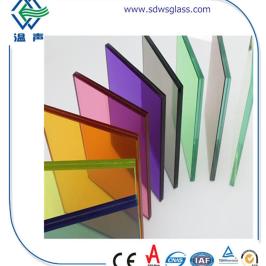
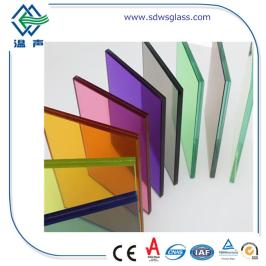
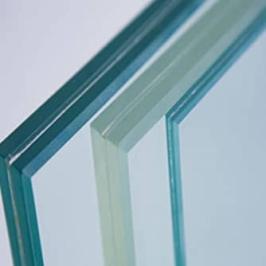
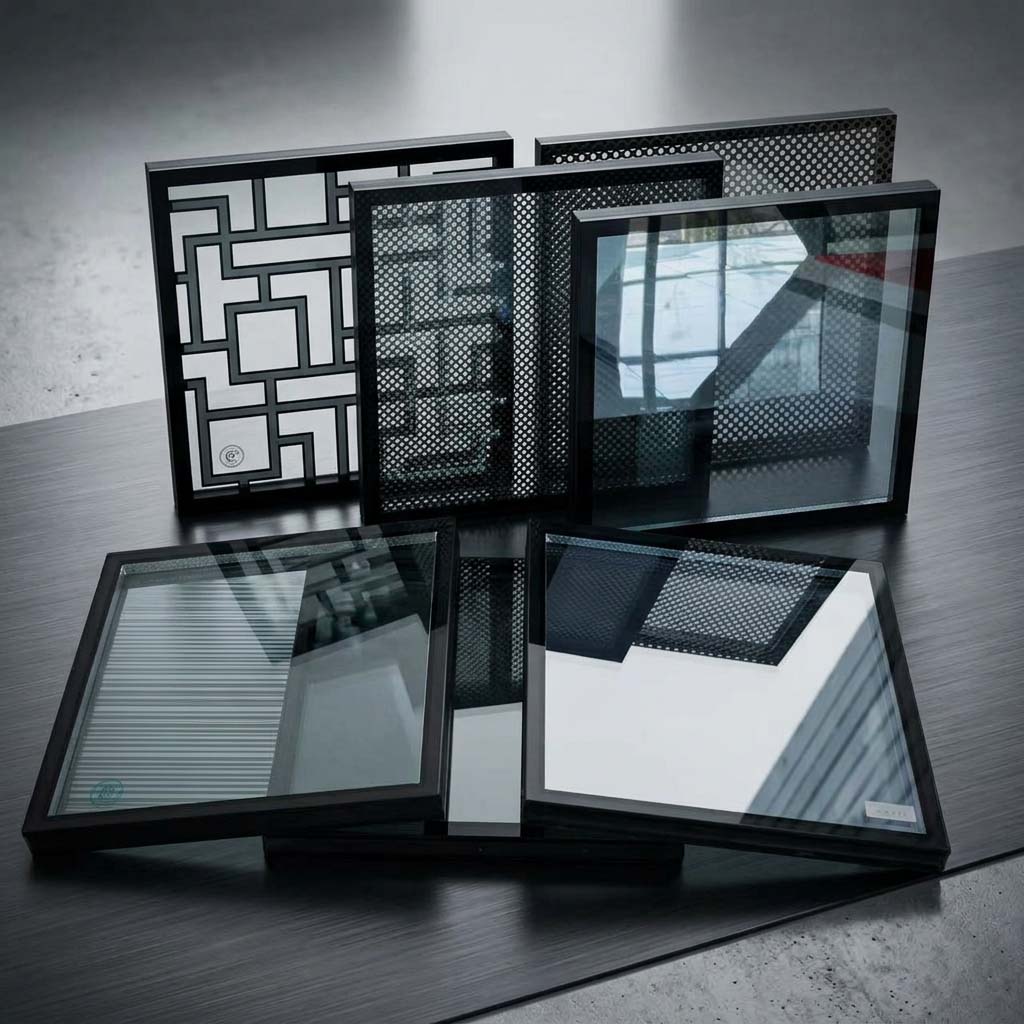
Glass Types: Combine different types for each lite in the IGU. Common pairings include:
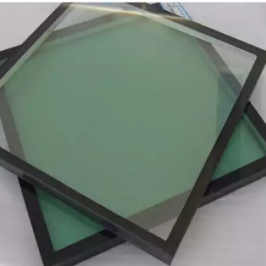
Coatings: Select the right Low-E coating type (sputtered/soft-coat for best performance, pyrolytic/hard-coat for durability in single-glaze situations) and placement (#2, #3, or #5 surface).
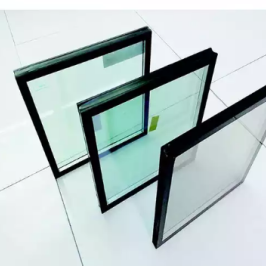
Cavity Details: Specify the gas fill (Argon or Krypton) and the spacer type (warm edge vs. aluminum). The spacer width (e.g., 16mm) impacts insulation and acoustics.
Frame & System Compatibility:
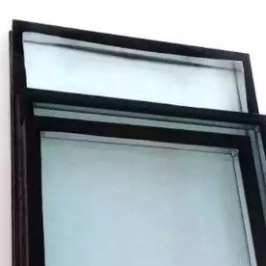
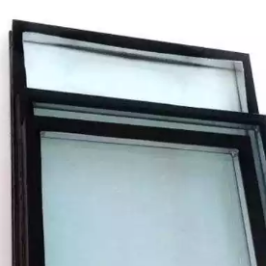
The IGU is only as good as the frame holding it. Ensure the window or curtain wall system is designed for the unit's weight, thickness, and performance.
Pay attention to the frame's thermal break and overall U-value. A high-performance IGU in a poor frame yields mediocre results.
For large or complex installations (structural glazing, point-supported systems), engage specialists during the design phase.
The Specification Document:
A clear, detailed specification is crucial. It should include:
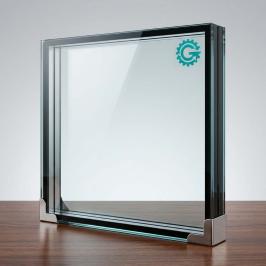
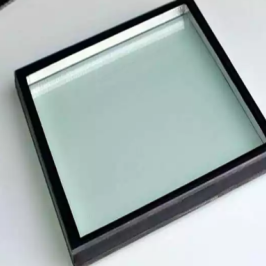
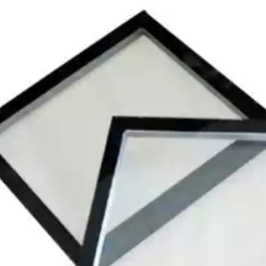
Product Description: e.g., "Insulated Glass Unit, Double Glazed".
Detailed Make-Up: e.g., "6mm Clear Heat Strengthened Outer Lite / 16mm 90% Argon Fill / 6mm Clear Laminated Inner Lite with Low-E (sputtered) on surface #3".
Performance Criteria: Target U-value, SHGC, VT, STC, air/water infiltration ratings.
Standards & Testing: Reference relevant standards (ASTM, EN, IGCC) for quality, durability, and testing.
Phase 3: Procurement, Fabrication & Logistics
Request for Proposals (RFP) & Bidding:
Provide your detailed spec to multiple qualified fabricators. The cheapest bid is often not the best value.
Evaluate bidders on their experience with similar projects, quality control processes, and warranty terms. Request samples and references.
Shop Drawings & Mock-ups:
Never skip this step. Require approved shop drawings showing dimensions, coatings, hardware cut-outs, and installation details.
For large or custom projects, insist on a full-scale performance mock-up to test water penetration, structural integrity, and aesthetics before full production begins.
Logistics & Site Delivery:
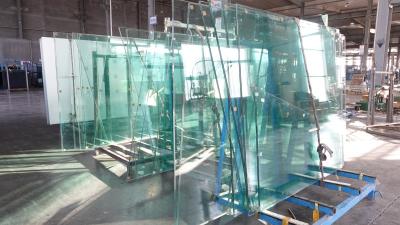
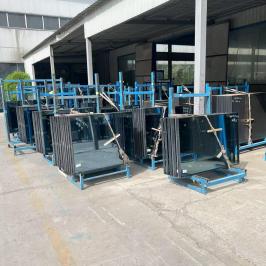
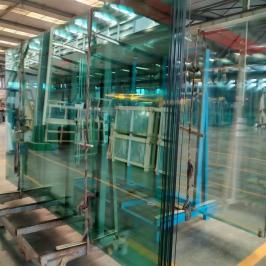
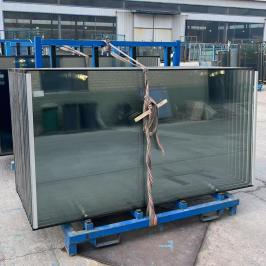
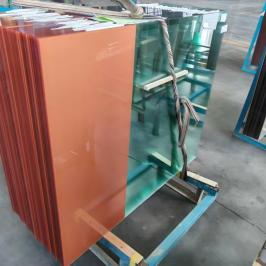
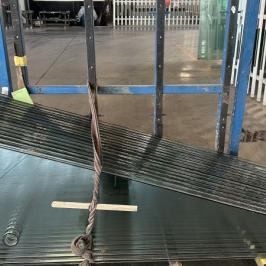
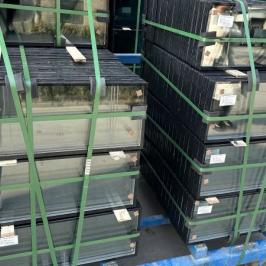
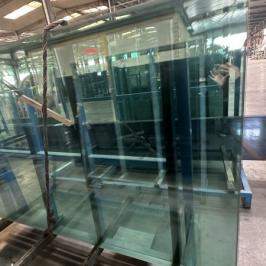
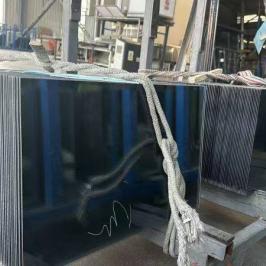
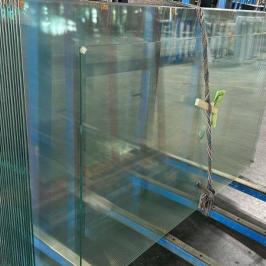
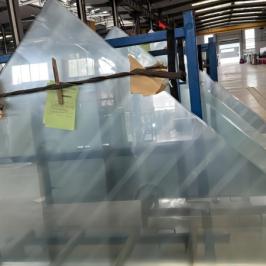
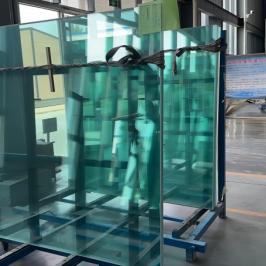
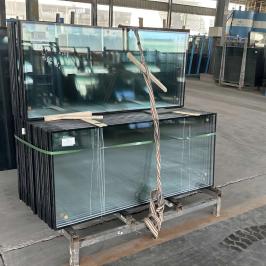
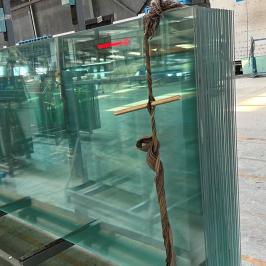
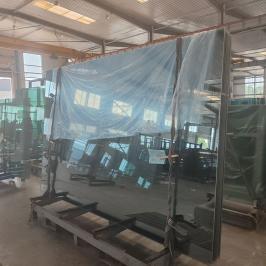
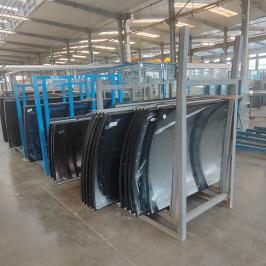
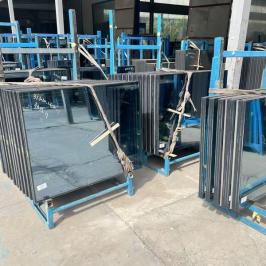
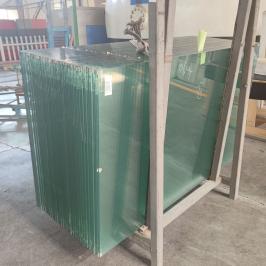
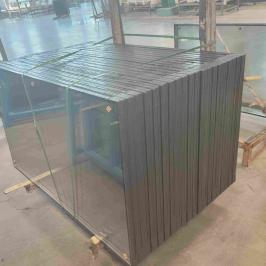
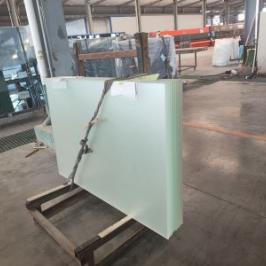
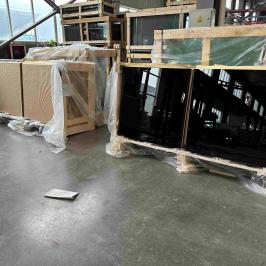
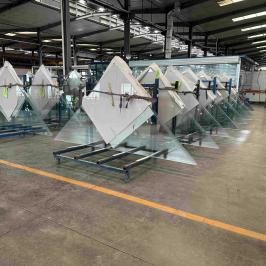
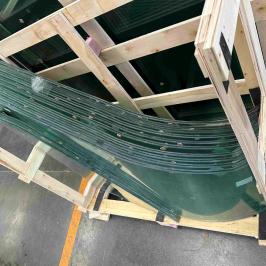
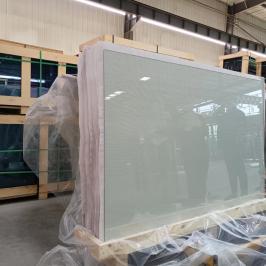
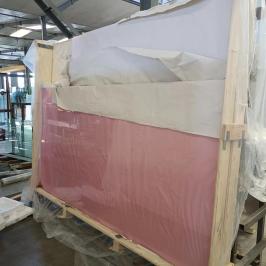
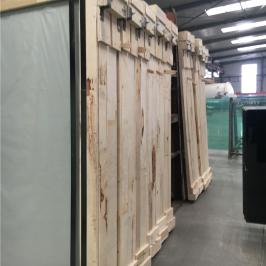
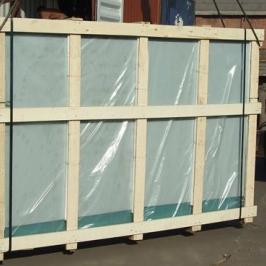
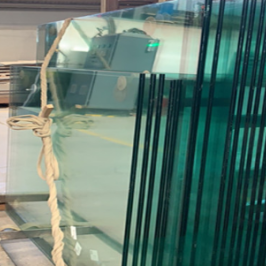
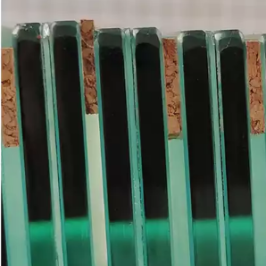
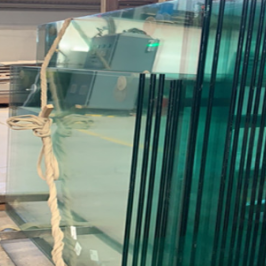
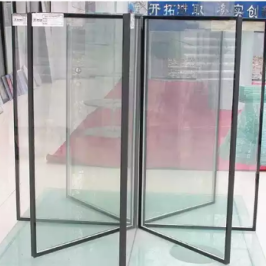
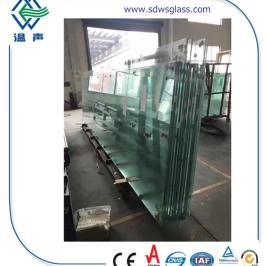
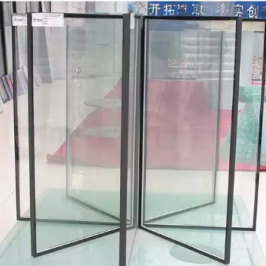
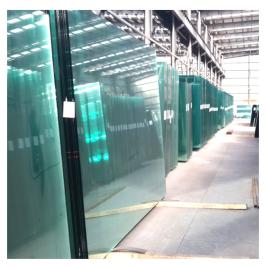
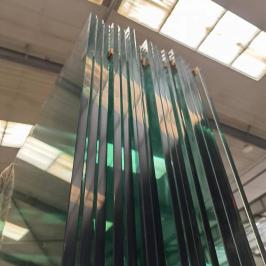
Plan for secure, weather-protected on-site storage. IGUs must be stored vertically, not flat.
Schedule deliveries to align with the installation sequence to minimize handling and risk of damage.
Phase 4: Installation & Quality Assurance
Qualified Installers: The best glass can be ruined by poor installation. Use the manufacturer's recommended installers or crews with proven expertise. Ensure they follow published fenestration installation standards (e.g., AAMA, ASTM).
Critical Inspection Points:
Pre-Installation: Verify glass labels match the shop drawings. Check for damage.
During Installation: Ensure proper use of setting blocks, edge clearance, and shims. Verify sealant application is continuous and tooled correctly.
Post-Installation: Conduct a full visual inspection. For critical buildings, consider infrared thermography to identify thermal bridges or seal failures.
Phase 5: Commissioning, Maintenance & Warranty
Owner's Manual: Require the glazing contractor to provide a manual detailing cleaning instructions (especially for specialty coatings), maintenance schedules for gaskets and hardware, and warranty information.
Warranty Review: Understand exactly what is covered. A standard IGU warranty (e.g., 10-20 years) typically covers seal failure leading to fogging. It does not cover breakage or installation errors. Ensure you have copies of all warranties.
Conclusion: A Collaborative Journey to Optimal Performance
Specifying and implementing a successful insulated glass system is a multi-phase, collaborative process. It requires clear goal-setting, informed technical decisions, meticulous documentation, and skilled execution. By investing time in thorough planning and specification, and by partnering with experienced professionals, you ensure that your glazing investment delivers on its promise of beauty, comfort, efficiency, and durability for the life of the building.