
























A Guide to Quality, Components, and Industry Standards
A Guide to Quality, Components, and Industry Standards
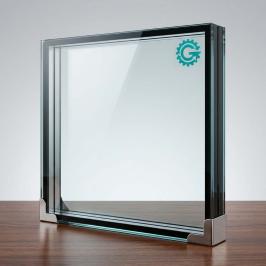
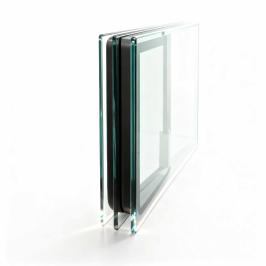
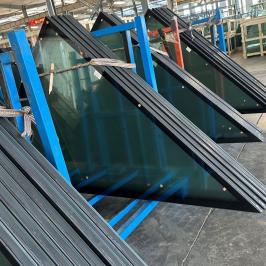
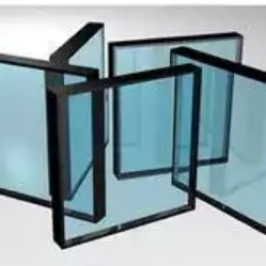
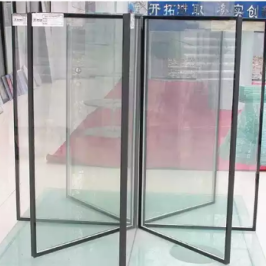
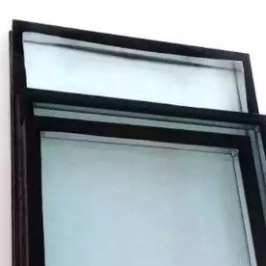
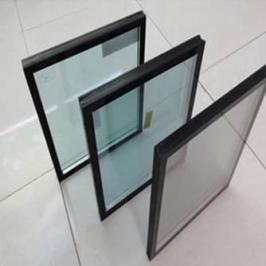
The performance and longevity of an insulated glass unit (IGU) are fundamentally determined during the manufacturing process. While installation and maintenance are crucial, they cannot compensate for deficiencies in the original product. This article explores the sophisticated manufacturing process, critical components, and industry standards that separate high-performance, durable IGUs from inferior products, empowering architects, builders, and informed homeowners to specify and select with confidence.
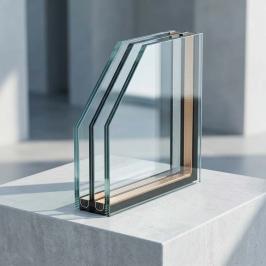
Part 1: The Anatomy of a High-Performance IGU: Core Components Explained
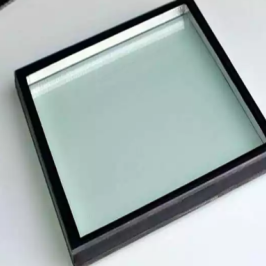
An IGU is a precision-engineered system. The quality of each component directly impacts the final product's performance.
1. Glass Substrate:
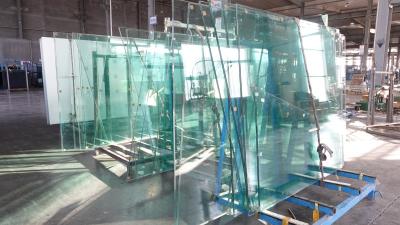
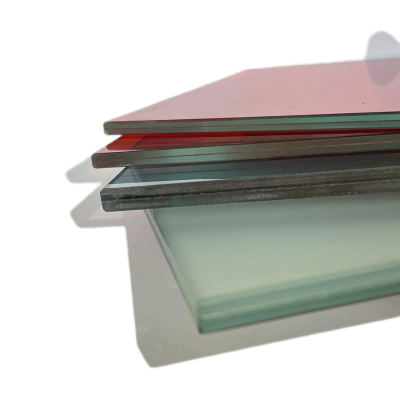
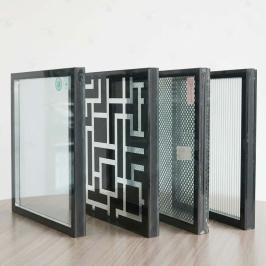
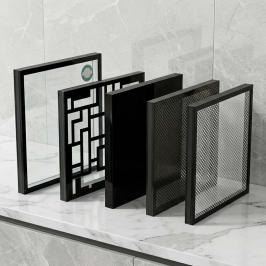
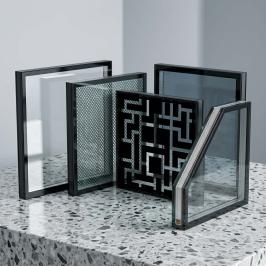
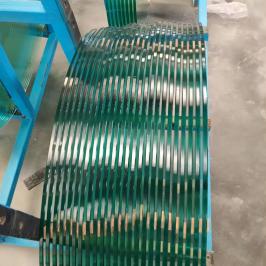
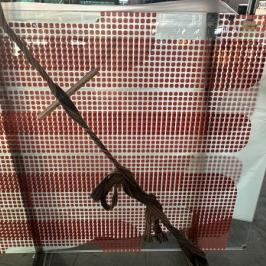
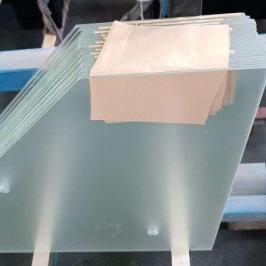
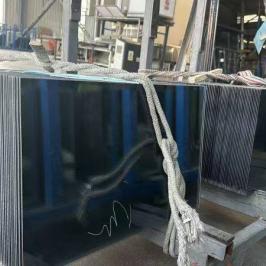
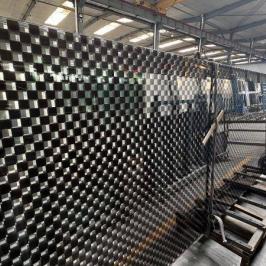
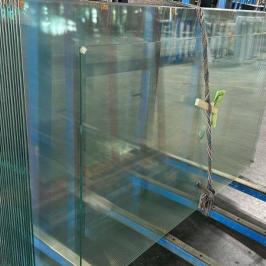
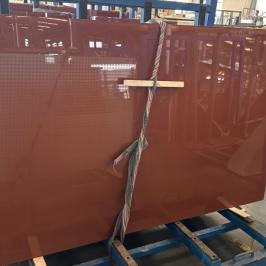
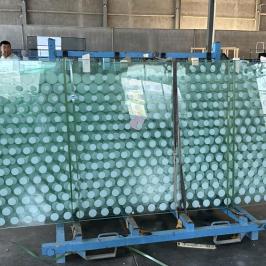
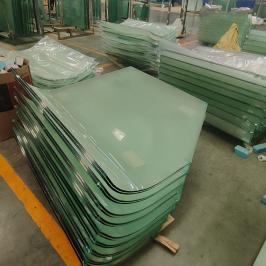
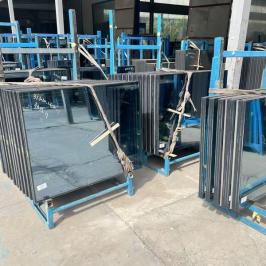
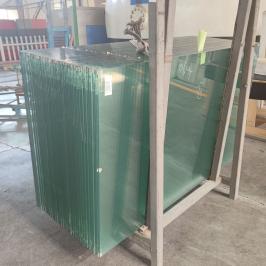
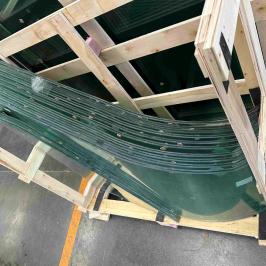
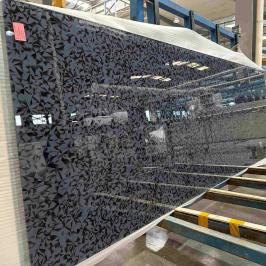
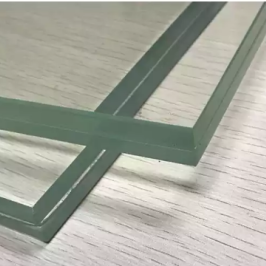
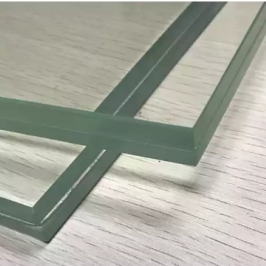
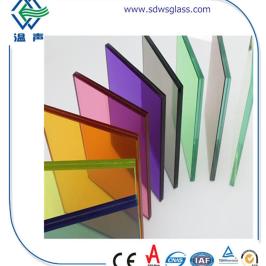
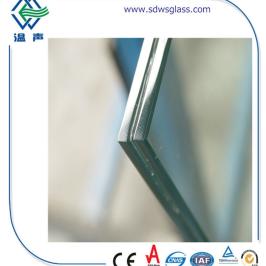
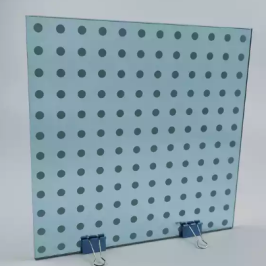
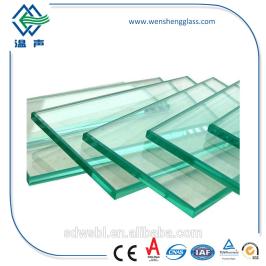
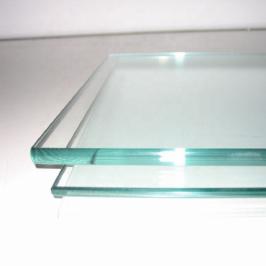
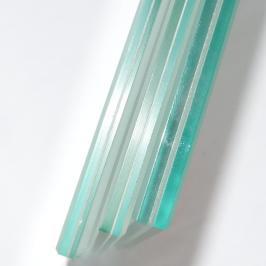
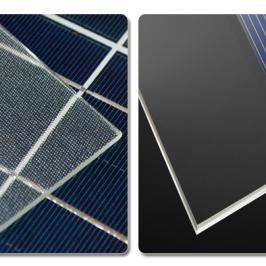
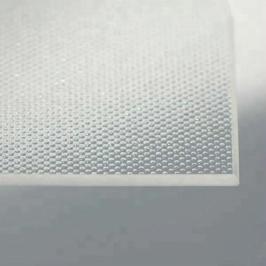
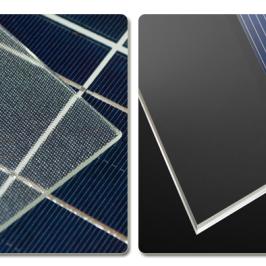
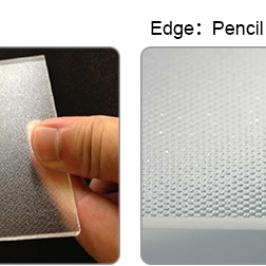
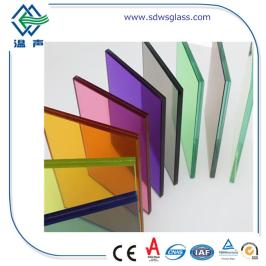
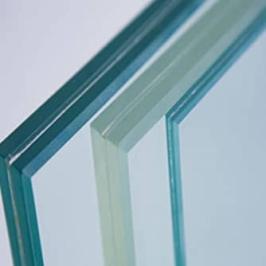
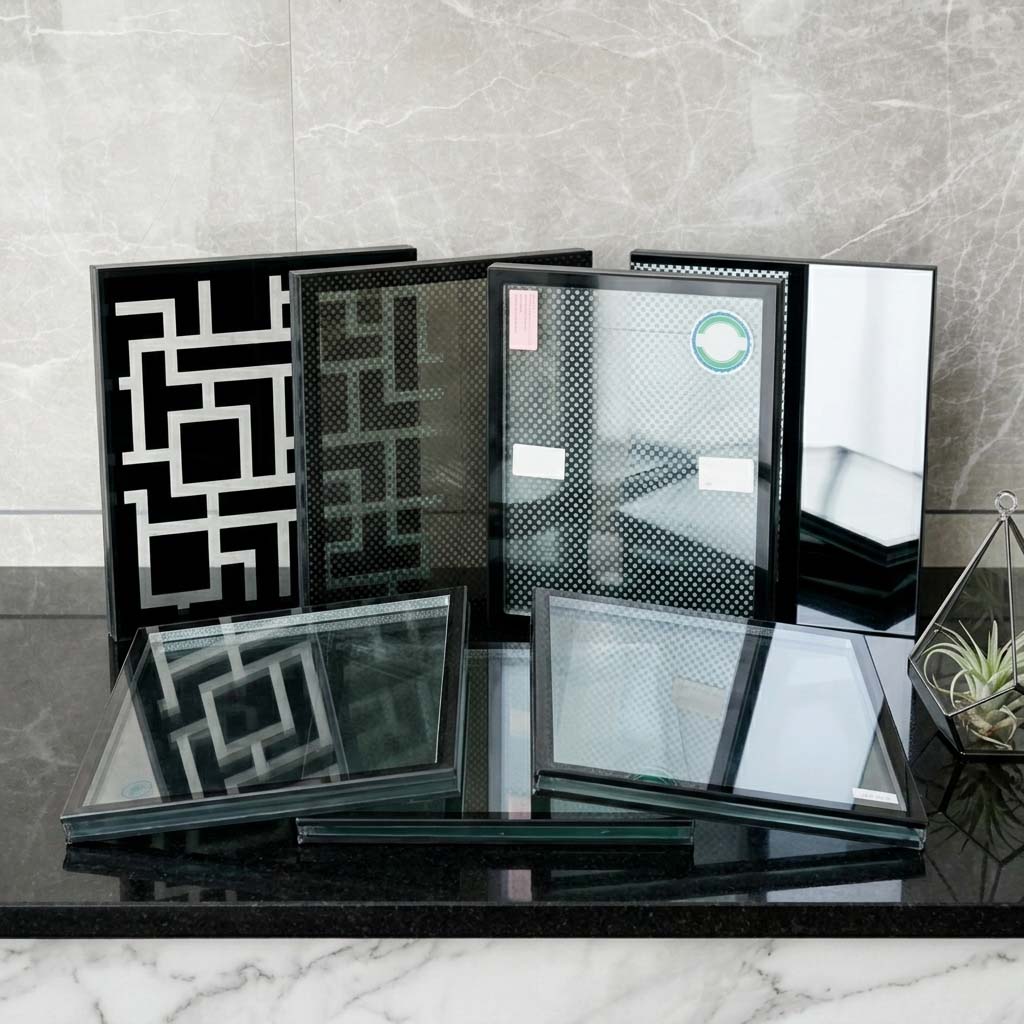
Types: The glass itself can be Float, Heat-Strengthened, Tempered (for safety), Laminated (for security/acoustics), or Patterned. Tempering or heat-strengthening must occur beforethe glass is cut and assembled into the IGU.
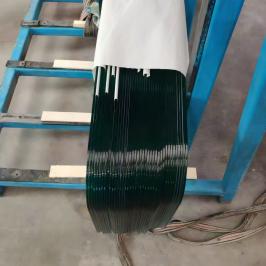
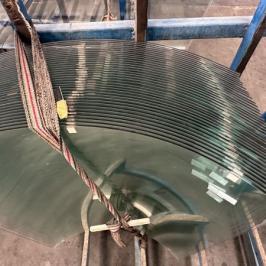
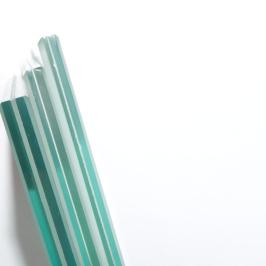
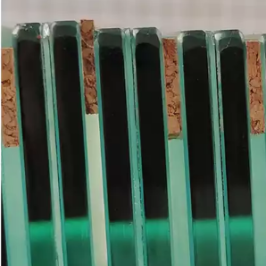
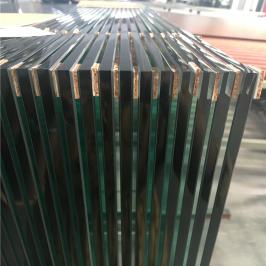
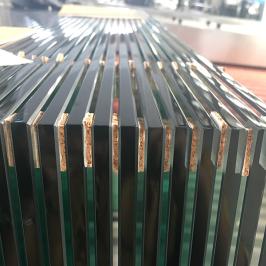
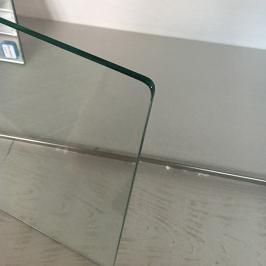
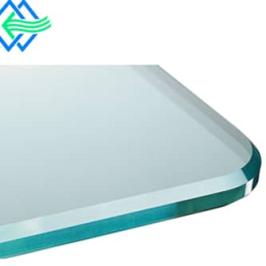
Thickness & Cutting: Glass is precision-cut to size. Edgework quality is critical; poorly cut edges with chips or imperfections create stress points and compromise seal integrity.
2. Spacer System: The "Thermal Bridge" Manager
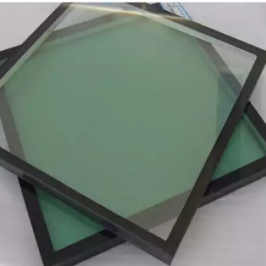
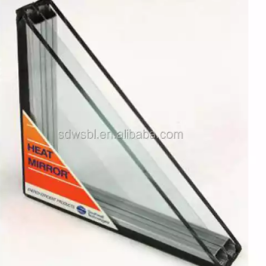
The spacer maintains the critical gap between the glass panes. Its design is paramount to performance and longevity.
Material Evolution:
Stainless Steel: Durable and low-conductivity.
Thermoplastic (e.g., TPS, Swiggle Strip): Flexible, offers excellent thermal break and accommodates glass movement.
Foam & Composite Materials: Provide superior insulation.
Traditional Aluminum: Highly conductive, creating a "cold bridge" at the glass edge, leading to condensation and heat loss.
Warm Edge Spacers: The industry standard for quality. Made from less conductive materials like:
Function: Contains the desiccant (drying agent) that absorbs residual moisture from the air space during manufacturing and over the unit's life.
3. Desiccant: The Internal Moisture Guardian
This highly porous material (typically molecular sieve) is filled inside the spacer. Its sole job is to adsorb any trace moisture trapped during assembly and any minor moisture that permeates over decades, keeping the air space permanently dry to prevent internal fogging.
4. Primary and Secondary Sealants: The Hermetic Barrier
This dual-seal system is the heart of the IGU's durability.
Primary Seal (Butyl): A continuous, thermoplastic ribbon applied between the spacer and the glass. It is the main barrier against gas leakage and moisture vapor transmission. It must have perfect adhesion.
Secondary Seal (Polysulfide, Polyurethane, or Silicone): Applied to the outer perimeter, this structural seal bonds the two glass panes and the spacer together, providing strength, UV resistance, and an additional barrier. The choice depends on exposure and system requirements.
5. Gas Fill: The Invisible Insulator
Dry air is standard, but inert gases enhance performance.
Argon: The most common. Colorless, odorless, non-toxic, and more insulating than air. Improves U-Factor by ~10-15%.
Krypton: Used in thinner cavities (e.g., triple glazing) or premium units. Denser and more insulating than Argon, but more expensive.
Part 2: The Precision Manufacturing Process: Step by Step
Quality manufacturing is a controlled, clean-room-style operation.
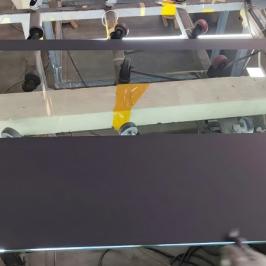
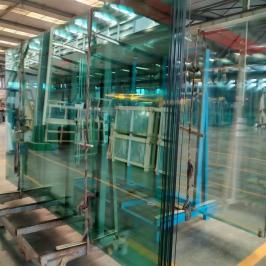
Glass Cutting & Washing: Glass is cut to exact size. Panes undergo a rigorous multi-stage washing and drying process to remove all contaminants (dust, oils). Any residue will cause seal failure.
Spacer Bending & Filling: The spacer is cut, bent into a precise rectangle, and filled with desiccant. The corners are connected with a firm, airtight joint (corner keys or bend).
Primary Seal Application: The spacer is precisely aligned on the first glass lite. The butyl primary seal is extruded onto the spacer or applied to the glass.
Assembly: The second lite of glass is carefully lowered onto the spacer assembly. The unit is pressed to ensure complete butyl contact.
Secondary Sealing: The unit enters a machine that applies a uniform bead of the secondary sealant around the entire perimeter.
Gas Filling (if applicable): Units are placed in a vacuum chamber. Air is evacuated, and the inert gas is injected through small ports in the spacer, which are then sealed.
Curing & Quality Control: The secondary sealant cures. Every unit should undergo inspection. Critical quality checks include:
Gas Fill Verification (using a spark tester).
Measurement Checks (size, squareness).
Visual Inspection for sealant defects, cleanliness, and coating consistency.
Part 3: Industry Standards, Testing, and Warranties: The Mark of Quality
Reputable manufacturers adhere to independent standards that verify performance and durability.
Key Performance Standards:
North America: The Insulating Glass Manufacturers Alliance (IGMA) and ASTM International set standards (e.g., ASTM E2190 for durability). NFRC provides independent U-factor, SHGC, and VT ratings.
Europe: EN 1279 is the comprehensive standard for insulating glass, with multiple parts covering general rules, moisture penetration, gas leakage, and physical attributes.
Critical Durability Tests: Certified IGUs undergo accelerated aging tests simulating years of service, including:
Climate Cycling: Exposing units to extreme temperature and humidity swings.
UV Exposure: Testing sealant resistance to sunlight degradation.
Water Immersion and Pressure Testing.
Understanding Warranties: A manufacturer's warranty is a reflection of confidence. Look for:
Seal Failure Coverage: The core warranty, typically 10-25 years, covering internal fogging from seal failure.
Clarity: What exactly is covered (labor, glass, shipping)? What voids it (often improper installation or building settlement)?
The Manufacturer's Reputation: A warranty is only as good as the company behind it.
Part 4: How to Specify and Source Quality IGUs
Demand Detailed Specifications: In project documents, specify the full make-up, not just "double glazing." Example: "6mm Clear Tempered Outer Lite / 16mm 90% Argon Cavity / 6mm Clear Laminated Inner Lite with sputtered Low-E on surface #3. Stainless steel warm edge spacer. ASTM E2190 compliant."
Request Certification and Test Reports: Ask manufacturers for copies of independent test reports (NFRC label, EN 1279 certificate) and details of their quality control process.
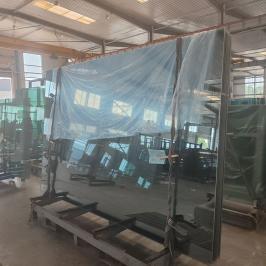
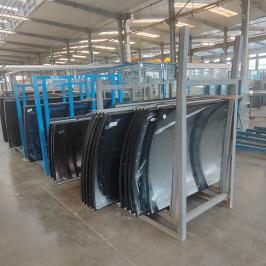
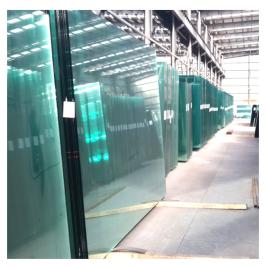
Assess the Manufacturer: Visit the facility if possible. Look for cleanliness, automated processes, and a commitment to quality control at every station. Ask about their average seal failure rate.
Avoid Obvious Red Flags:
Poorly cut or chipped glass edges.
Inconsistent or "bubbly" secondary sealant beads.
Spacer corners that are bent, not keyed.
No identifiable certification or warranty information.
Conclusion: Quality is Manufactured In, Not Added On
The silent performance of an IGU—keeping heat in, noise out, and clarity perfect for decades—is the direct result of meticulous manufacturing. By understanding the critical role of warm edge spacers, dual-seal systems, rigorous gas filling, and adherence to tough industry standards, specifiers and buyers can move beyond price alone. Investing in a well-manufactured IGU from a reputable source is the most effective way to ensure the building envelope performs as designed, delivering energy savings, comfort, and value for the life of the structure.