


























Installation, Maintenance, and Troubleshooting Guide for Optimal Performance
Installation, Maintenance, and Troubleshooting Guide for Optimal Performance
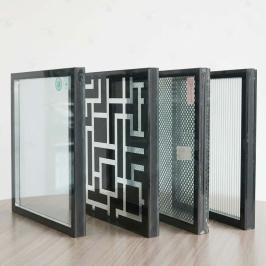
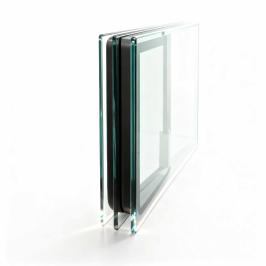
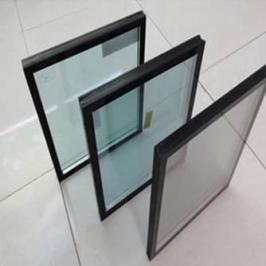
The superior performance of an Insulated Glass Unit (IGU) hinges not only on manufacturing quality but equally on professional installation and ongoing maintenance. Improper installation can degrade the performance of even the highest-spec unit by over 50%, while poor upkeep dramatically shortens its service life. This guide provides a comprehensive overview of best practices, from on-site handling and expert installation to long-term care, ensuring project success and sustained performance.
Part 1: Pre-Installation Preparation and On-Site Handling
1.1 Storage and Handling Protocol
IGUs are precision components that require careful handling before installation.
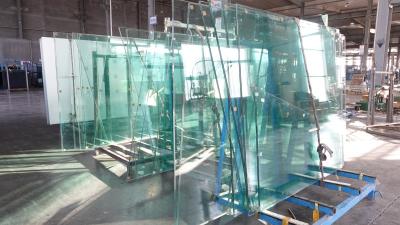
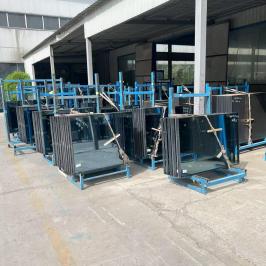
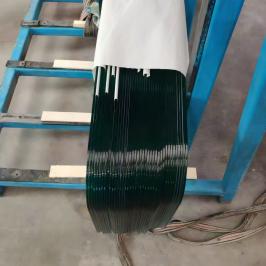
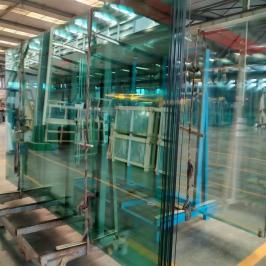
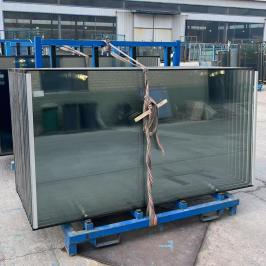
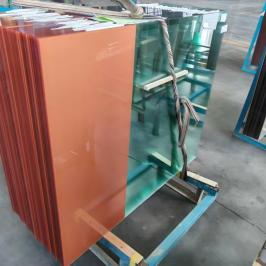
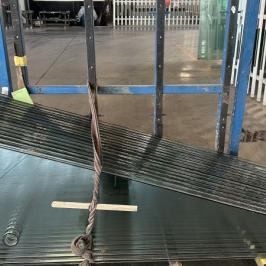
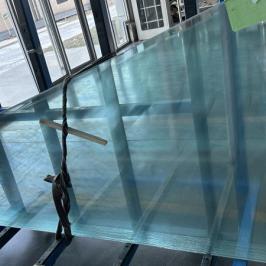
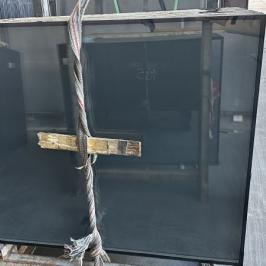
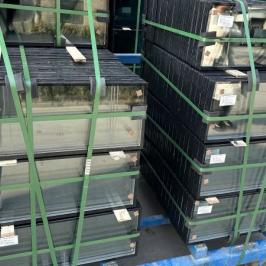
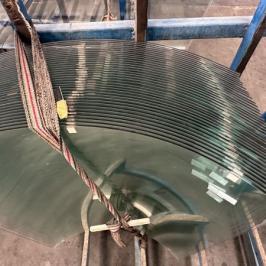
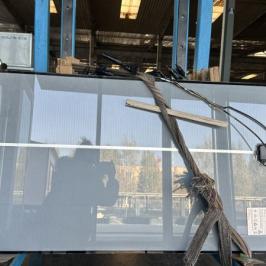
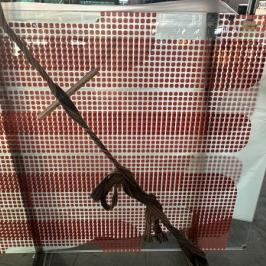
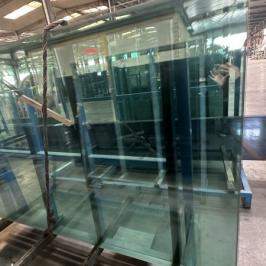
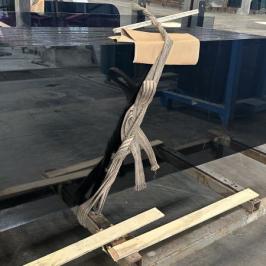
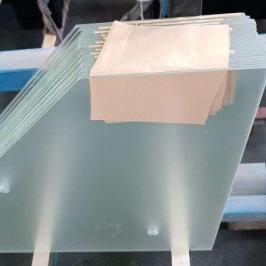
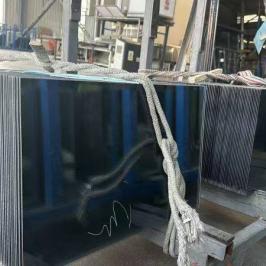
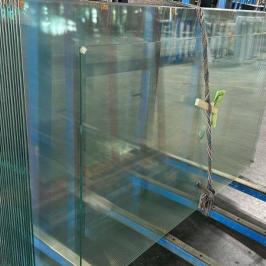
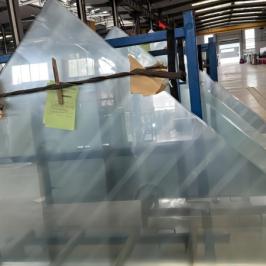
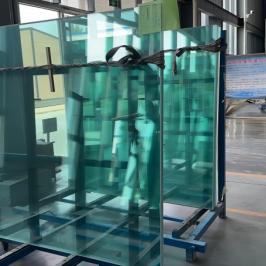
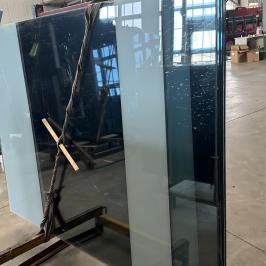
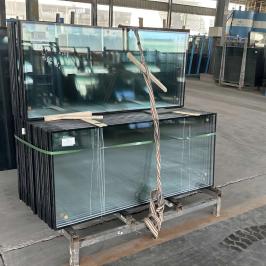
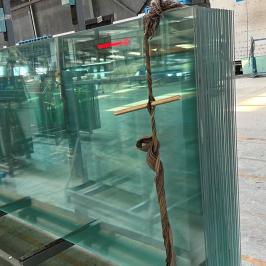
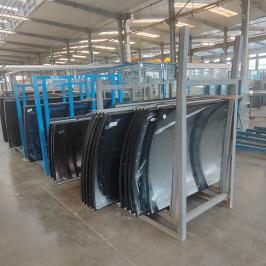
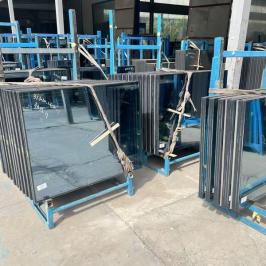
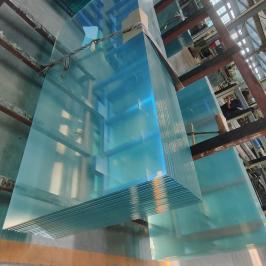
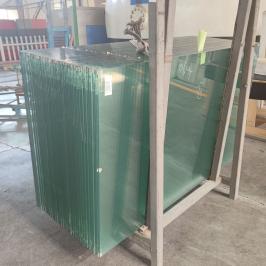
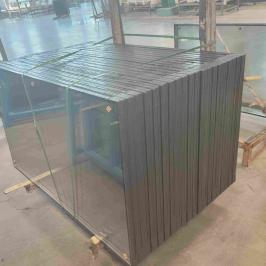
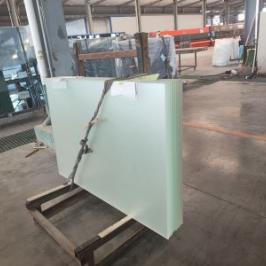
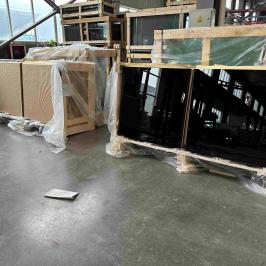
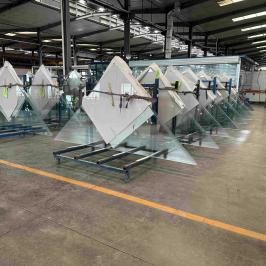
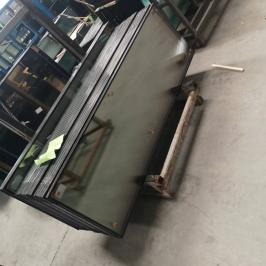
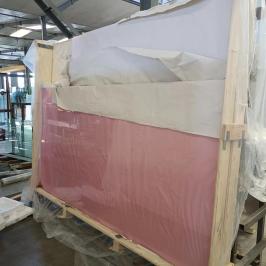
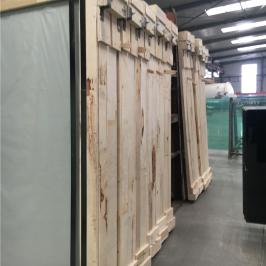
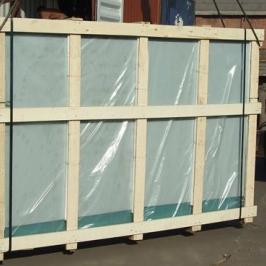
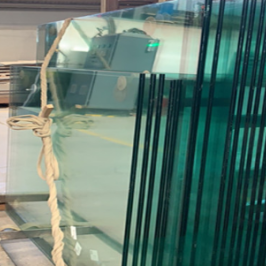
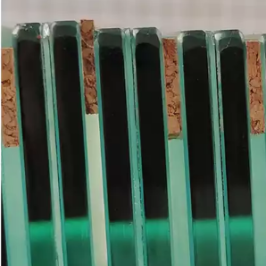
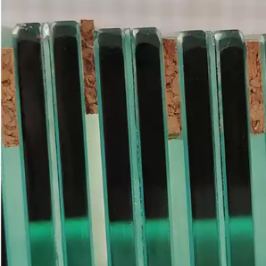
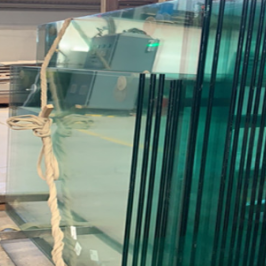
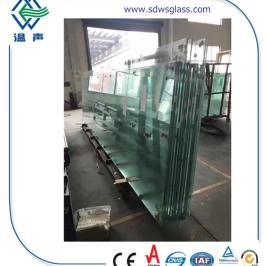
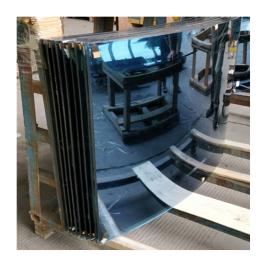
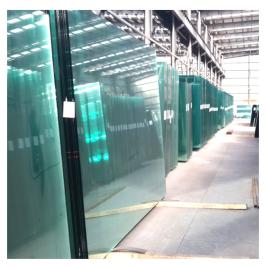
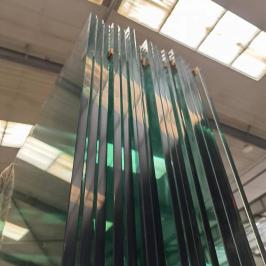
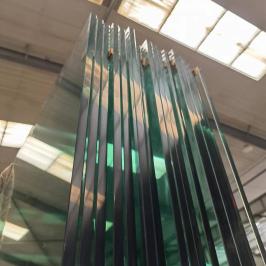
Storage Conditions: Store in a dry, well-ventilated indoor area, away from direct sunlight. Always store upright/on edge on wooden blocks, keeping the unit at least 10 cm off the ground with a 5°-7° tilt. Never stack flat, as this places permanent stress on the sealant, leading to premature edge seal failure.
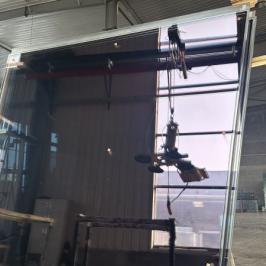
Handling and Inspection: Always use suction lifters; avoid direct hand contact with the glass edges. Before installation, inspect each pane for scratches, cracks, or de-lamination. Verify that the size, configuration, and Low-E coating position match the shop drawings. Isolate any unit with visible seal defects (bubbles, impurities) and notify the supplier immediately.
1.2 Installation Environment Requirements
Temperature & Humidity: Installation should occur in ambient temperatures between 5°C and 40°C. Avoid installation during rain, high humidity, or extreme temperature swings to prevent condensation within the cavity and to allow proper sealant curing.
Frame Inspection: Prior to glazing, thoroughly inspect the window frame or curtain wall mullion. Ensure the glazing rebate is clean, dry, square, and undamaged, and that drainage weeps are clear. Check diagonal measurements to confirm frame squareness (typically tolerance ≤2mm).
Part 2: Core Professional Installation Best Practices
2.1 Common Installation Errors vs. Correct Methods
Common Error | Consequence | Correct Procedure |
|---|---|---|
Bare-handed handling, no protection | Oils and dirt compromise sealant adhesion. | Wear clean gloves and use proper glass suction lifters with clean rubber pads. |
Incorrect Low-E coating position | Complete loss or reversal of Low-E function, leading to condensation and performance issues. | Follow the manufacturer's etching (typically in the pane corner). Generally, single Low-E coating goes on surface #2 (the indoor-facing surface of the outer pane). For double/triple silver, follow specifications exactly. |
Using metal tools to force glass | Causes point stress at edges, risking glass breakage or seal damage. | Use nylon or rubber-tipped setting blocks and tools to gently guide the glass into the rebate. |
Poor sealant application (gaps, bubbles) | Leads to air/water infiltration failure, allowing moisture ingress. | Use the specified structural or weather sealant (silicone, polysulfide). Ensure the bead is continuous, uniform, and free of air pockets. |
2.2 Key Installation Details
Setting & Location Blocks: Glass must be supported on setting blocks (neoprene or rigid plastic) at the bottom and located with location blocks at the sides. This prevents direct glass-to-metal contact and ensures even load distribution. Avoid placing blocks under hardware locations.
Pressure-Equalization & Sealing: For curtain walls, the pressure-equalized (PE) design is critical. The exterior gasket (rainscreen) and interior air seal must be correctly installed, with clear drainage and ventilation paths in the cavity to prevent water from being driven inward by wind pressure.
Glazing Clearance: Maintain a uniform clearance (typically 4-6mm) between the glass edge and the frame, as required by the sealant manufacturer. Insufficient clearance compromises sealant thickness; excessive clearance can lead to sealant cracking.
Part 3: Long-Term Maintenance, Care, and Fault Diagnosis
3.1 Routine Cleaning and Care
Frequency: Clean every 3-4 months. Increase frequency in industrial or coastal areas with high pollution.
Cleaning Agents: Use a mild, non-abrasive glass cleaner or a soft soap solution. NEVER use acidic/alkaline cleaners (e.g., hydrofluoric acid, scouring powders), abrasive pads, or metal scrapers, as these can permanently scratch the glass or damage the coating and sealant.
Method: First, rinse or brush off loose grit with water. Apply cleaner to a soft, lint-free microfiber cloth, then wipe the glass. Finish with a dry cloth or squeegee. For Low-E glass, avoid tools with metal blades that could scratch the coating.
3.2 Common Issues: Diagnosis and Solutions
Symptom | Likely Cause | Recommended Action |
|---|---|---|
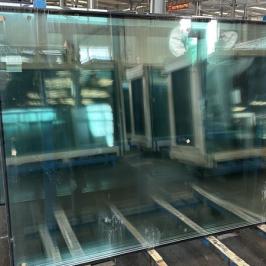
Fogging/condensation betweenthe panes | Insulated Glass Seal Failure. The hermetic seal is broken, allowing moisture-laden air into the cavity. | This is not repairable. The IGU has failed. The only solution is professional IGU replacement (reglazing). Contact the installer/manufacturer. |
Condensation on the interiorglass surface | High indoor humidity and a glass surface temperature below the dew point. | Improve ventilation and use a dehumidifier. This indicates the window's U-value could be better, but it is a normal physical phenomenon. |
White powder residue at the edge | Leakage of the molecular sieve desiccant from inside the spacer bar. | Can be wiped away, but may indicate a potential seal issue. Monitor closely. |
"Oil-slick" or rainbow patterns | Anneling streaks (in tempered glass) or minor thickness variations in laminated interlayers. | This is an optical phenomenon and does not affect structural safety or performance. It is visible under certain lighting angles. |
3.3 Periodic Professional Inspection
Schedule a professional inspection every 2-3 years:
Sealant Check: Inspect perimeter sealants (frame-to-wall, glass-to-frame) for hardening, cracking, or adhesion loss.
Hardware & Operation Maintenance: Lubricate hinges, locks, and operating mechanisms with appropriate, non-oily lubricants. Tighten any loose screws.
Drainage System Check: Clear all frame drainage weeps of debris, dust, or insect nests to ensure proper water egress.
Conclusion: Ensuring Lifecycle Performance
The value of an IGU is realized over its entire lifecycle: manufacturing, transport, installation, use, and maintenance. Sloppy installation can ruin a perfectly manufactured unit, and neglectful maintenance accelerates its decline. Owners, installers, and maintenance personnel must adhere to professional standards—from the first step of installation to routine cleaning. Only then can the outstanding energy efficiency, acoustic insulation, and comfort of insulated glass be consistently delivered throughout its long service life, securing the long-term value and sustainability of the building envelope.