



































A Climate and Application-Specific Guide
A Climate and Application-Specific Guide
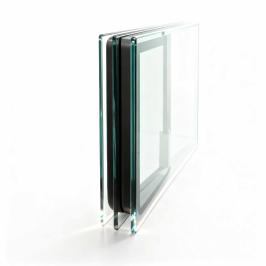
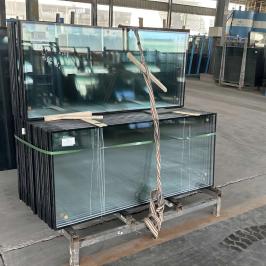
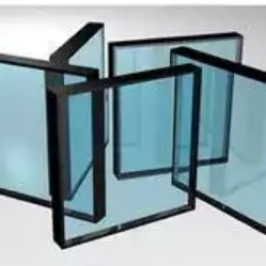
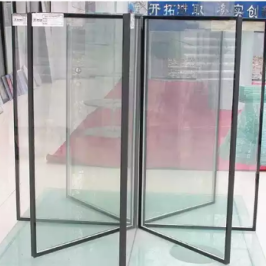
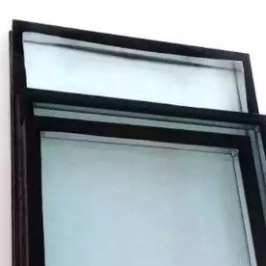
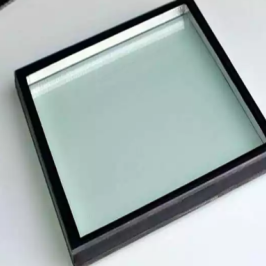
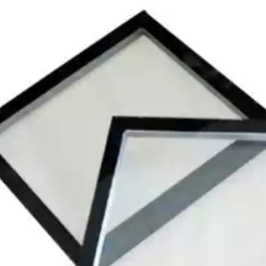
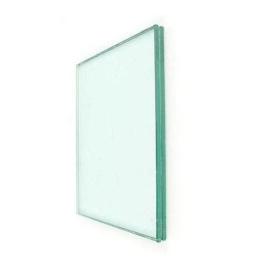
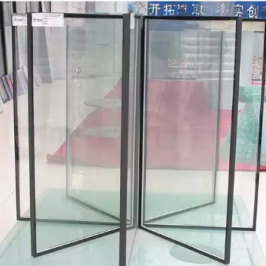
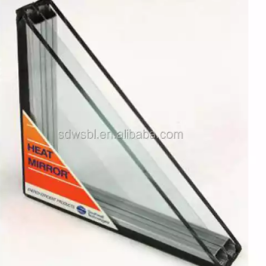
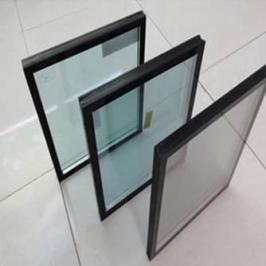
Selecting the perfect Insulated Glass Unit (IGU) is not a one-size-fits-all decision. The optimal configuration for a beachfront home in Florida differs dramatically from a high-rise in Toronto or a studio apartment in London. This guide cuts through the complexity, providing a clear, actionable framework to choose the right insulated glass based on your local climate, building type, and specific performance needs, ensuring you get the highest comfort and return on your investment.
Section 1: Climate is King: Matching Your IGU to the Weather
Your local climate is the most critical factor in determining the ideal IGU specification. The two key performance metrics to balance are the U-Factor (insulation against heat flow) and the Solar Heat Gain Coefficient (SHGC) (protection from solar heat).
Climate Zone | Primary Goal | Ideal IGU Priority | Key Configuration Recommendations |
|---|---|---|---|
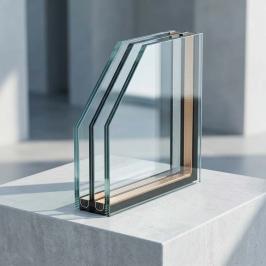
Cold & Very Cold (e.g., Canada, Northern Europe) | Retain indoor heat, maximize passive solar gain. | Lowest possible U-Factor (e.g., <0.20). Moderate to High SHGC. | Triple glazing with Low-E coatings. Argon or Krypton gas fill. "Passive" Low-E coating (#2 or #3 surface) to let sun's warmth in. Consider warm edge spacers to prevent edge condensation. |
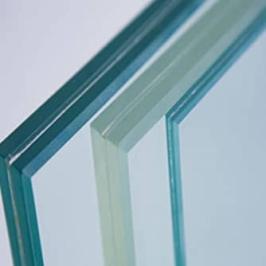
Hot & Sunny (e.g., Southern US, Middle East, Australia) | Block solar heat, reduce cooling costs. | Lowest possible SHGC (e.g., <0.25). A good U-Factor is still important. | Solar Control Low-E coatings (often spectrally selective tints). Double glazing is often sufficient. Laminated glass for added UV/heat blockage. Reflective coatings in extreme cases. Ensure frames have thermal breaks. |
Mixed Humid (e.g., Eastern US, East Asia) | Year-round performance – keep heat in during winter, out during summer. | Balance: A low U-Factor (e.g., 0.25-0.30) AND a moderate-to-low SHGC. | Double glazing with a "dual-purpose" Low-E coating. Argon gas fill. This is the most common, versatile high-performance setup. |
Coastal/Marine | Resist corrosion, manage solar gain, handle humidity. | Low SHGC, high durability. Good U-Factor. | Specify all stainless steel or non-metallic warm edge spacers. Use laminated or coated glass to resist salt spray corrosion. Ensure all sealants are marine-grade. |
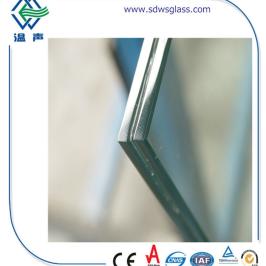
High Altitude/Noisy Urban | Noise reduction, temperature stability. | High acoustic performance, excellent U-Factor. | Laminated glass in the IGU assembly. Asymmetrical glass thicknesses (e.g., 6mm + 4mm). Wider air gaps (16mm+). Triple glazing for ultimate sound damping. |
Section 2: Decoding the Performance Labels: NFRC and More
To make an informed choice, you must understand the "nutrition label" for windows. In North America, this is provided by the National Fenestration Rating Council (NFRC). Key ratings include:
U-Factor: The rate of heat loss. Lower is better for insulation. Look for ≤ 0.30 for a good double-pane, and ≤ 0.20 for a high-performance unit.
Solar Heat Gain Coefficient (SHGC): The fraction of solar heat transmitted. Lower is better for blocking heat gain. Ranges from ~0.20 (excellent solar control) to ~0.50 (high solar gain).
Visible Transmittance (VT): The amount of visible light that comes through. Higher numbers mean more natural light. Aim for a balance with SHGC.
Air Leakage (AL): The rate of air infiltration. Lower is better (≤ 0.3 is excellent). This depends heavily on window frame and installation quality.
Section 3: Application-Based Recommendations
1. Residential Single-Family Homes:
New Construction: Maximize performance. Use double or triple-glazed units with Low-E/Argon and thermally broken frames. This is cheaper and more effective than retrofitting later.
Replacement Windows: The best balance is a double-glazed Low-E/Argon IGU. Ensure the new unit fits your existing frame's sightlines and that installers address old air leaks.
2. Commercial Buildings & High-Rise Apartments:
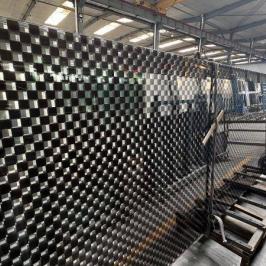
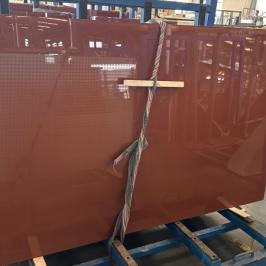
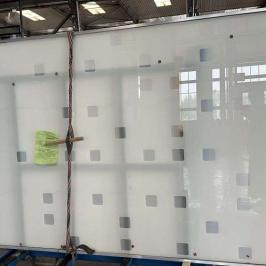
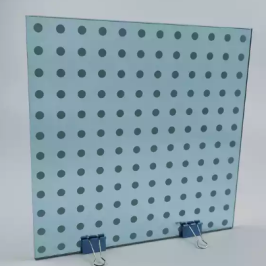
Curtain Walls: Must meet stringent structural, thermal, and water penetration codes. Often use a combination of vision glass (clear, high VT) and spandrel glass (opaque, insulated). Thermally broken framing systems are non-negotiable.
Condos/Apartments: Focus on sound transmission class (STC) ratings. Laminated glass in the IGU is highly recommended for both acoustic and security benefits.
3. Historic Renovation Projects:
The Challenge: Maintain historic aesthetics while improving performance.
The Solution: Custom slim-profile IGUs that fit original, narrow window sashes. True divided lites (TDL) with simulated muntins can be incorporated into a modern, high-performance sealed unit.
4. Specialty Applications:
Studios/Theaters: Priority is acoustics. Specify IGUs with laminated glass, different pane thicknesses, and wide gaps. Target high OITC/STC ratings.
Conservatories/Skylights (Overhead Glazing): Priority is safety and solar control. Use tempered or laminated safety glass as the outboard pane. A Low-E coating on the #2 surface is crucial. Ensure proper ventilation to manage heat buildup.
Section 4: Your Step-by-Step Selection Checklist
Determine Your Climate Zone and primary goal (heat retention vs. heat rejection).
Identify Must-Haves: Noise control? UV protection? Security? Historic look?
Get Quotes with Specifications: Don't just ask for a price. Request a product data sheet listing the full IGU make-up (e.g., 6mm Clear / 16mm 90% Argon / 6mm Low-E on #3) and the NFRC/U-value/SHGC ratings.
Don't Forget the Frame: The IGU is only as good as the frame holding it. Ensure it's thermally broken and designed for the unit's weight and performance.
Prioritize Installation: The best window installed poorly will fail. Choose an experienced, certified installer who follows industry standards (like AAMA installation guidelines).